Chinese & Japanese Works of Art
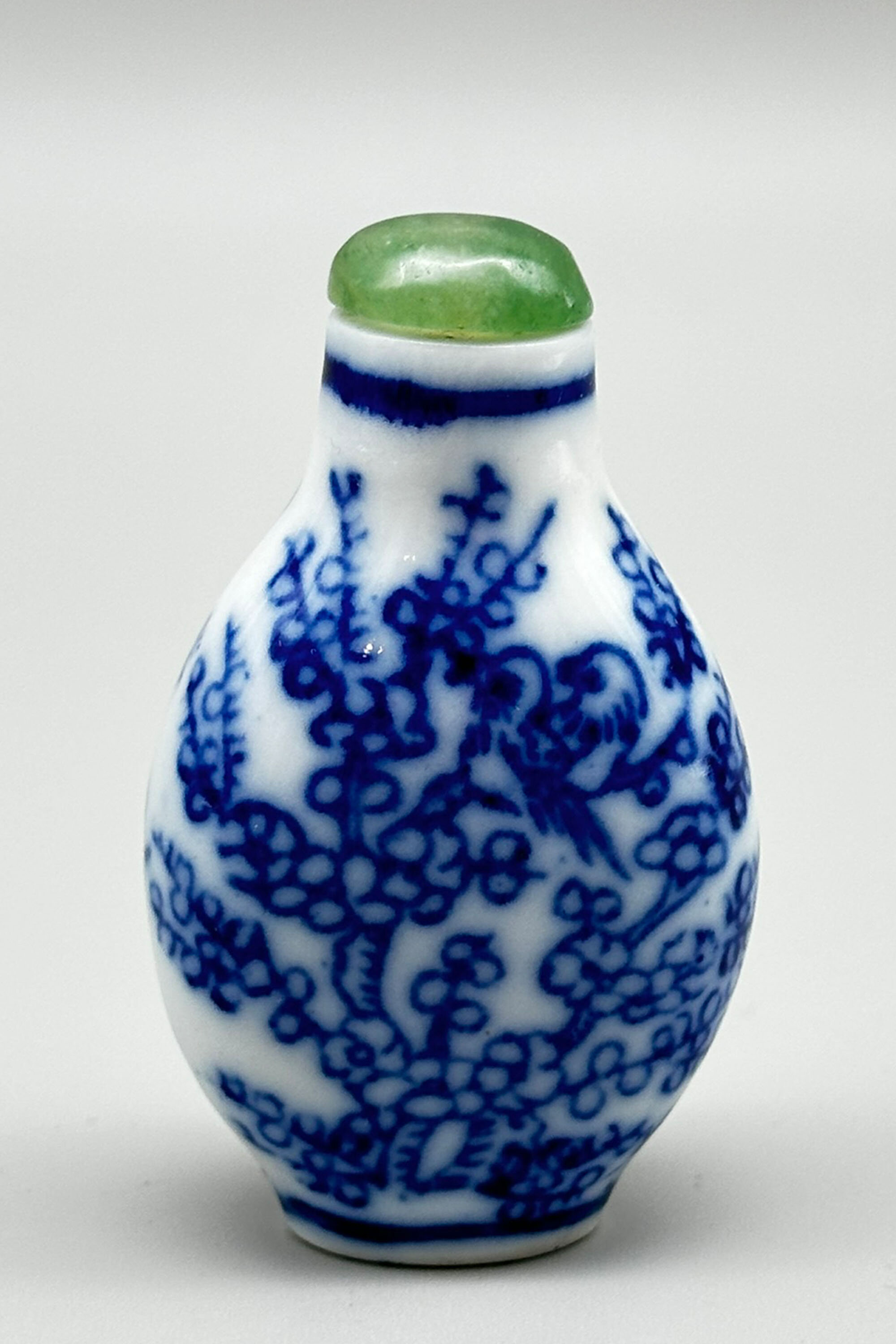
Chinese Blue and White Snuff Bottle with Jade stopper, early C20th
Price: £45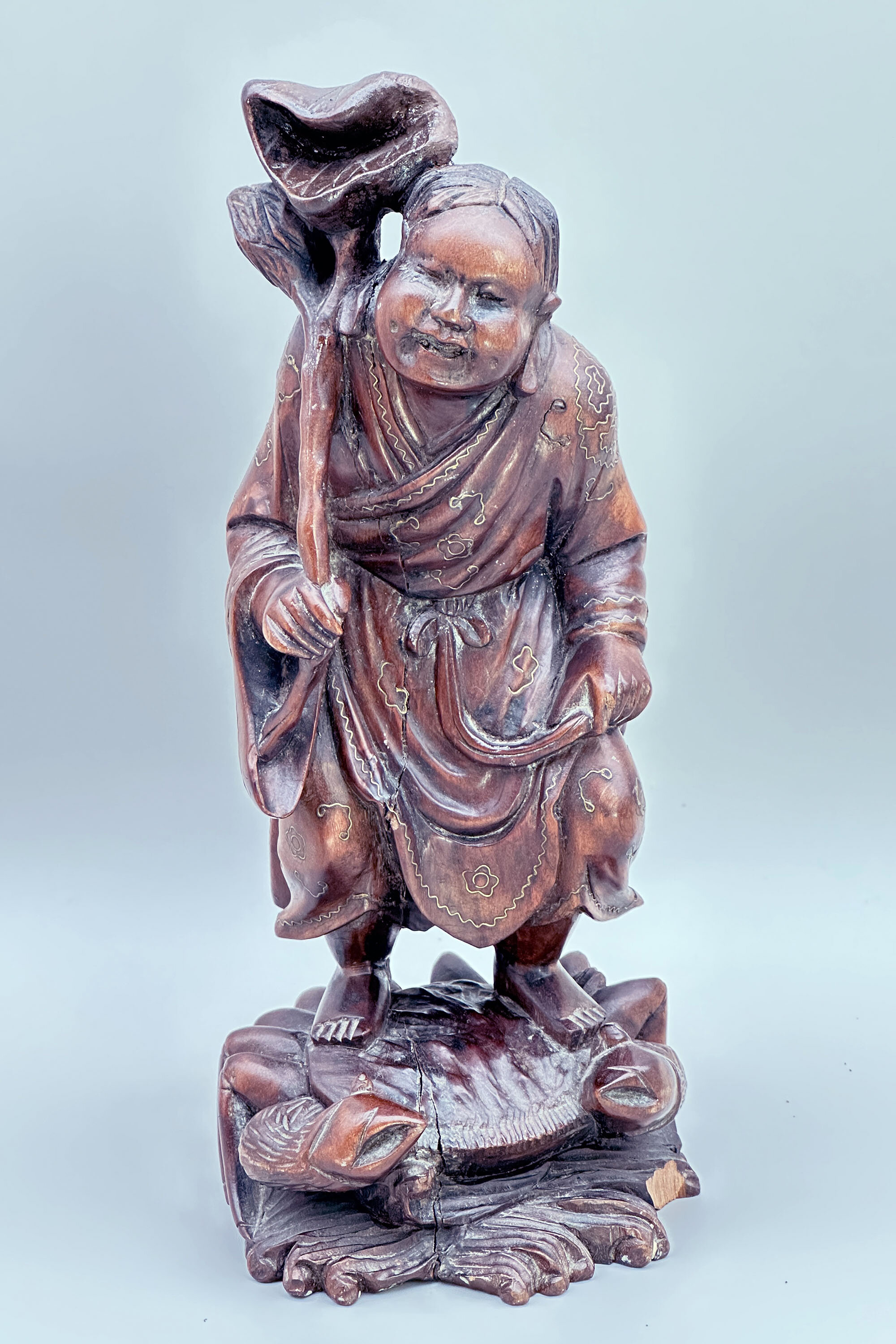
Chinese boxwood carved figure with silver inlay of Li Tieguai circa 1900
Price: £55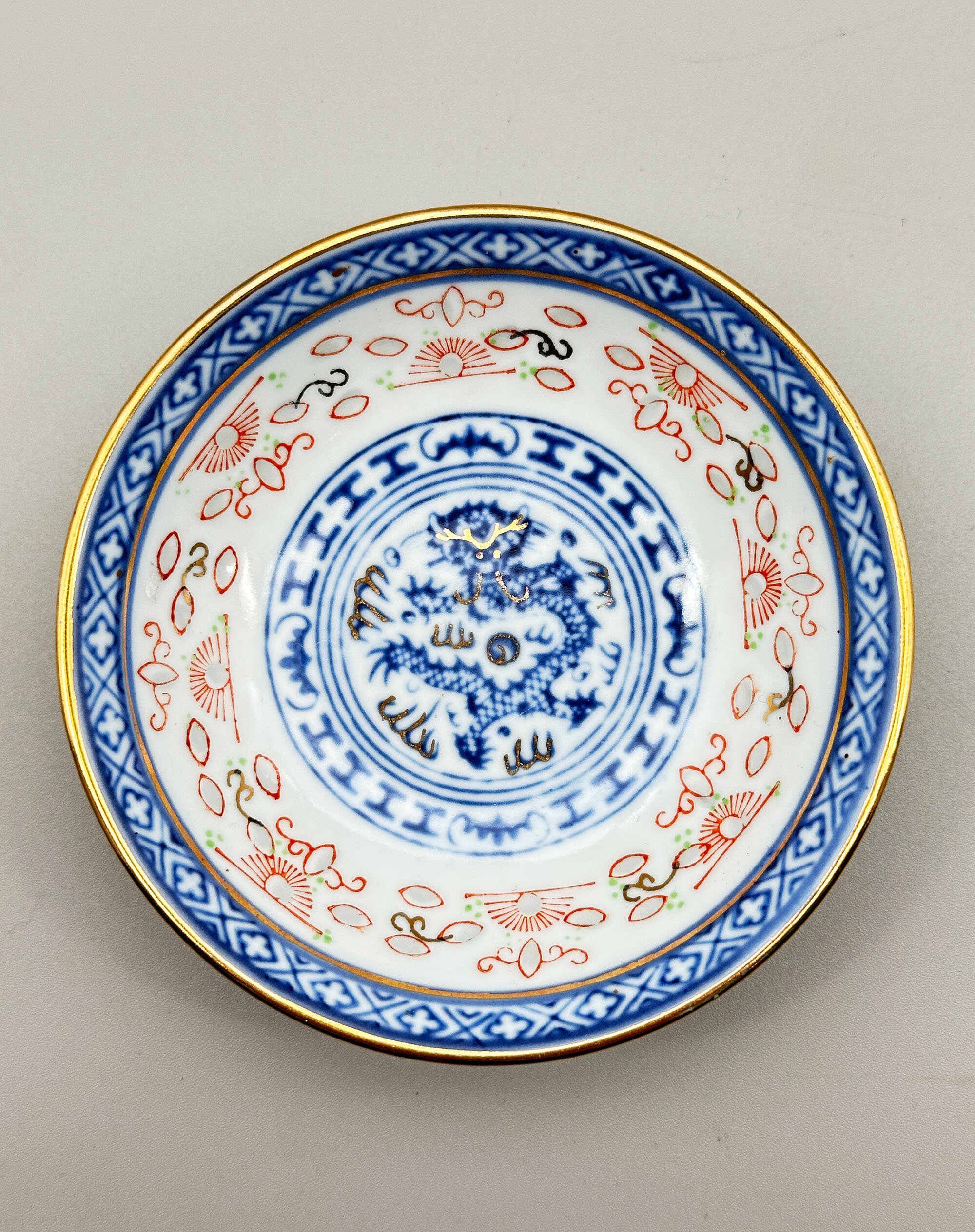
Chinese rice grain Dish with Jingdezhen Mark, late C20th
Price: £35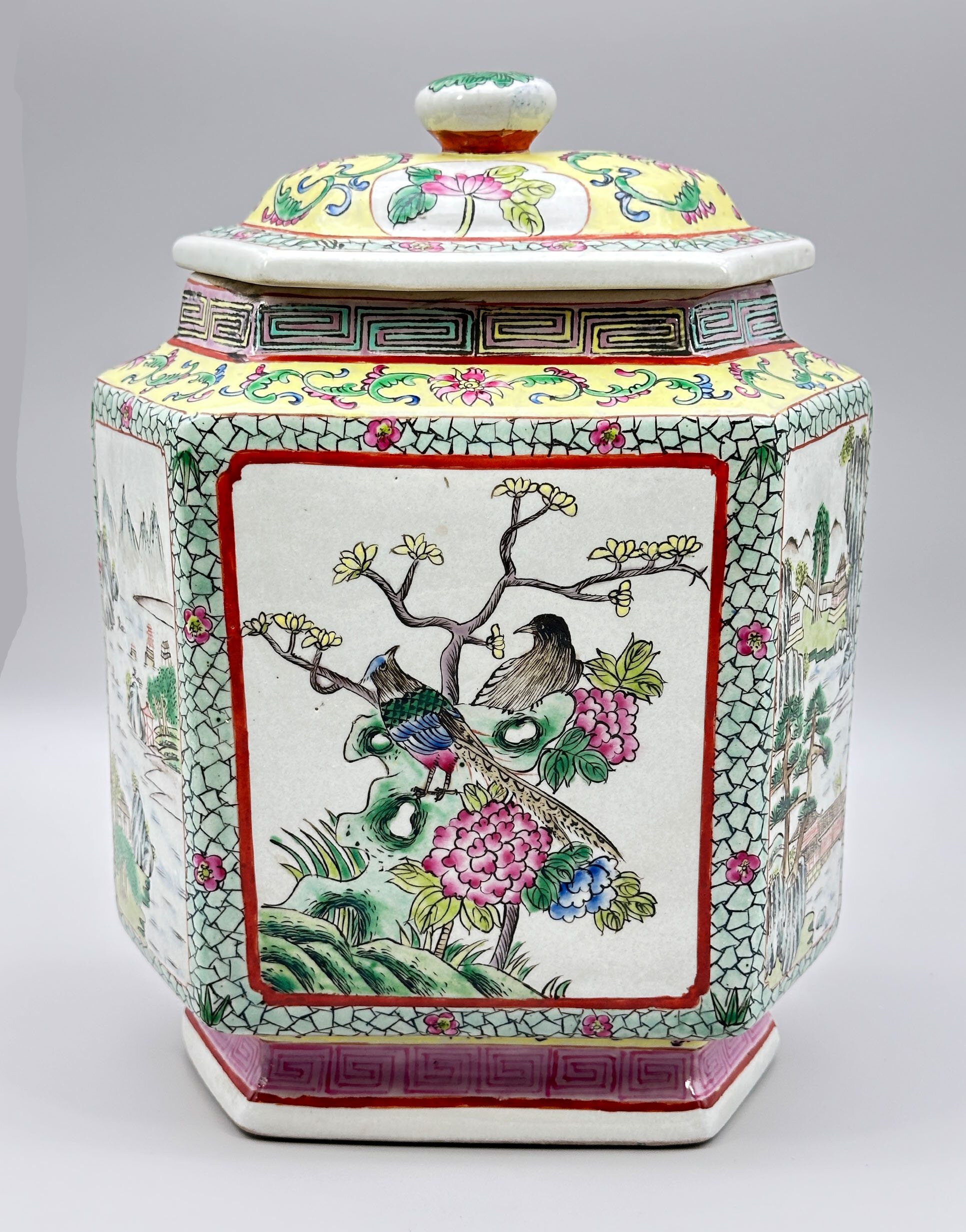
Chinese Cantonese style hexagonal Jar and Cover, C20th
Price: £150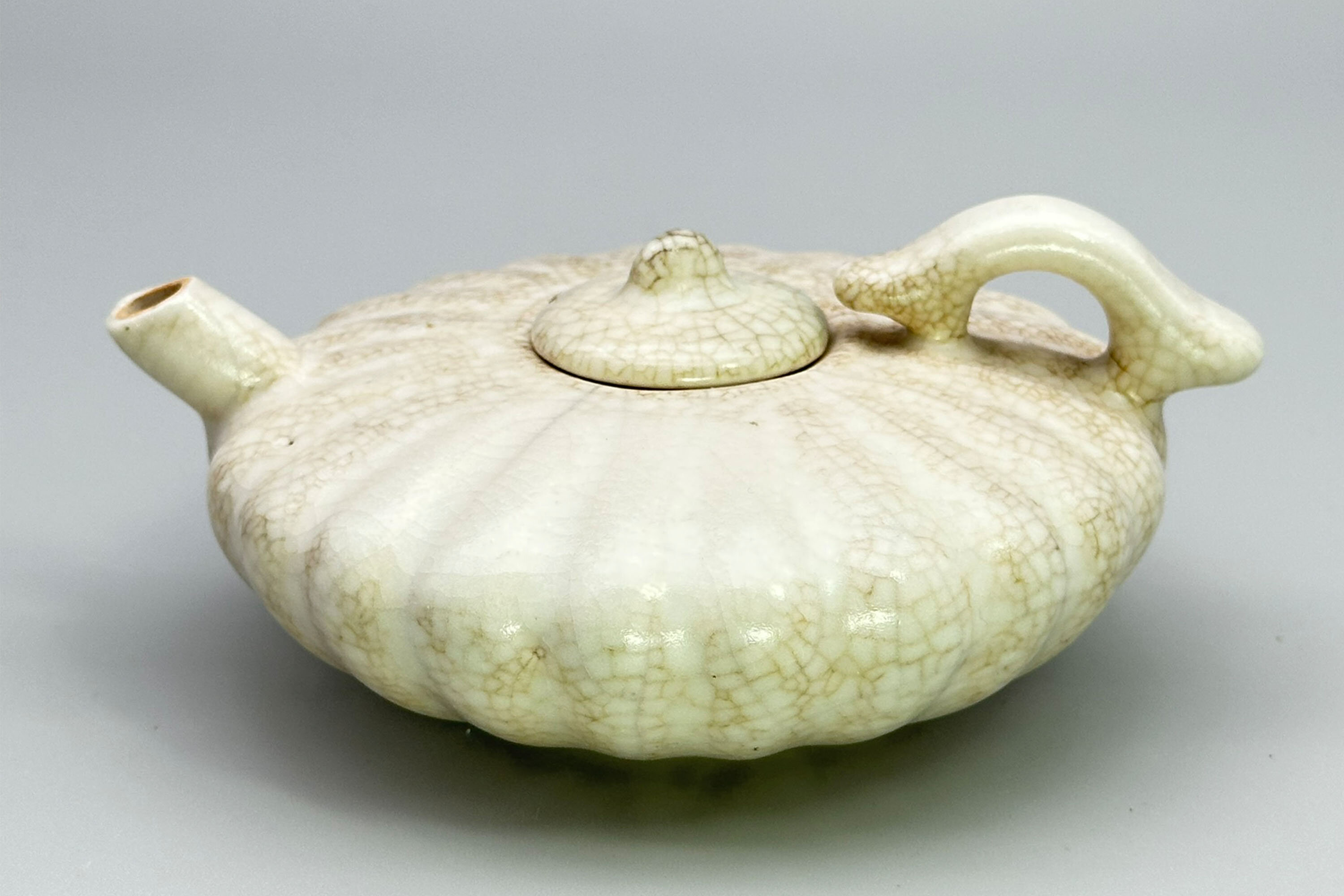
Chinese pumpkin shape Teapot with cream craquelure glaze circa 1900
Price: £55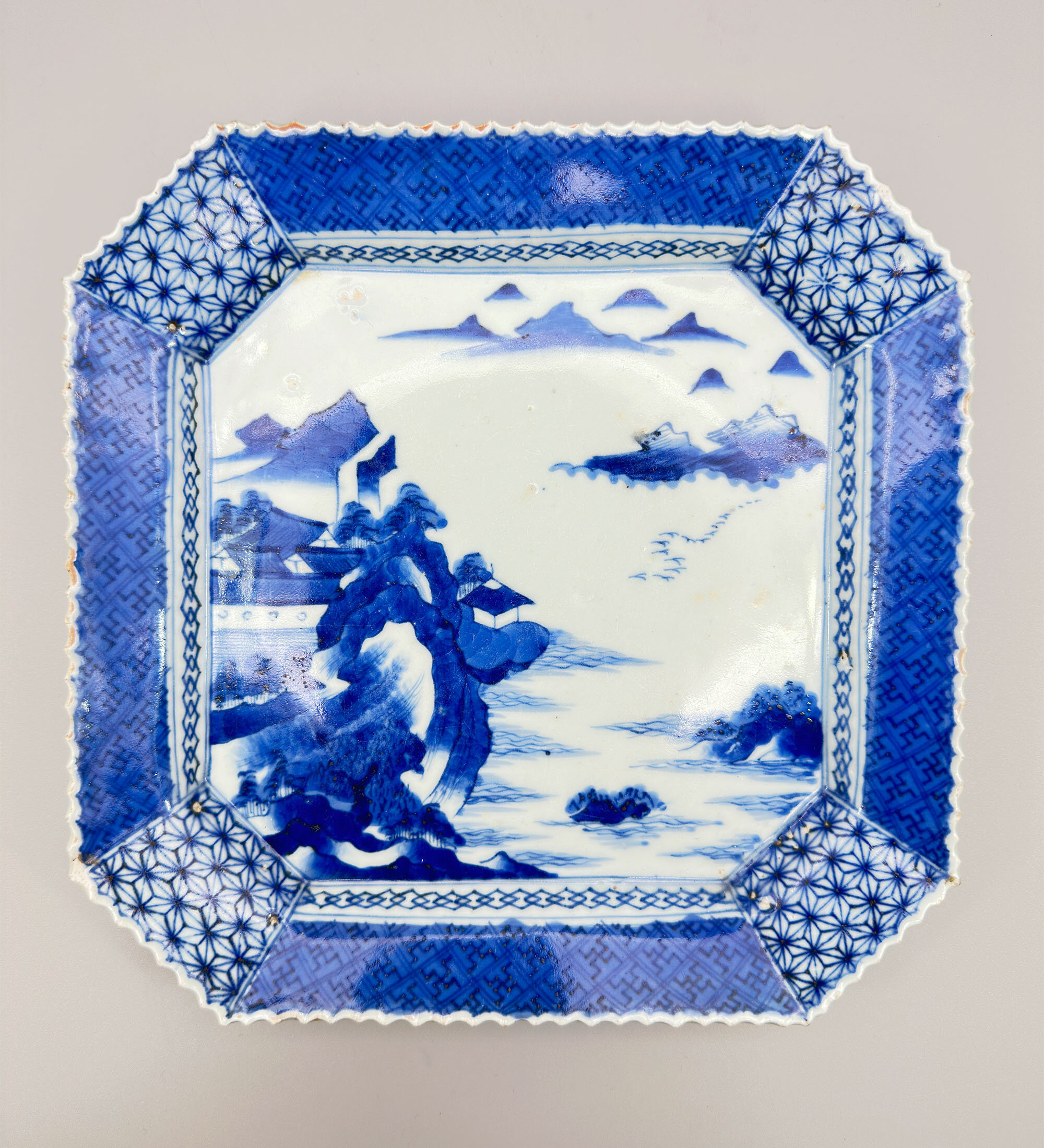
Japanese Arita Square Dish, Cheng Hua mark, circa 1880
Price: £55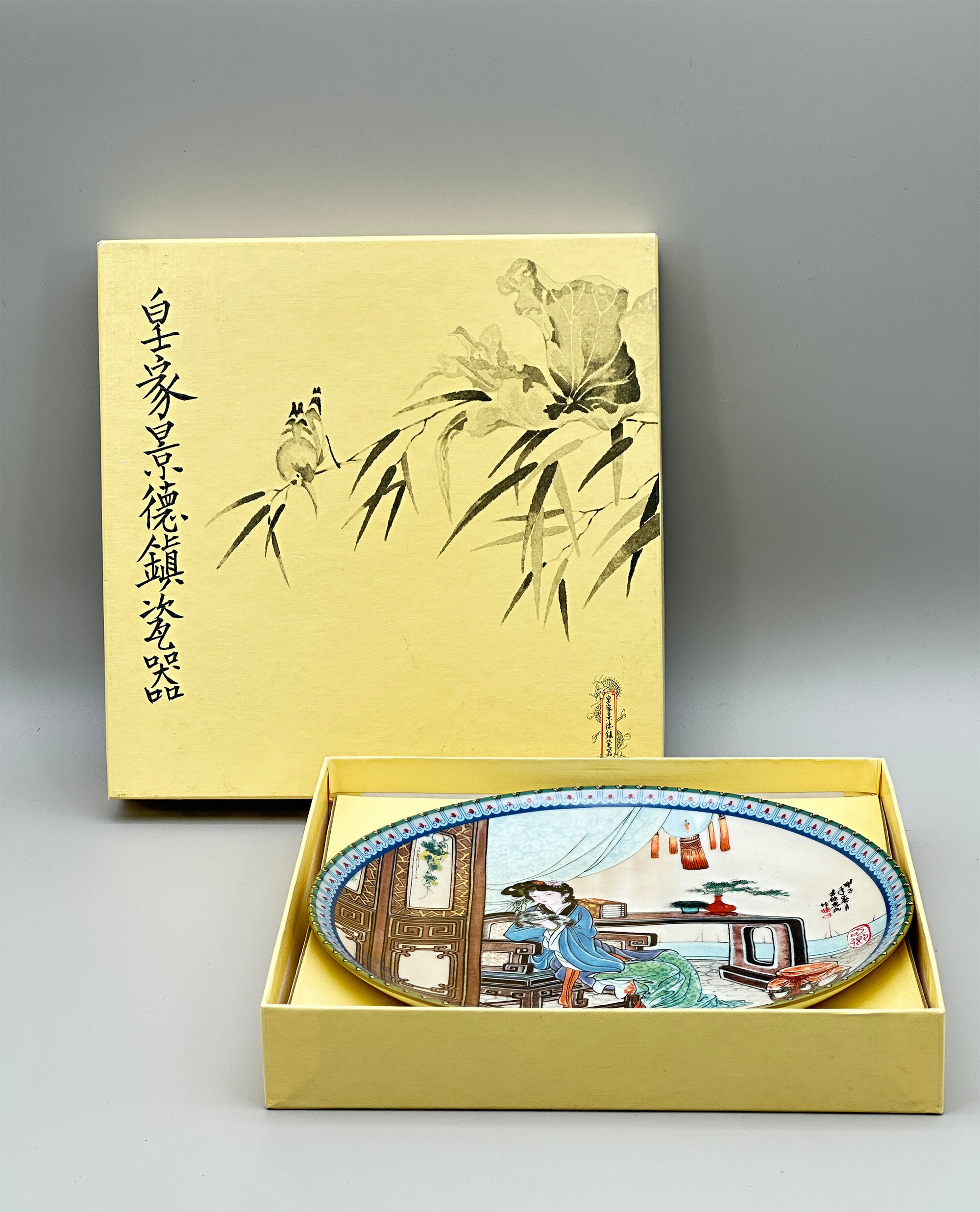
Chinese Plate No 9 from the series Beauties of the Red Mansion, Jingdezhen, 1988
Price: £35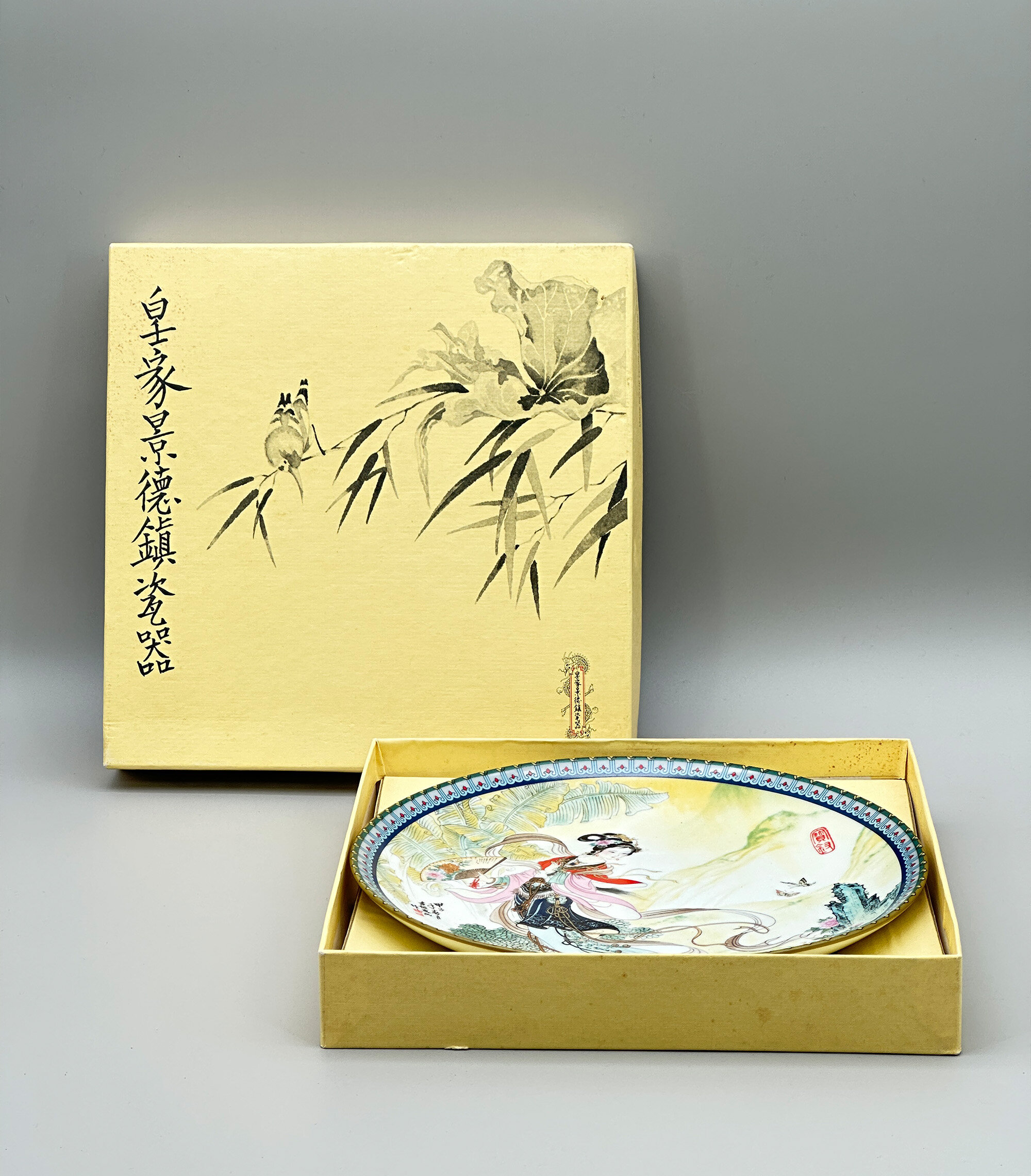
Chinese Plate No 3 from the series Beauties of the Red Mansion, Jingdezhen, 1985
Price: £35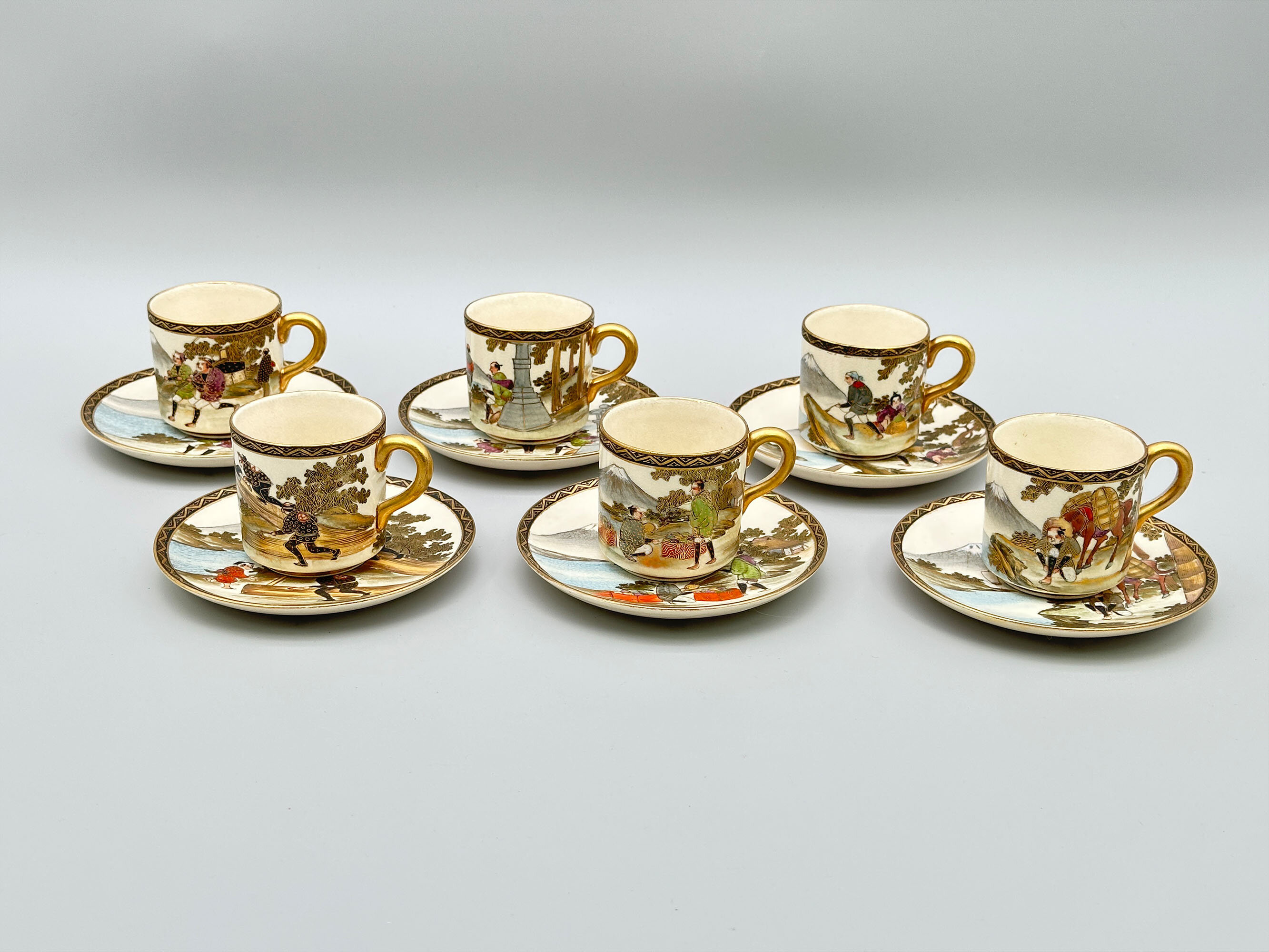
Set of six fine quality Satsuma cups and saucers, signed, early C20th
Price: £180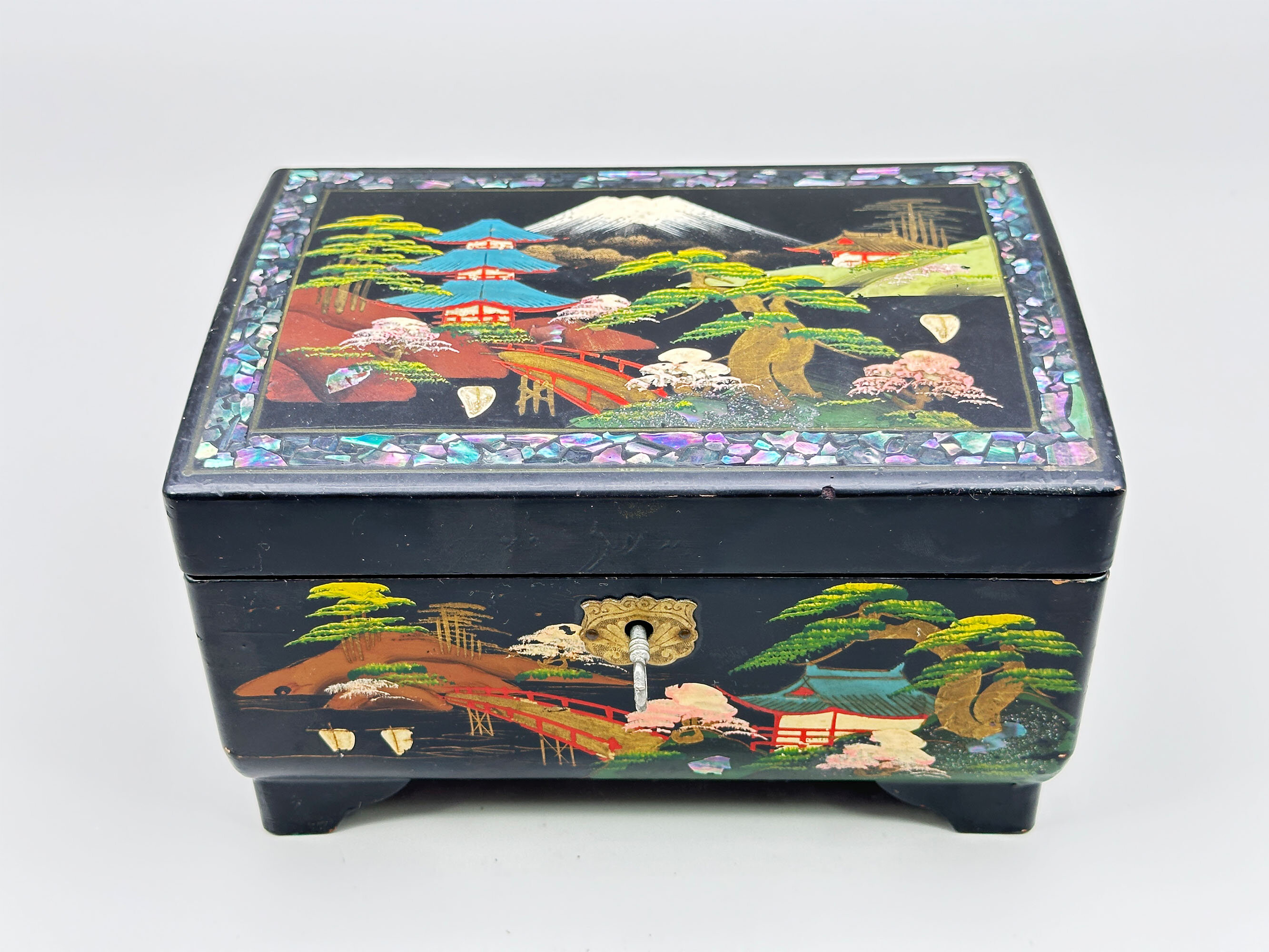
Japanese black lacquer musical jewellery Box, mid C20th
Price: £45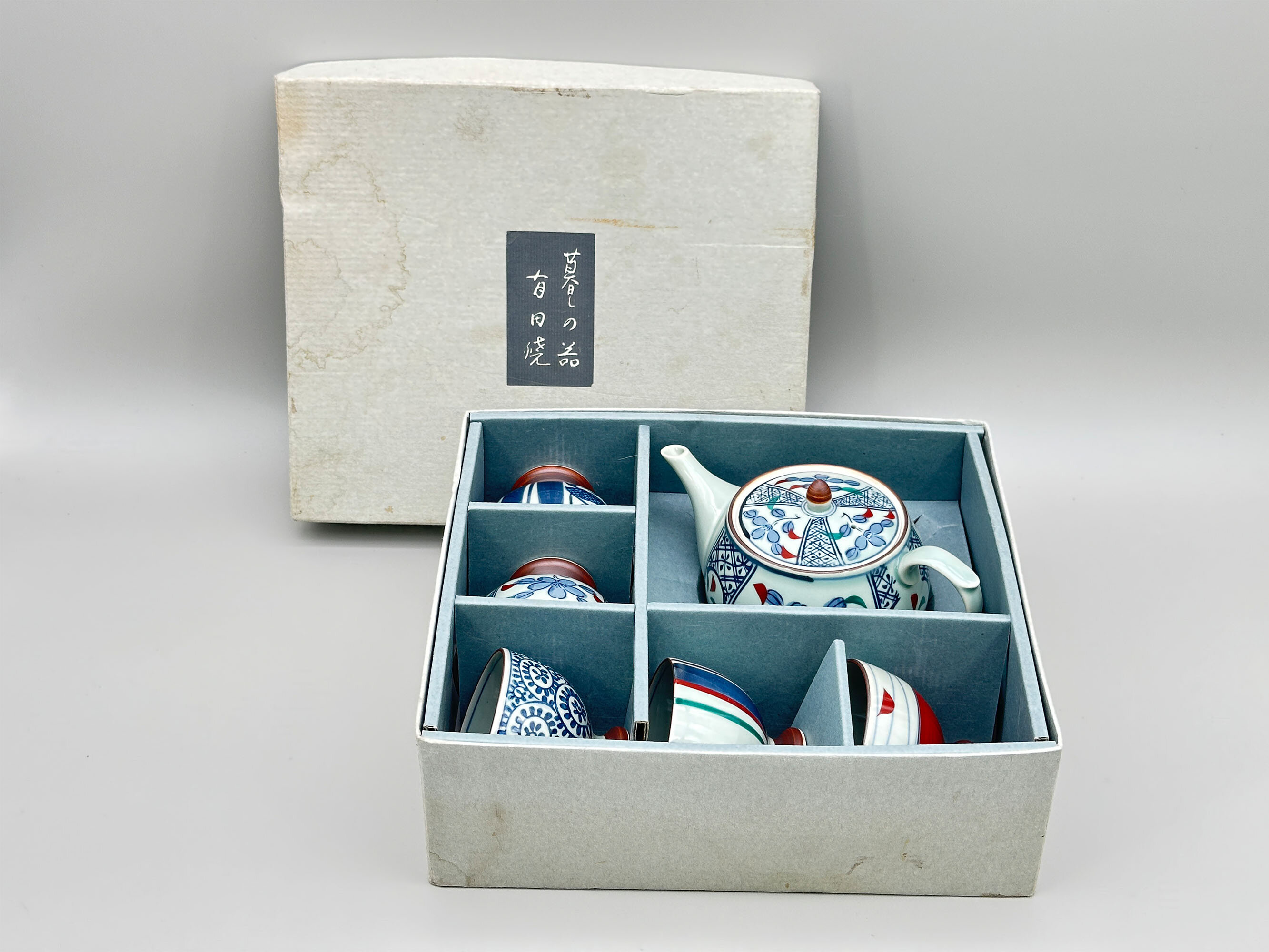
Japanese Arita Tea Set, boxed, late C20th
Price: £55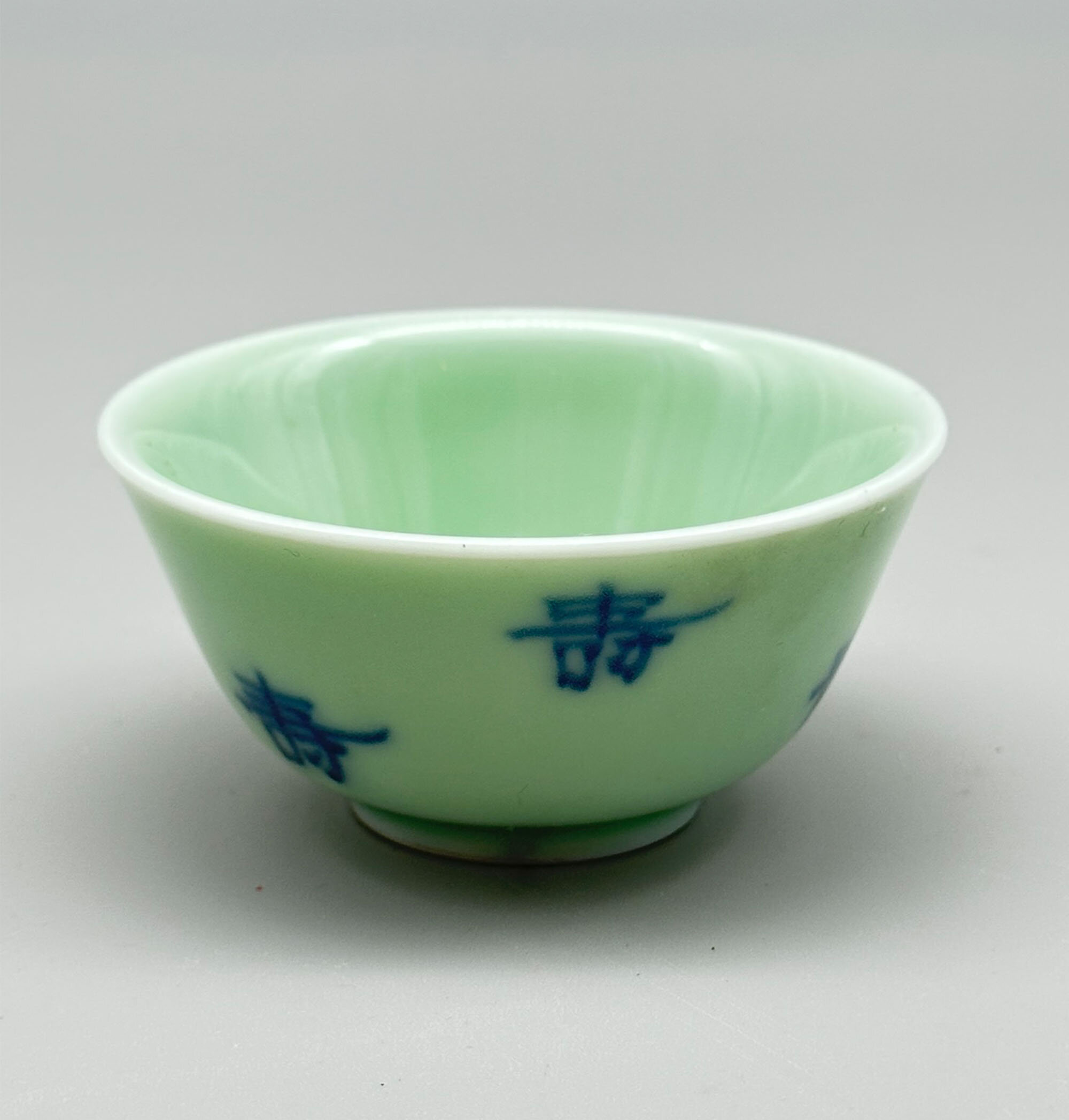
Chinese celadon glaze sake cup with shou symbols, Qing dynasty (1644-1912)
Price: £55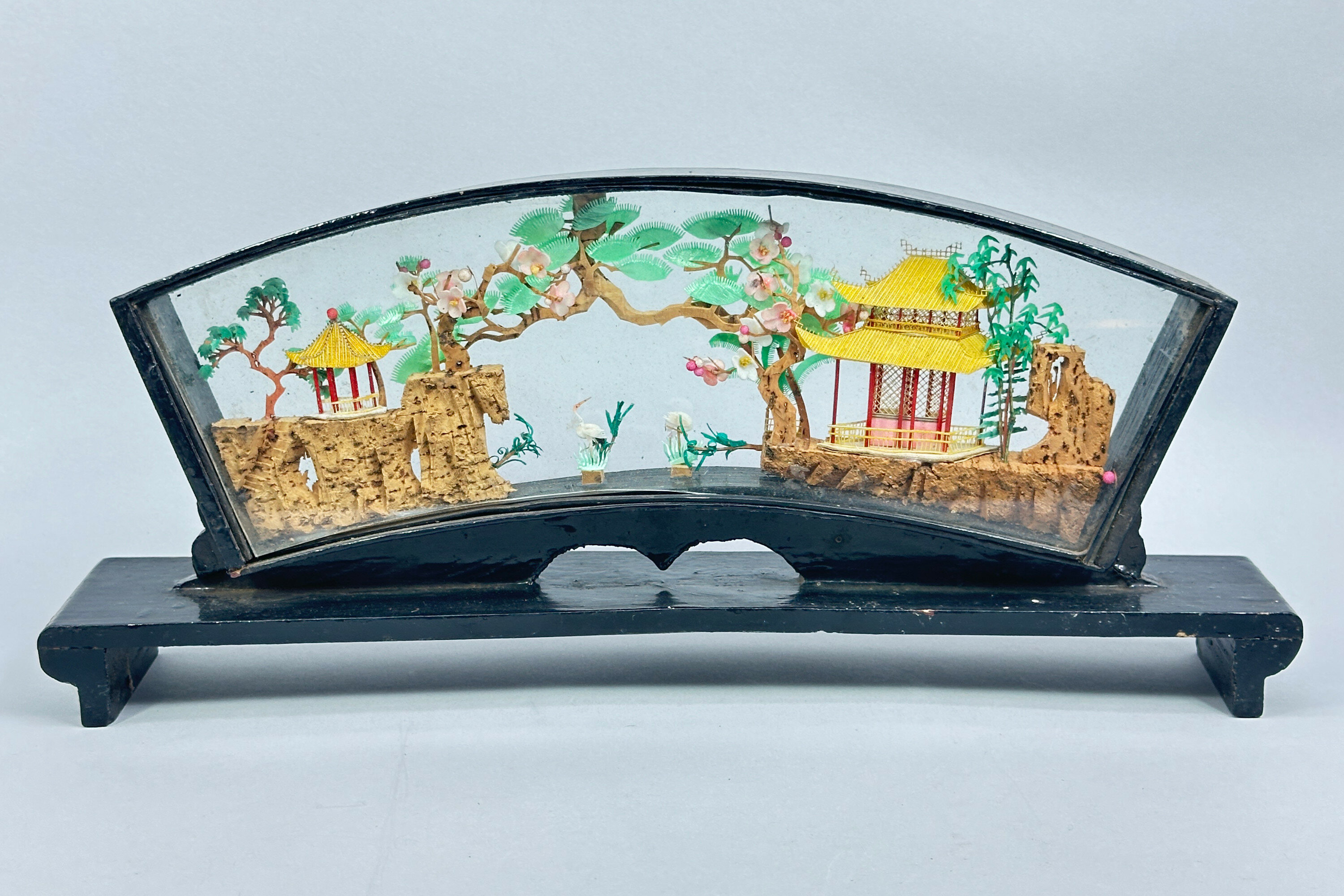
Chinese Cork Diorama in a Glazed Wood Frame, C20th
Price: £25Chinese cork carving, also known as cork sculpture, is a traditional Chinese art form depicting intricate landscapes with pavilions and animals. The cork (from cork bark of trees) is cut, carved, coloured and glued together into pictures after which it is wood-framed, usually painted in black lacquer, with clear glass protection. The tradition seems to have begun in the early twentieth century when the Chinese wood carving artist Wu Qiqi from Xiyuan village in Fuzhou was inspired by a wood carving picture that brought back from Germany to create something in imitation using locally cork for the main elements with rice paper plant to form the animals. The sculptures proved popular and many were exported. This piece is an excellent example with a particularly attractive frame and probably dates to before the Second World War.
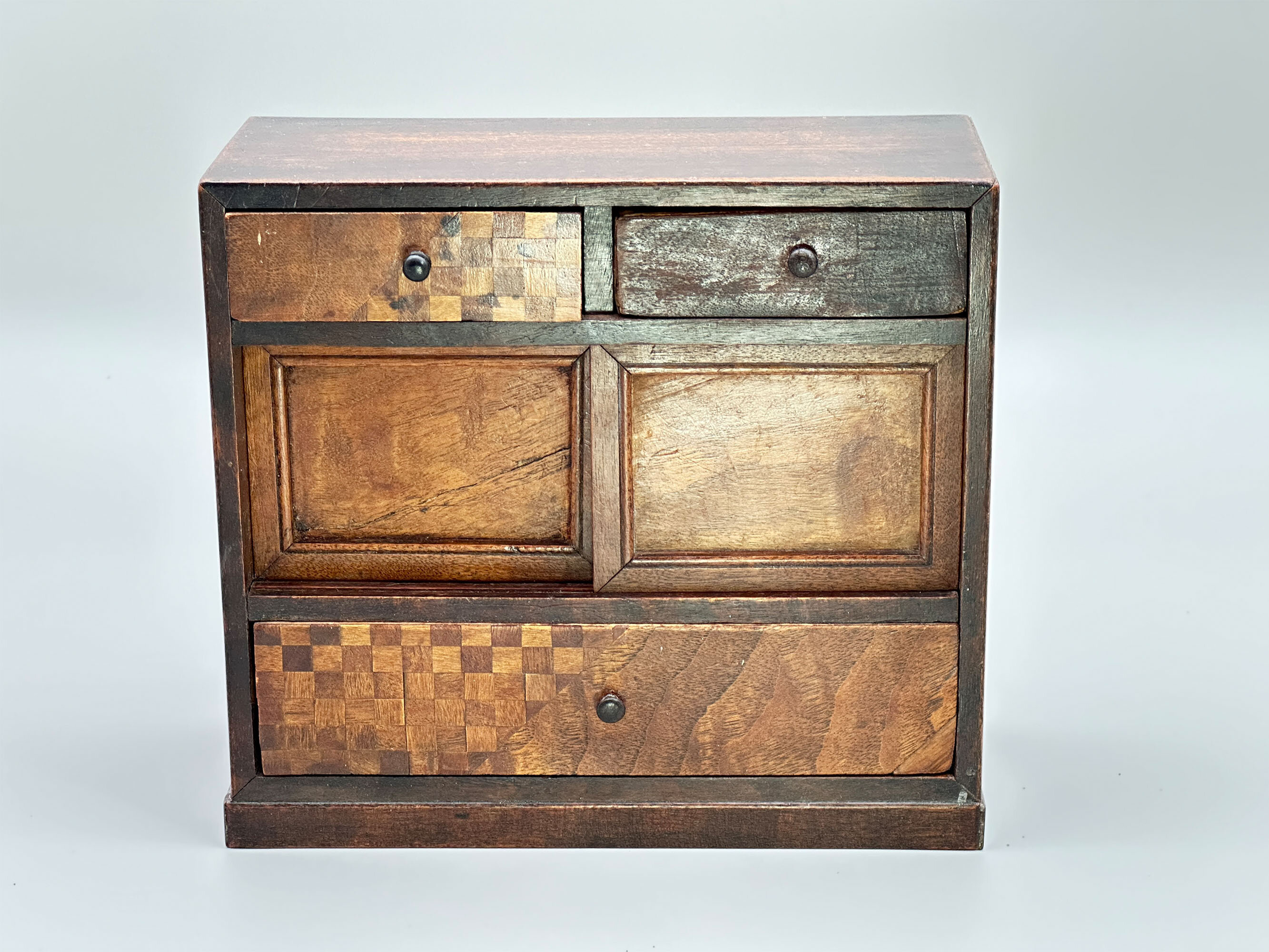
Japanese miniature wood sample Cabinet, late nineteenth century
Price: £45This is an example of Japanese marquetry technique known as ‘Yosegi-Zaiku’ in which intricate geometric patterns made from small pieces of wood were used to decorate the surfaces of small pieces of furniture such as jewellery cabinets or ‘kotan-su’ (kodansu). The technique originated in the town of Hakone, near to Tokyo, in the Edo period (1601/3 to 1868) but continued into the Meiji era (1868-1912) and beyond. Some of the pieces produced have an elaborate array of designs, but what we appear to have here is a sample or specimen piece showing the types of effect the craftsman could produce. This is further complicated by the fact that the top right drawer, which has no decoration at all and is not signed underneath like the other two, appears to be a later replacement with a different form of handle. But there is still some charm and no small amount of skill here. Dating is most probably to the late nineteenth century and this experimental ‘kodansu’ could easily find a place in an early twenty first century setting.
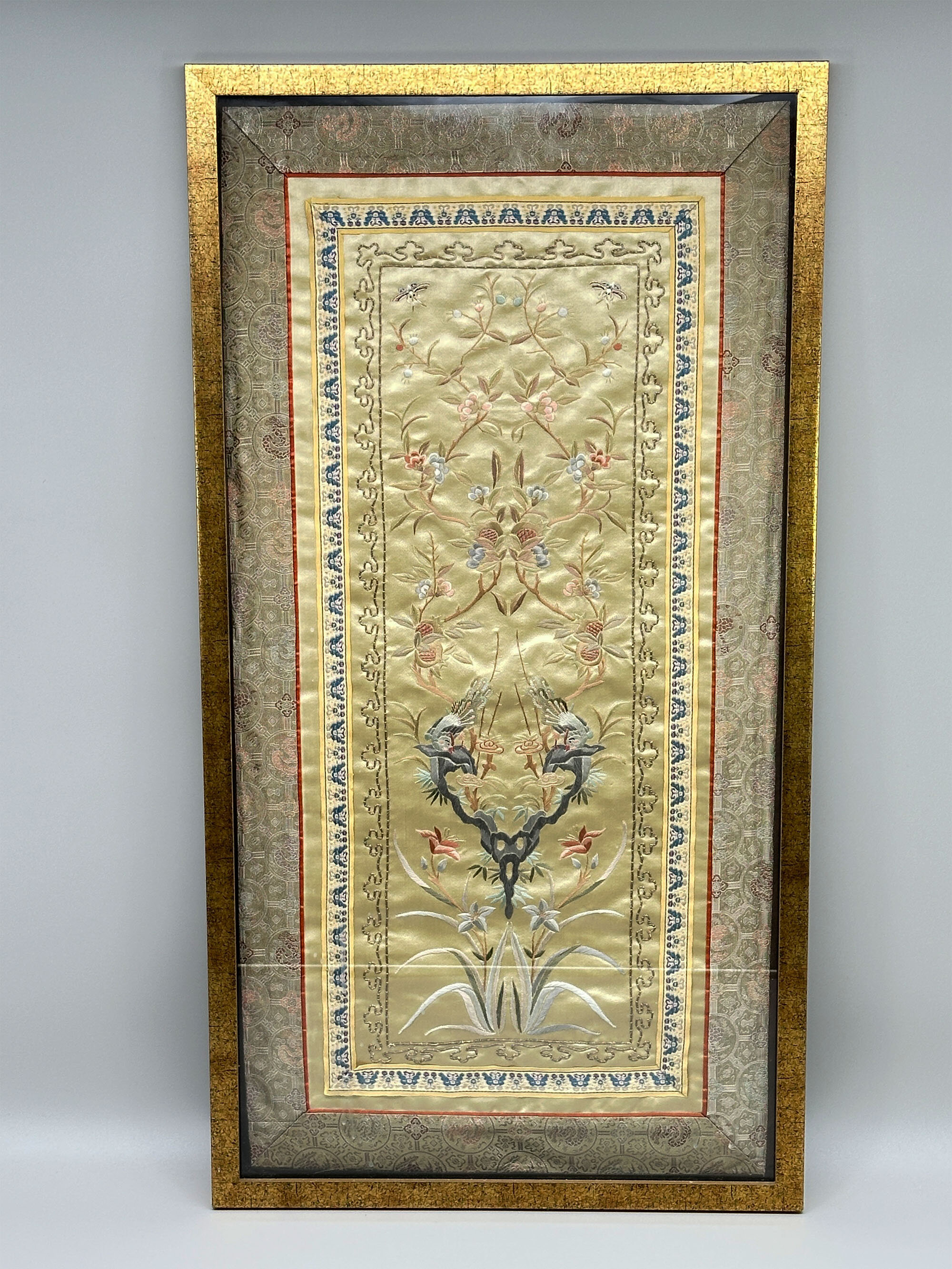
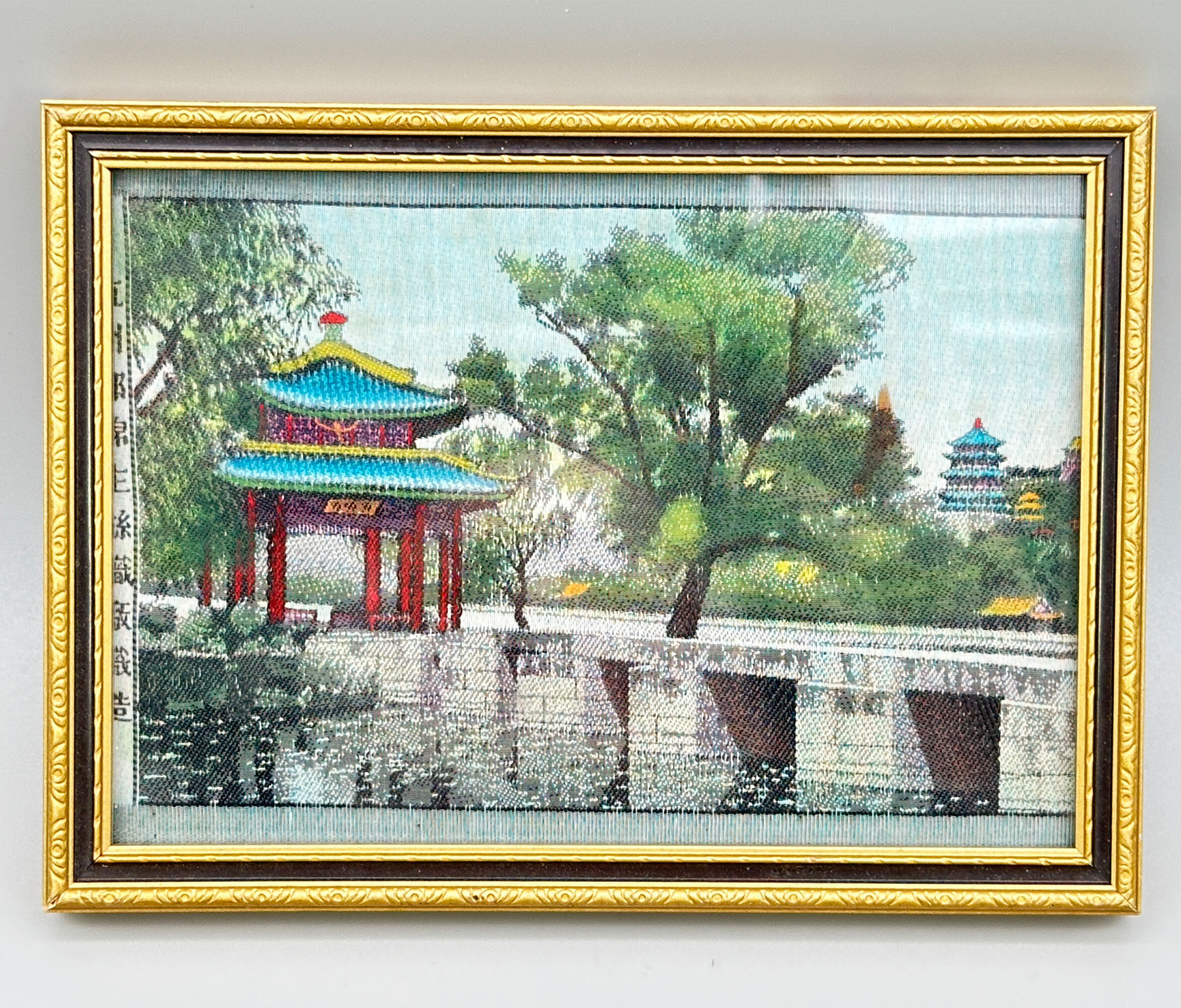
Chinese silk embroidery panel, early C20th, later framed
Price: £75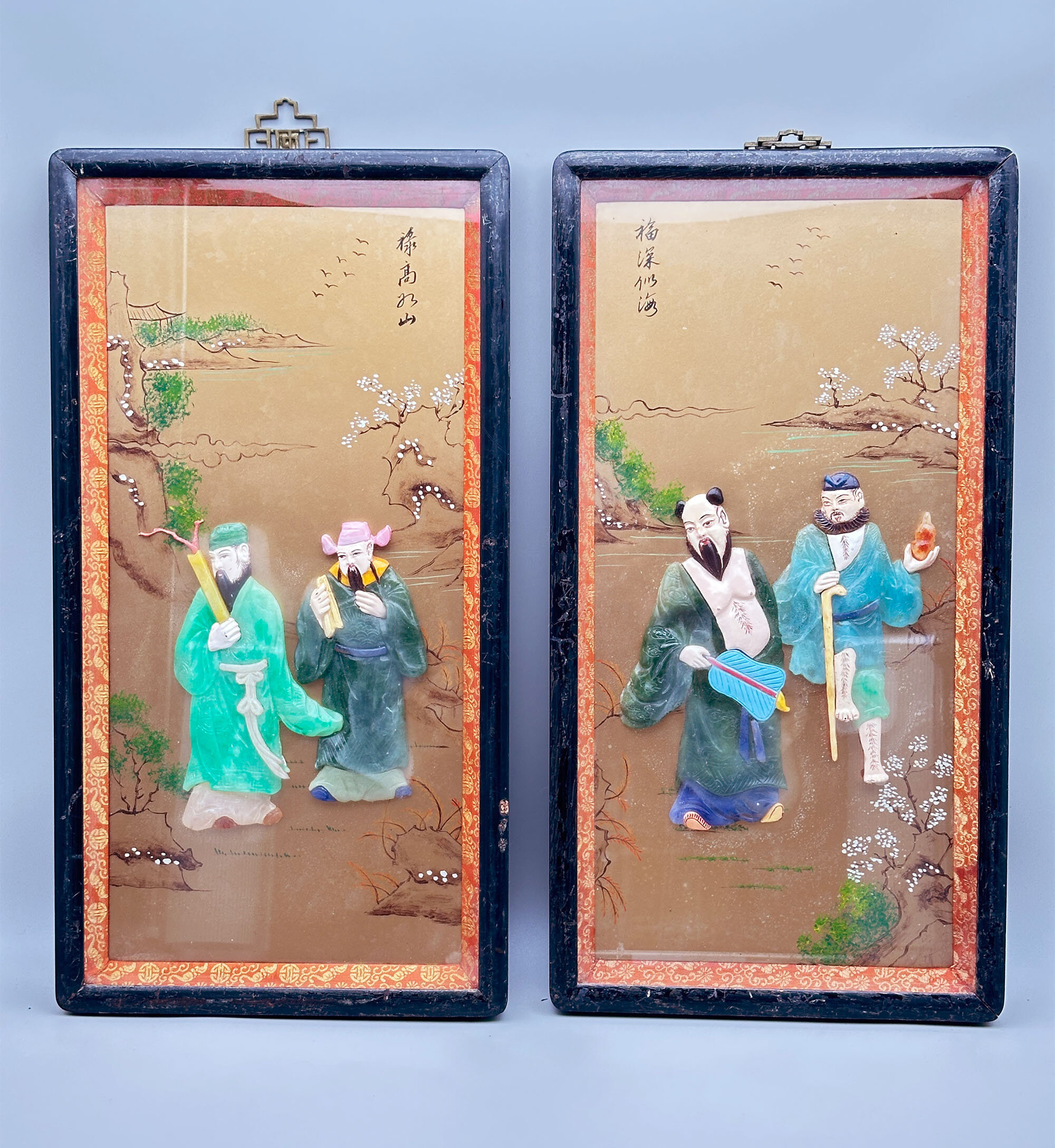
Pair of Chinese hardstone plaques, early C20th
Price: £95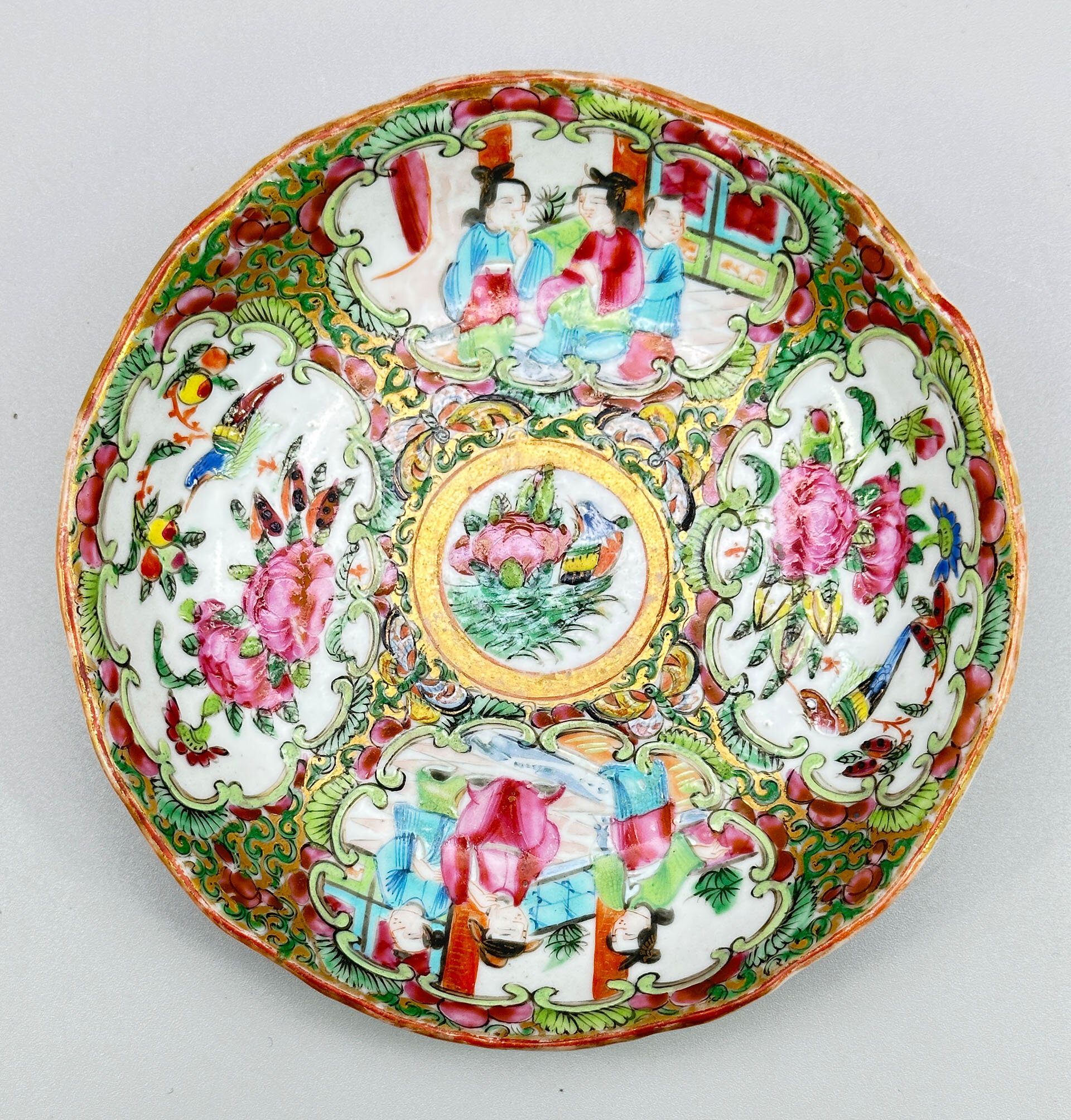
Chinese Rose Medallion Saucer circa 1860
Price: £45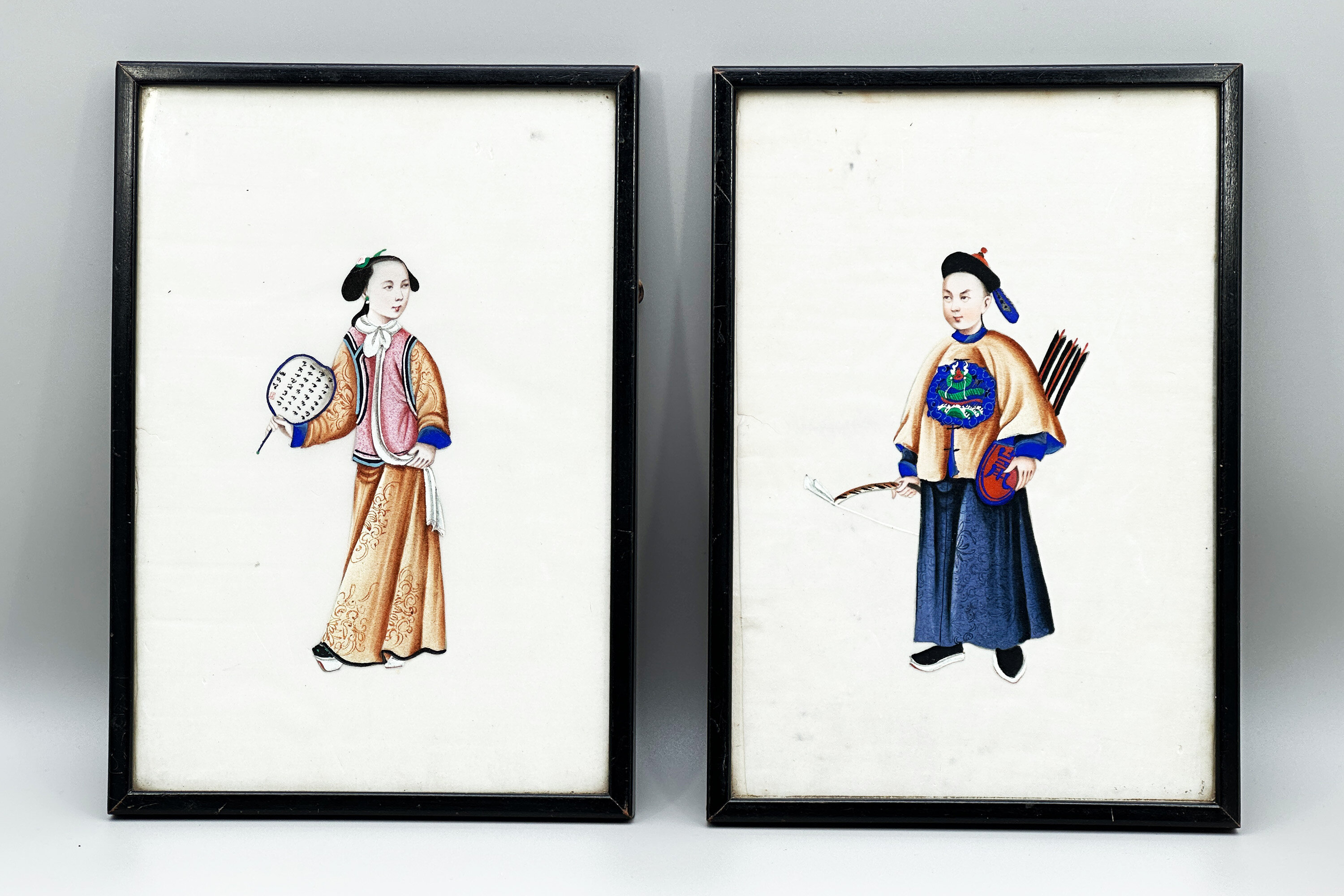
Pair of Chinese Paintings on rice paper, C19th, later framed
Price: £110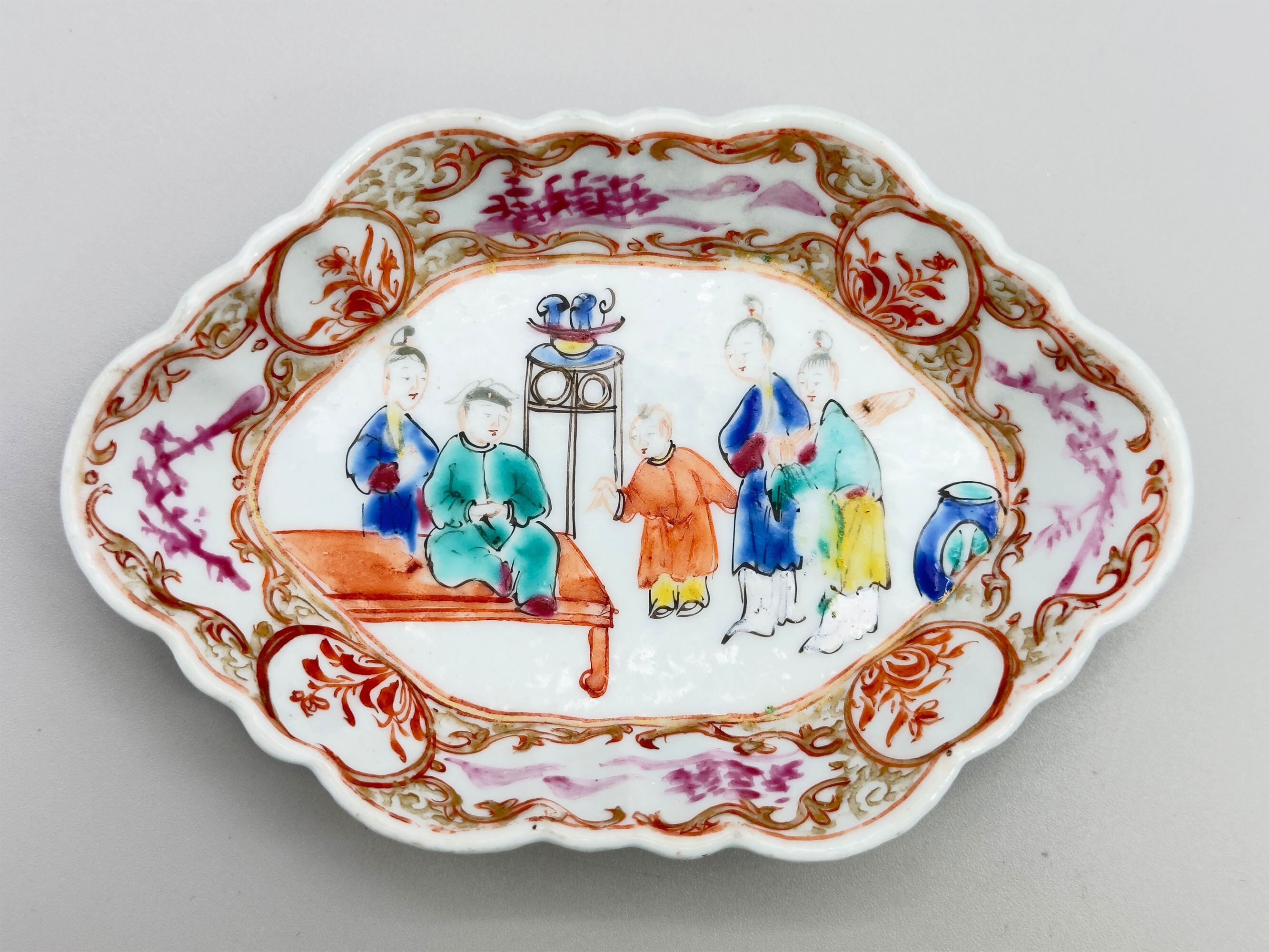
Chinese Mandarin Pattern Spoon Tray, Qianlong period circa 1760
Price: £350This piece comes from an original tea service which would have comprised a wide variety of objects decorated in the same pattern to include a teapot, cover and stand, a caddy and cover, a sugar bowl, a cream jug and cover, bowls and saucers and so forth. The form can be seen (along with a matching teapot stand) at Lunsingh Scheurleer, Chinese Export Porcelain pl 149. Dating is to the middle of the Qianlong period (1736-1795) around 1760. The quality of the decoration speaks for itself and this piece has survived intact with very little wear to the decoration.
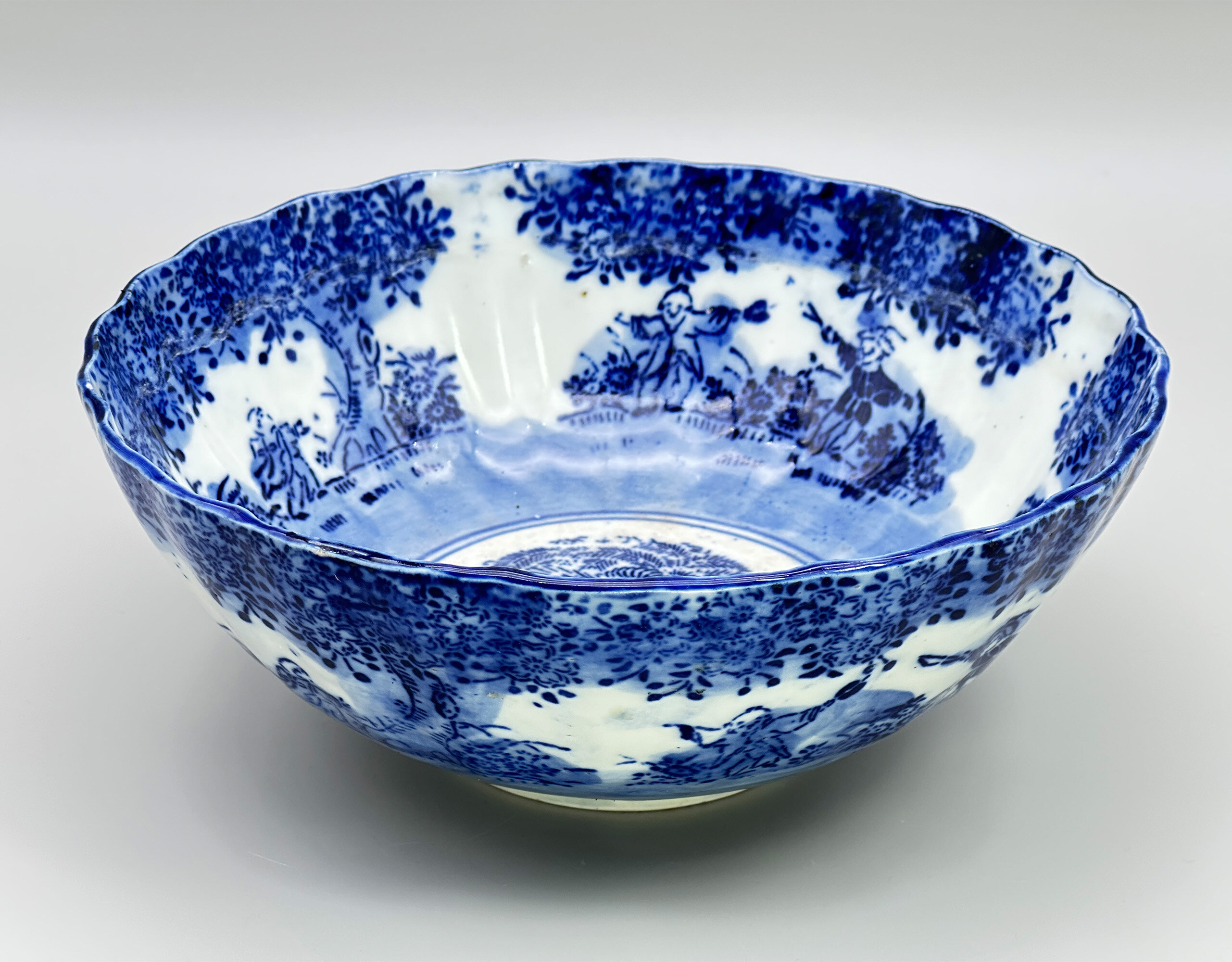
Japanese Arita blue and white stencil decorated Bowl, early C20th
Price: £45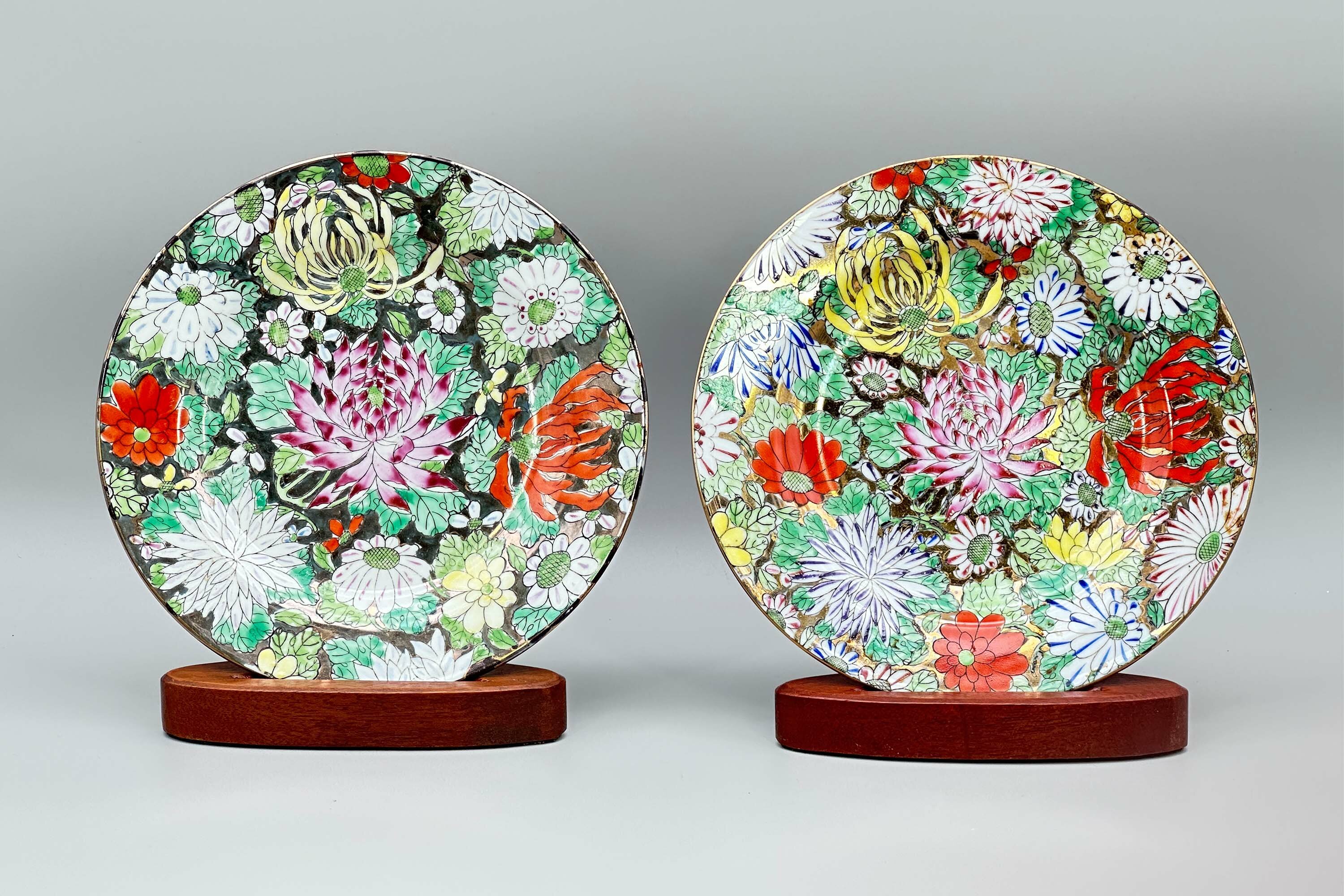
Two similar Chinese Mille Fleur pattern plates, mid C20th
Price: £55[Please note that the stands are not included with these items]