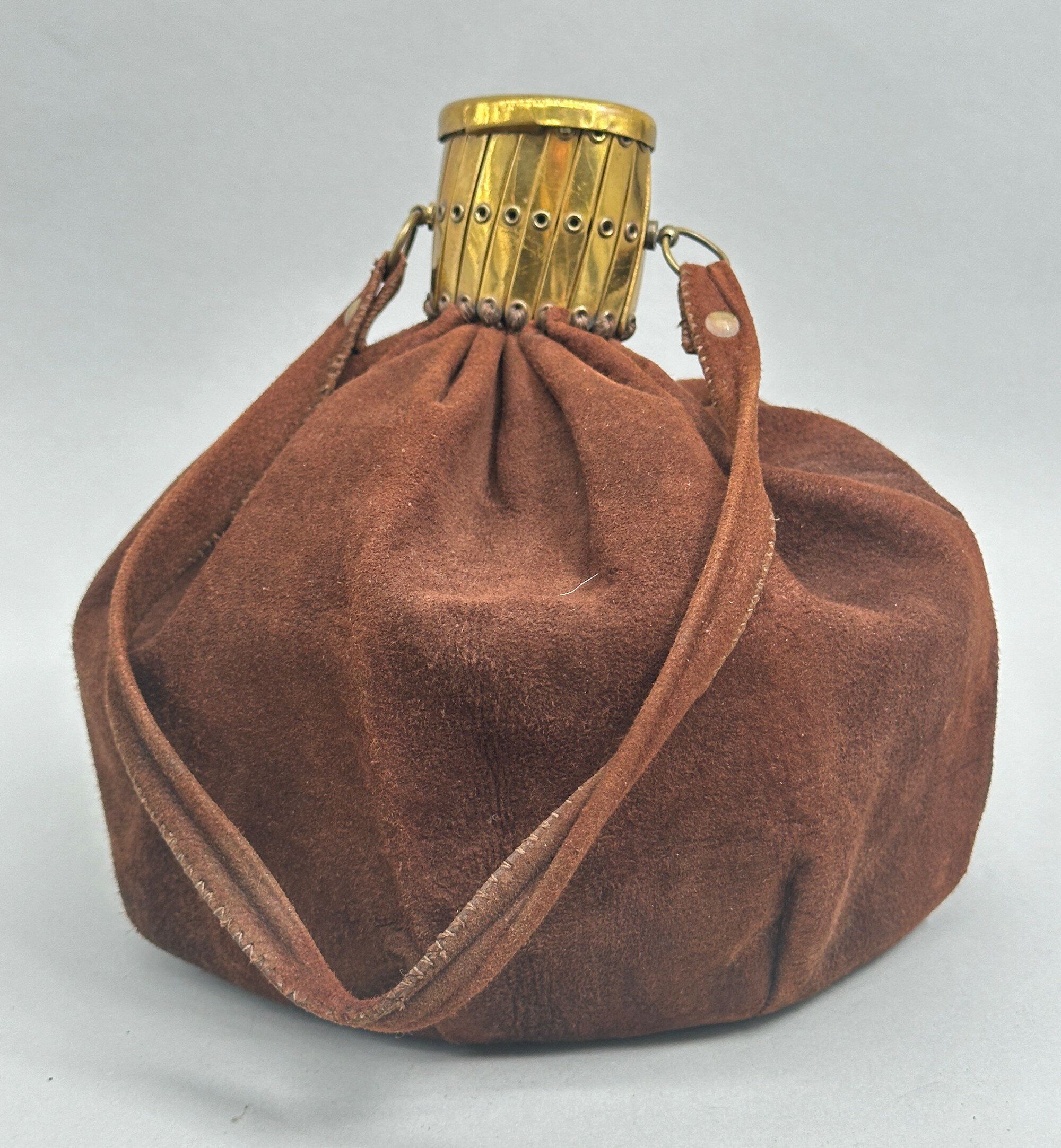
Large suede pouch bag with concertina opening c1930
Price: £65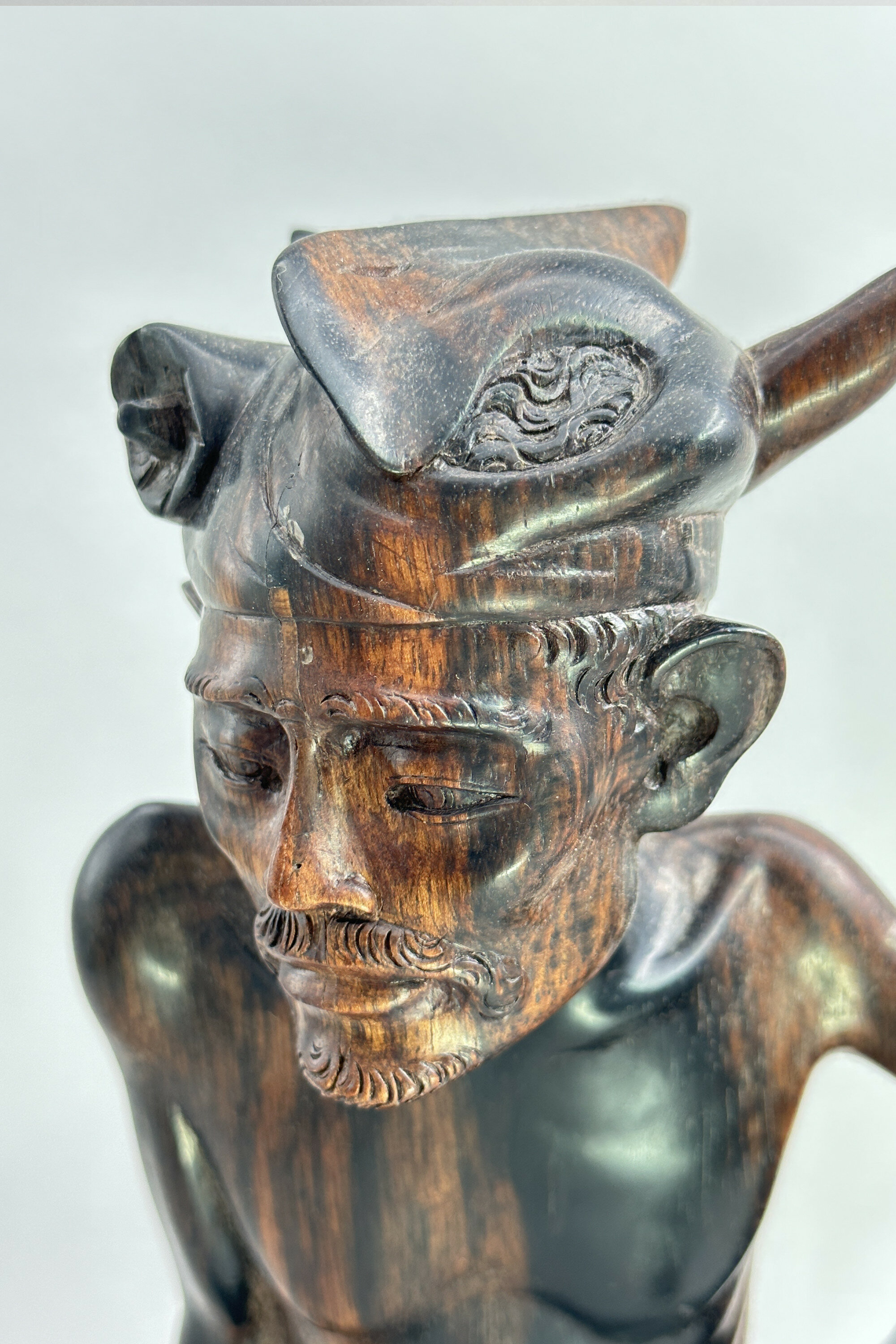
Vintage Carved wood figure of a seated Man, Bali, Indonesia, second half C20th
Price: £75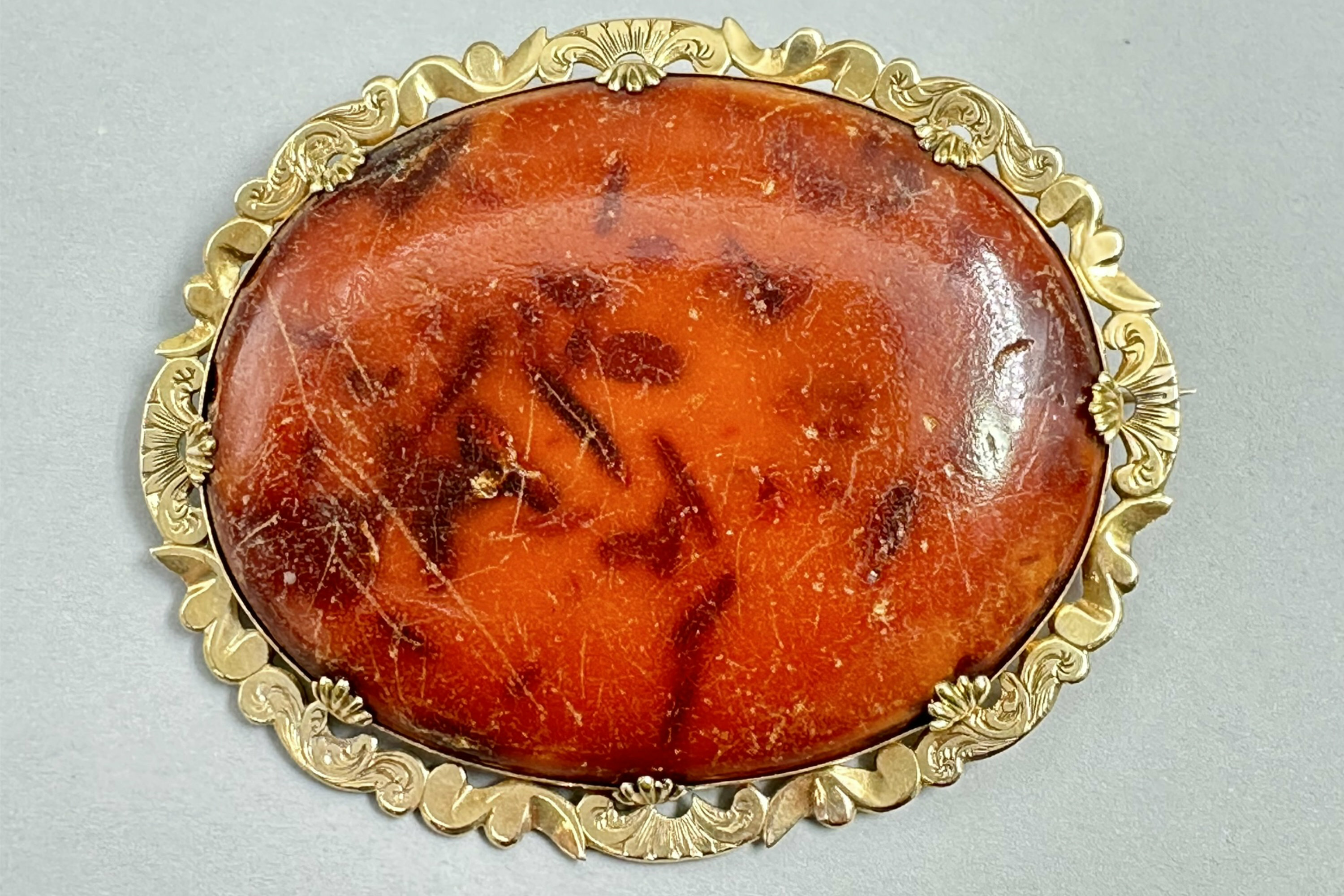
Victorian large 9ct gold brooch set with amber c1900
Price: £200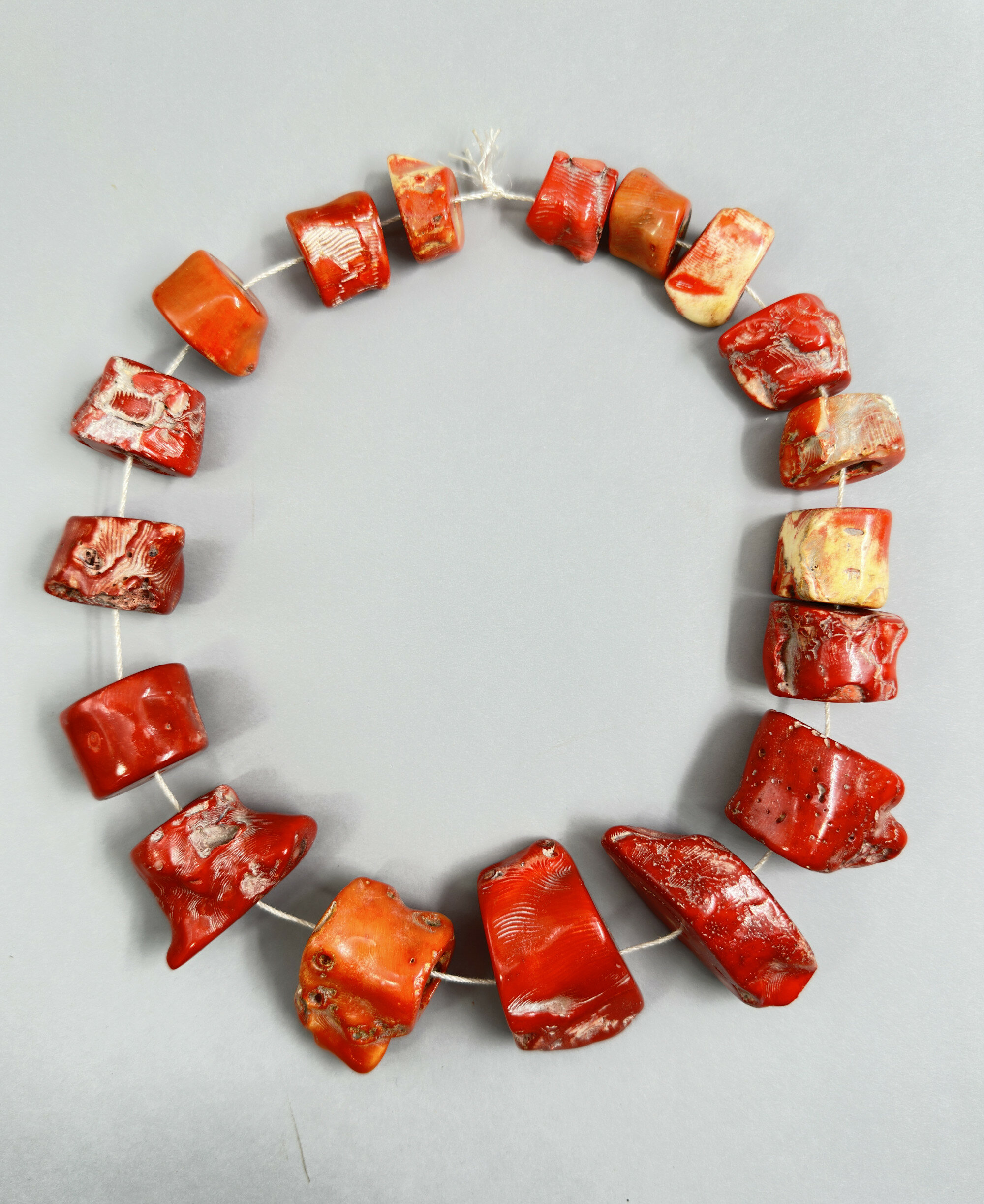
Massive natural coral beads
Price: £175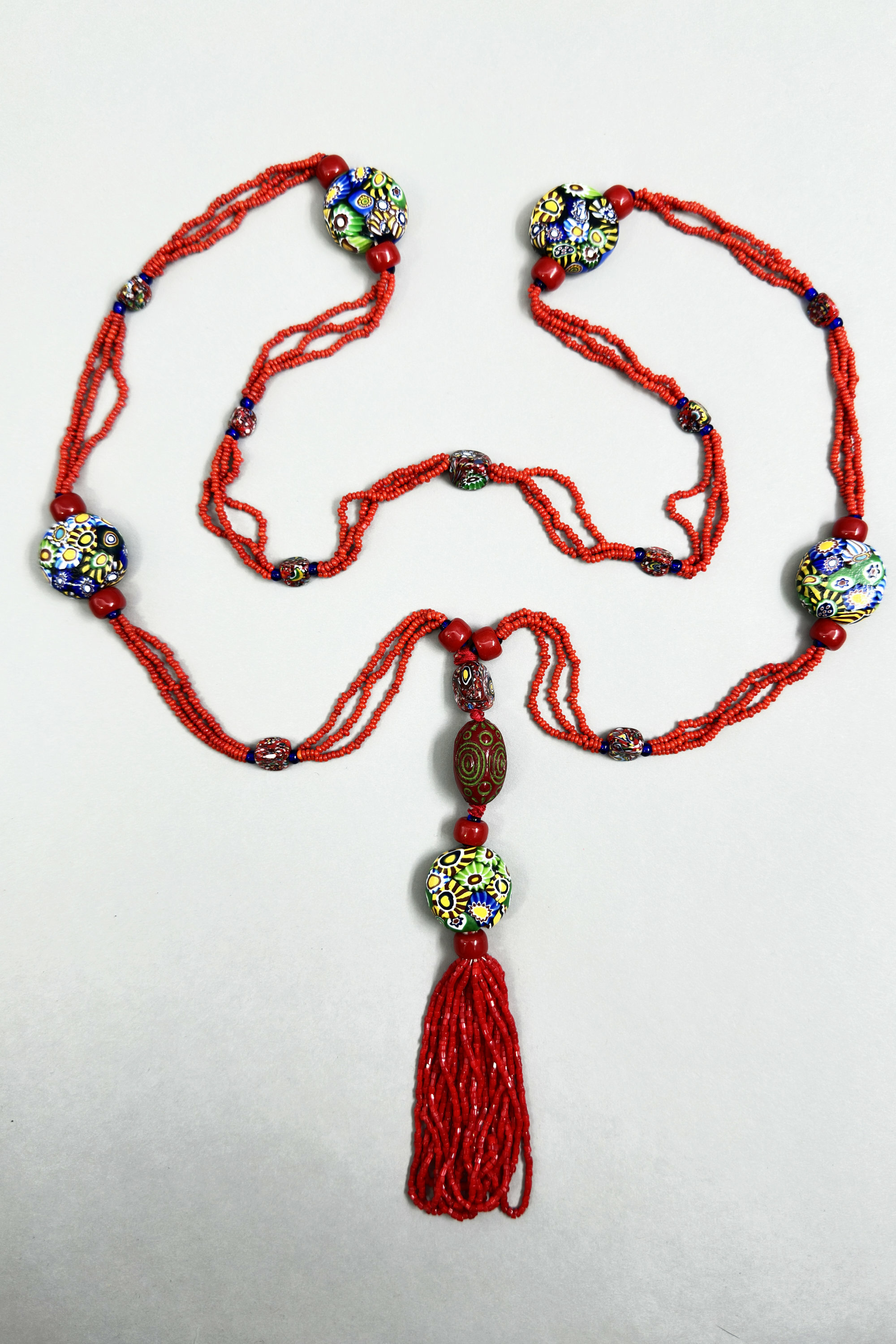
Mille fiore bead flapper necklace c1930
Price: £95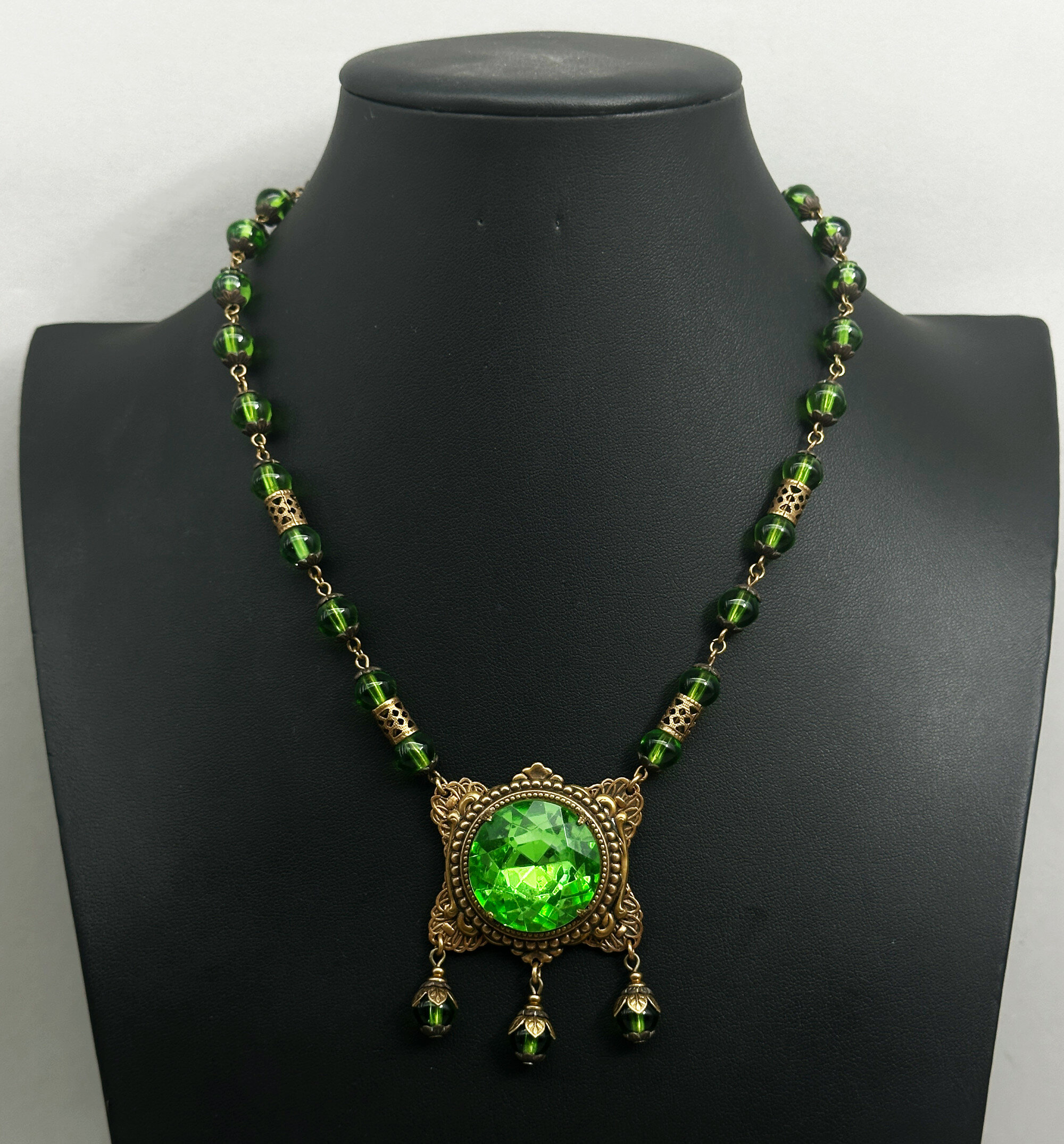
Art Deco necklace with large green glass pendant 1930s
Price: £85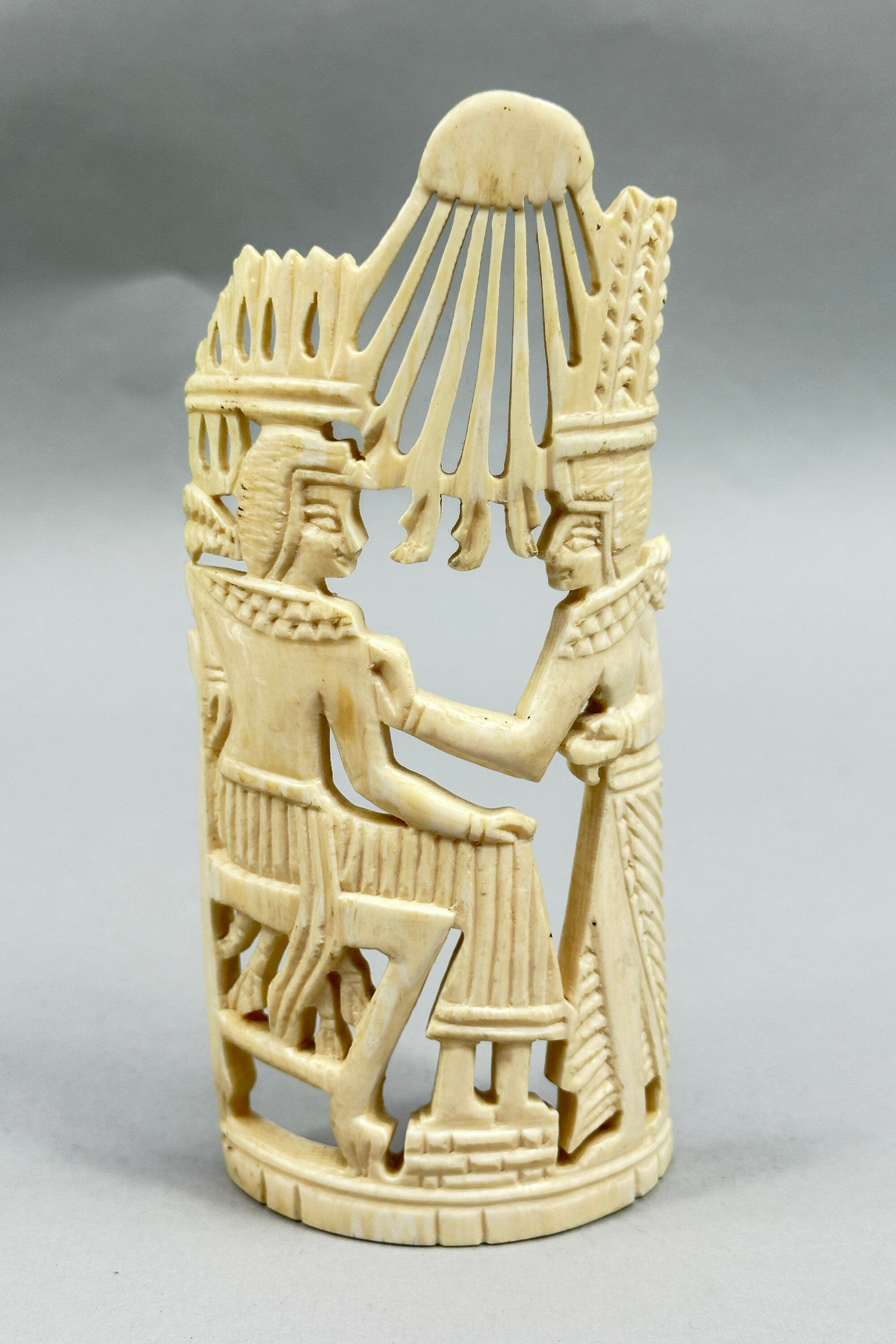
Egyptian table decoration depicting a Pharoah and Attendant, c1940
Price: £45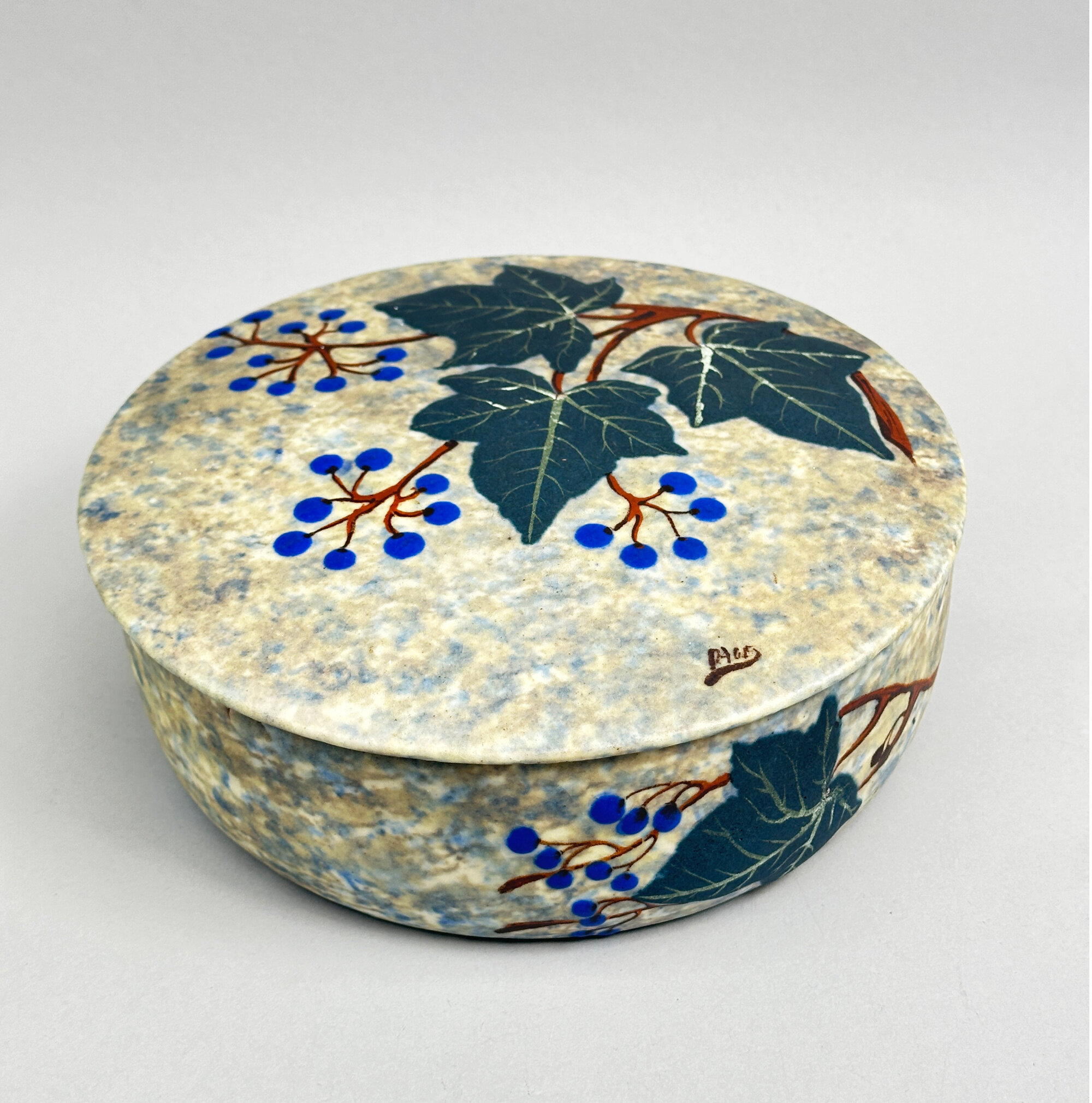
Art Deco style Ceramic Bowl and Cover by Louis Dage (1885-1961), early/mid C20th
Price: £180……………………………………………………………………………………....................................................................................……
Born in 1885 at Lille, France, Louis Dage was early known as a ceramics artist, describing himself on the birth registration of his daughter in 1906 as a ‘decorator on faience’. In 1920 he joined with Louis Fontinelle (1886-1964) to create a faience factory in Antony, near Paris, but the venture was short lived and they parted company two years later. In 1930, Dage set up his own studio at Saint-Sever in company with his brother and daughter becoming managing director of the firm three years later. There then followed a little over thirty years of production under his direction until his death in 1961. Art Deco designs with their simple lines and bold decoration were produced initially to be followed by pieces of more rugged shapes and patterns, partly resulting from the shortage of conventional raw materials during the second world war.
This bowl and cover represents the best of Dage’s earlier work. The base has straight sides curving in slightly towards the base and has a flush fitting flat and gently domed cover overhanging slightly at the edge. The piece is covered overall with a mottled glaze in tones of blue and light aubergine on which are painted maple leaves in green with bright blue berries, a design which can be found on some of Dage’s other pieces (see image 13). The lid carries his signature ‘DAGE’ with a flowing line underneath, a much less common version of the Dage mark but which can be found elsewhere (see image 14). More normally pieces are signed ‘L.Dage’, the name being in lower case rather than capitals.Form and decoration combine to produce a striking object, characteristic of the fashions of the time of its production and a worthy tribute to its maker.
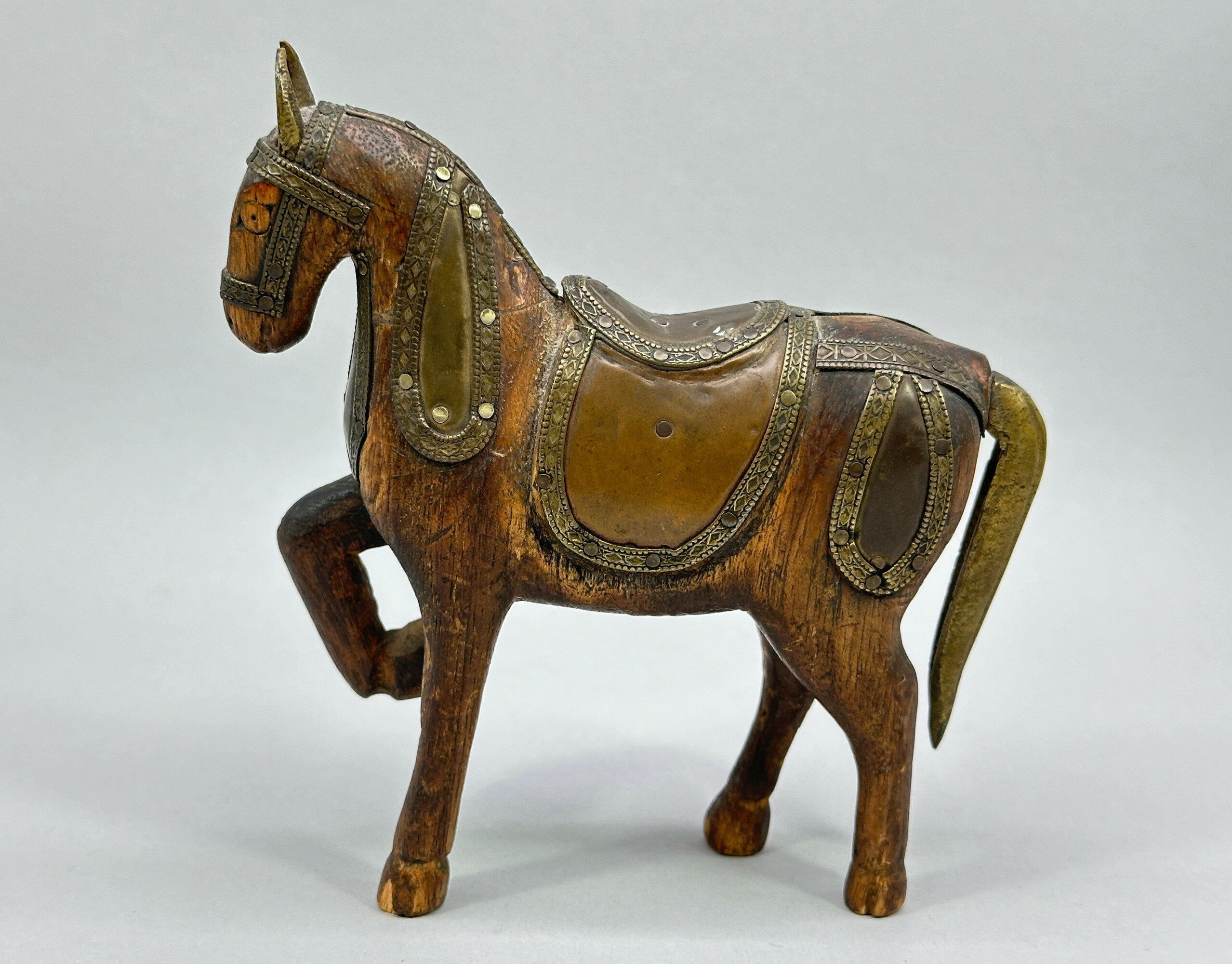
Indian wooden toy model of a Horse with metal fitments, early C20th
Price: £25
Vintage Carved wood figure of a seated Man, Bali, Indonesia, second half C20th
Price: £75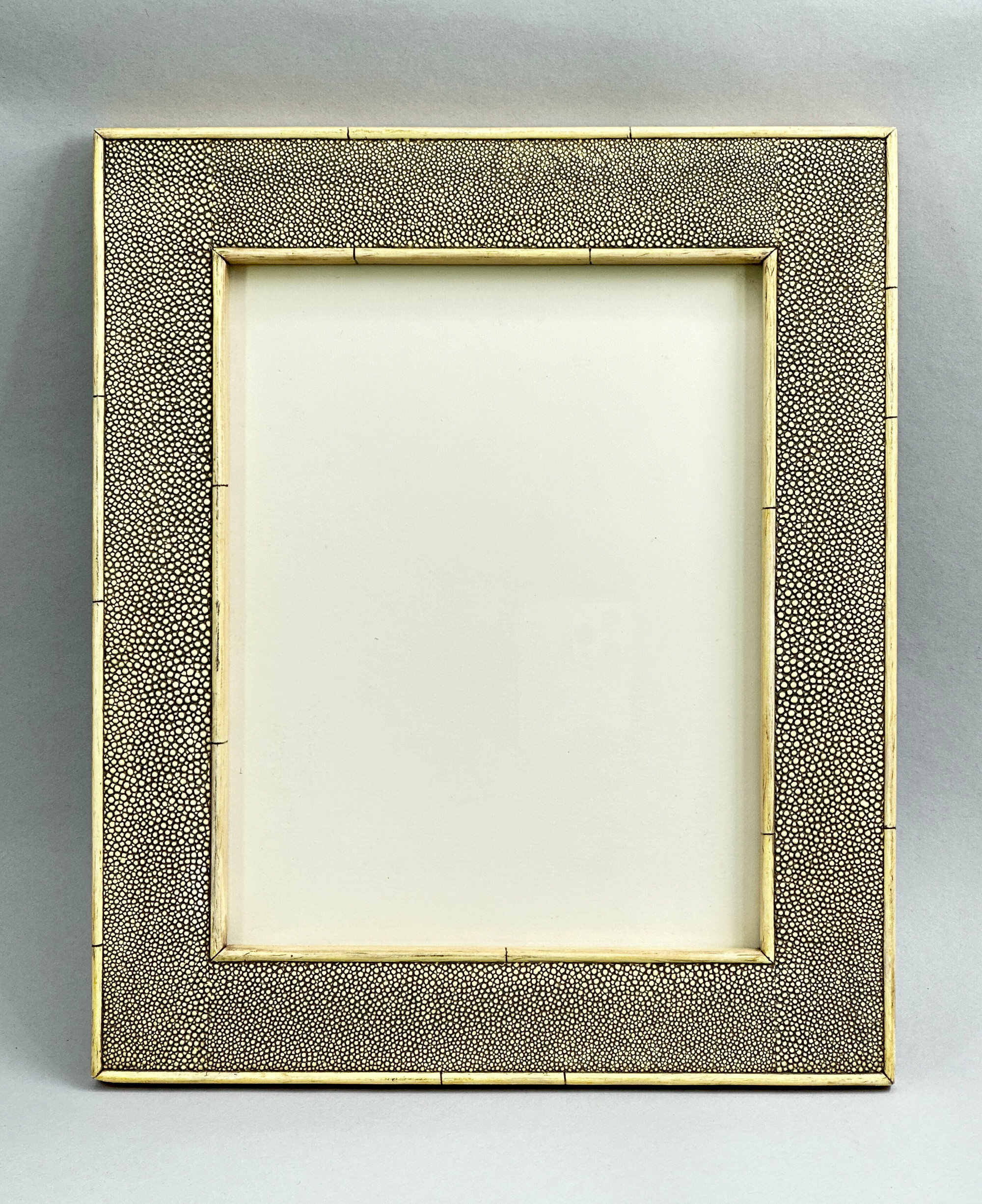
Art Deco Shagreen Picture Frame, 1930s
Price: £110Shagreen is a natural hide, typically from shark, stingray or dogfish, worked through special processes to produce a granular surface effect. Known in China and Japan from the earliest times and popular in Europe in the eighteenth century Shagreen enjoyed its greatest popularity in the Art Deco period where it was used as a covering for writing desks and well-dressed cabinetry and smaller items such as the picture frame we have here. The clean lines of this piece and the palette of colours employed fit exactly with the ethos of the Art Deco period and a dating to the 1930s is extremely likely. A luxury item at the time it could be used now to provide enhanced presentation of a favourite image adding to it a hint of true elegance.
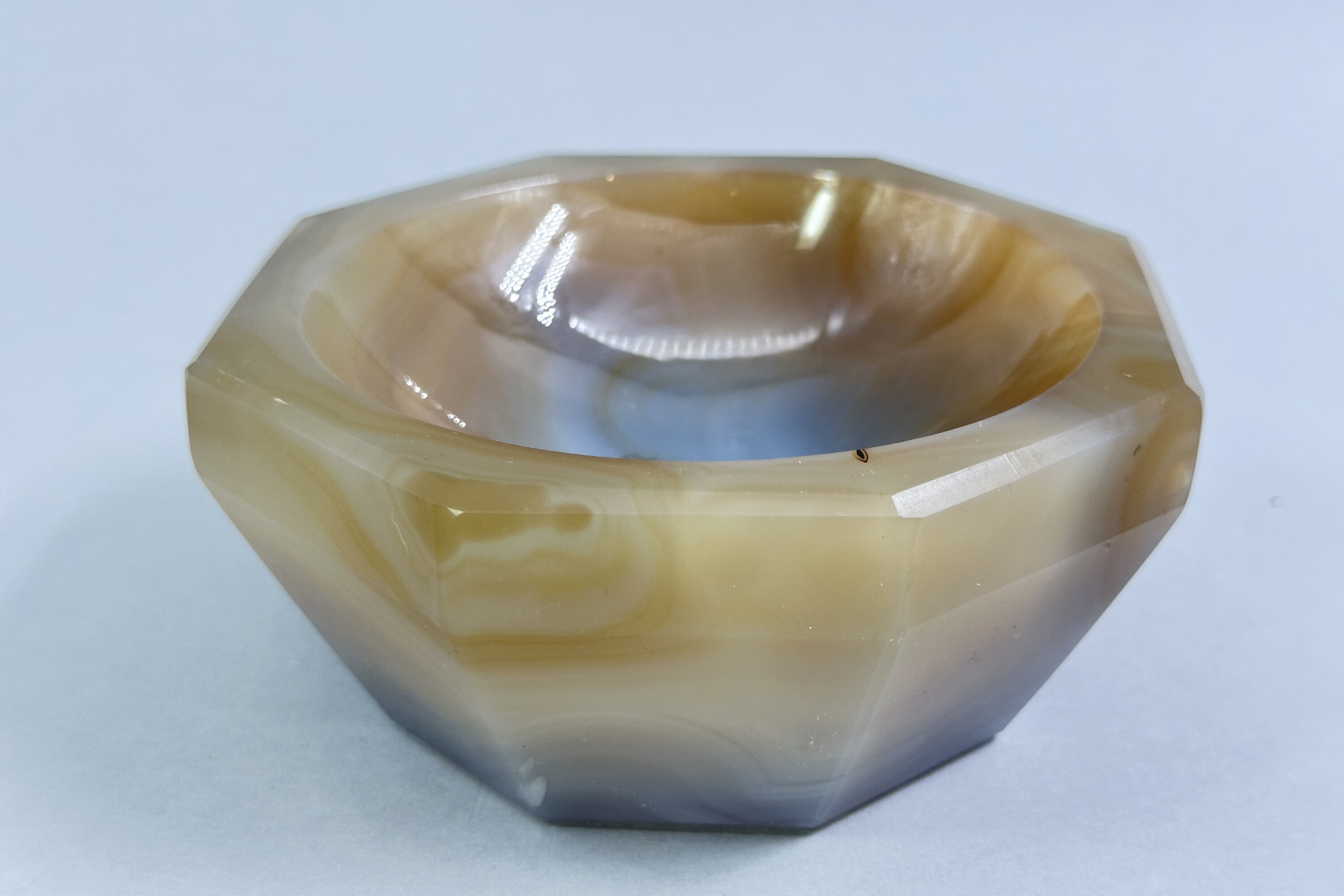
Octagonal Agate Mortar Bowl, C20th
Price: £25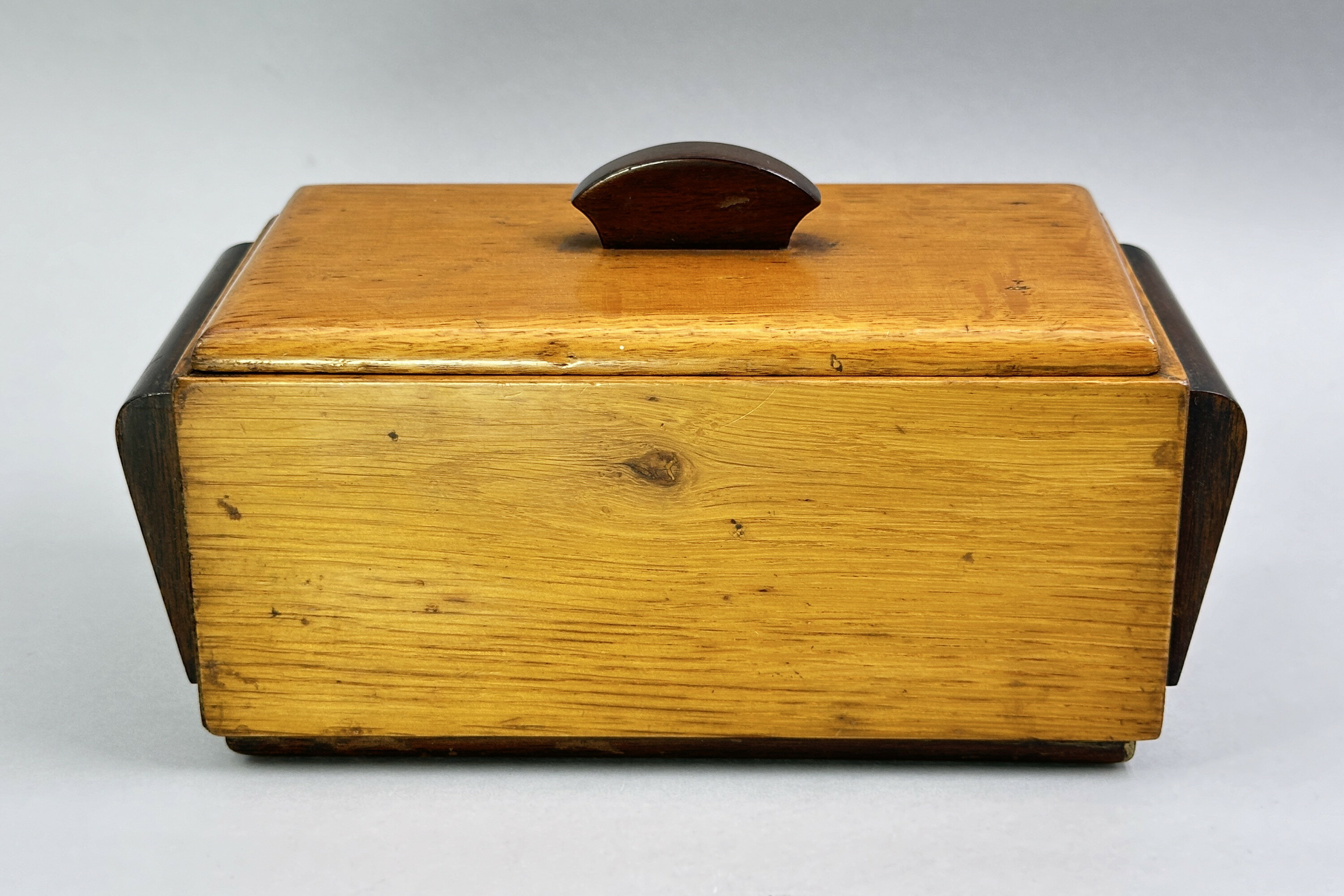
Art Deco Wooden Cigarette Box, 1930s
Price: £25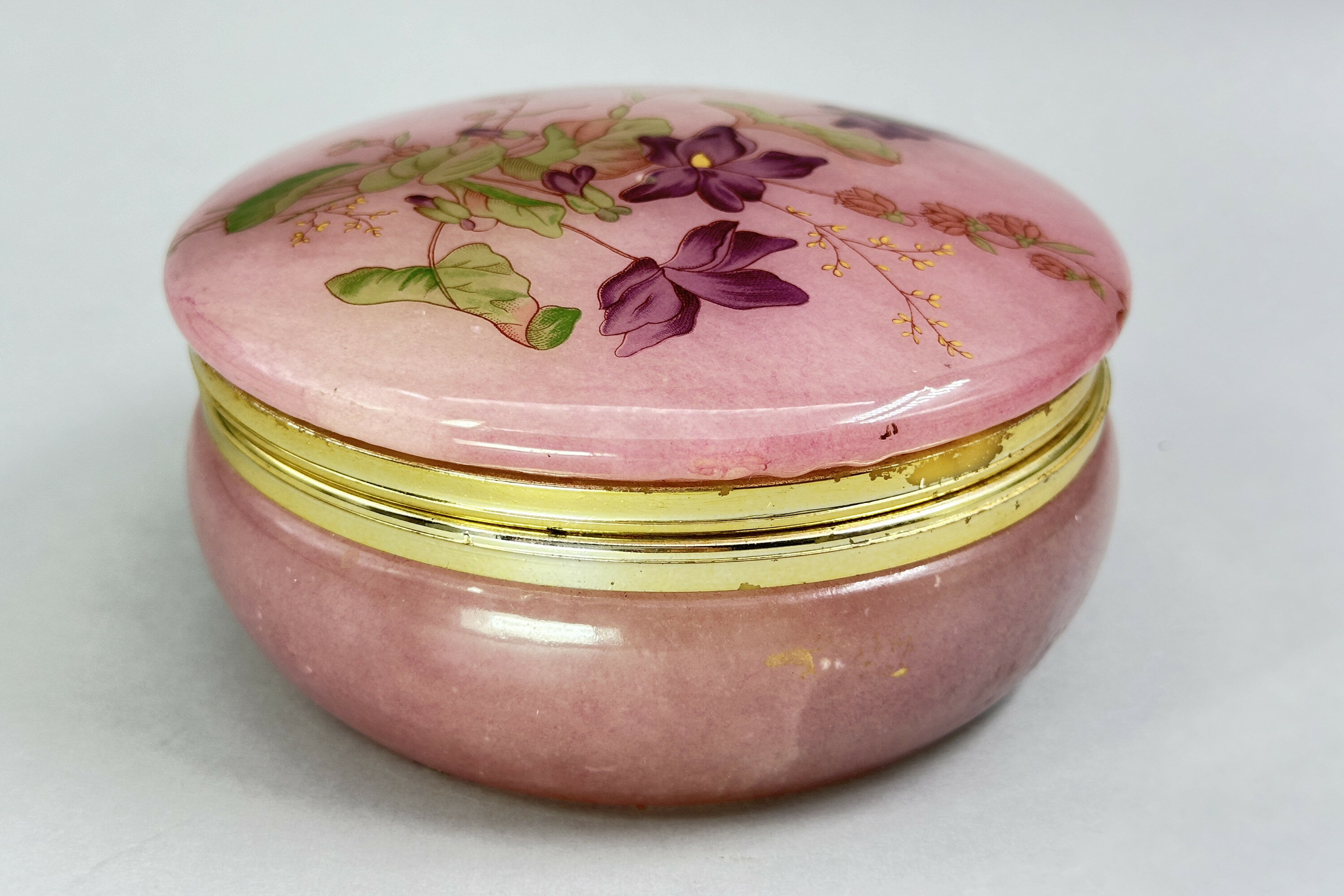
Pink Alabaster Box and Cover, Italy late c20th
Price: £25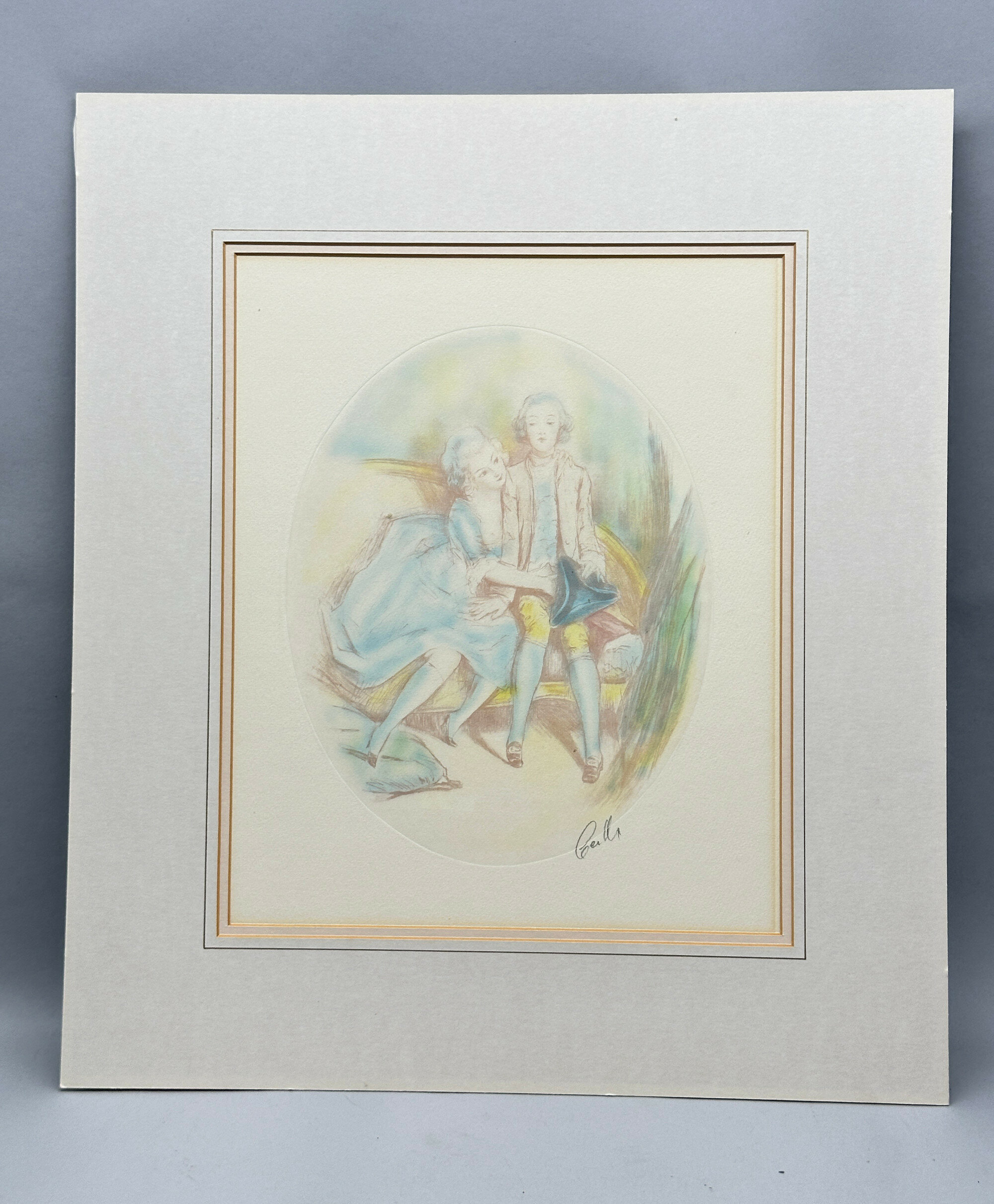
Mounted aquatint engraving of a Courting Couple, signed, probably French C20th
Price: £45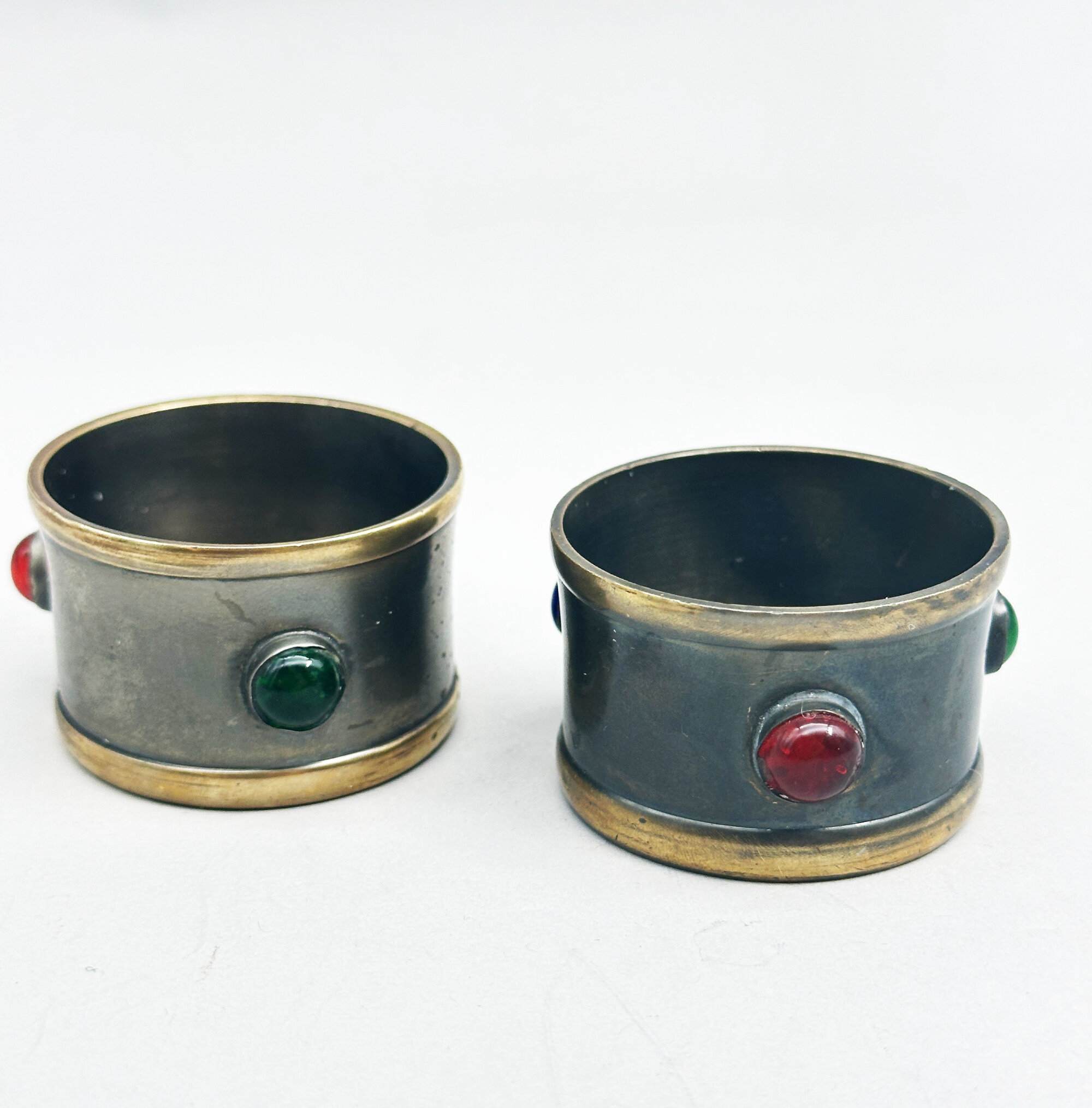
Pair of Arts and Crafts Pewter Salts, early C20th
Price: £45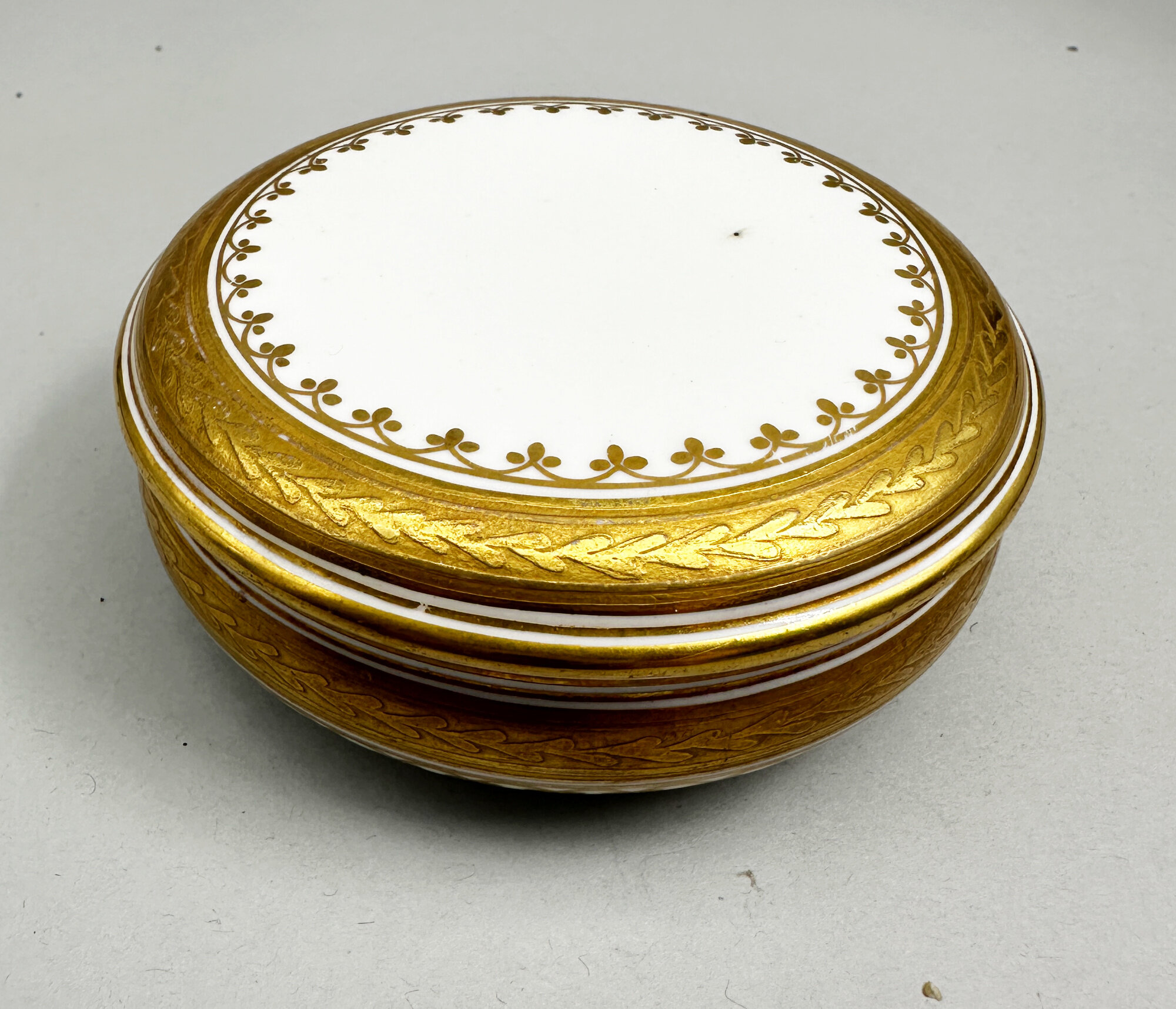
Gilt decorated English porcelain powder box and cover, probably mid C20th
Price: £15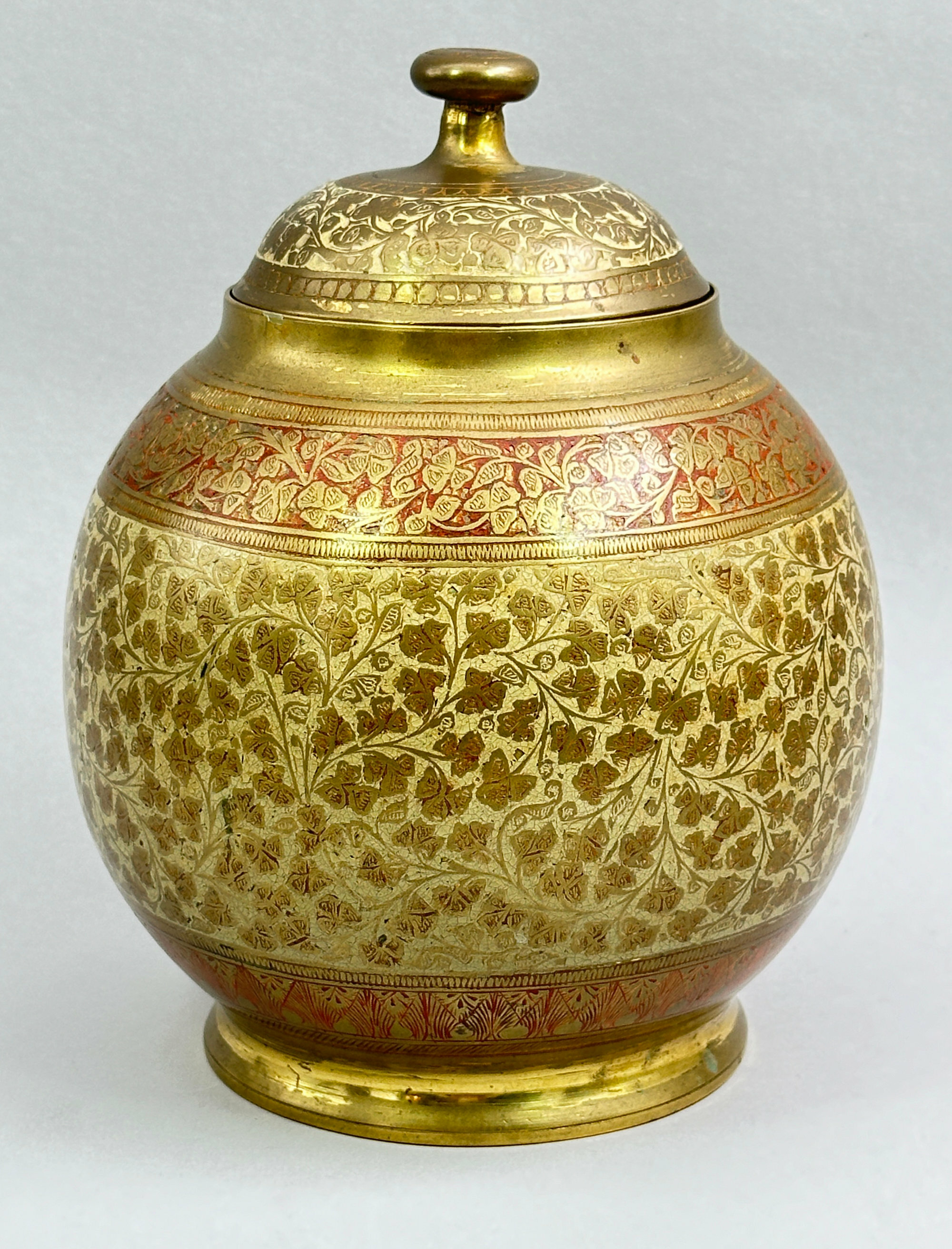
Indian Brass Potiche and Cover, early C20th
Price: £35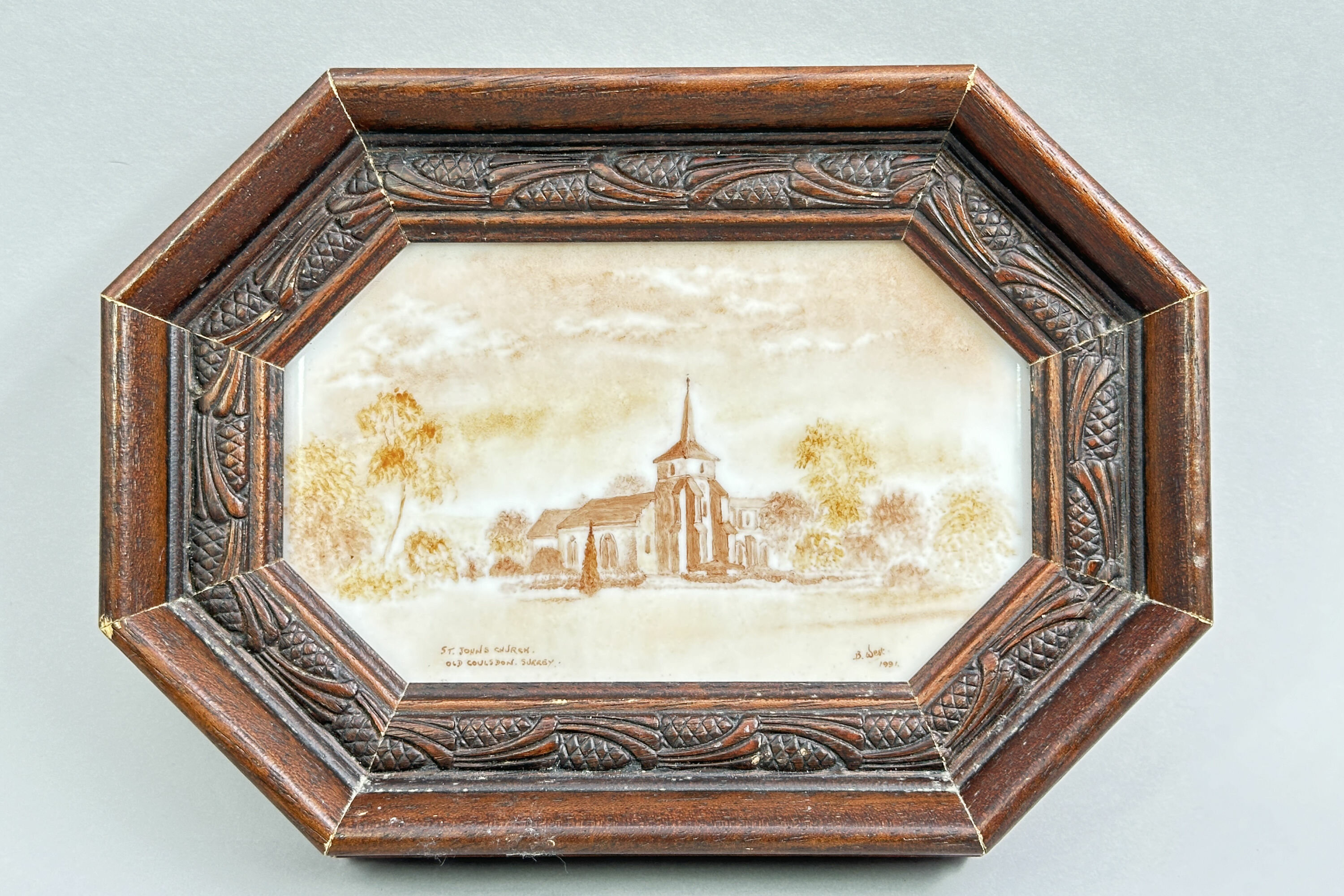
Framed Ceramic Plaque depicting St John’s Church, Old Coulsdon, late C20th
Price: £25
Chinese Fan, painting on silk, 1960s
Price: £15
Two Chinese Fans, painting on silk, 1960s
Price: £15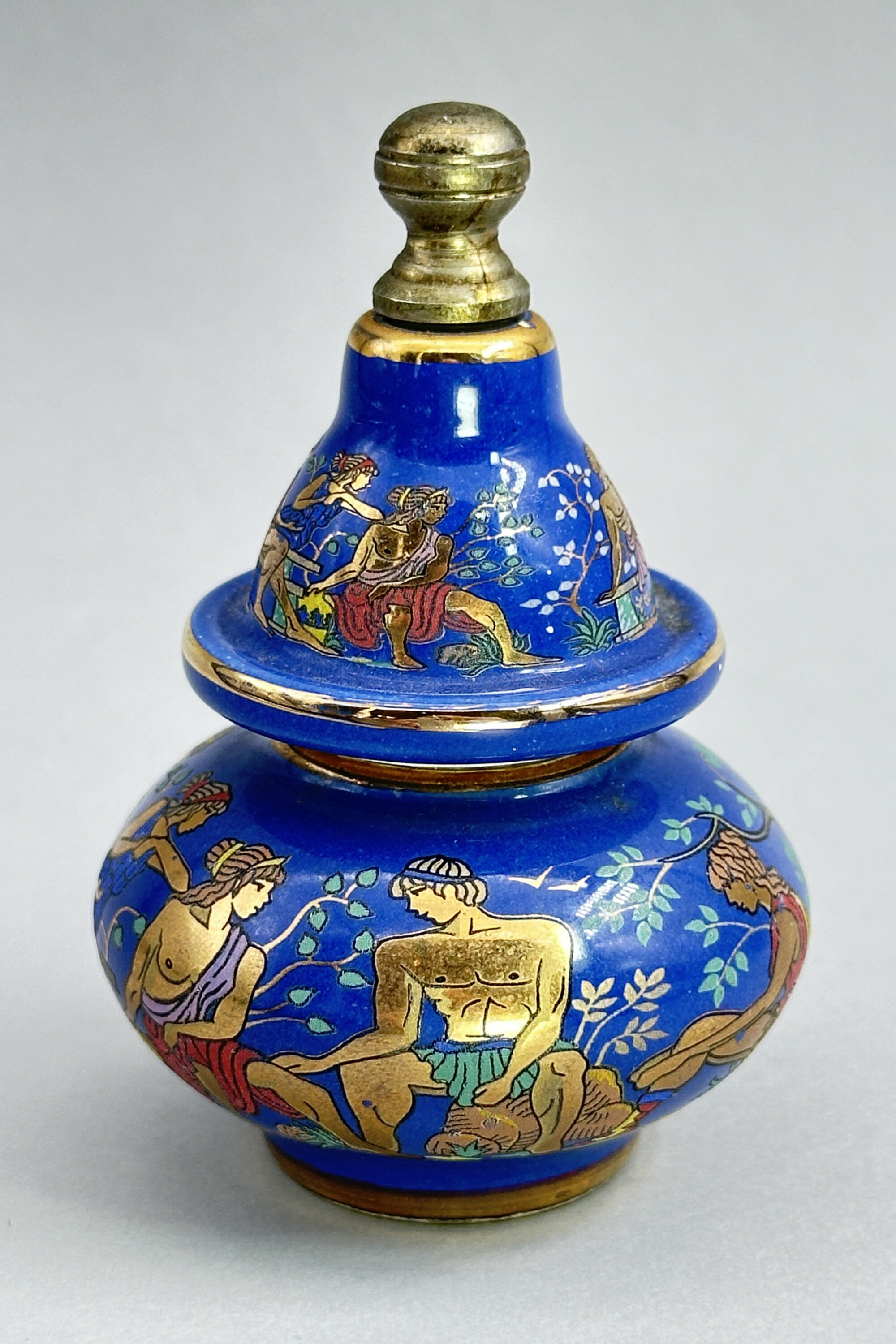
Novelty Perfume Bottle with Grecian Scenes, late C20th
Price: £15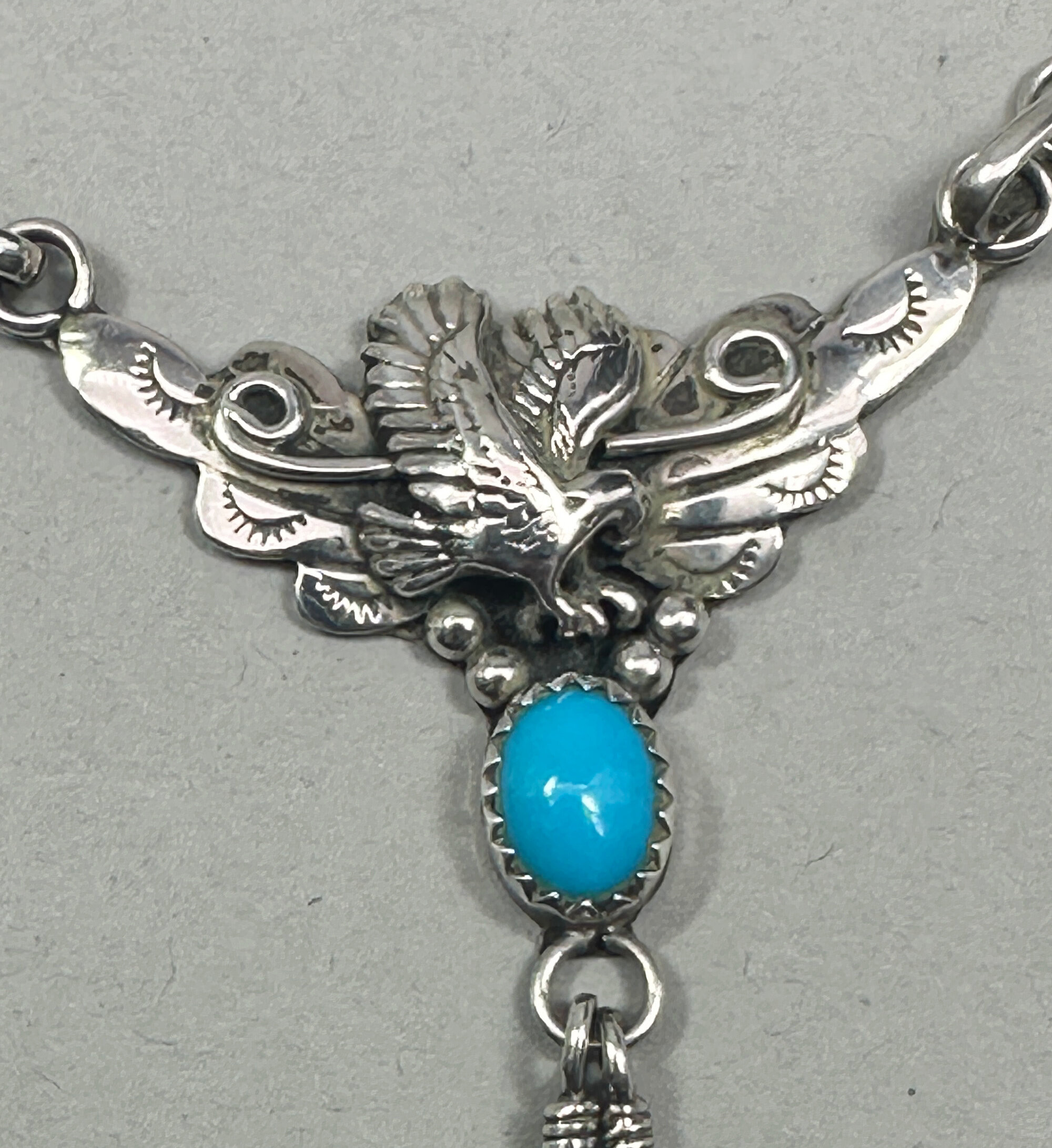
Navajo suite of Necklace and Earrings set with sleeping beauty turquoise, 1990s
Price: £250The Navajo are a Native American people of the Southwestern United States with the largest reservation in the country, mainly concentrated in Arizona and New Mexico. Their silverwork, which they began to produce in the late C19th, came to enjoy great popularity and often employed the use of turquoise. This matching suite is an excellent example of their work. The necklace is marked ‘Sterling’ for 925 silver and the same material would have been used throughout, providing a perfect backdrop to the ‘sleeping beauties’.
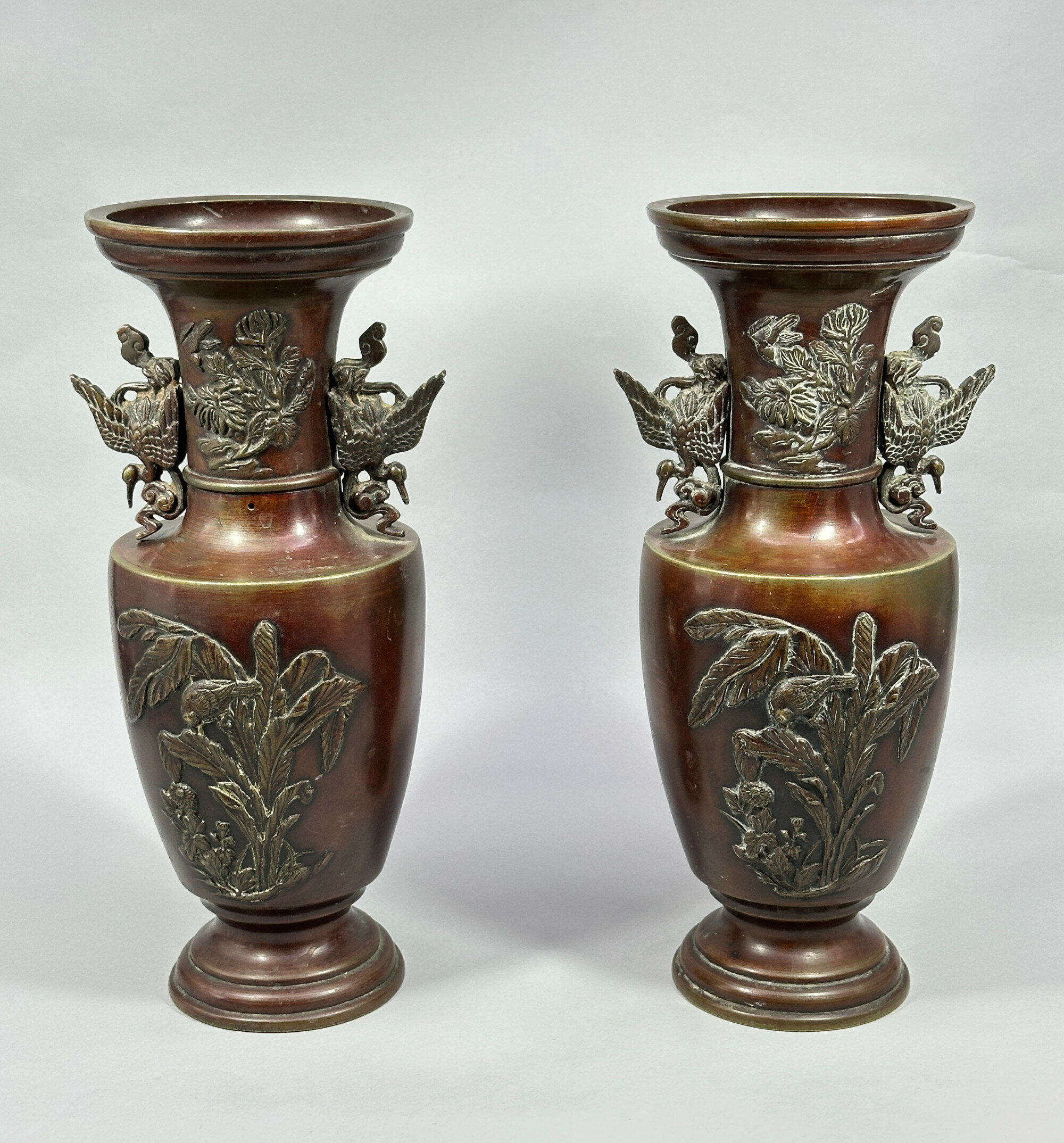
Pair of fine quality Japanese Bronze Vases decorated birds, circa 1880
Price: £220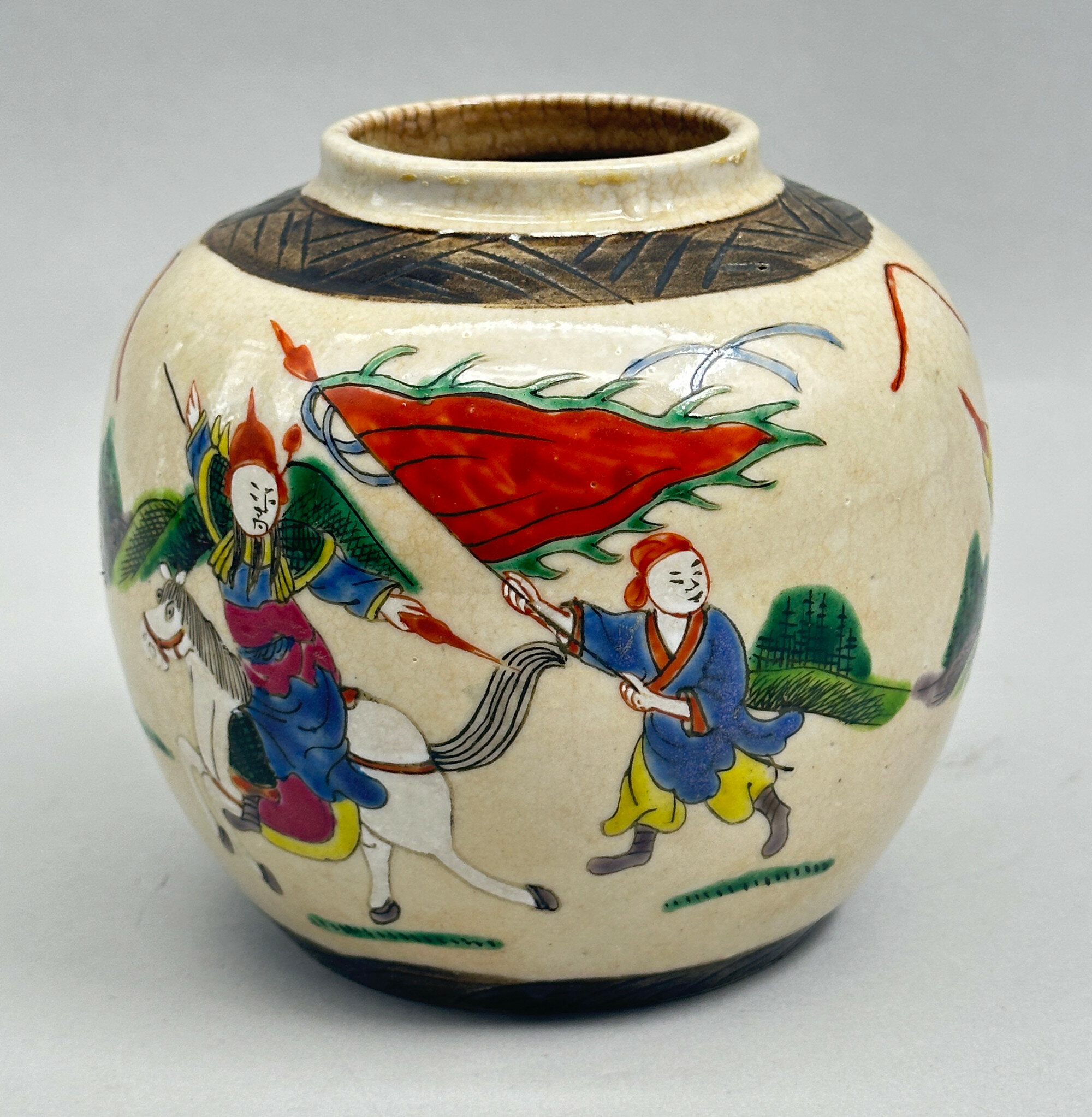
Chinese Crackleware Ginger Jar decorated with Warriors circa 1900
Price: £25'Crackleware' glazed pieces, usually with 'bronzed’ bands, were a staple output of the Chinese potteries from the mid nineteenth century onwards and were produced in a wide variety of mainly vase shape forms, both in polychrome and blue and white and intended as decorative pieces for the Victorian rooms of the West. As with other ceramic types, the quality deteriorated and this piece is typical of the late productions with a more modest level of craftsmanship but still retaining a naif charm. As with many ginger jars, this one lacks its original domed cover which would have been decorated to match.
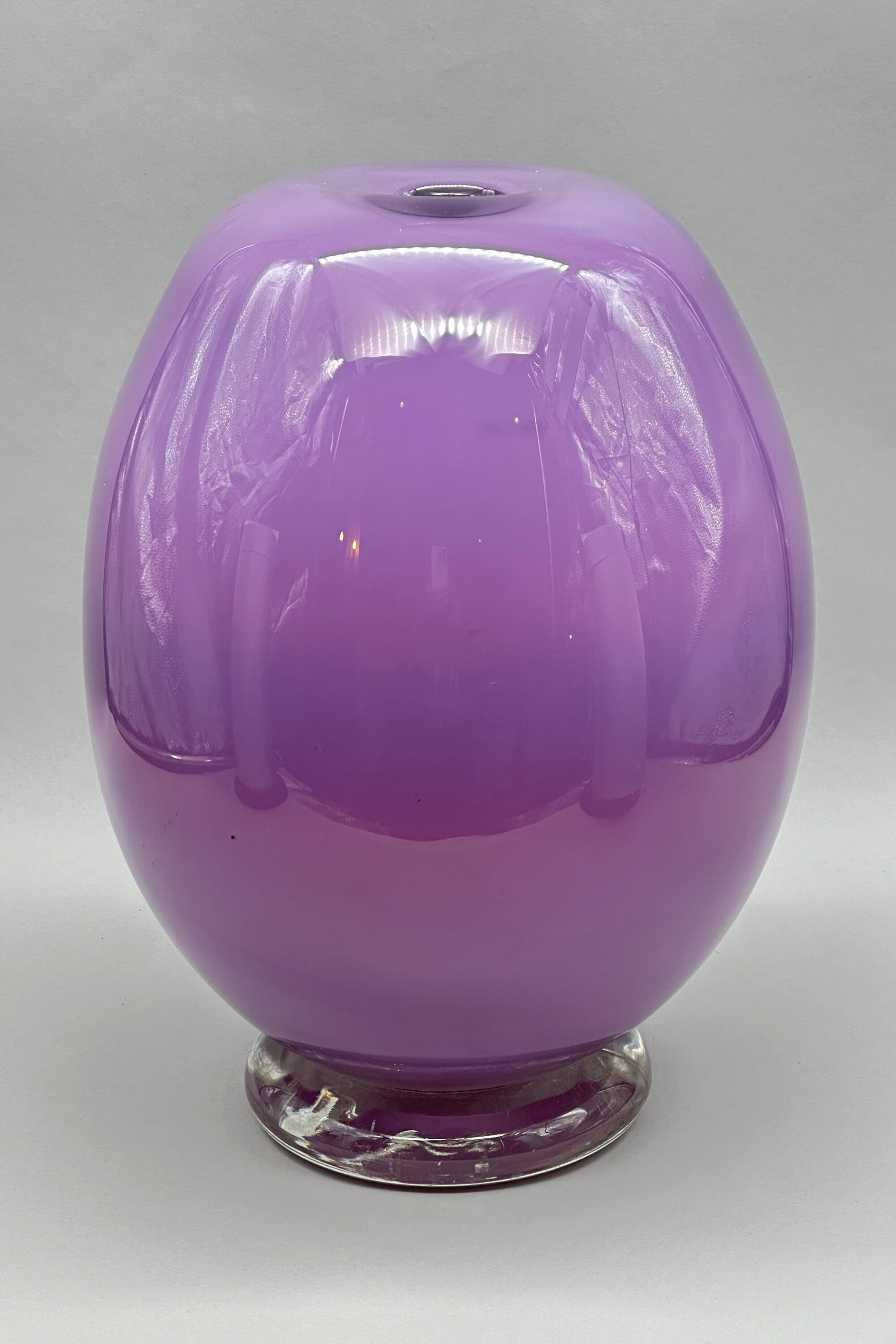
Purple Art Glass Vase by Anthony Stern, late C20th
Price: £150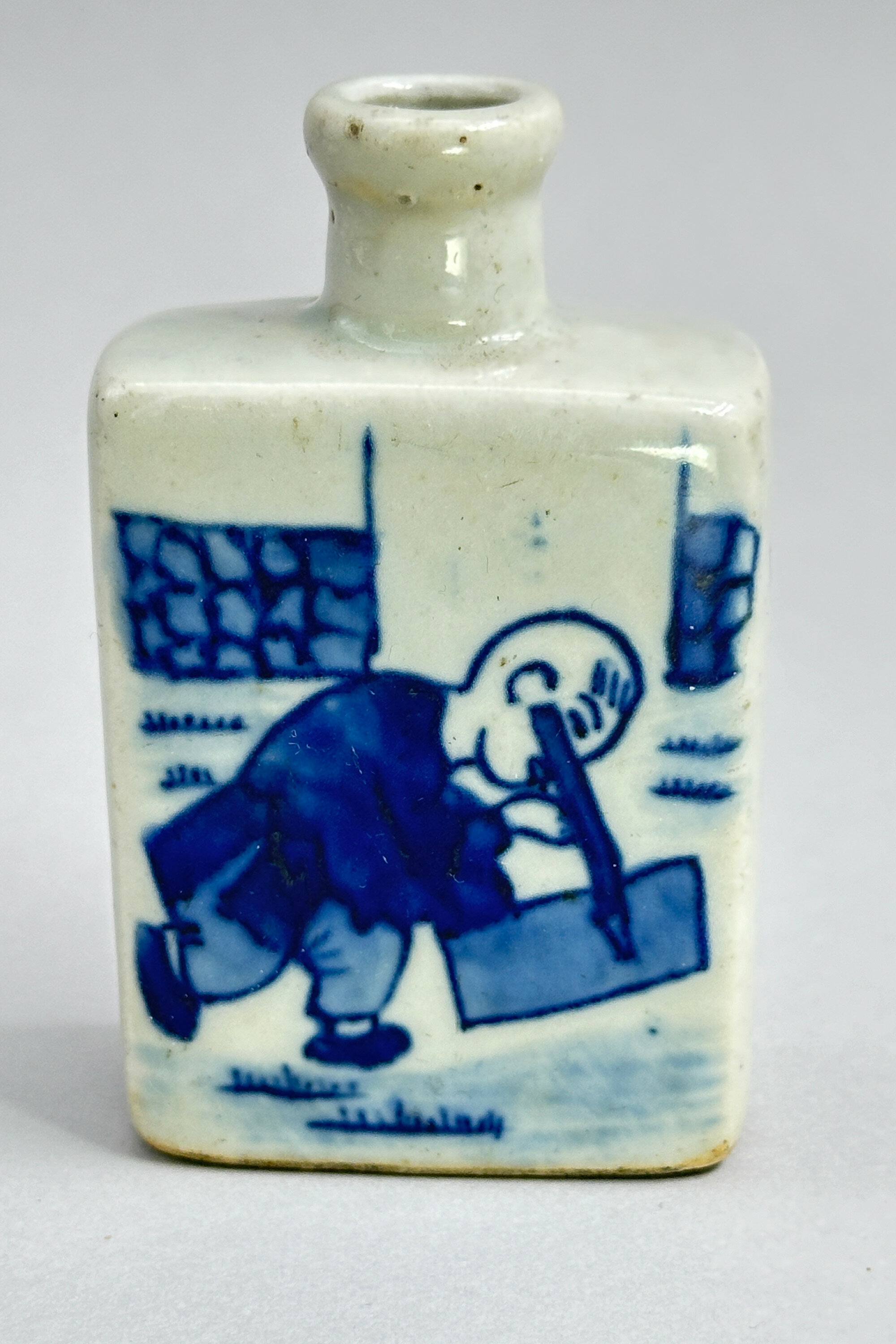
Chinese Blue and White Snuff Bottle circa 1900
Price: £45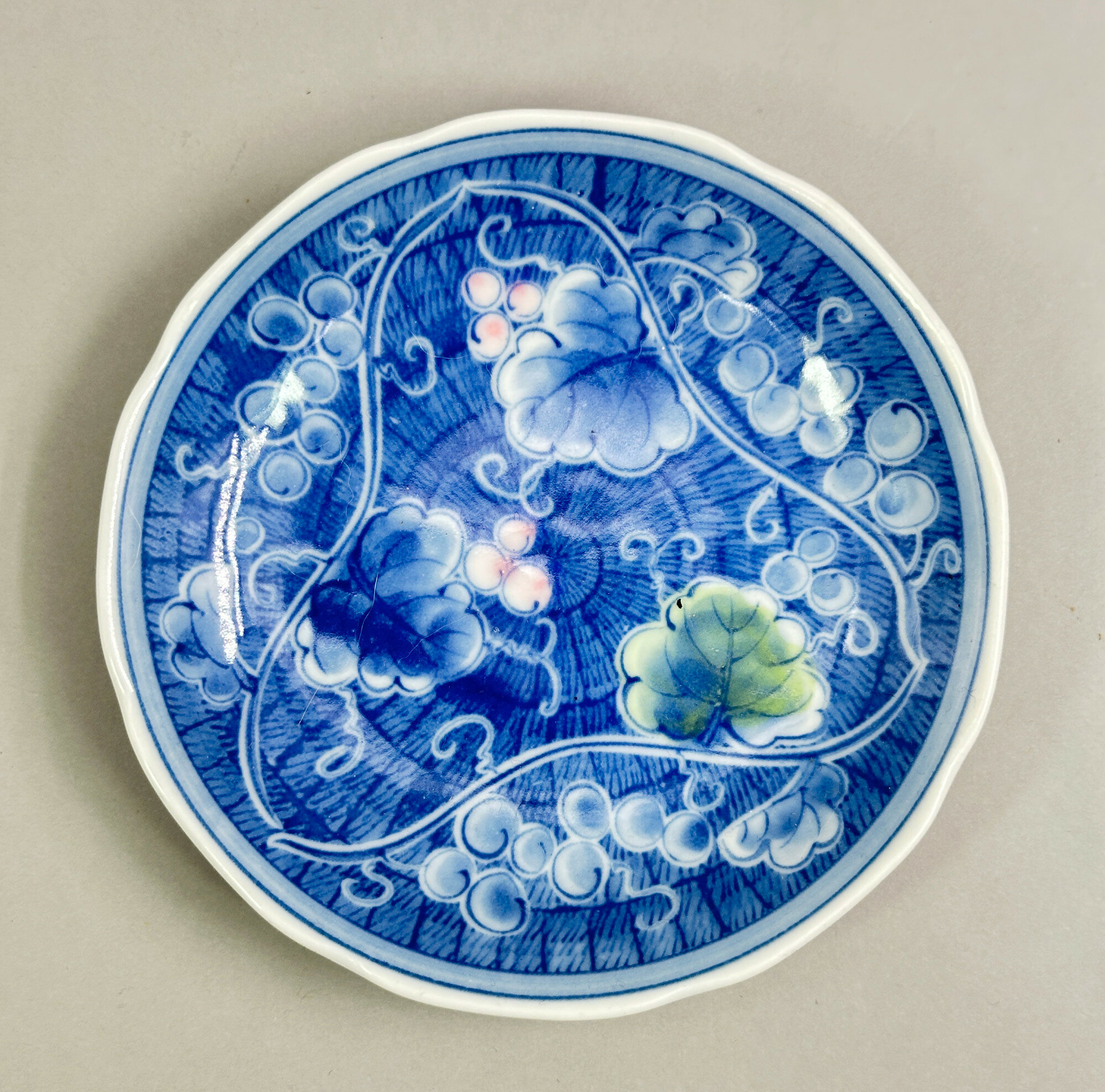
Japanese Arita Blue and White Saucer decorated Gourd and Grapes, mid C20th
Price: £15
Chinese Mandarin Pattern Saucer circa 1780
Price: £45This is a typical example of the ‘Mandarin’ pattern produced by the Chinese in the late eighteenth century for export to the West where it enjoyed great popularity. The name derives from the male court figures, mandarins, who form such an important component of the designs. The scenes are carefully composed with much charm and rendered in a wide variety of coloured enamels with much emphasis on deep pink (‘Famille Rose’) and iron red. A wide variety of wares were produced in the pattern including vases, bowls, dinner services and tea sets, as here, where there would have been a set of bowls and saucers along with matching serving items. The charm and quality of this piece speaks for itself and presents an excellent and collectible example of this opulent pattern from the eighteenth century.

Japanese Arita Blue and White Bowl, first half C20th
Price: £25This ‘swirling’ pattern is sometimes found on late nineteenth century polychrome plaques. Dating here is probably later, perhaps to around 1920, in the middle of the Taisho period (1912 – 1926), but care has been taken with this piece and the mark, which unfortunately cannot be deciphered, no doubt denotes the studio which created it.
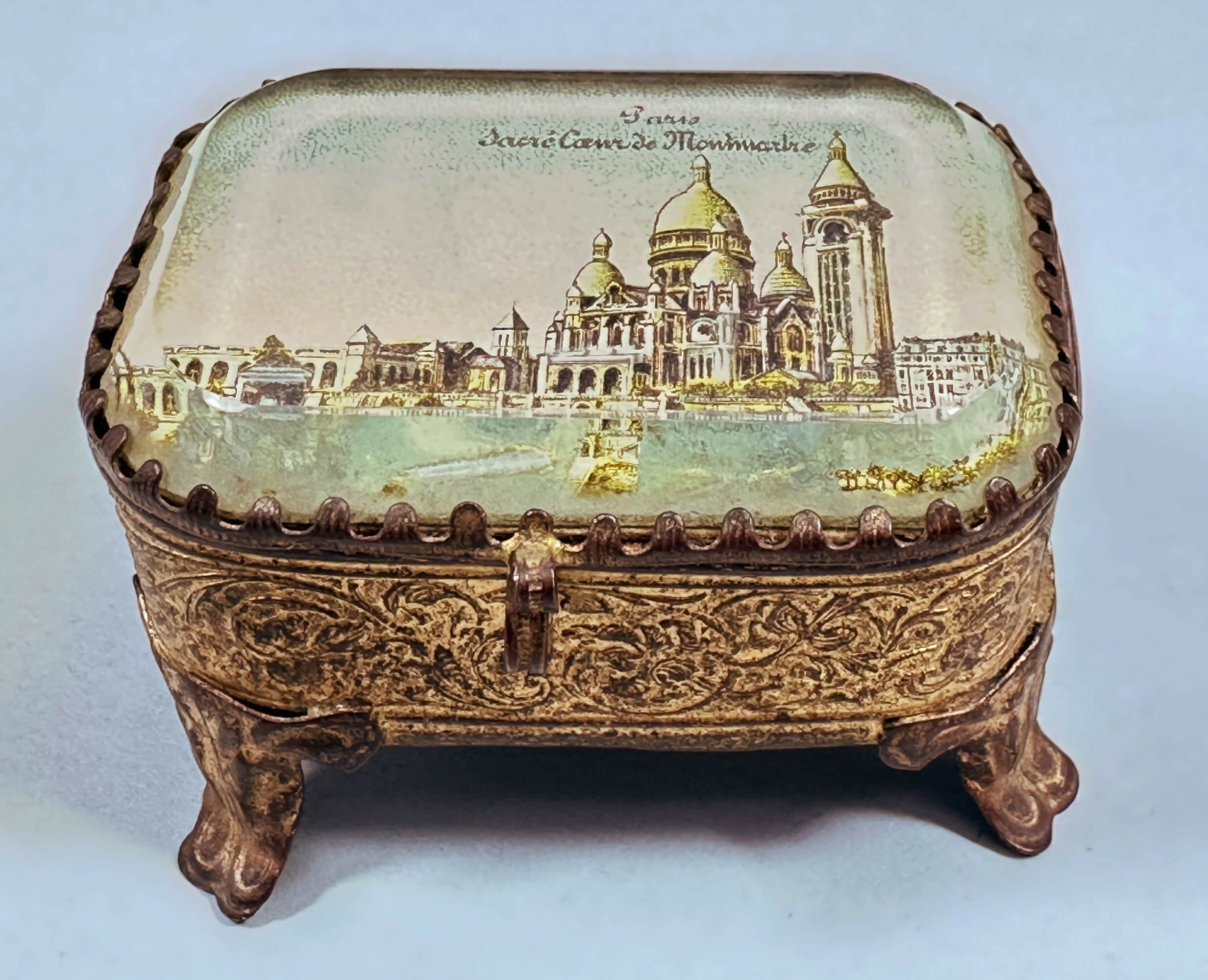
French Souvenir Verre Eglomise Box and Cover, Sacre Coeur de Montmatre, circa 1900
Price: £55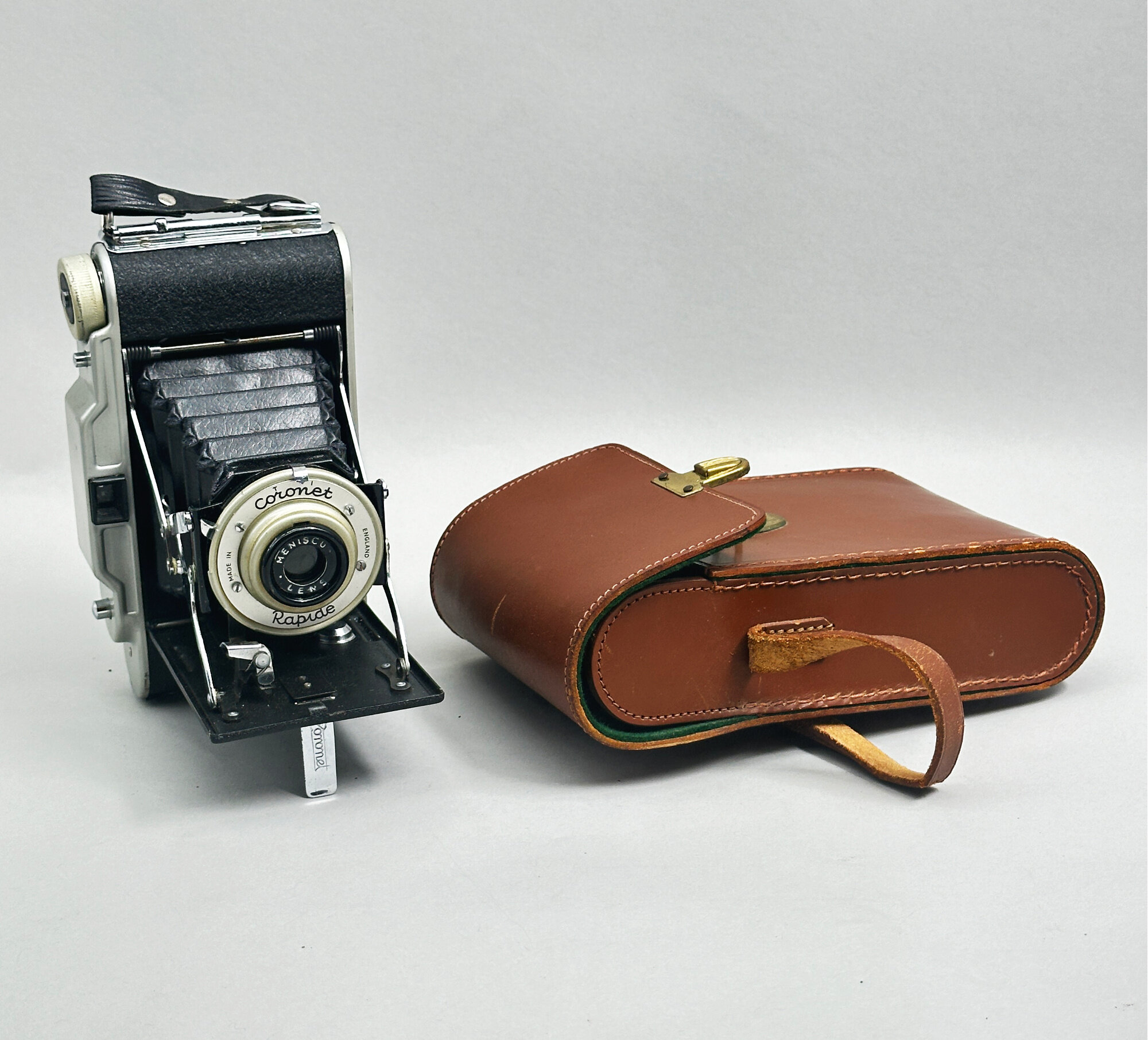
Mint Coronet Rapid camera with case 1950s
Price: £45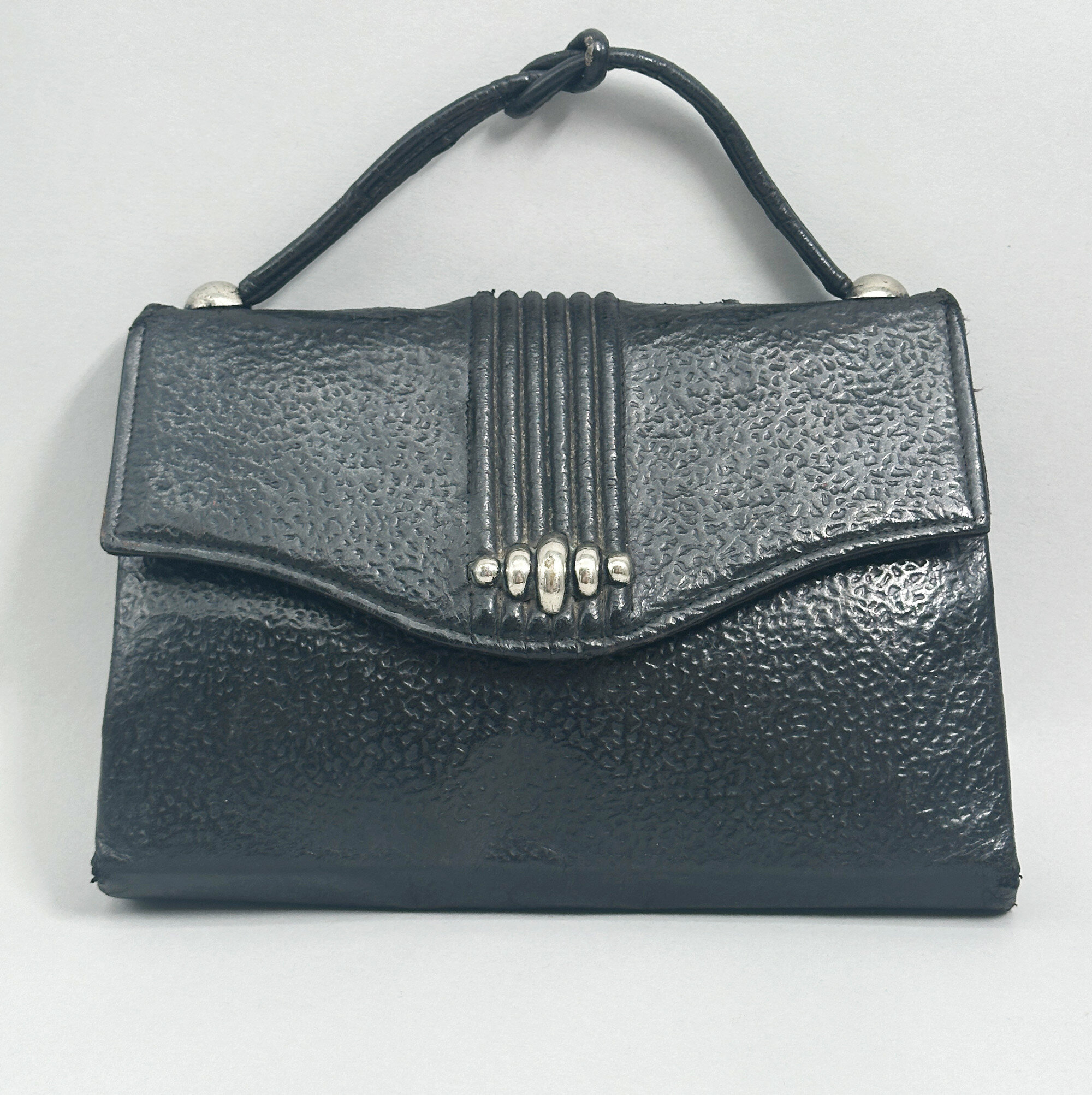
Art Deco black leather bag c1930
Price: £95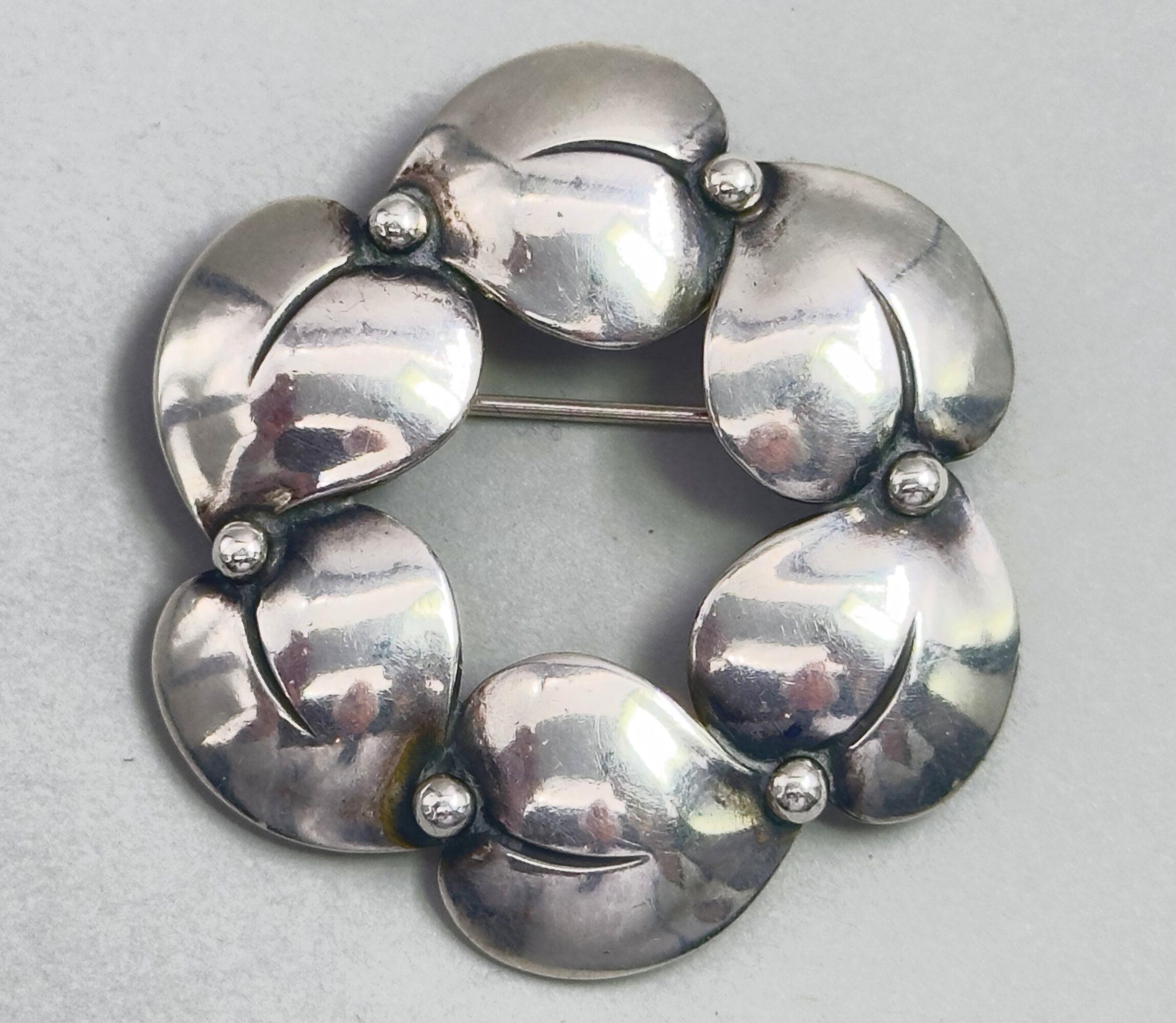
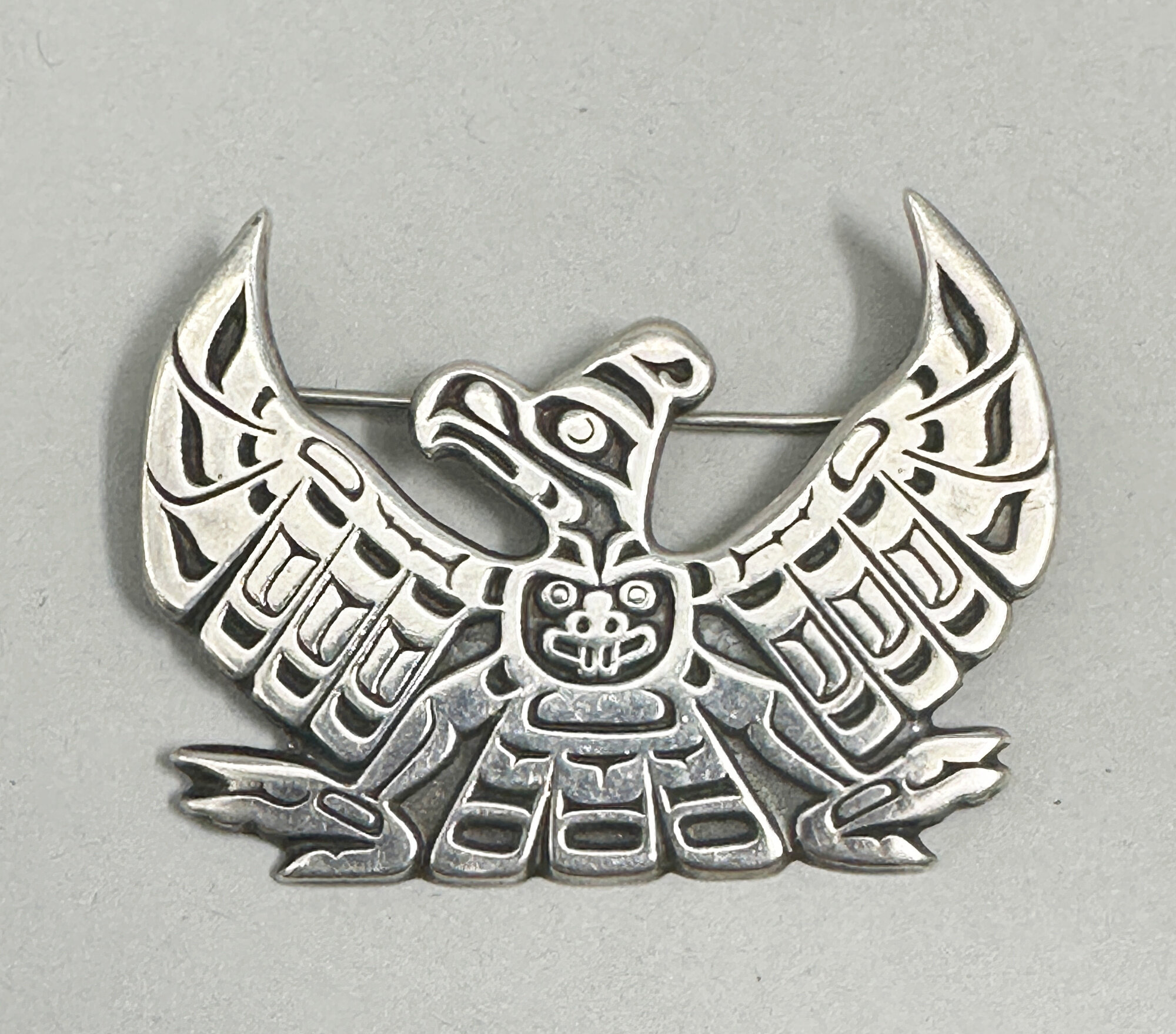
Danish silver brooch, Niels Erik From, marked, c1960
Price: £55
Danish silver floral brooch, Max Standager c1960
Price: £55
Florentine style garnet and gold brooch, 20th century
Price: £150
Necklace and earrings constructed with English watch fobs c. 1920-1940
Price: £225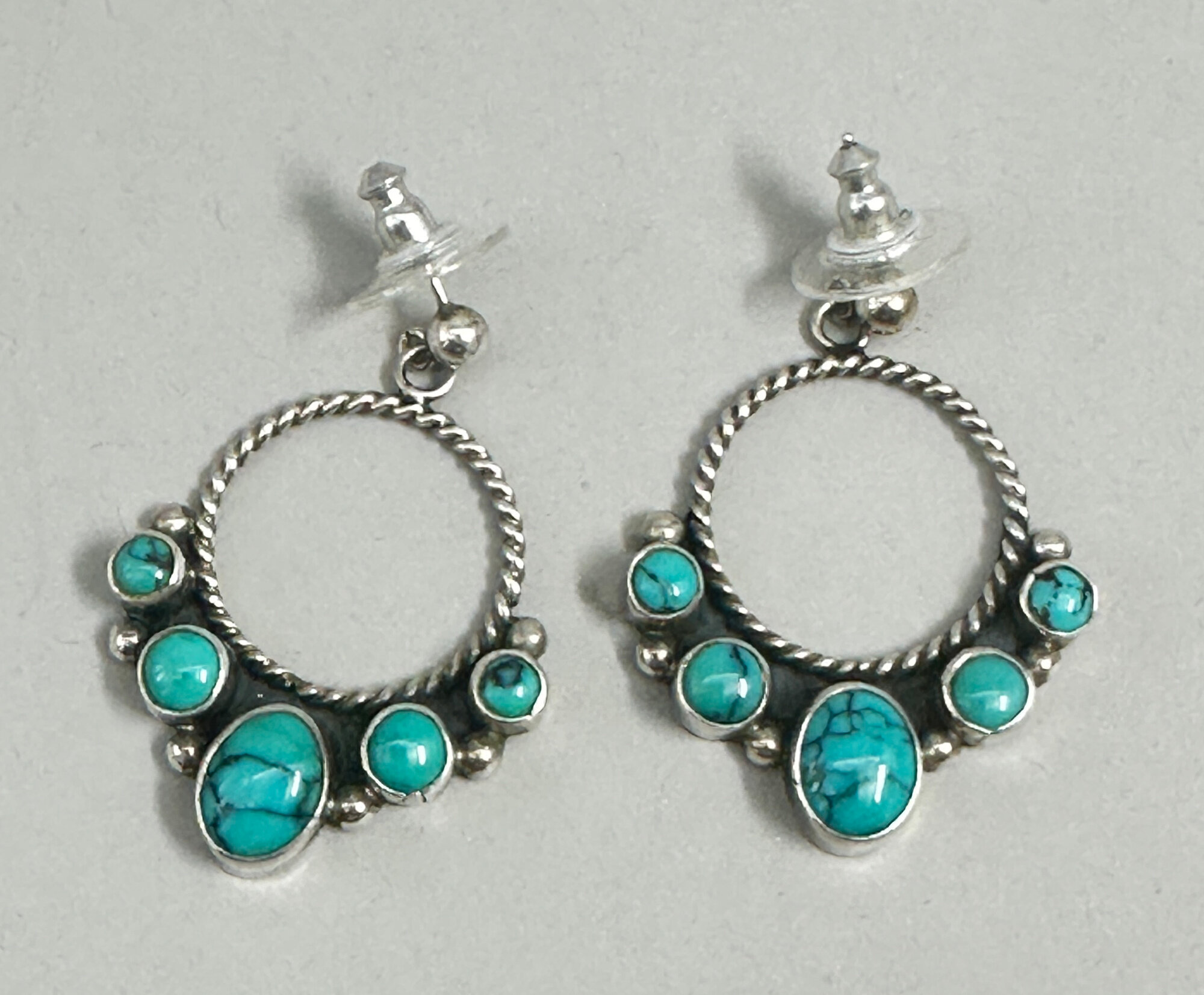
French Souvenir Verre Eglomise Box and Cover, Sacre Coeur de Montmatre, circa 1900
Price: £55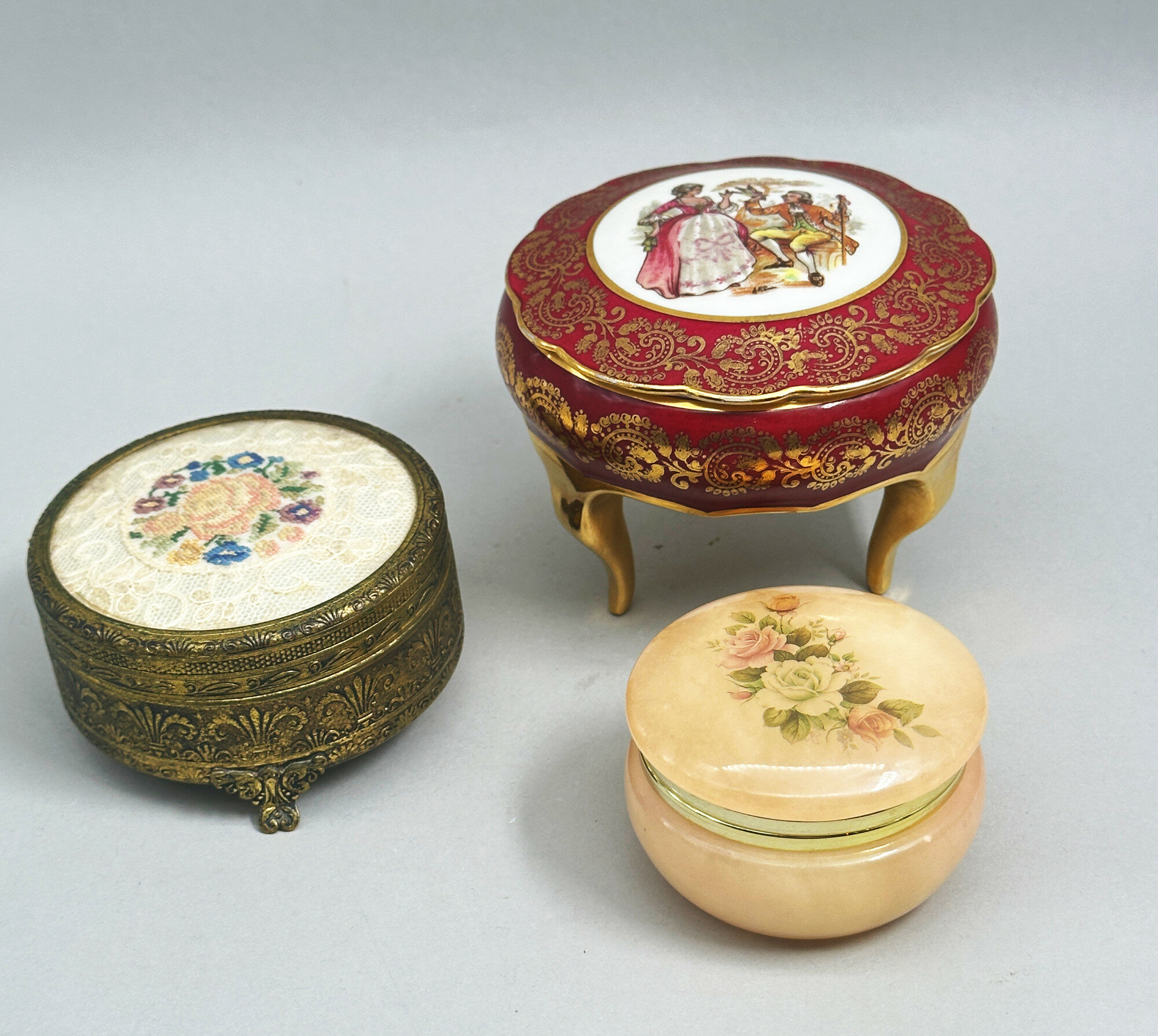
Three Powder Boxes, gilt metal, alabaster and porcelain, mid C20th
Price: £45
Doulton and Slaters Patent Jardiniere circa 1890
Price: £750The Doulton factory began production in 1815, first at Vauxhall and later moving to Lambeth. In 1882 it opened an additional factory at Burslem, Stoke on Trent in the centre of the English pottery. Known at first mainly for utilitarian works it began to develop decorative wares more extensively in the 1860s and soon gained a reputation for its distinctive designs. As the mark indicates, this piece was made at the Lambeth factory and the absence of ‘England’ in the Doulton mark, which has the typical design of interlocking ‘D’ at its centre, indicates that it dates to before 1891. The decorative technique, employing impressed designs was known as ‘Chine’ ware and protected by the patent ‘Doulton and Slaters Patent’ which is clearly marked underneath. Pieces of linen, lace, net or other fabrics were pressed onto the unfired soft clay shortly after potting, leaving a corresponding pattern behind. This piece has elaborately modelled lotus strands in addition as well as gilt flower heads, an unusual combination which does not seem to often occur. On the base are found stamped numbers and letters which should indicate the pattern number and artist decorator but it has not been possible to identify these accurately. Dating though is confirmed and this was clearly a deluxe item amongst the range of pieces produced at that time.

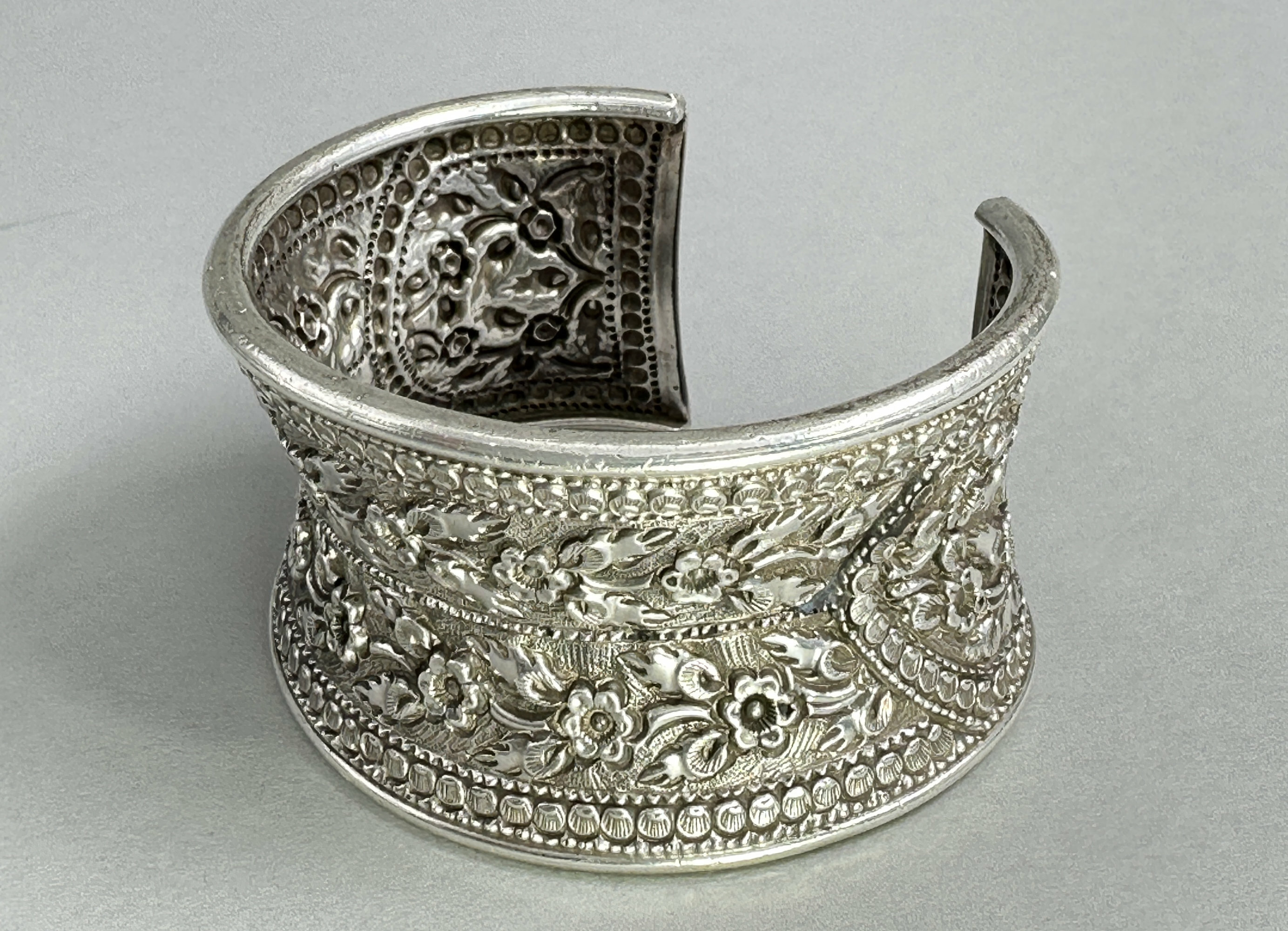
Persian silver bracelet with inset enamel plaques, c1930
Price: £125
Suite of Art Deco banded carnelian necklace and earrings c1920
Price: £95
Massive Egyptian Revival long necklace c1930
Price: £195
Very finely carved soapstone pendant necklace
Price: £175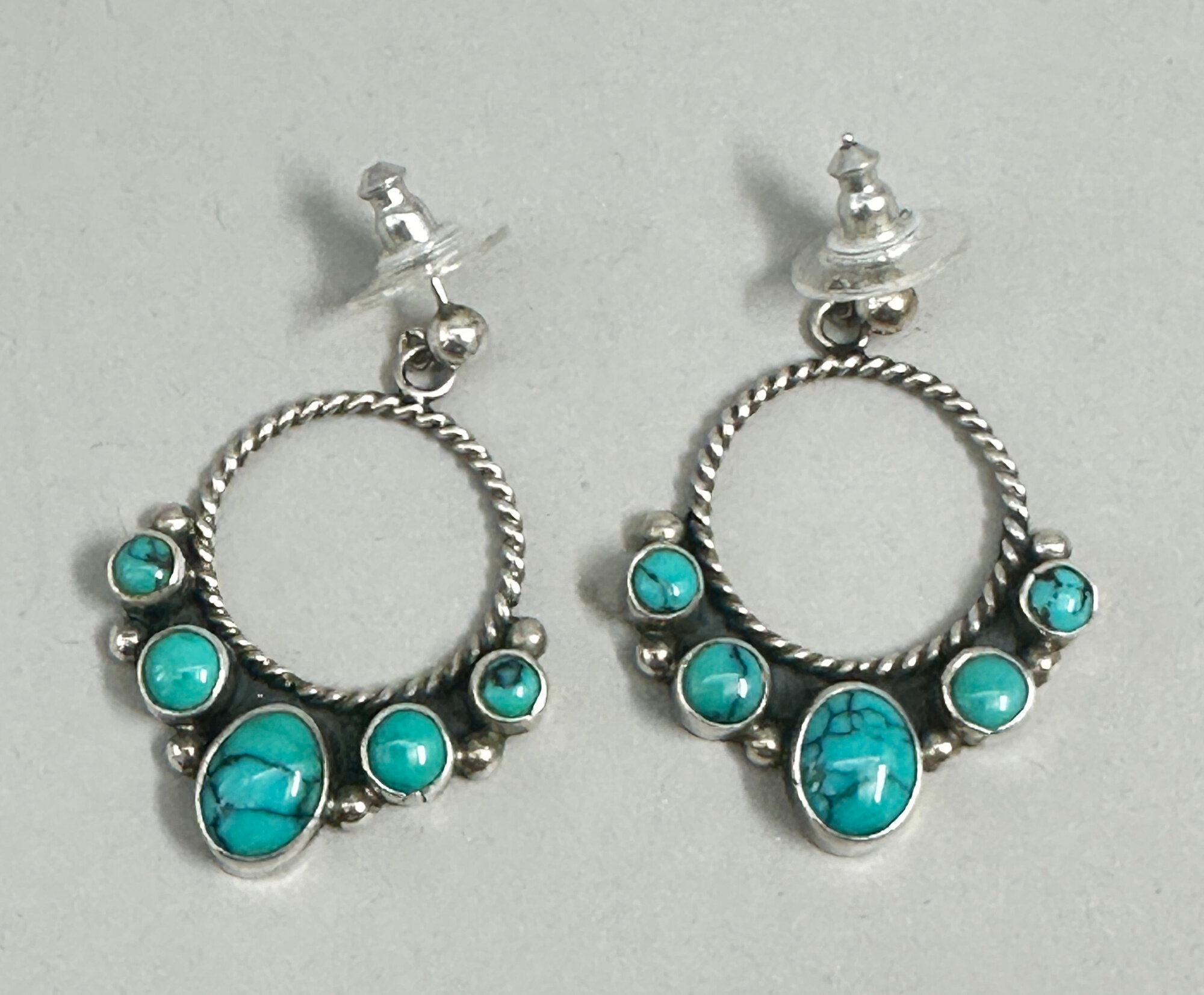
Pair of Navajo Kingman turquiose earrings, signed, 1970s
Price: £65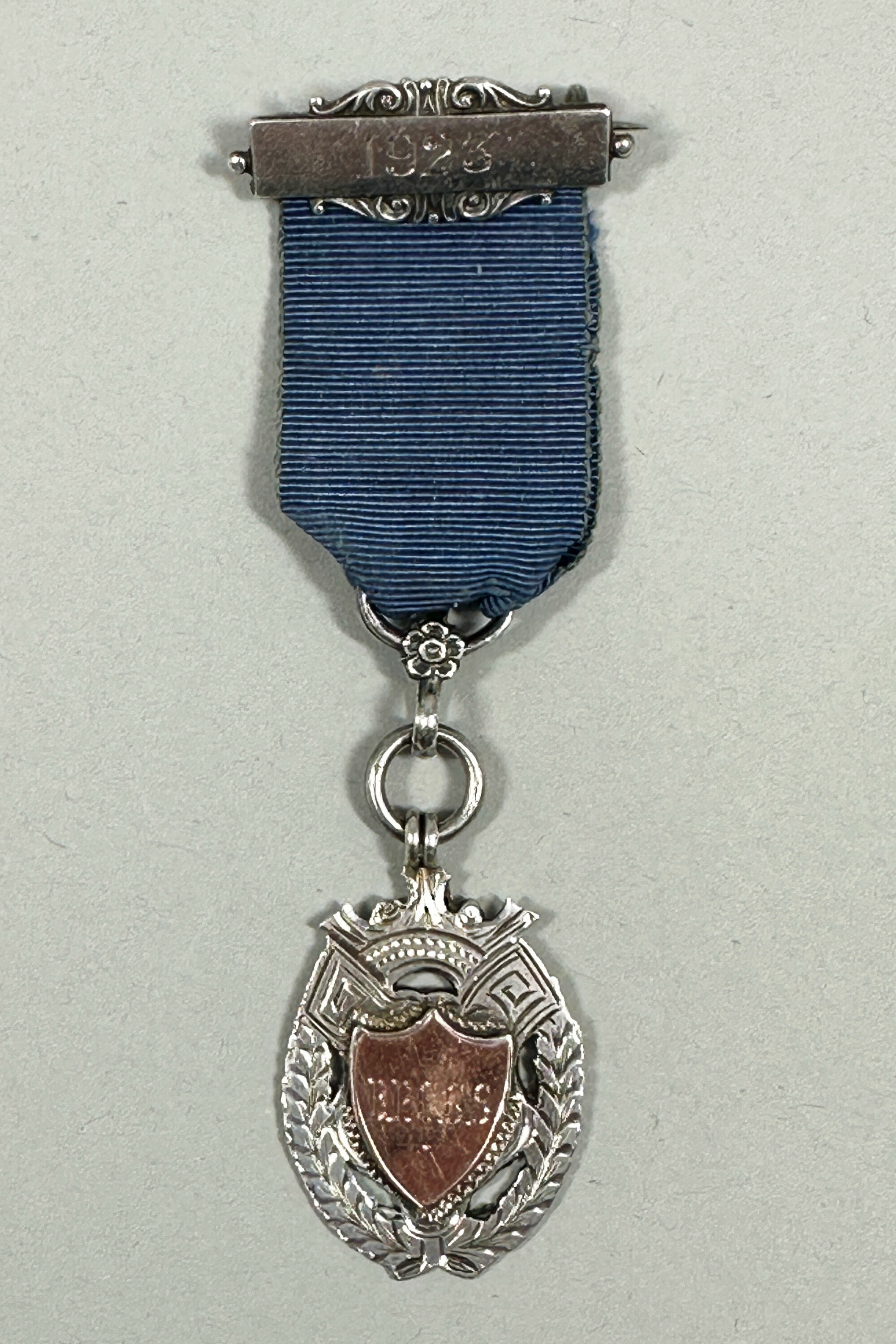
Silver Medal or Watch Fob dated 1923, B.P.C.G.S.
Price: £35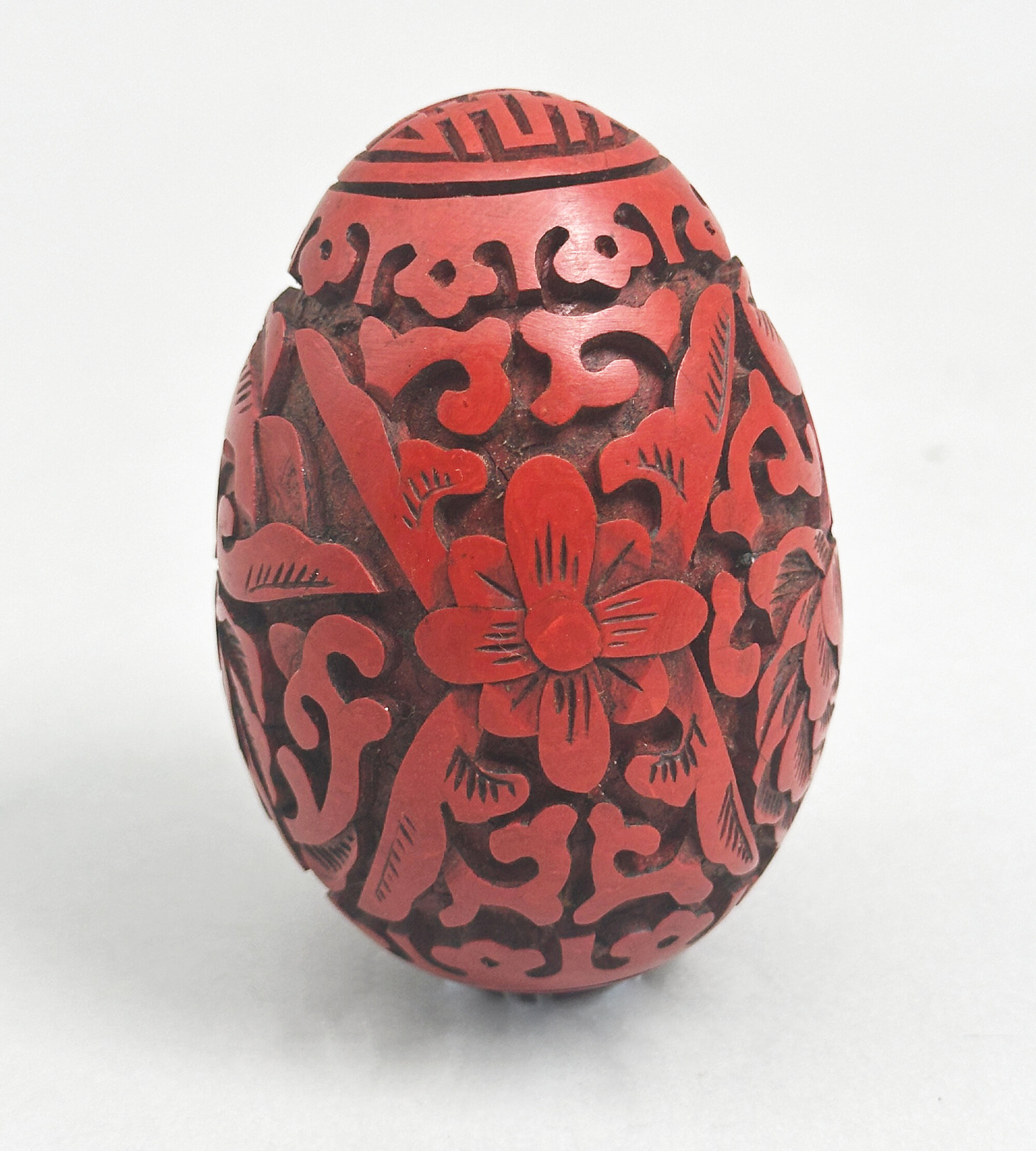
Chinese Cinnabar Lacquer Egg, C20th
Price: £55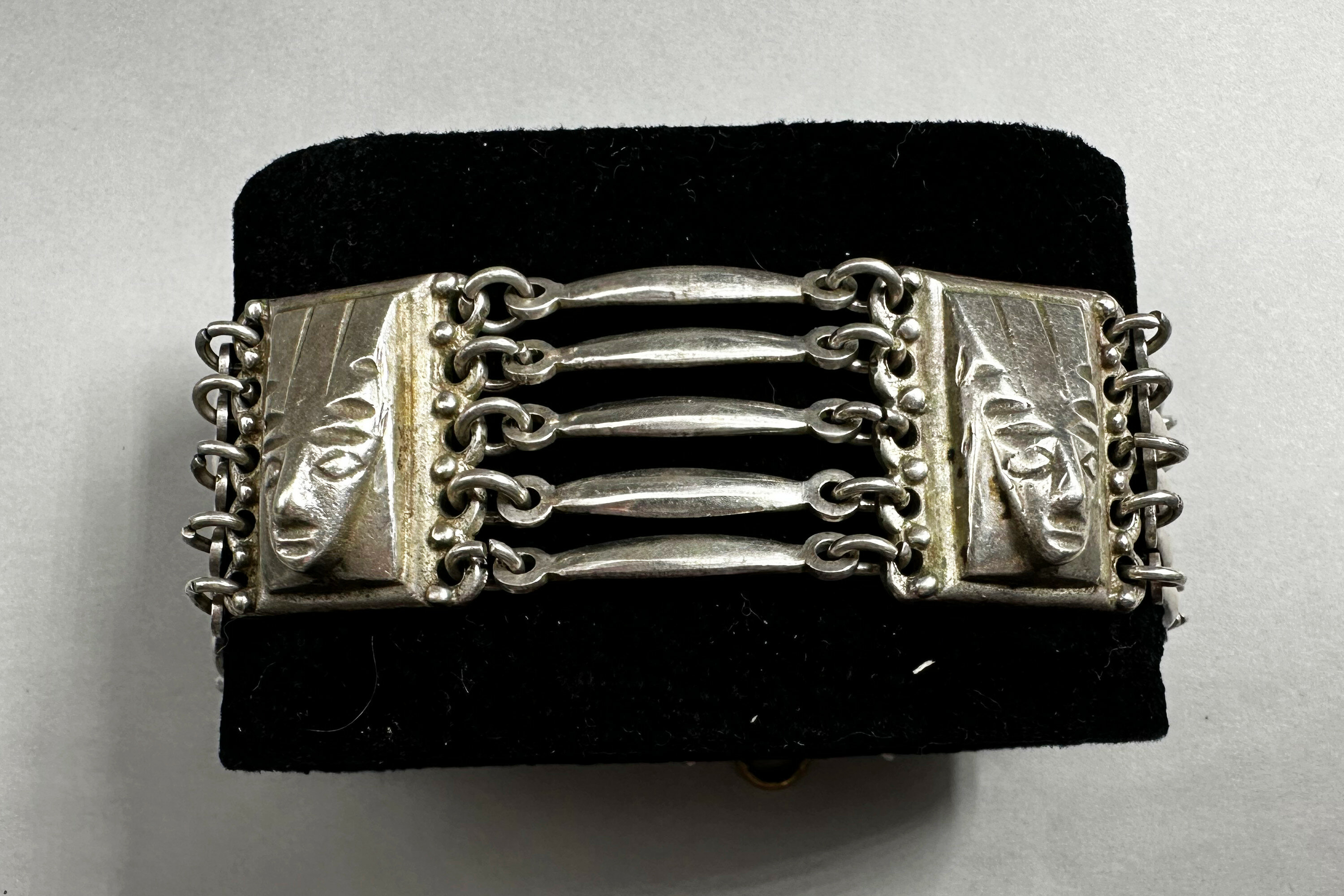
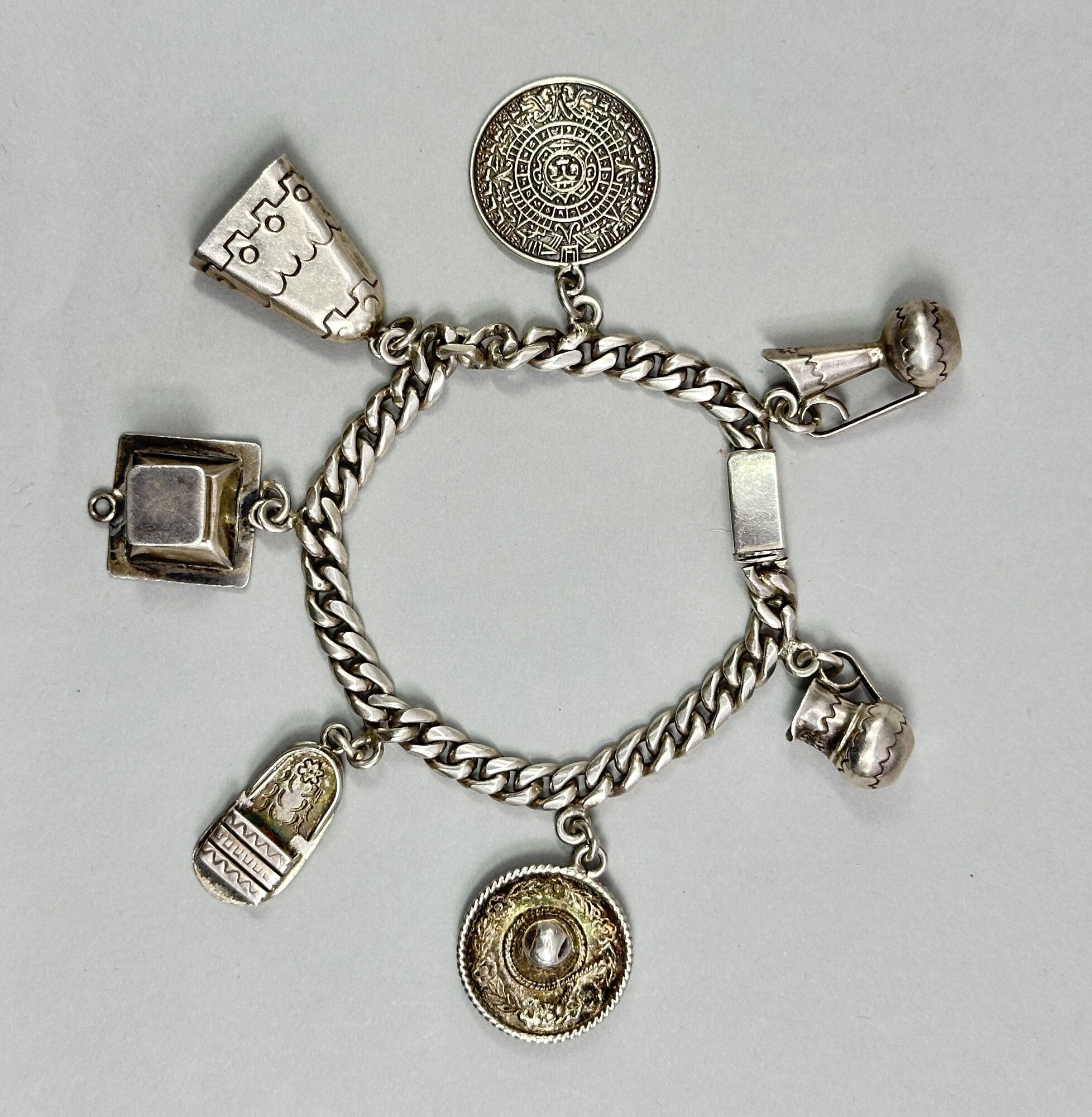
Taxco bracelet with Aztec mask motif, 1940s
Price: £65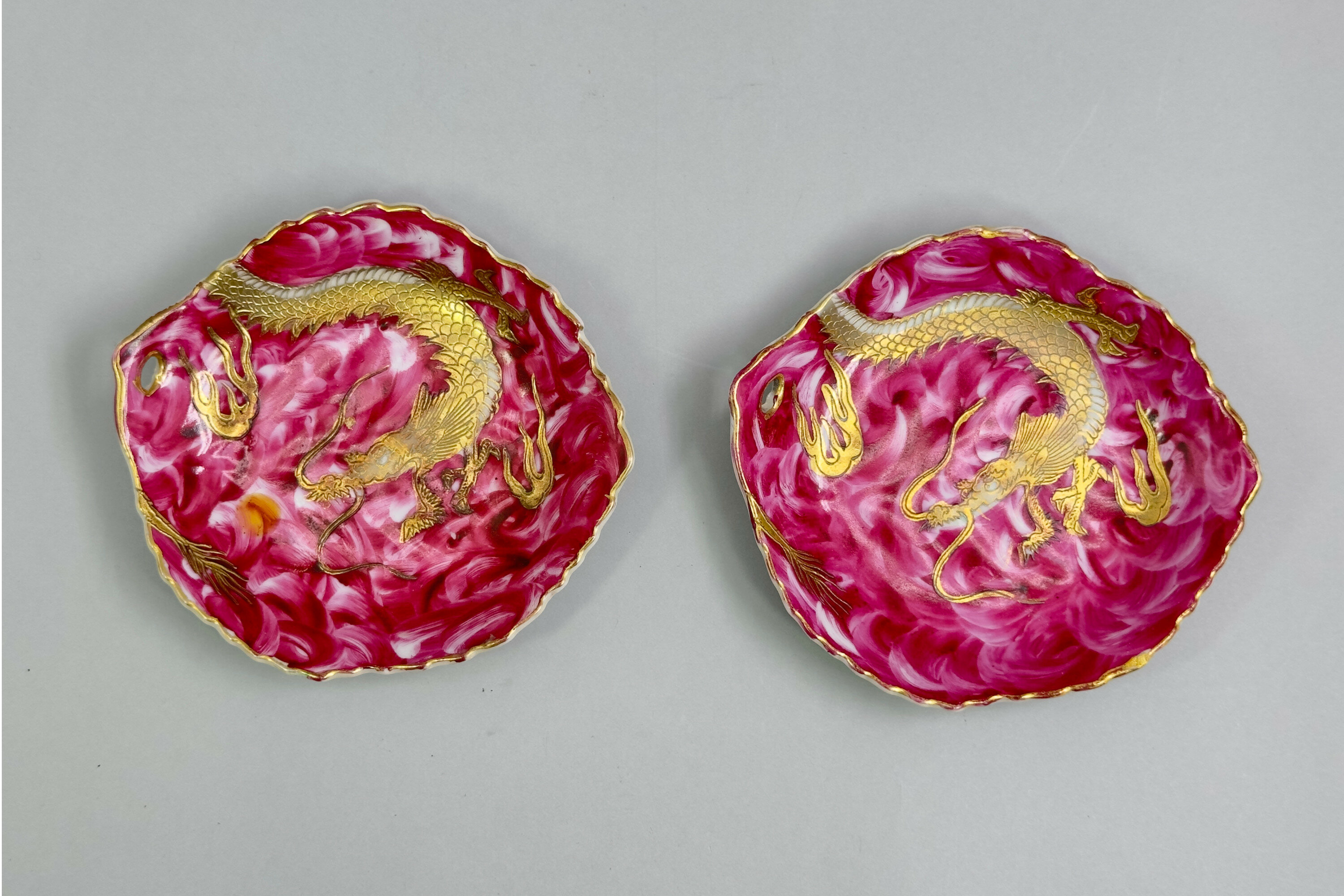
Pair of Japanese Shaped Saucer Dishes, Maruku China, 1940s
Price: £25The Maruku factory seems to have operated in Japan after the second world war producing modest but good quality wares for export, rather in the style of Noritake pieces. Usually their pieces are marked in addition ‘Made in Japan’ but for some reason not here. The forms, colourings and designs here are quite unusual and while modest, these are good quality decorative items suitable for a contemporary interior.
PLEASE NOTE THAT THERE IS FREE UK SHIPPING ON THIS ITEM. For international buyers the shipping cost will be reduced by the UK shipping cost, so don't worry if you are outside the UK, you still receive this benefit!

Jean Paul Gaultier Mini Fragrance Set, Le Duo Miniatures Saint Valentin 1990s
Price: £55
Collection Parfums Lalique miniature set in display box 1990s
Price: £55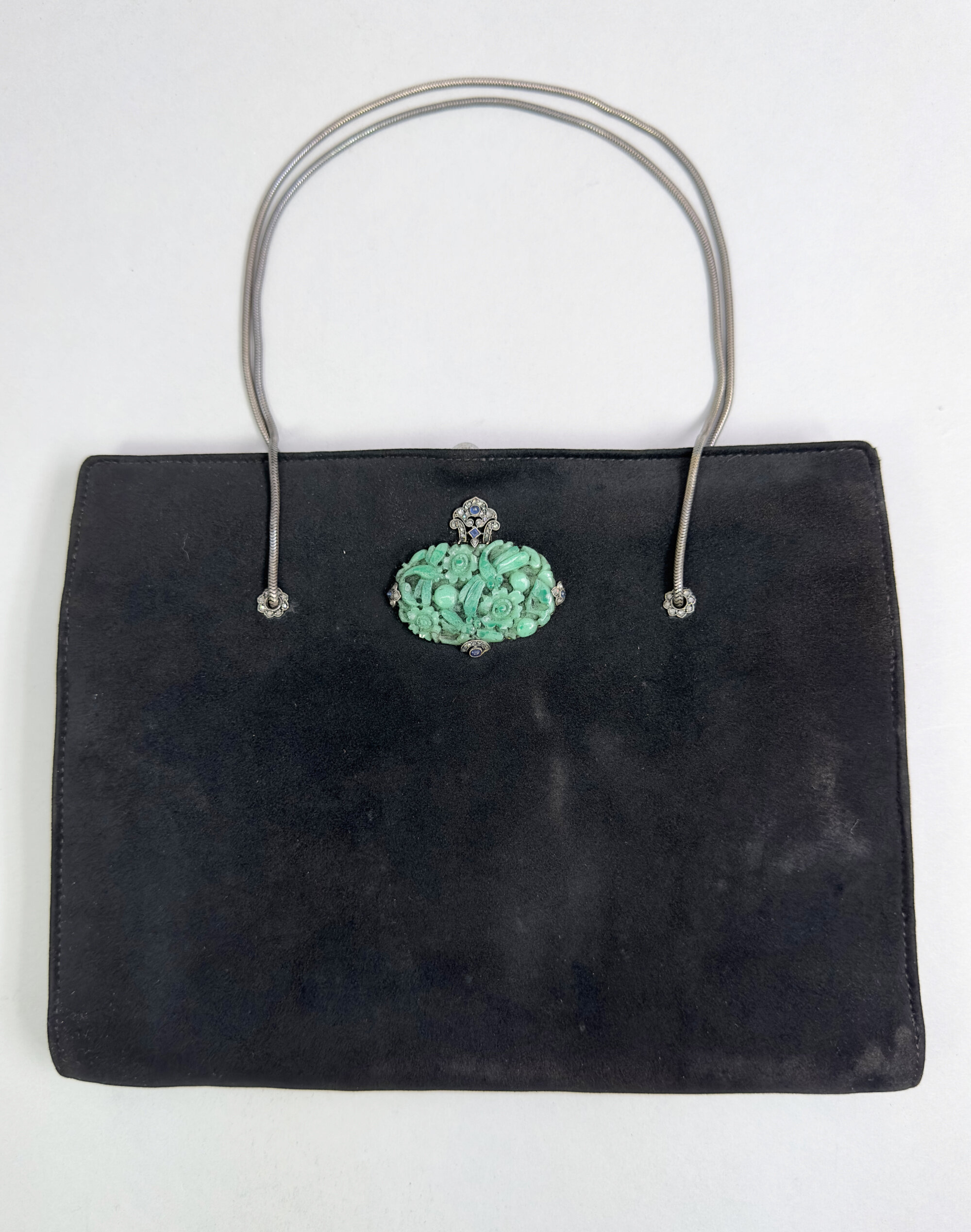
French Art Deco Clutch bag with faux jade insert
Price: £65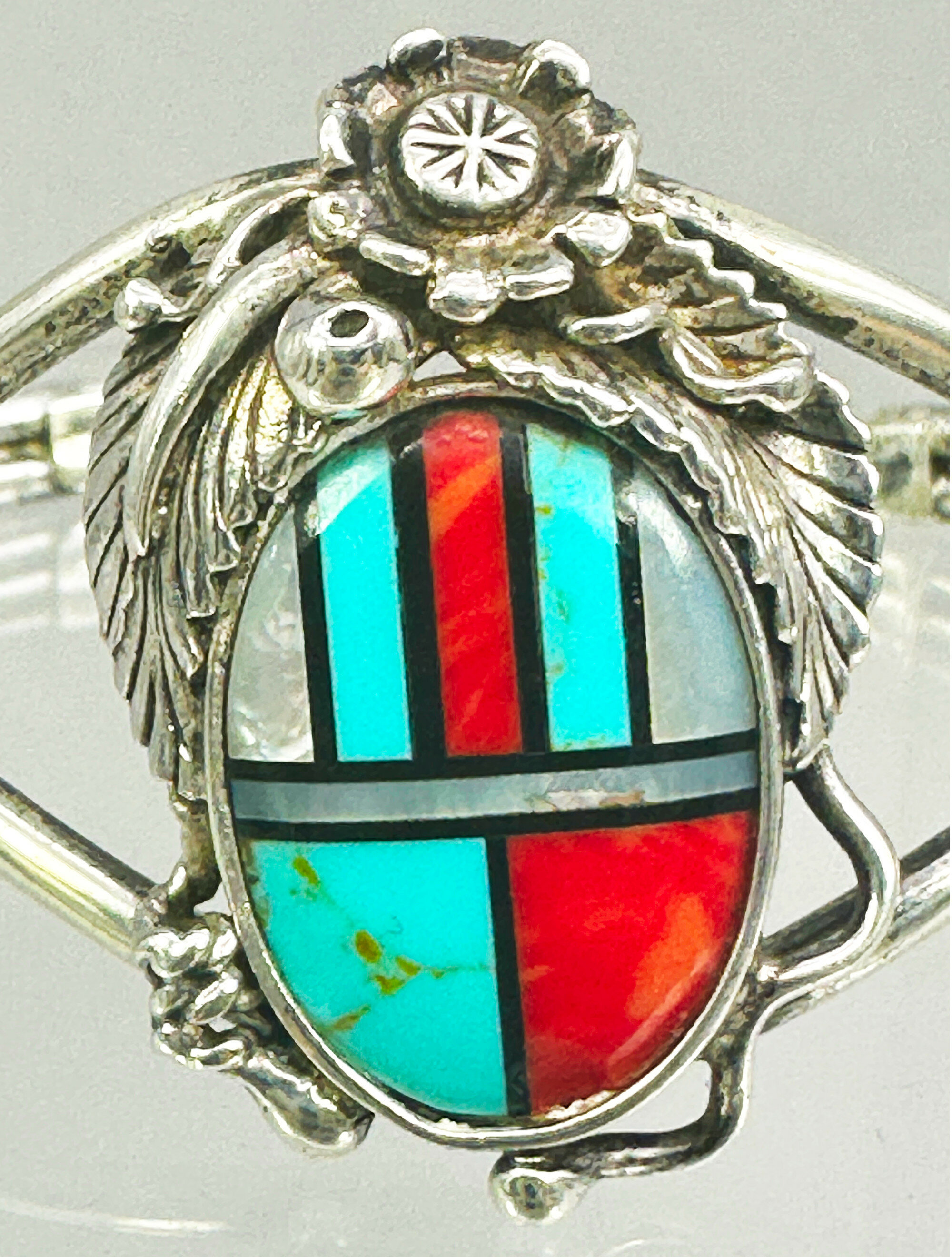
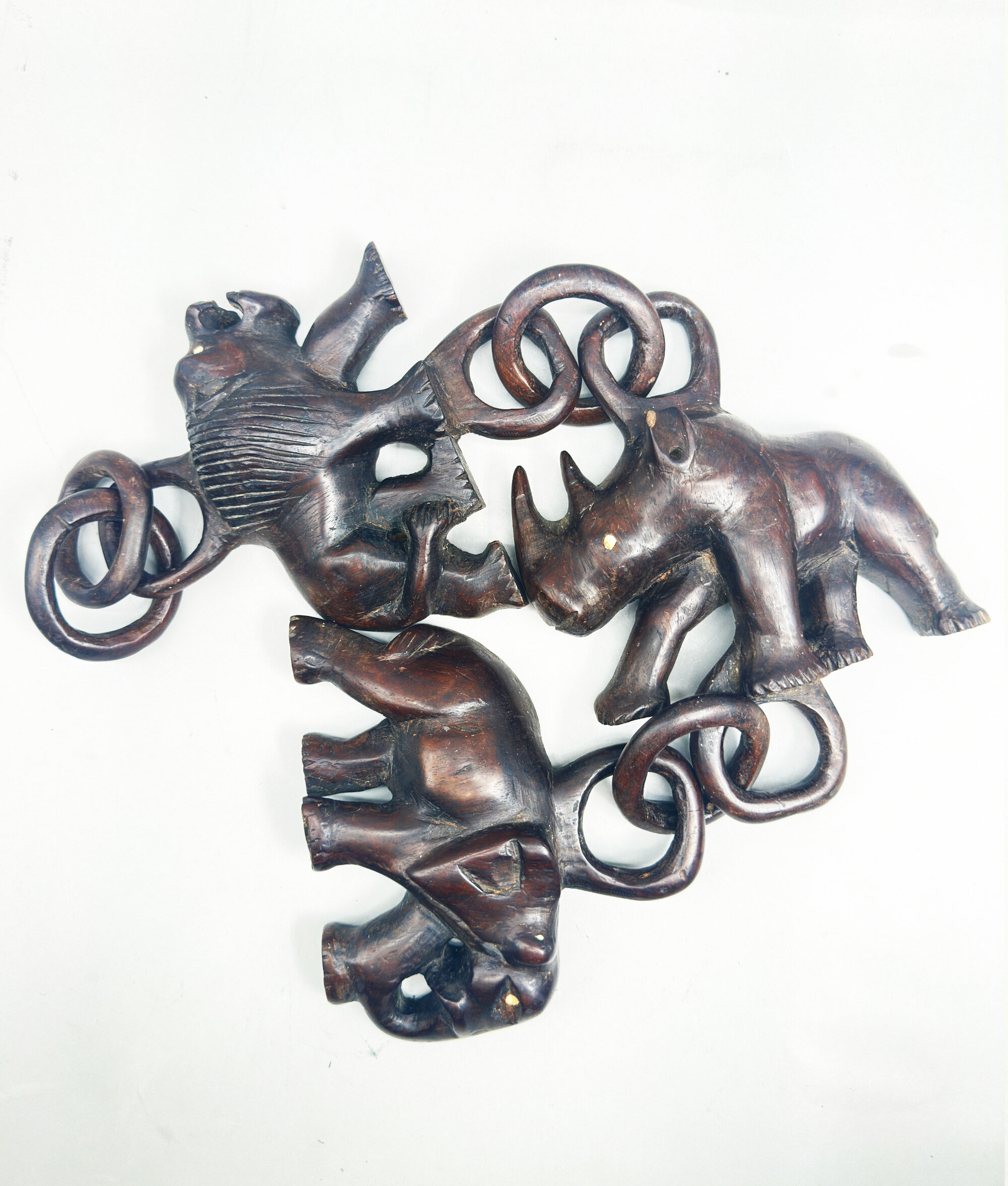
Large African wall decoration carved from one piece of ebony wood c1950
Price: £85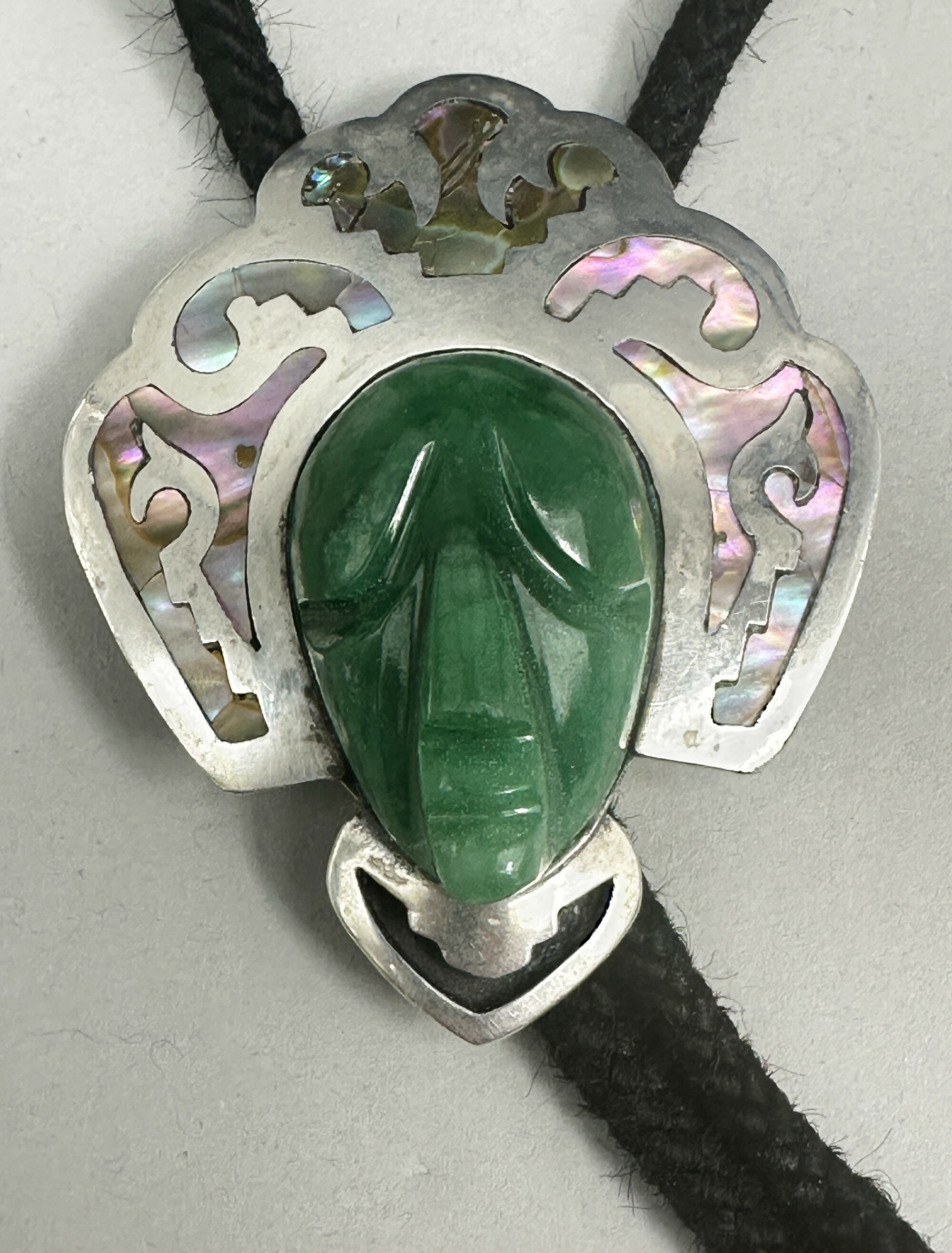
Mexican Silver Bolo Tie with Aztec mask Head, Taxco, c1950
Price: £125
Show stopping suite of necklace and earrings c1960
Price: £85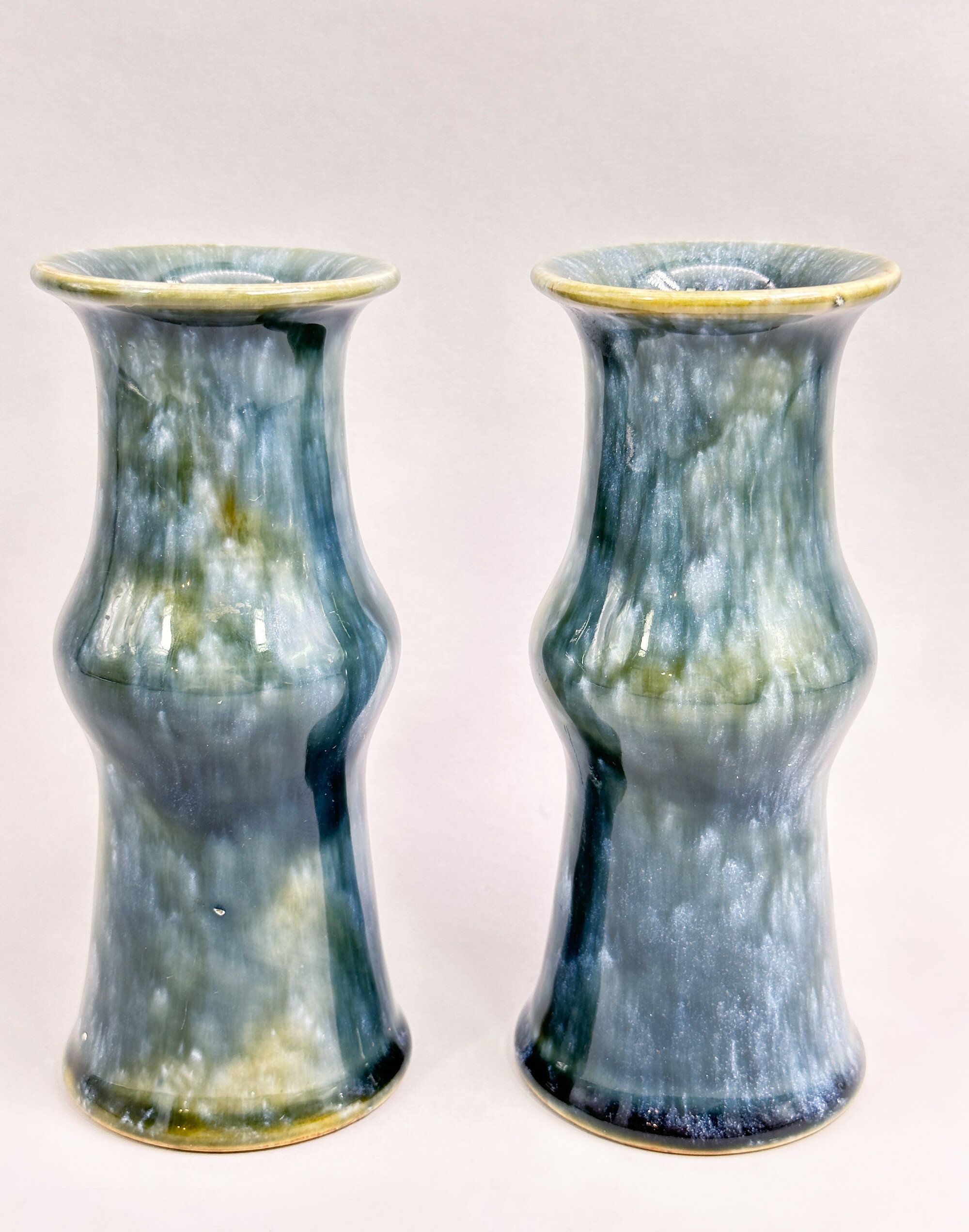
Pair of Royal Doulton slender Ku form Vases, 1920s
Price: £75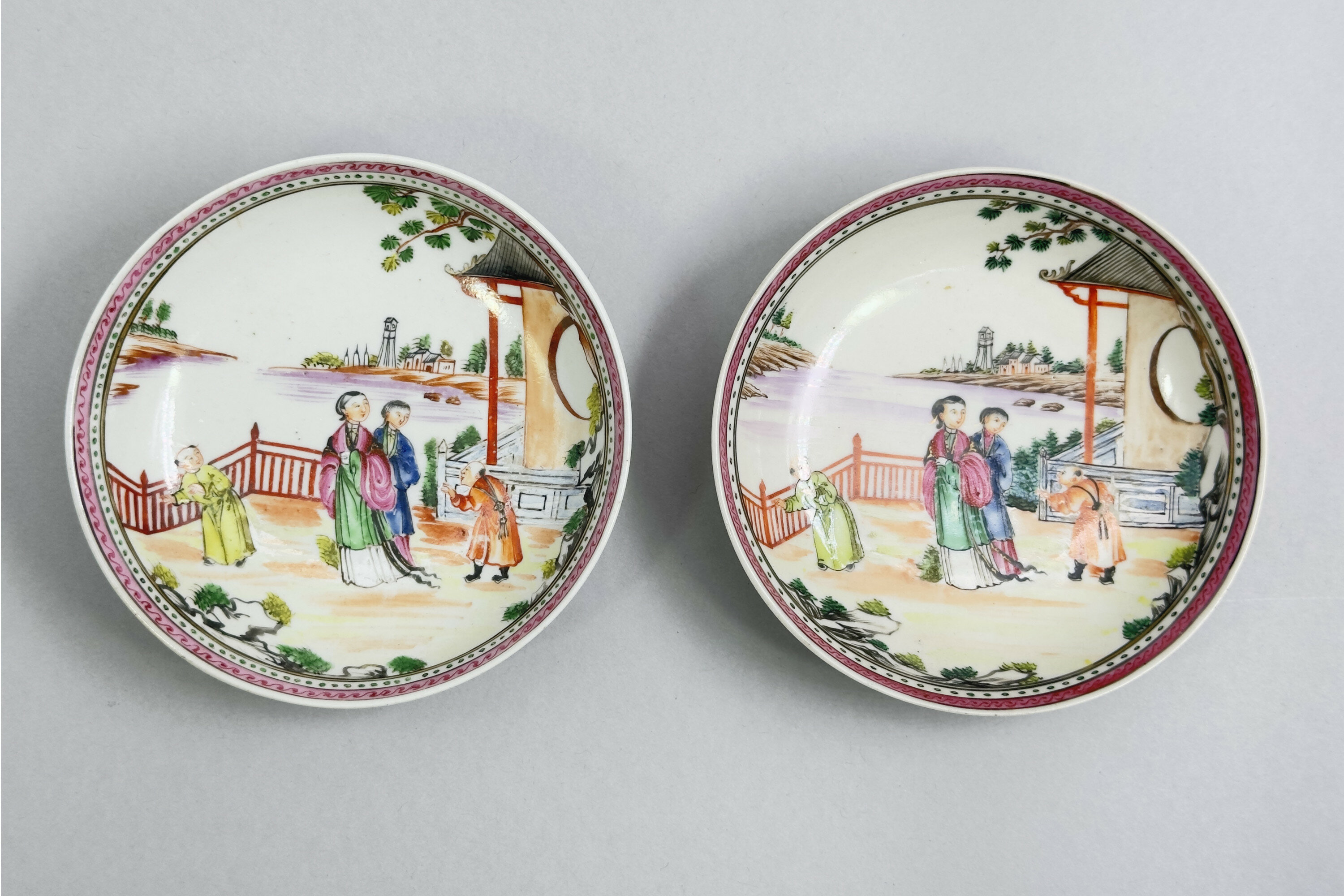
Pair of Worcester Saucers with Chinoiserie Decoration circa 1780
Price: £45While close to the Chinese originals, many features indicate European and indeed English manufacture, in particular the drawing of the ladies’ heads, the palette of colours used, the borders employed and, most importantly, the glaze and paste of the reverse. The most likely producer here was the Worcester factory whose ‘Mandarin’ pieces were well known and a circa date in the second half of the eighteenth century is reasonable. The saucers would have come from a small tea service with matching bowls and various serving items, including, of course, a teapot. Not so likely to be used now, they provide an elegant example of the vogue for Chinoiserie in England at the time.

Art Deco Style Ceramic Jug with Floral Handle, probably 1930s
Price: £35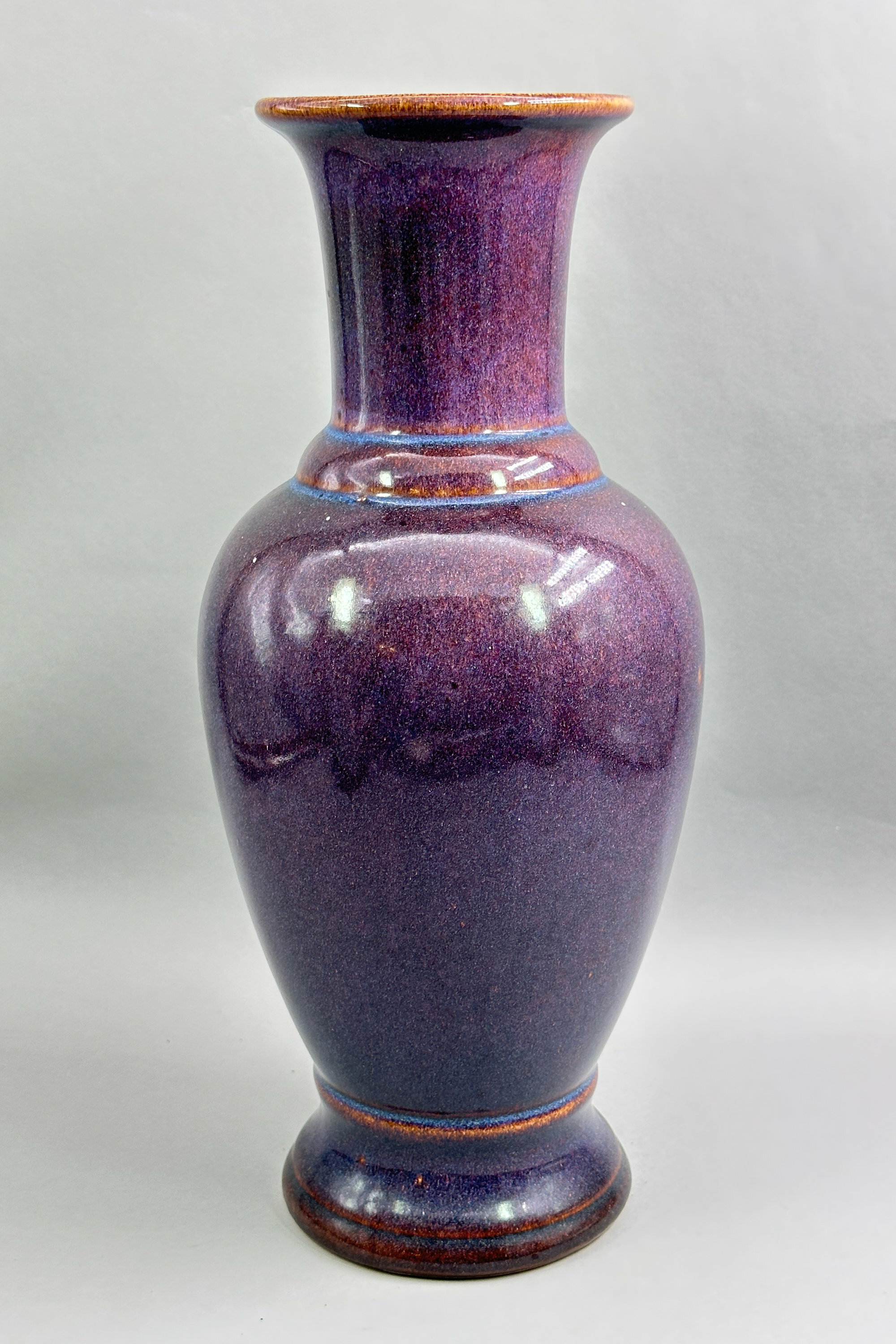
Oriental Style Vase, West German Pottery, possibly Scheurich, late C20th
Price: £45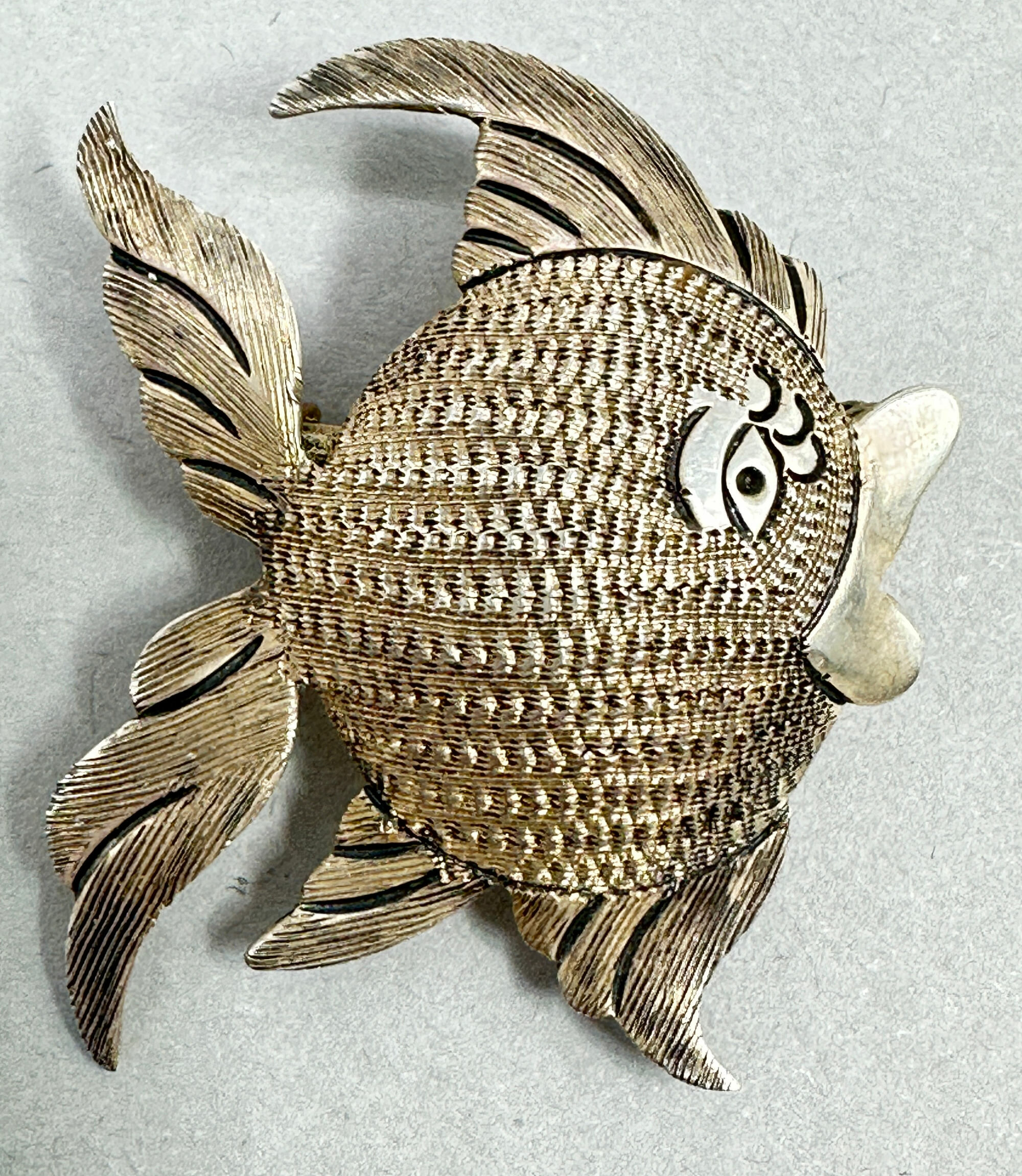
Taxco Fish Brooch c1940
Price: £25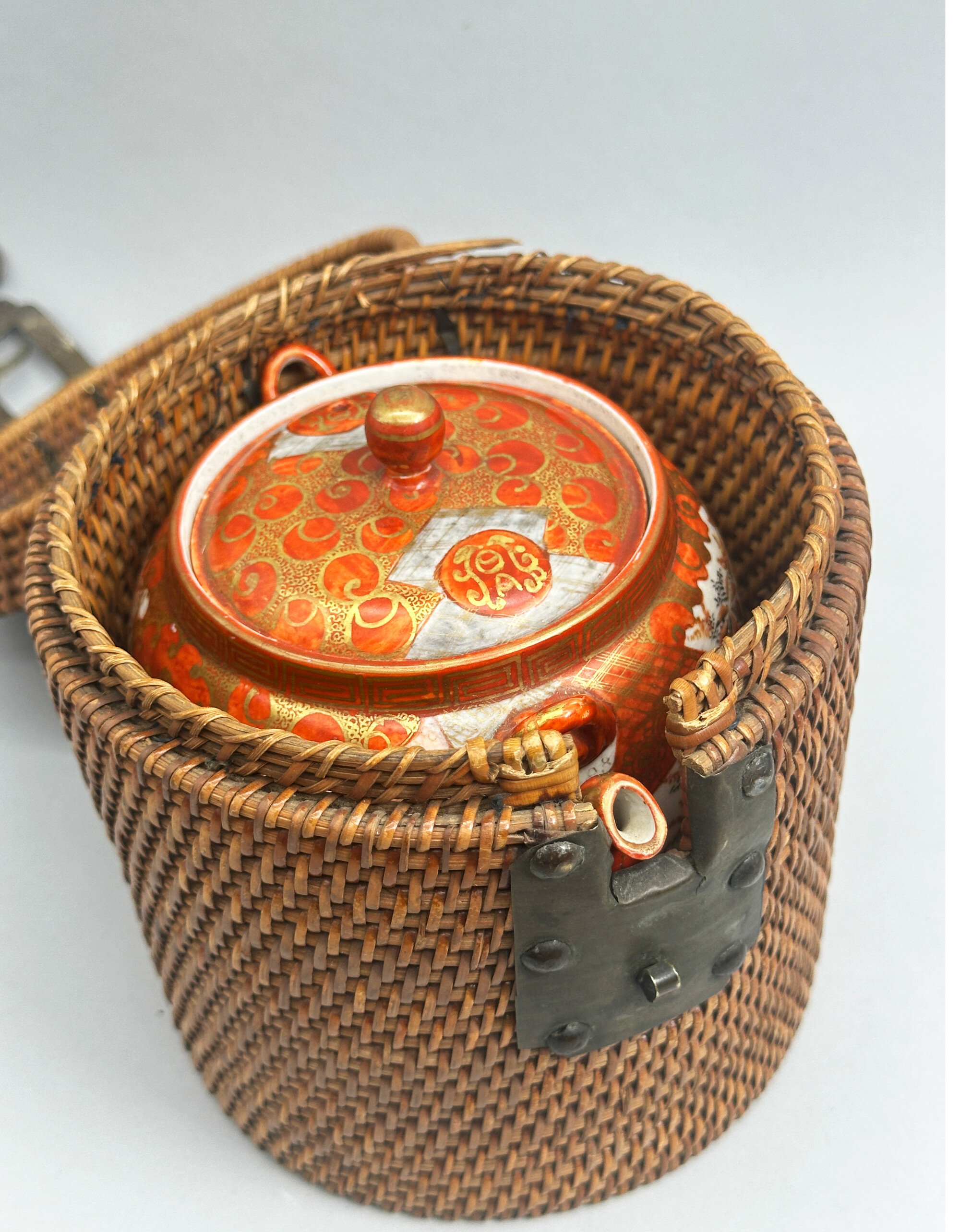
Japanese Kutani Teapot in a carrying Basket, circa 1900
Price: £45Kutani (the word means 'nine valleys') porcelain was made at various factories in the former Kaga province of Japan. The earliest pieces were in a completely different style employing a palette of colours emphasising green, the so called 'Ko Kutani'. Production of this ceased around 1730, and manufacturing was not revived until the early nineteenth century when the more familiar colourings of iron red and gold were introduced. Vases, bowls and plaques are found in this style but also teapots of which this is a typical example. The decoration is of birds and flowers on a faintly craquelure glaze ground and the lid has a complementary ‘brocade pattern’ design. The base has a two character mark reading ‘ku’ ‘tani’ as is often found. The basket is of tightly woven wicker with the metal fitments as described and is probably Chinese in common with many similar examples, although the Japanese did, of course, have a basket weaving tradition of their own. Slight damage means that the ensemble has to be of decorative value rather than practical use but it remains an interesting and entertaining souvenir item from the orient.
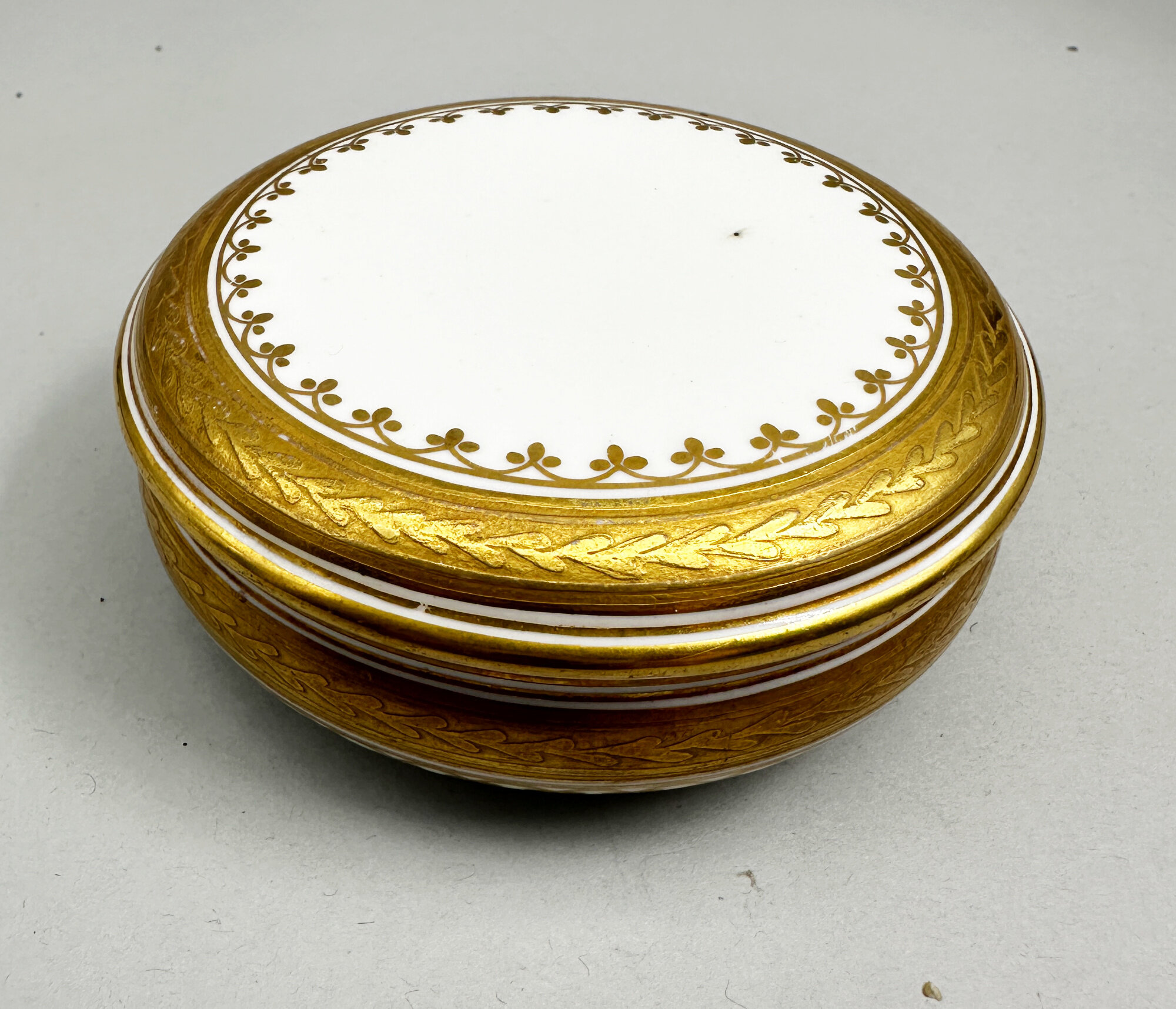
Gilt decorated English porcelain powder box and cover, probably mid C20th
Price: £15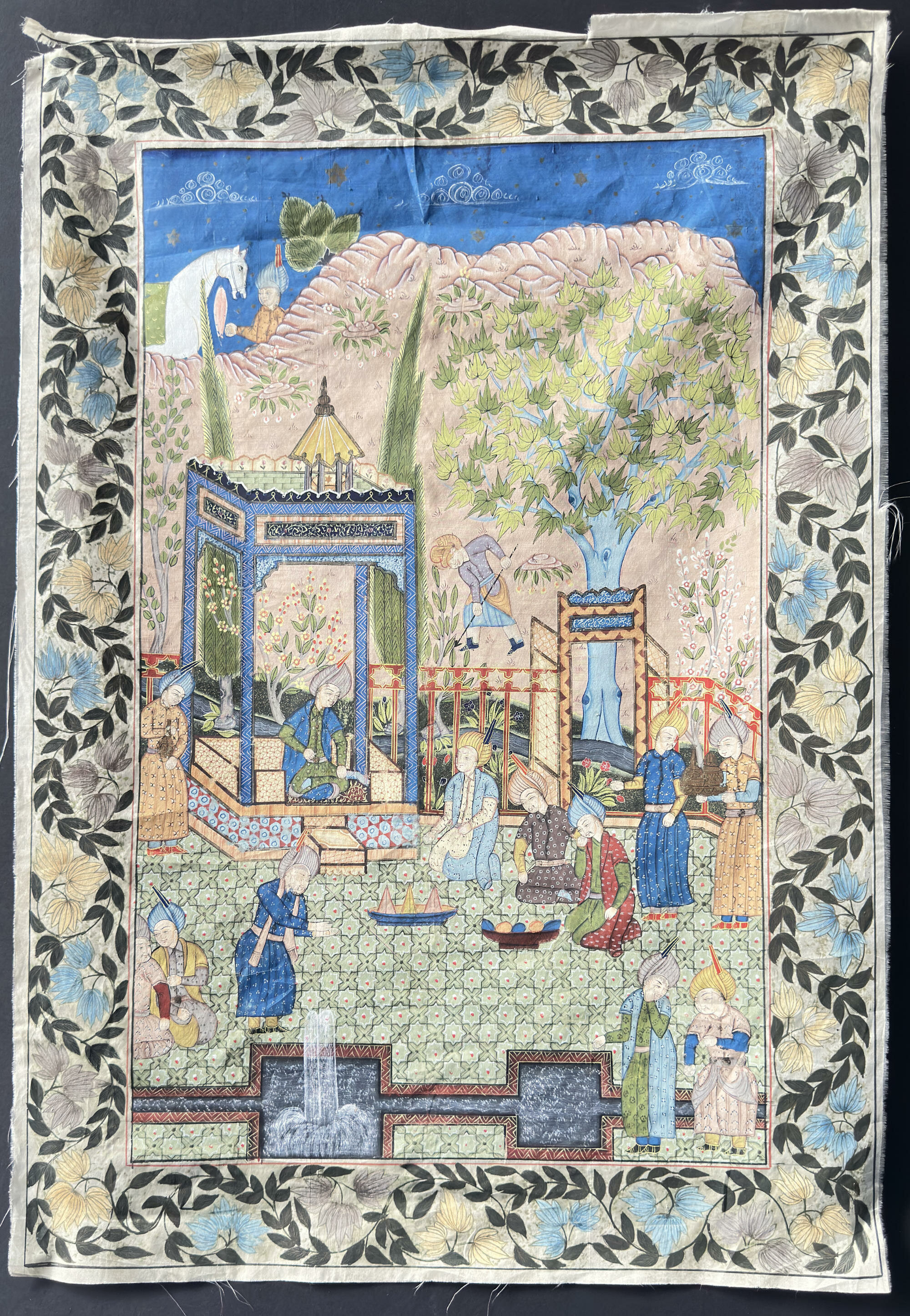
Persian Painting on Silk depicting Courtiers in a Palace Scene, C19th/C20th
Price: £75The ‘Khamsa’ (Quintet or Quinary) is the best known work of Nizami Ghanjavi (c1141 – 1209) considered the greatest romantic epic poet in Persian literature. It comprises five long narrative poems the first of which is ‘Makhzan-ol-Asrar’ (The Treasury or Storehouse of Mysteries) and contains an episode where two physicians agree to fight each other with poison: each would give the other a poison and the doctors would then attempt, by their skill, to provide an antidote. One doctor succeeds but the other has less luck and in the version of the scene mentioned above is depicted lying ill on the ground.
The Khamsa was a popular subject for lavish manuscripts illustrated with painted miniatures at the Persian and Mughal courts in later centuries. The British Museum picture mentioned above, for example, comes from a manuscript created for the Mughal Emperor Akbar in the 1590s. Scenes from these works were then copied or adapted in turn by Persian artists in the late nineteenth and early twentieth centuries which is what we have here. The quality of the execution remains high producing a highly decorative example of the best Persian work.

Pair of Royal Doulton Spill Vases with gilt decoration, 1920s
Price: £180
Massive Grotto style belt buckle c1980
Price: £25
Long strand of Chinese cloisonne beads c1950
Price: £60
Round pendant set with turquoise, Mexico, c1970, the chain later.
Price: £65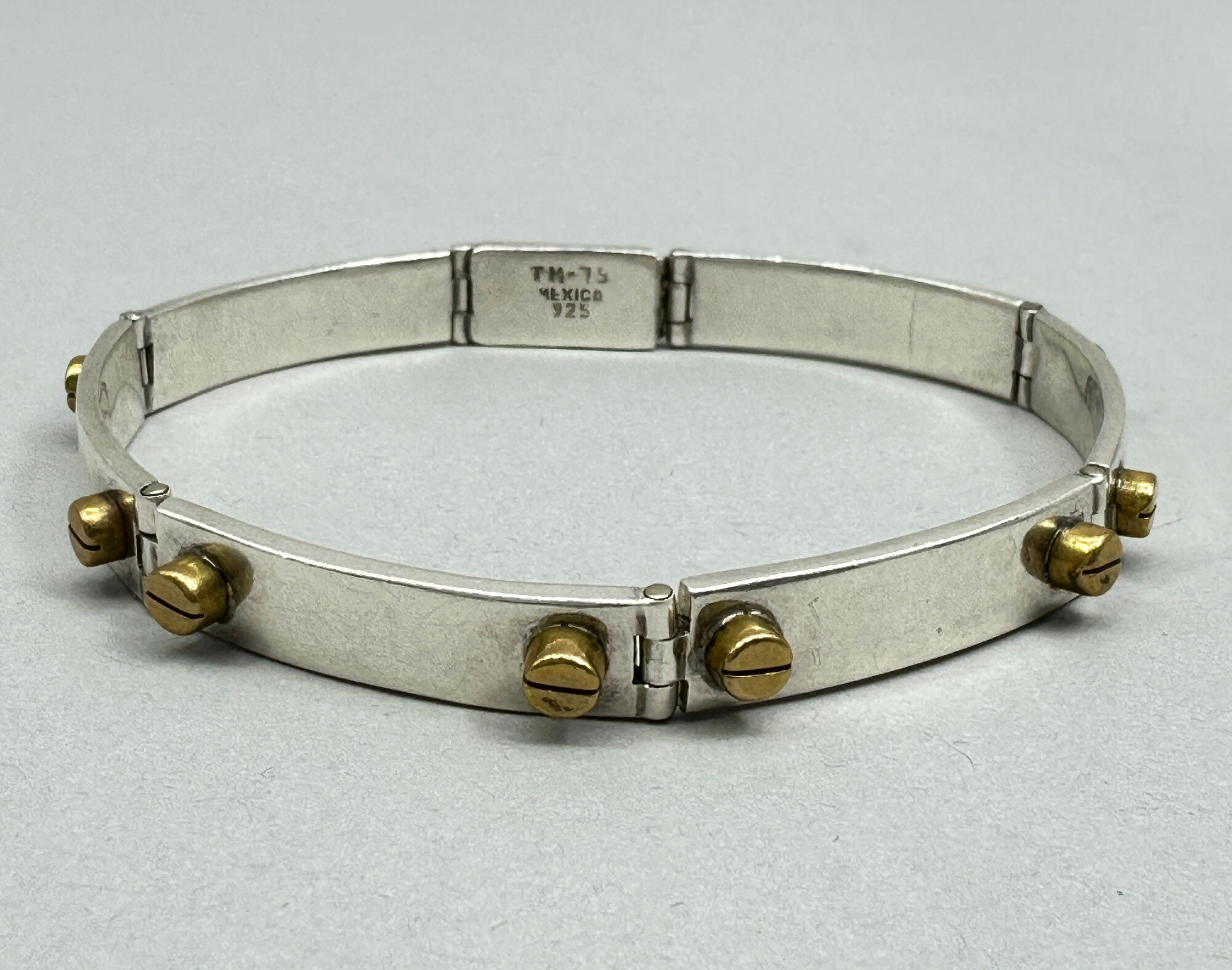
Taxco bracelet with rivet details c1980
Price: £85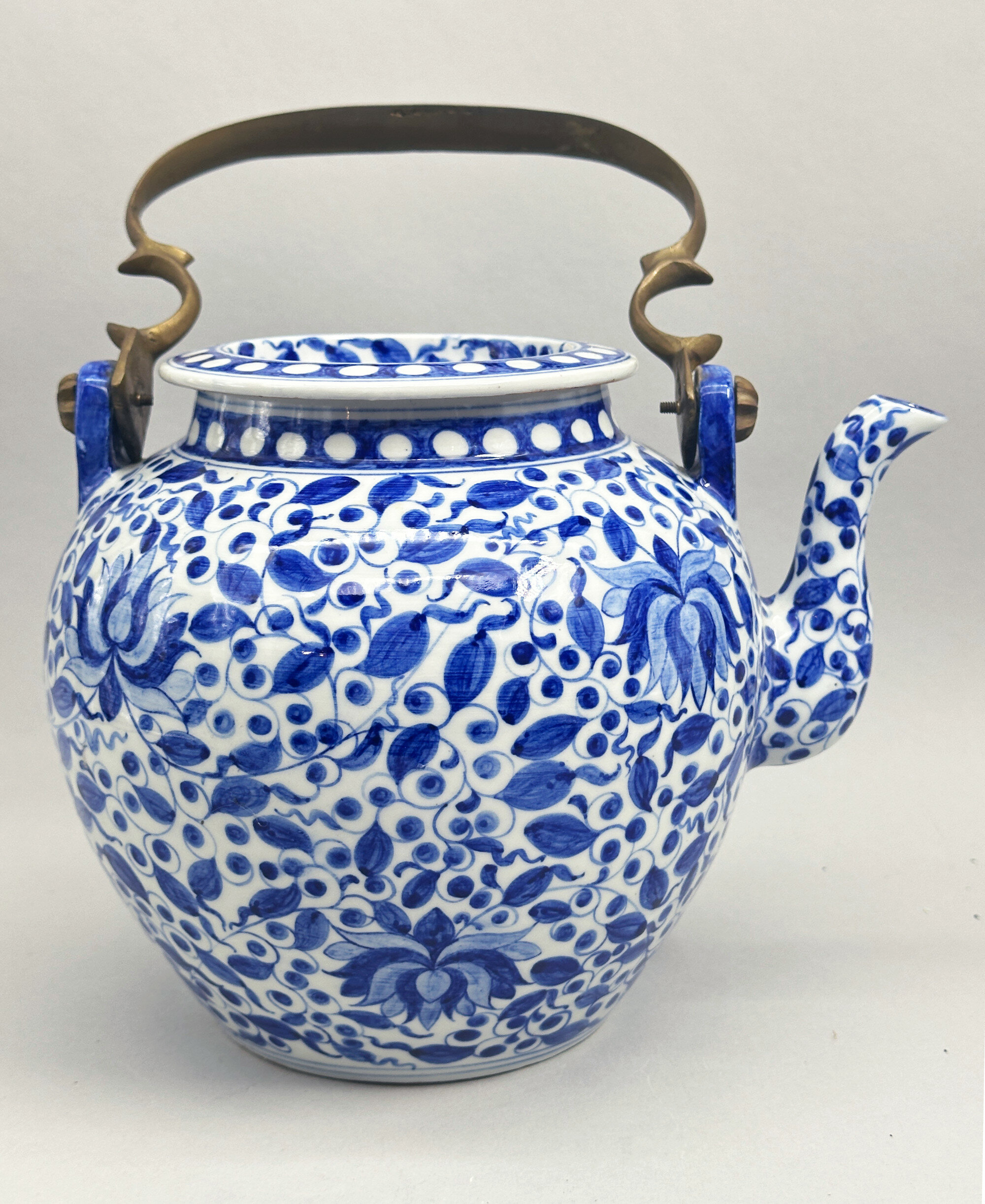
Exceptionally large Chinese Blue and White Teapot with metal handle, C19th
Price: £350The form here, without a ceramic handle but with an attached carrying handle, suggests a travelling teapot, a well known variation of the teapot type produced in China but rarely found on such an epic scale. Presumably this piece was intended for use at a rather large gathering or banquet so that a multitude of guests could be served at once! The paste of the footrim, style of decoration and clearly visible hand thrown potting rings (see images 8 and 9) all point to late nineteenth century work which is confirmed by the minute vertical lines seen on the exterior which are often found on blue and white pieces from that period. It is sometimes suggested that these brass handles, for similar examples can be found, were made in Thailand but there is little evidence for this. However, a local audience rather than an international one seems more than likely since there would have been little call for such a serving item in Western homes.
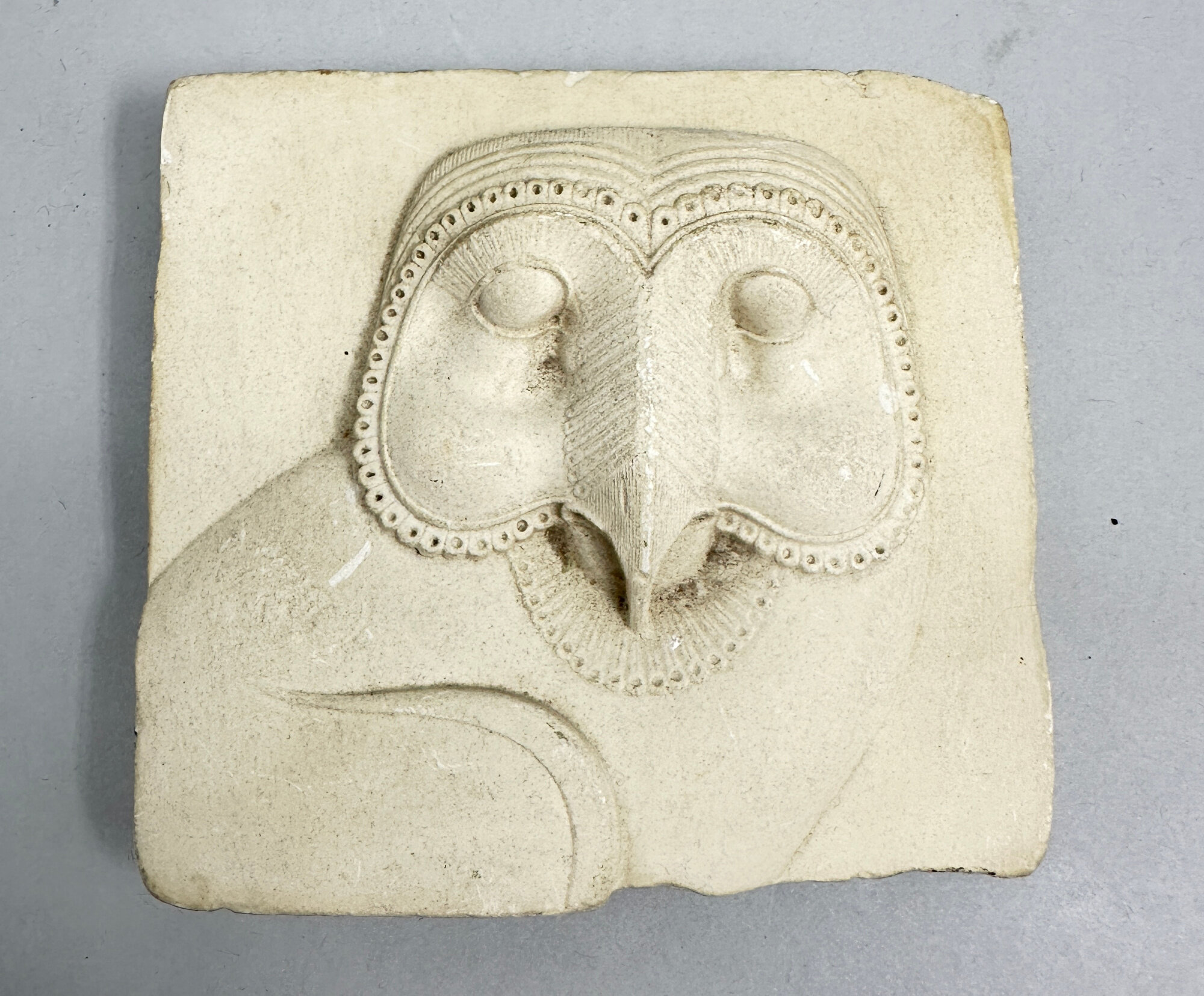
Metropolitan Museum of Art Egyptian Hieroglyphic wall plaque c2000
Price: £20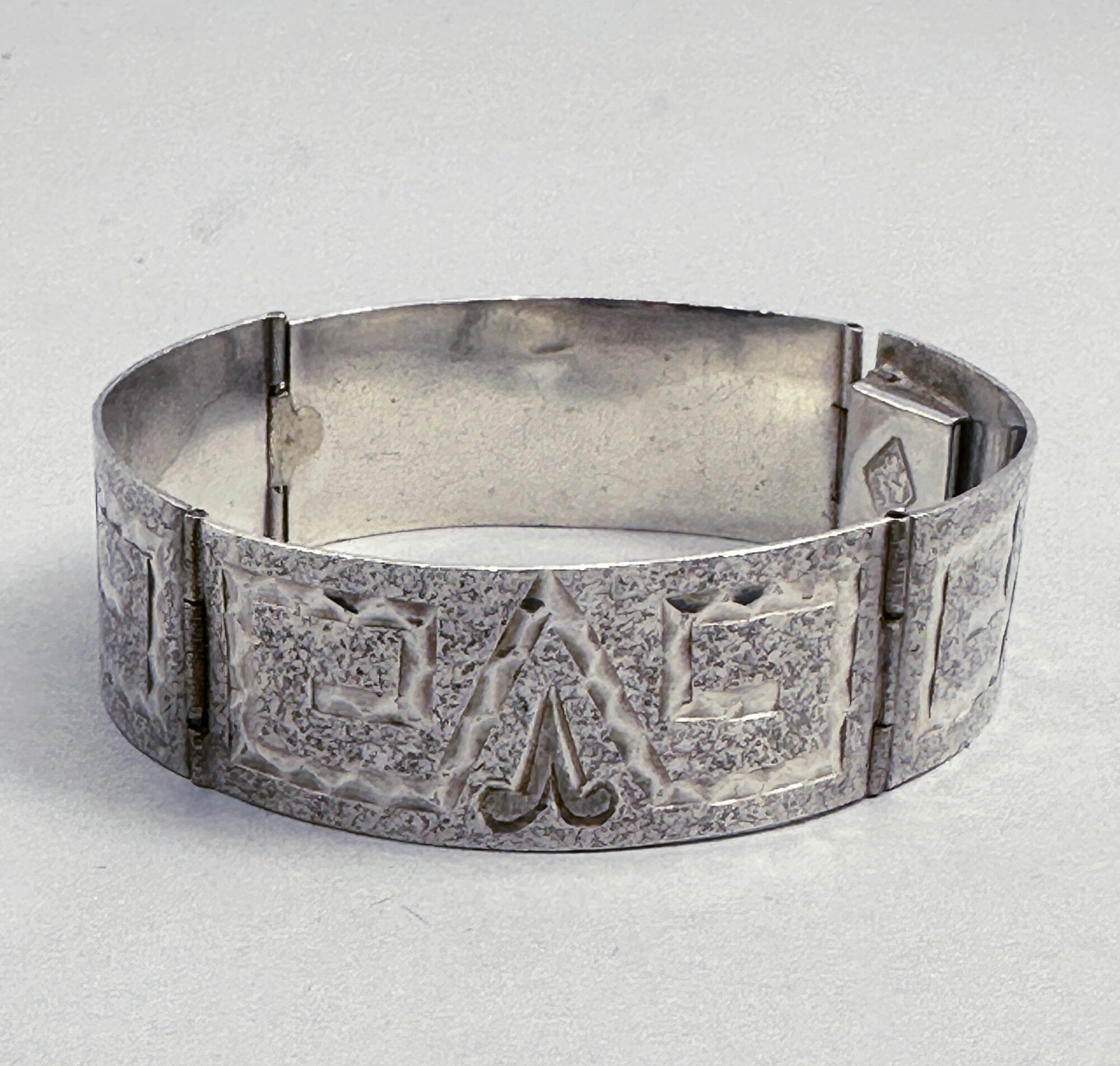
Mexican Silver Bracelet with Aztec Designs, Taxco, 1950s
Price: £65
Druzy Quartz and Onyx panel Bracelet, c1940
Price: £125
Native American turquoise cuff bracelet, 1960s
Price: £225
Taxco grape motif necklace, c1980
Price: £250
Taxco clamper bracelet, attr. to Justo or Jorge Castillo, 1940s
Price: £450Justo and Jorge Castillo come from the Los Castillo workshop. Los Castillo was an influential and ongoing design and manufacturing enterprise established in 1939 by Antonio Castillo and his brothers Justo and Jorge and their cousin Salvador Teran. Los Castillo is known for sterling jewellery and fine pieces in "married metals" combining various metals such as silver, copper and brass. Castillo who arrived in Taxco in 1923, began his long career working for William Spratling at Taller de las Delicias. He married Margot van Voorhies prior to opening Taller Los Castillo bu they were later divorced in 1946. (see The Little Book of Mexican Silver Trade and Hallmarks, 2013)
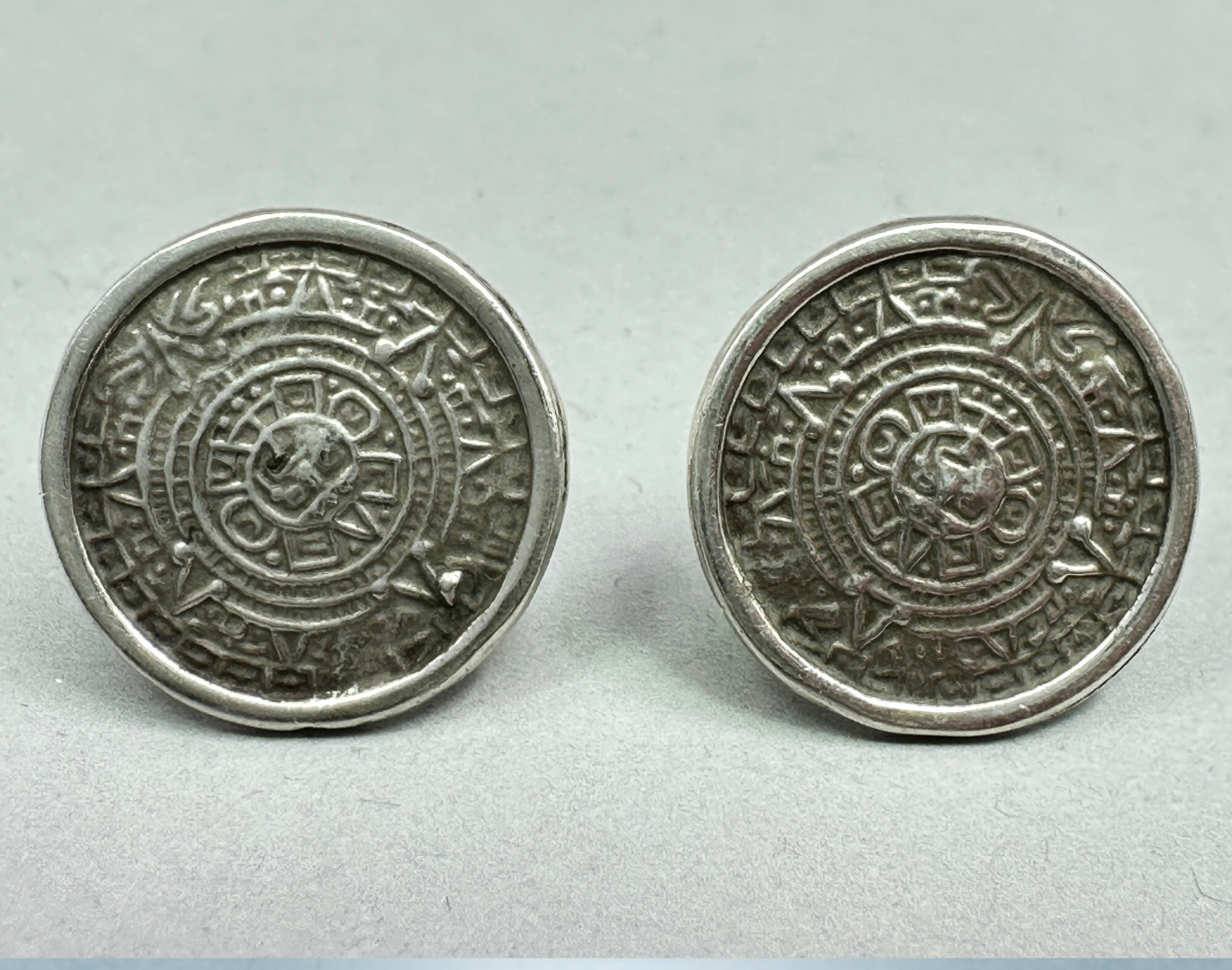
Taxco Mayan Sundial earrings, c1980
Price: £25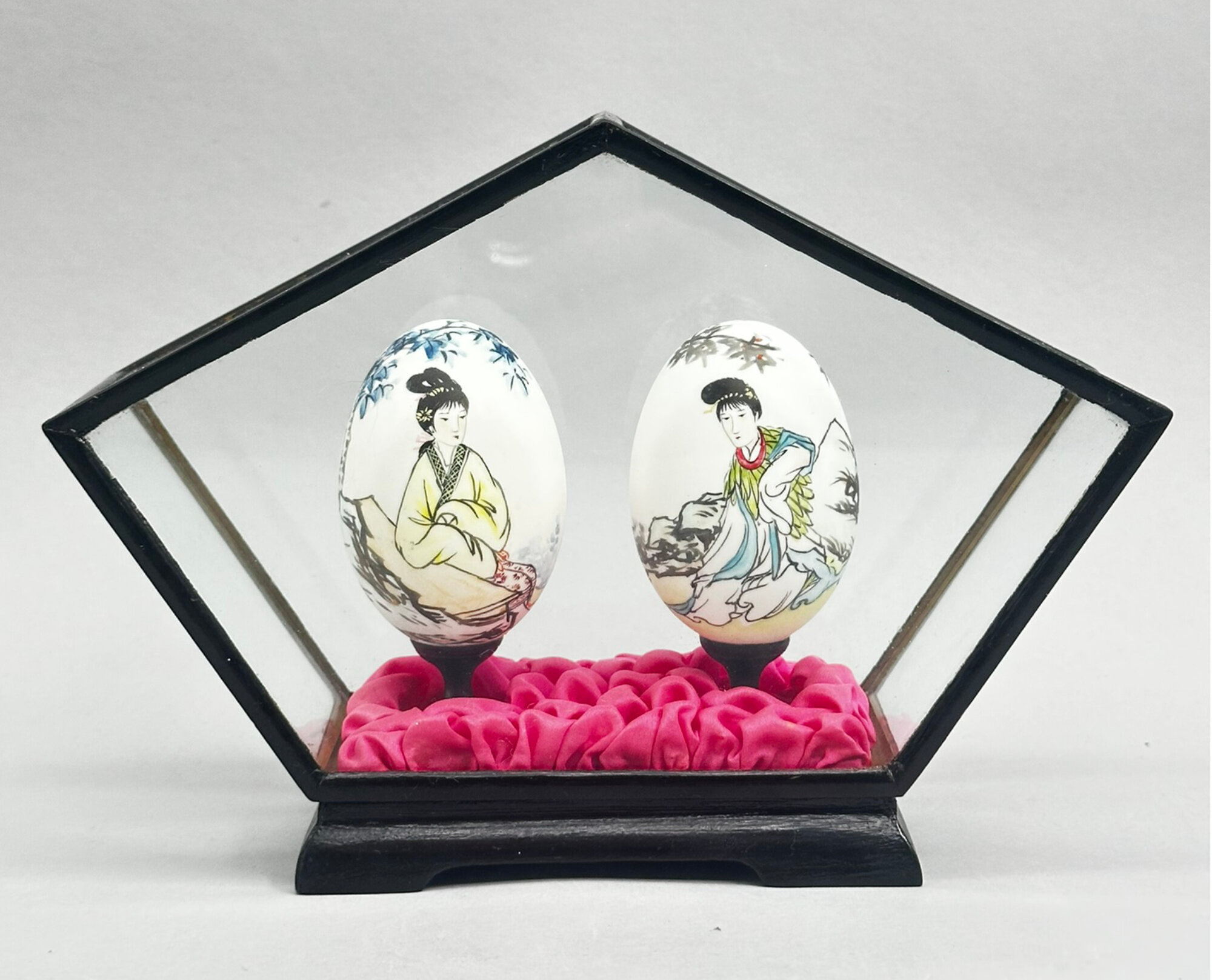
Pair of Chinese Hand Painted Eggs in Case, 1970s
Price: £25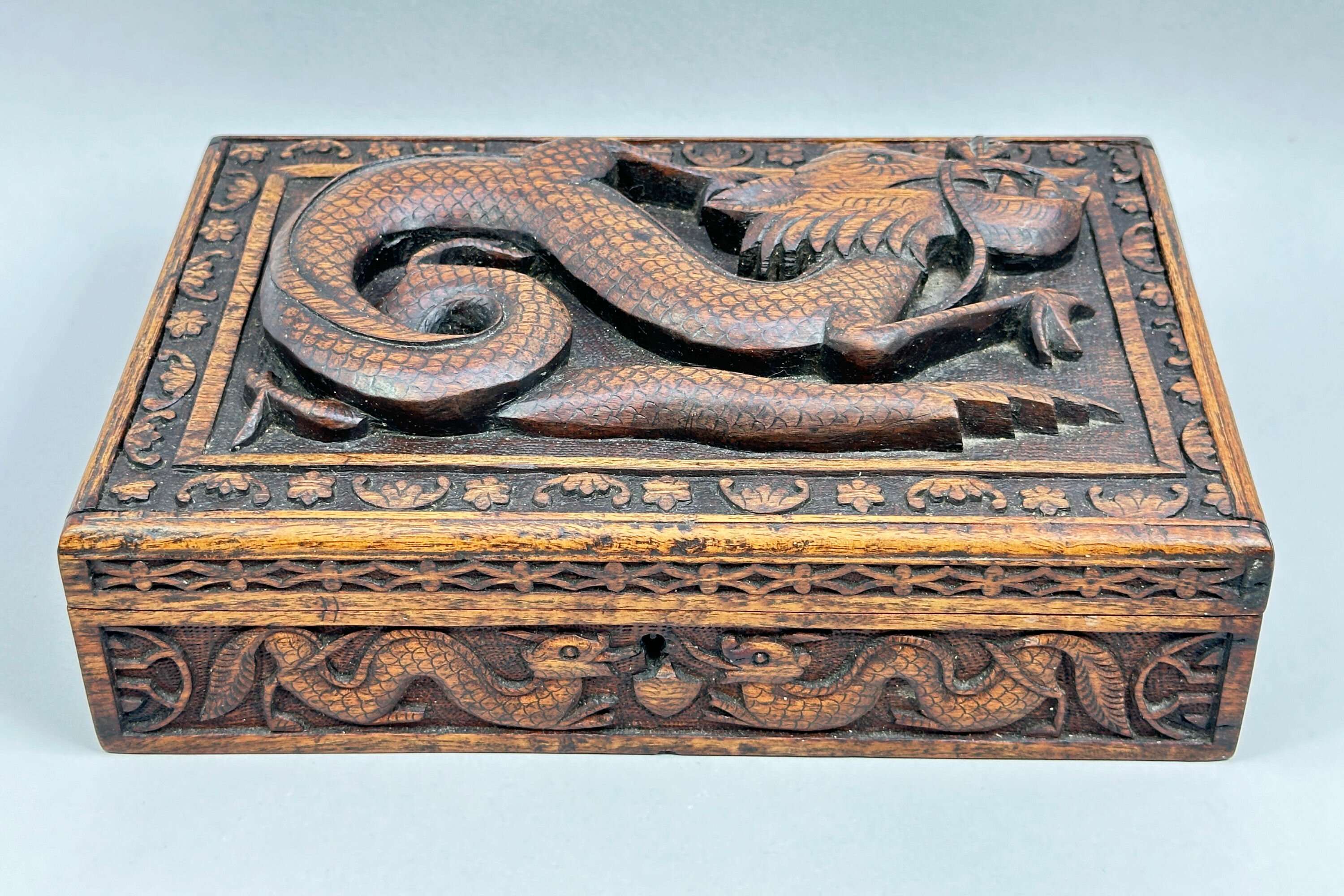
Chinese carved wood Box decorated Dragons, early C20th
Price: £150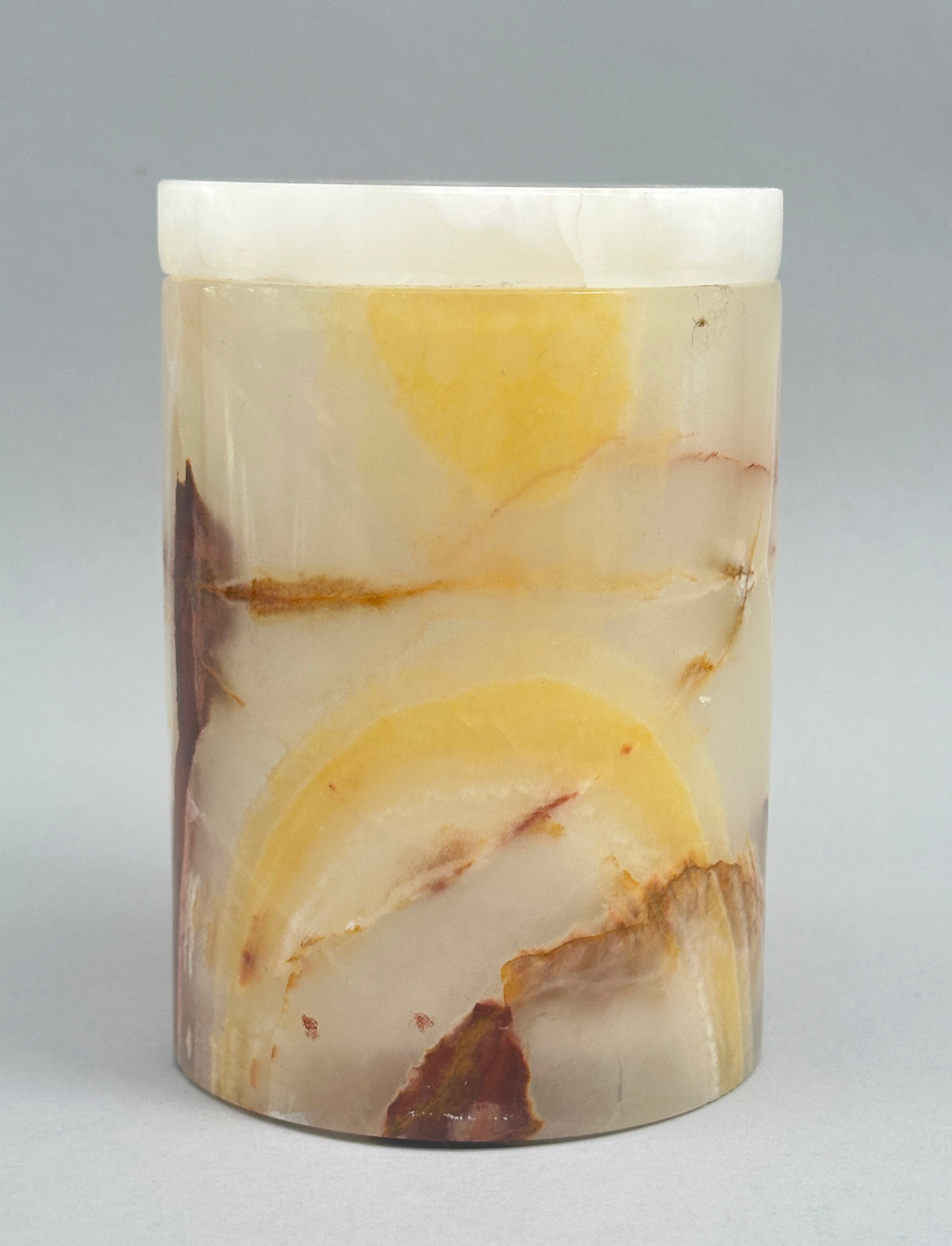
Tubular Onyx Box and Cover, 1960s
Price: £35
Taxco silver bracelet, c1980
Price: £50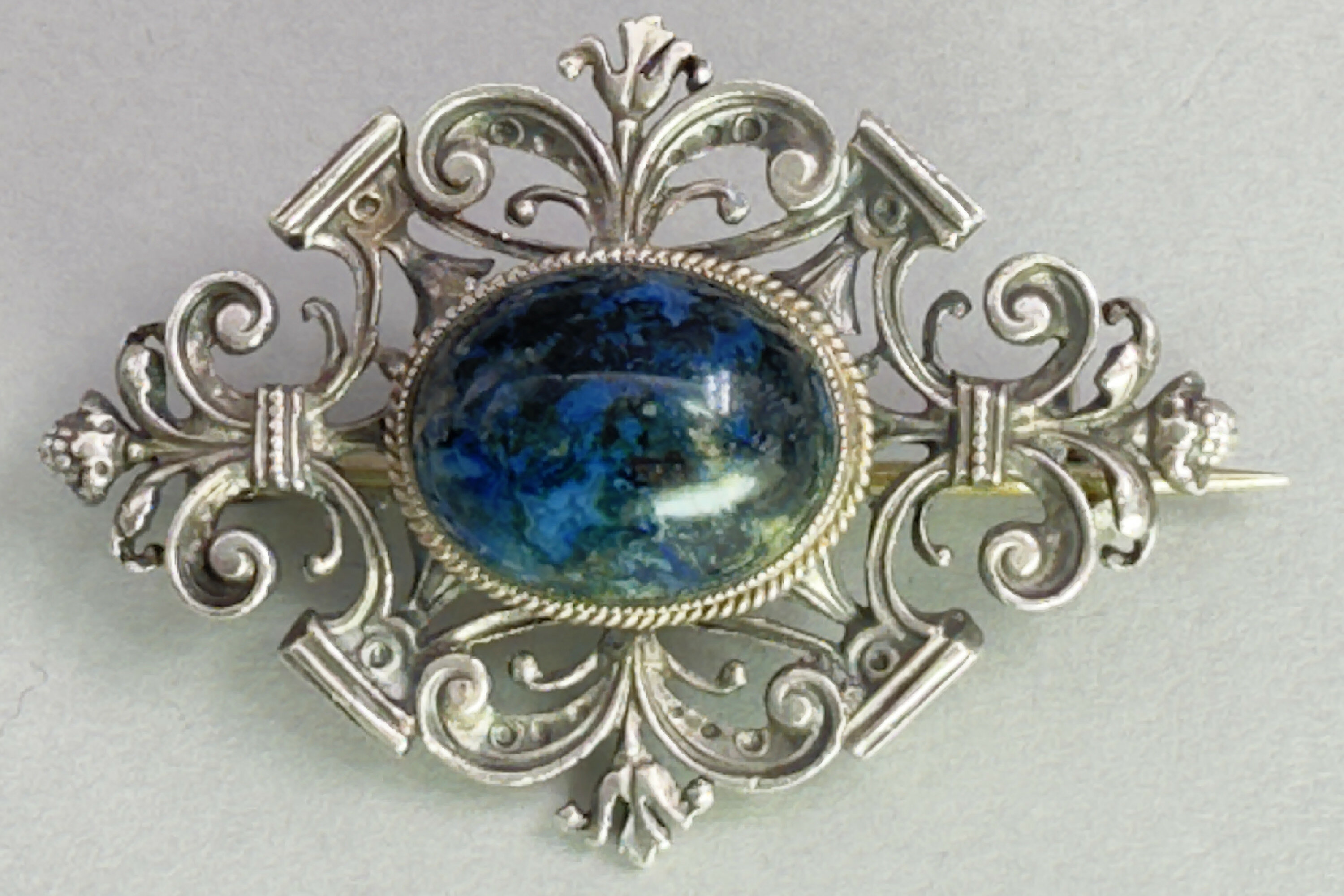
Florentine style lapis and silver brooch c1900
Price: £35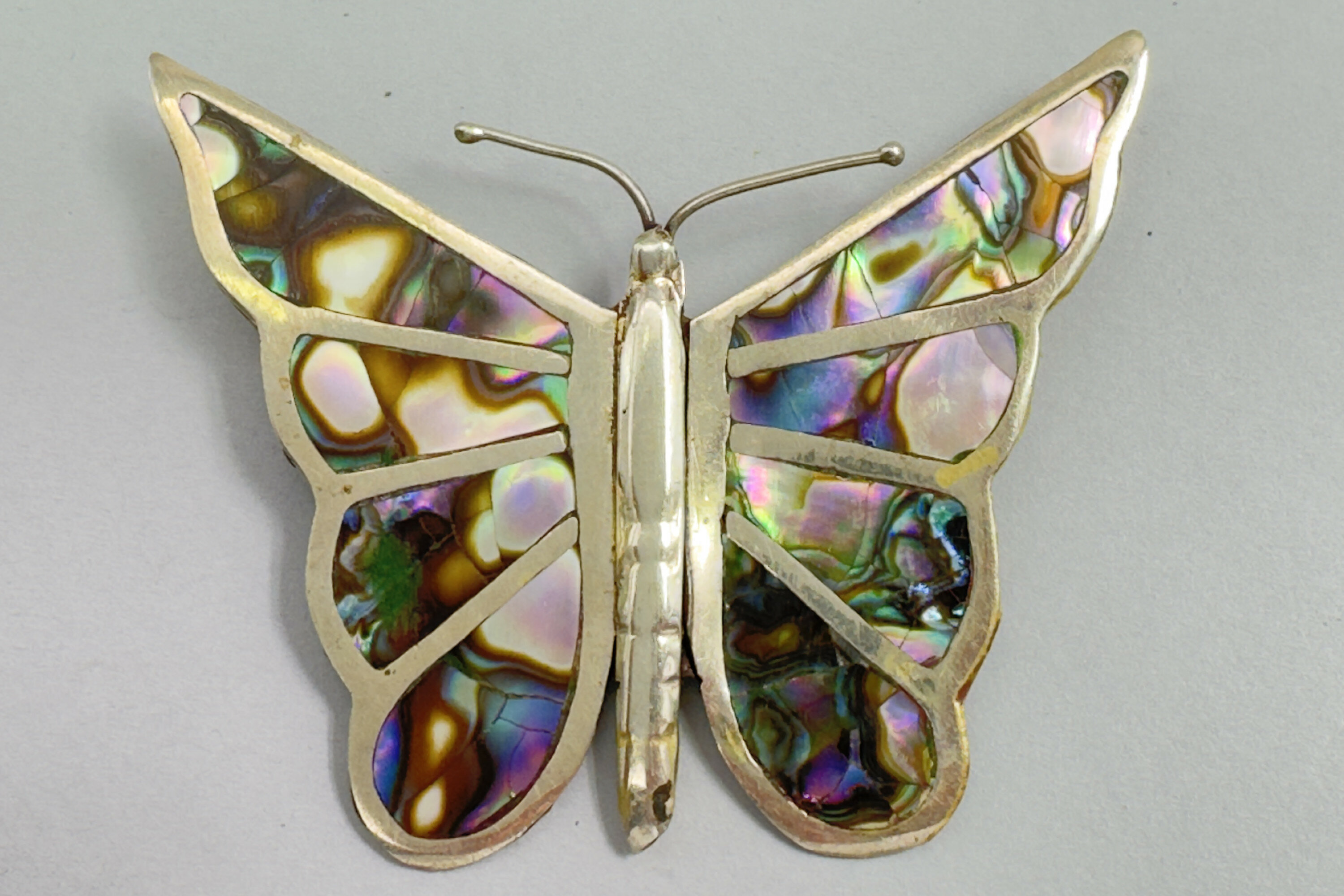
Taxco butterfly brooch with abalone, makers mark EL 1960s
Price: £55
Stunning jade and silver lariat necklace, 20th century
Price: £150
Taxco Silver and Copper Bracelet, c1940
Price: £55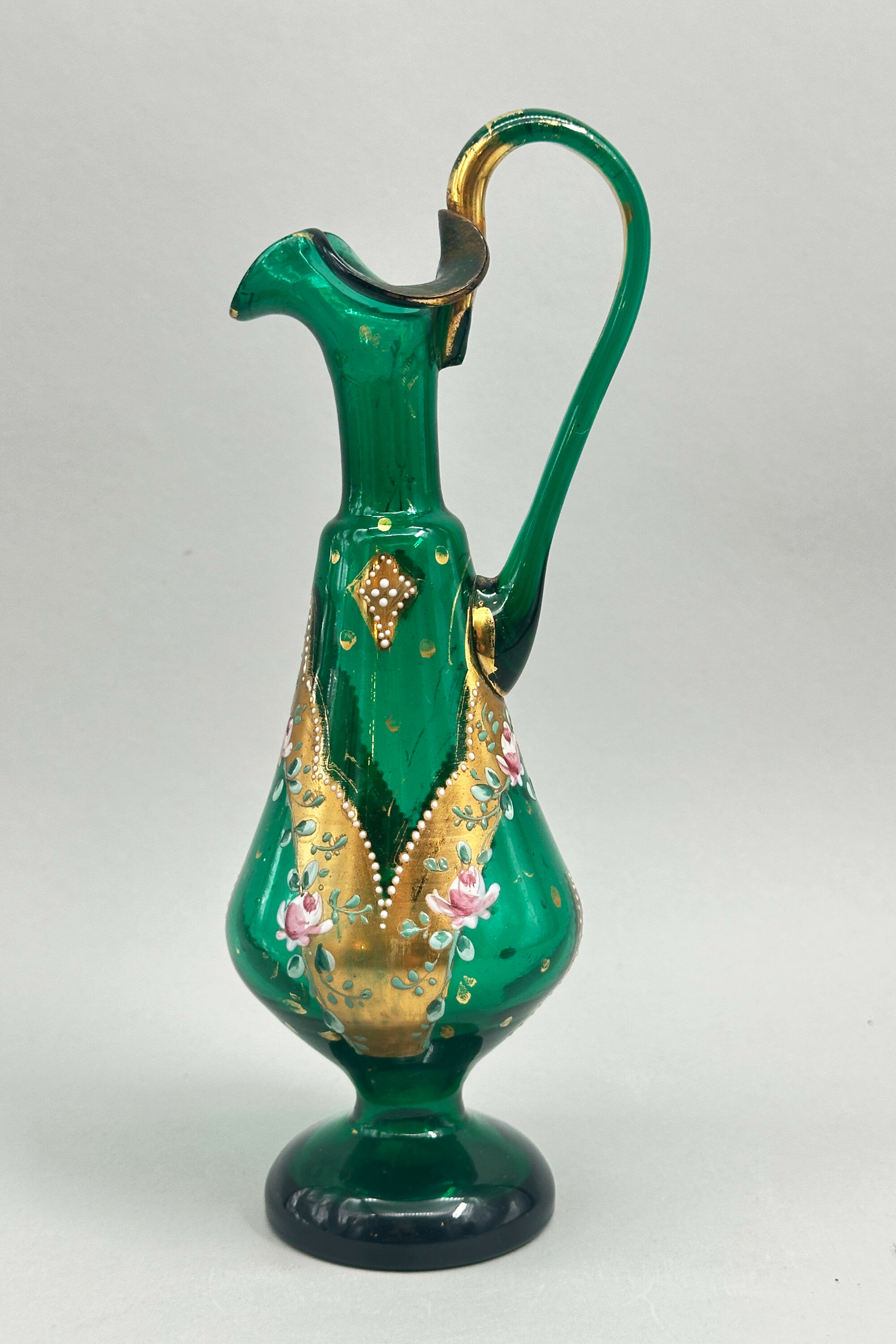
Bohemian Green Glass Moser style Ewer, late C19th
Price: £35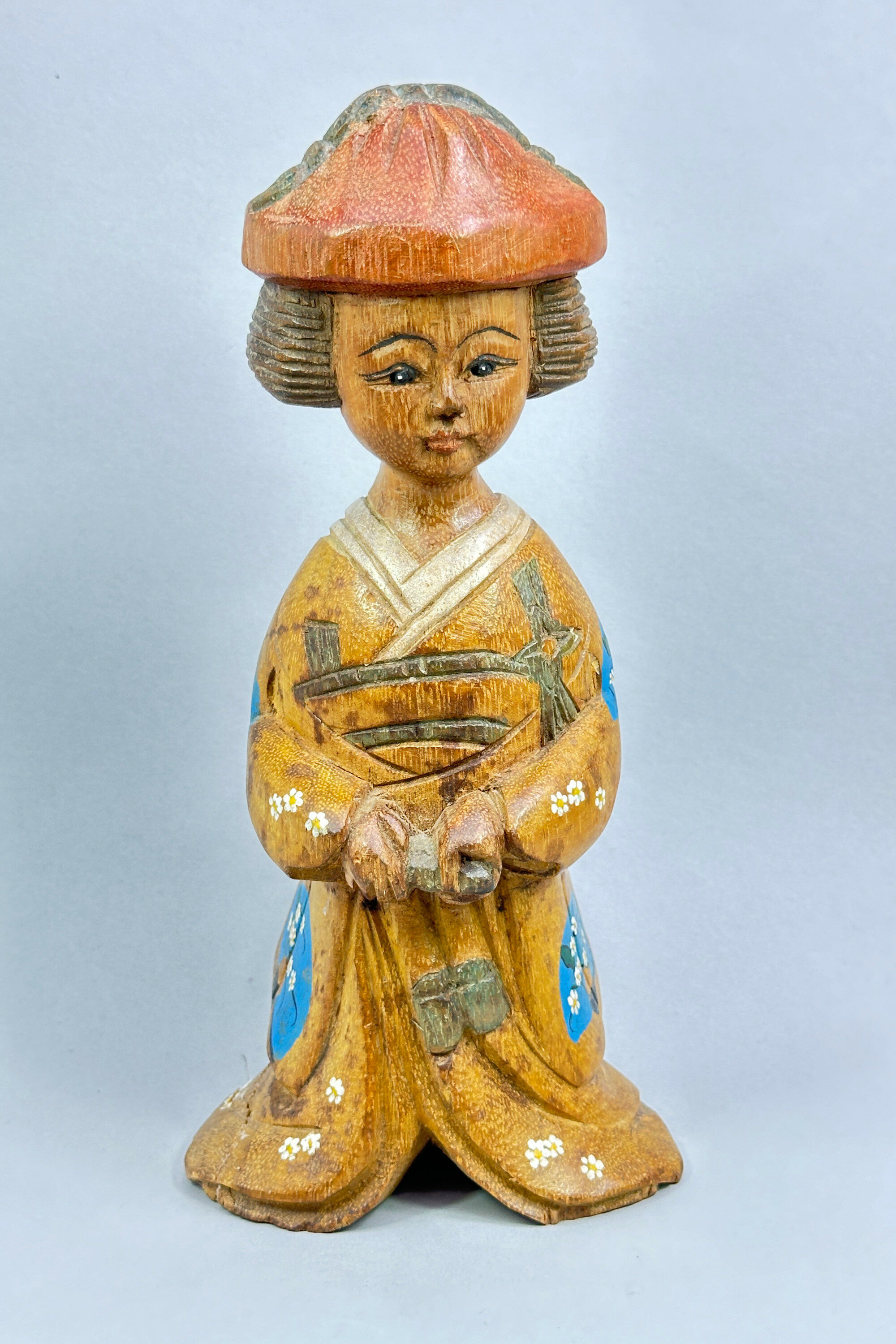
Japanese Carved Wood Figure of a Young girl, Kokeshi doll style, C20th
Price: £45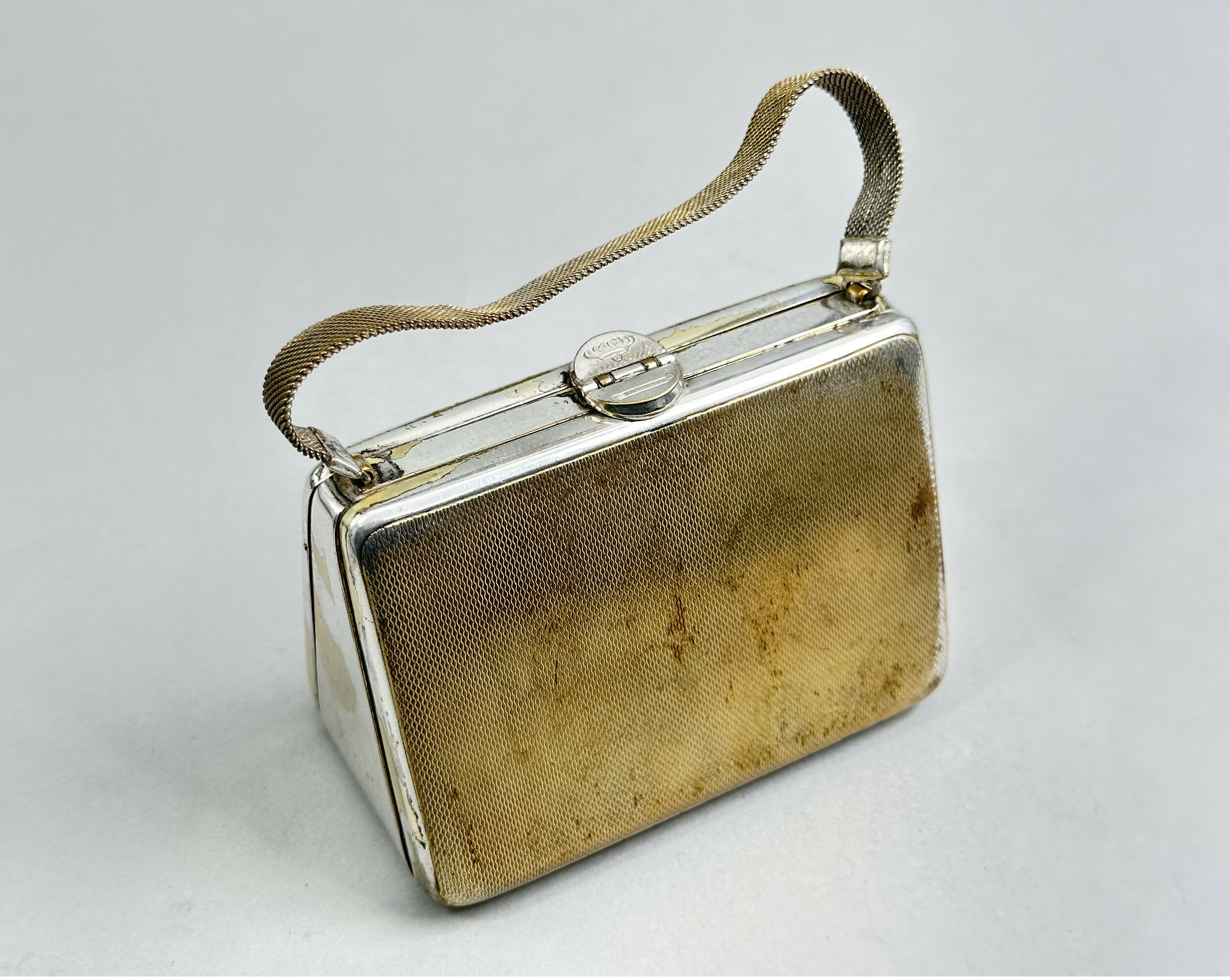
Double sided minaudiere wrist bag 1920
Price: £20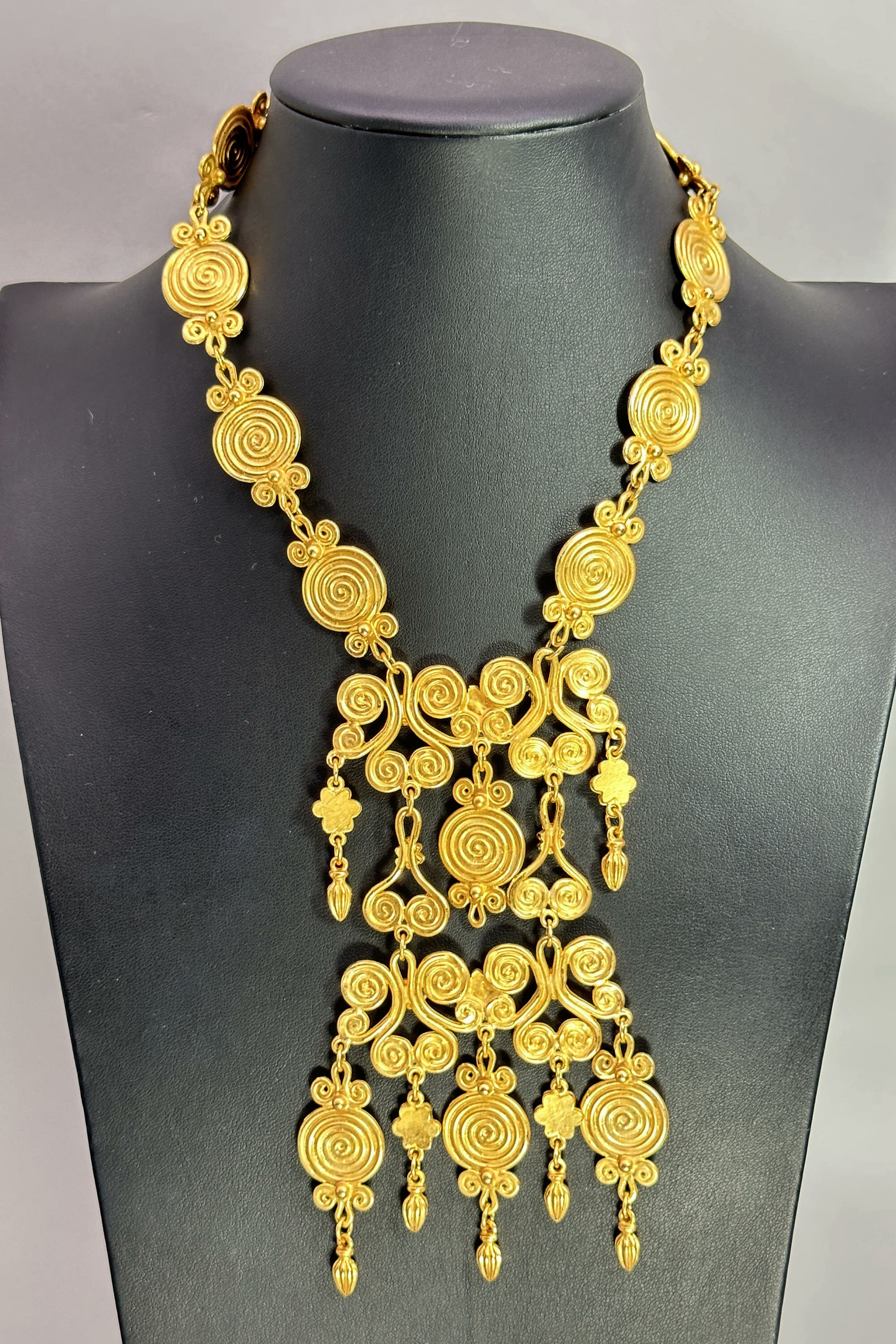
Statement necklace in the manner of Lalaounis c1990
Price: £75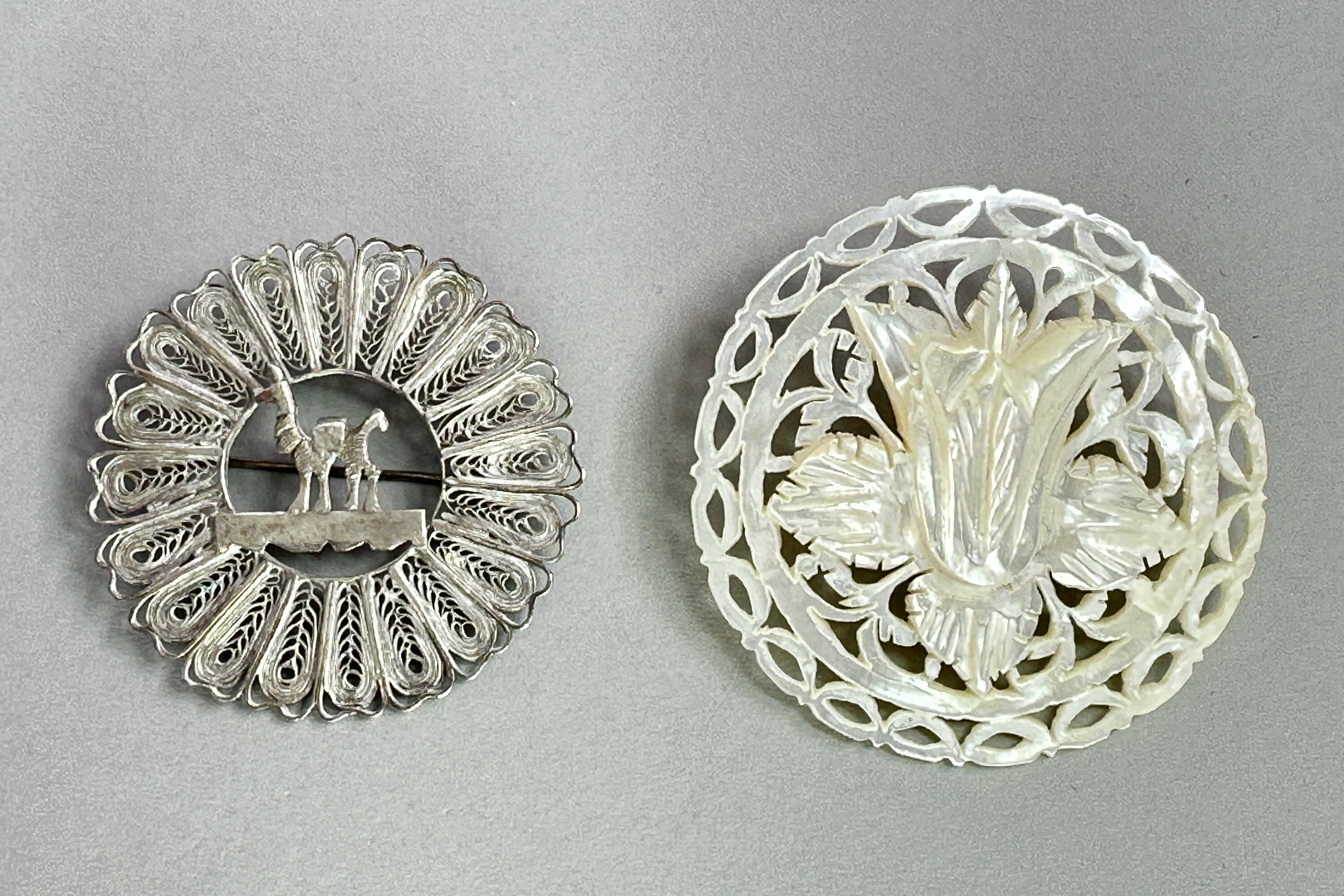
Two brooches - Jerusalem Mother of Pearl and Egyptian Silver, 1950s
Price: £15PLEASE NOTE THAT THERE IS FREE UK SHIPPING ON THIS ITEM. For international buyers the shipping cost will be reduced by the UK shipping cost, so don't worry if you are outside the UK, you still receive this benefit!