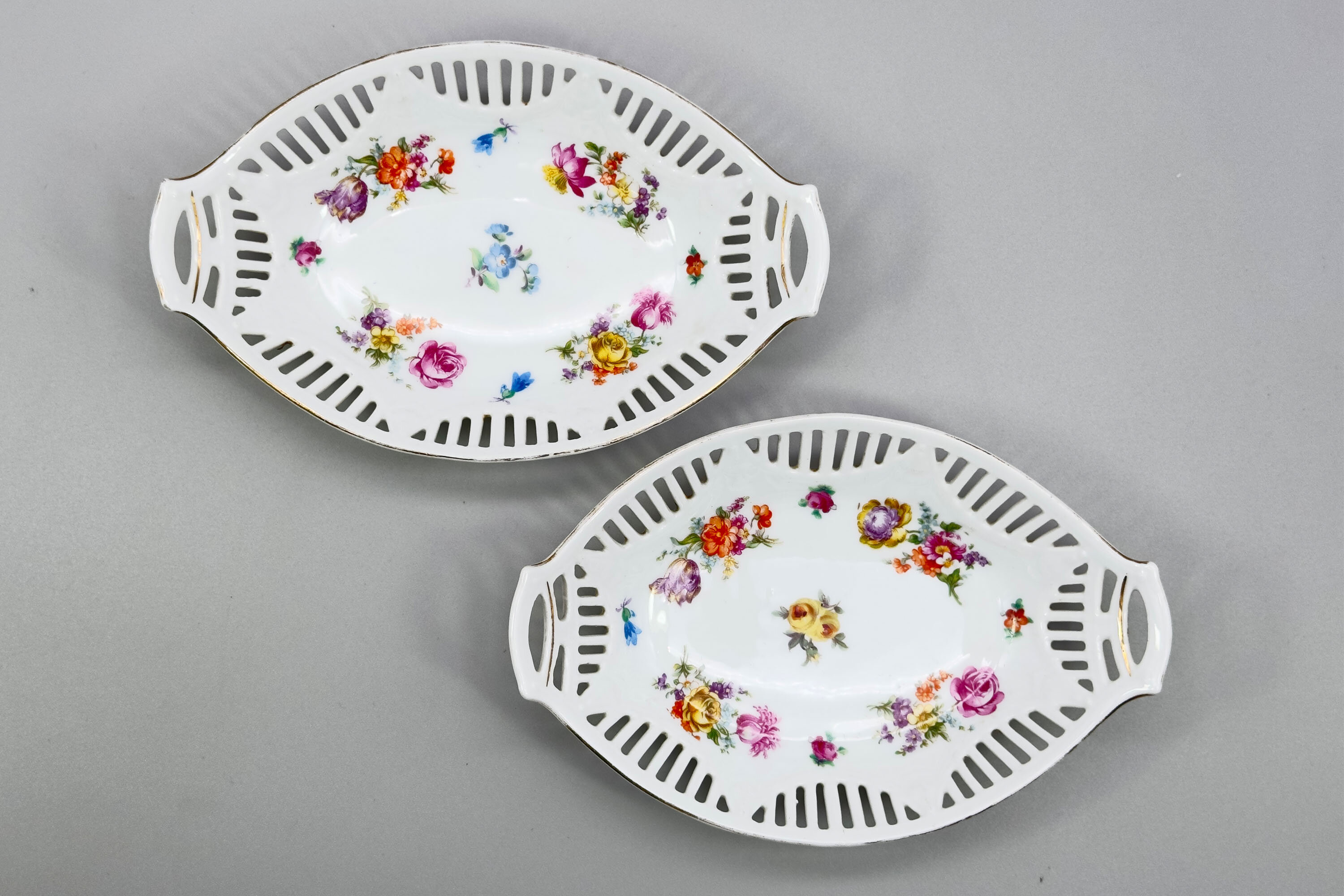
Pair of reticulated edge floral decorated Dishes, Schumann Bavaria, Germany 1920s
Price: £45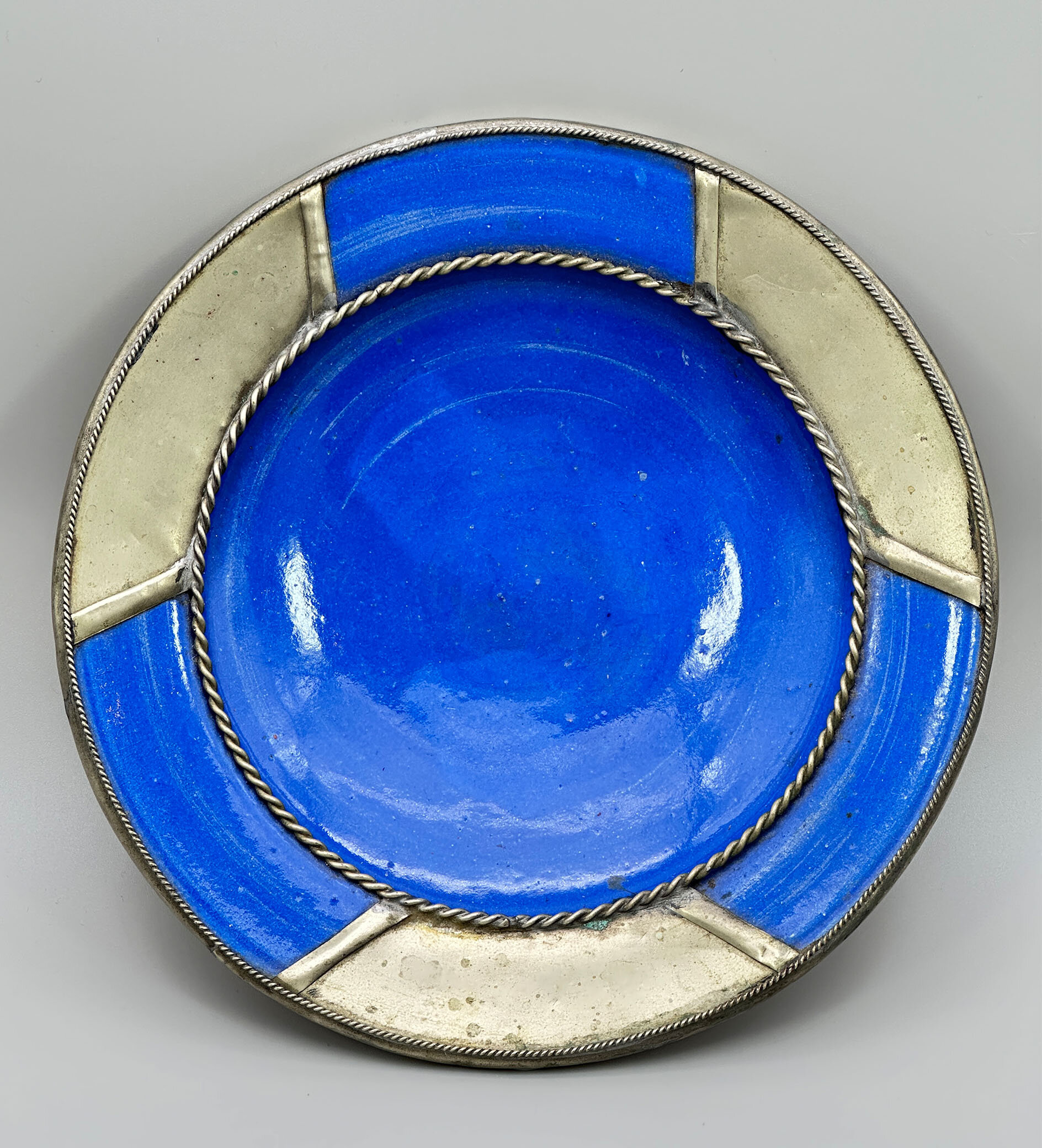
Morrocan safi ware Dish, silver metal bound, signed La Médina Paris, modern
Price: £45
Beautiful Victorian ruby glass scent bottle, circa 1880
Price: £350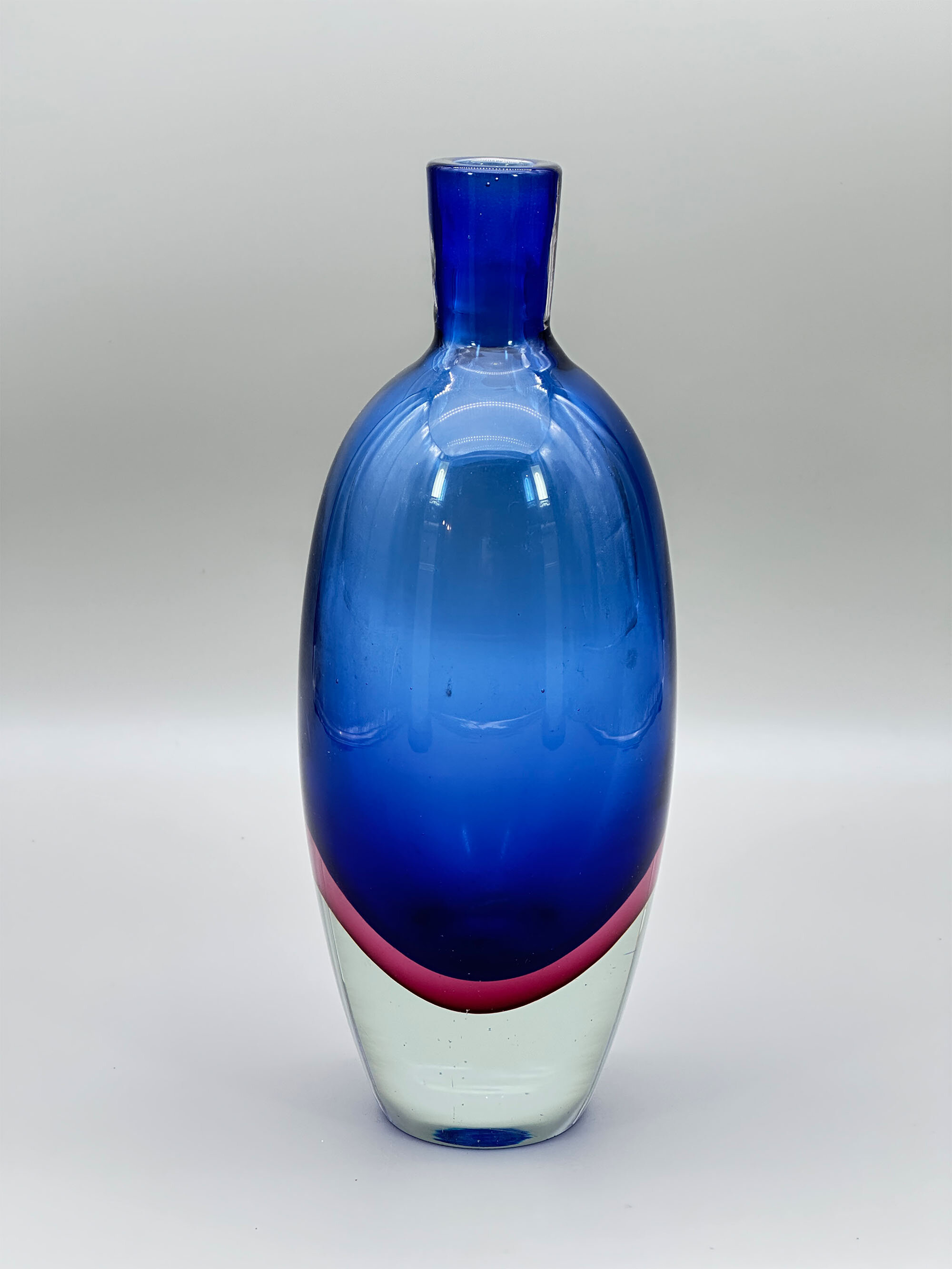
Sommerso blue glass bottle vase, Flavio Poli for Seguso Vetri D’Arte, 1950s
Price: £150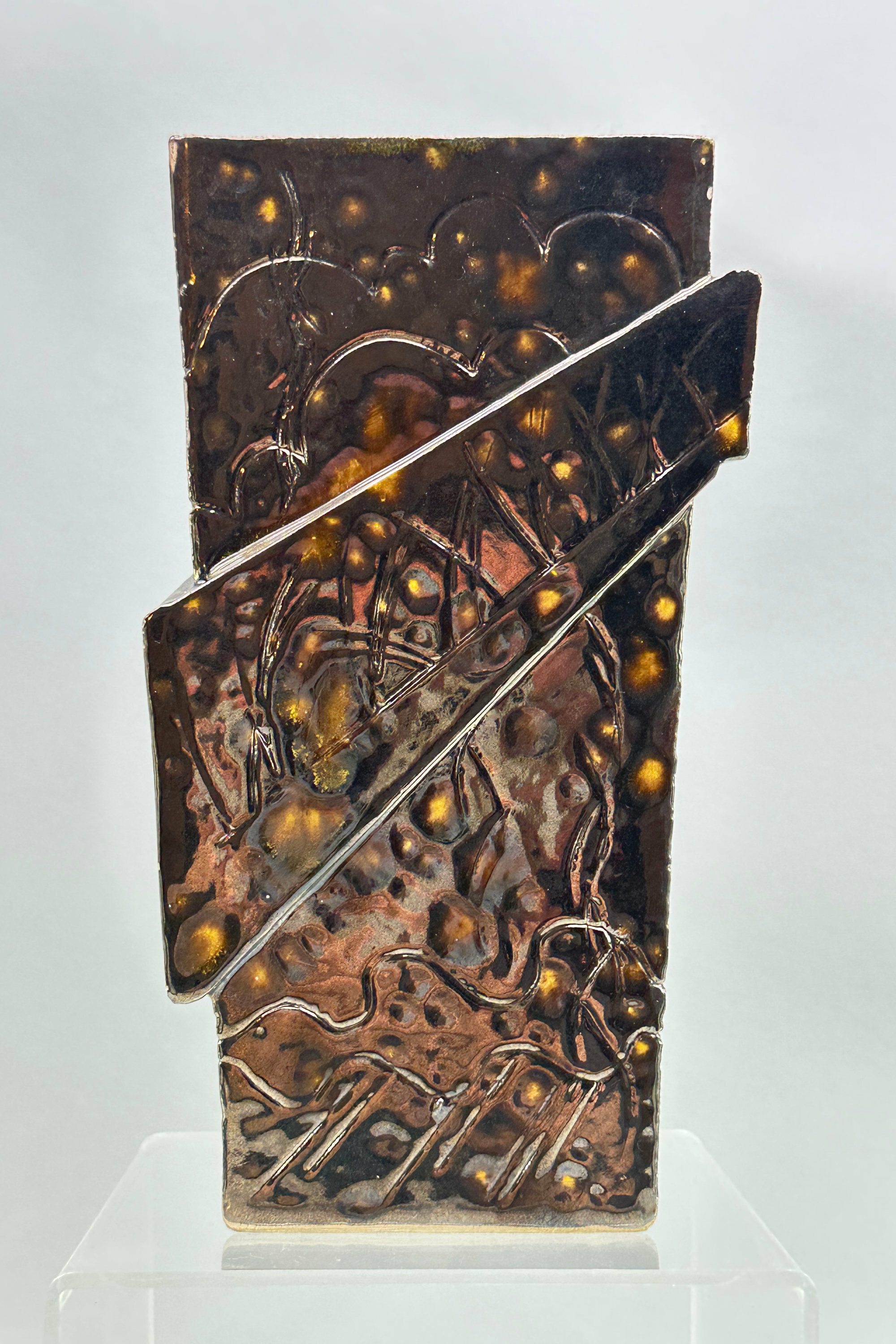
Art Deco Style brown lustre glaze triangular form Vase, signed, C20th
Price: £35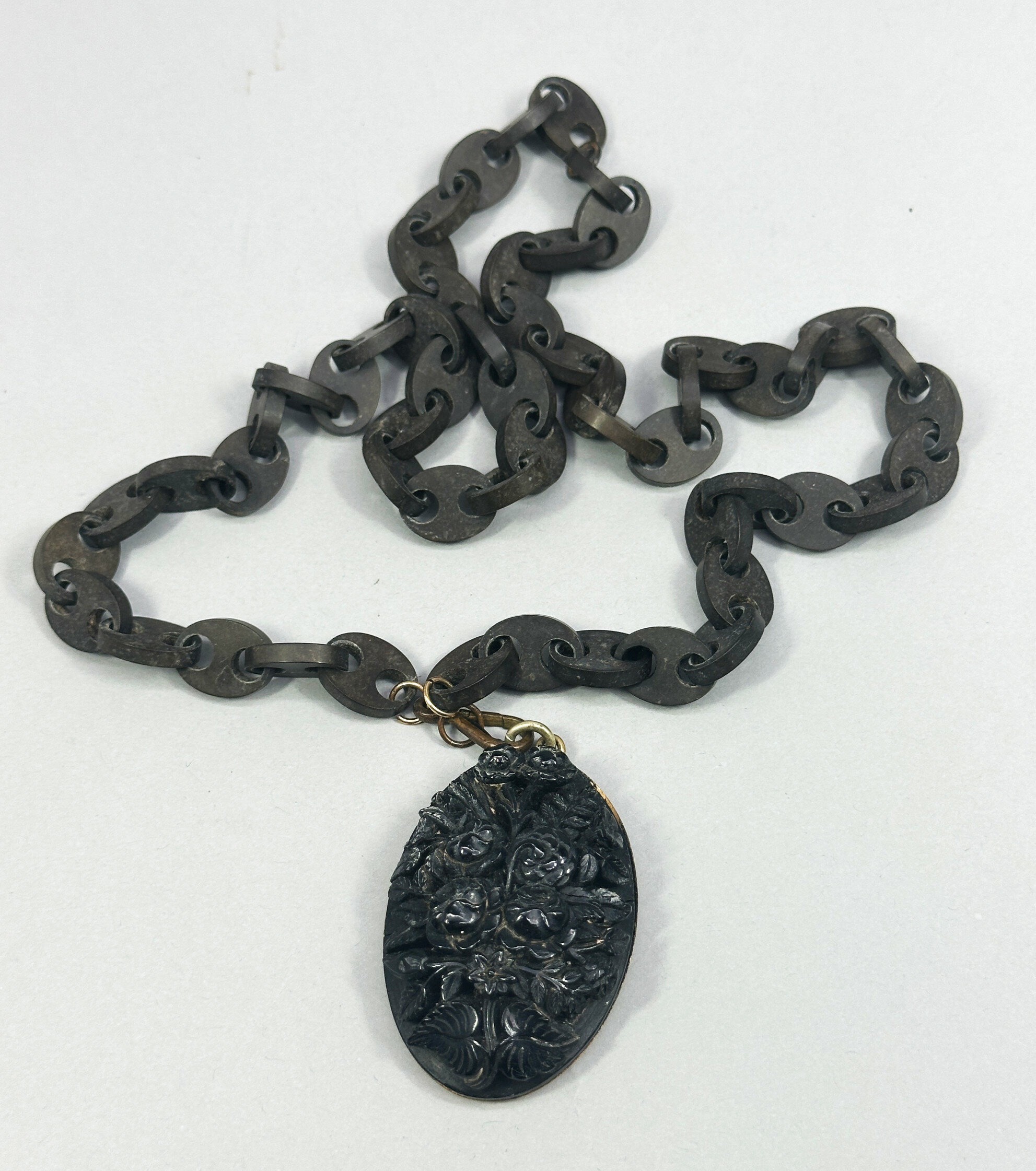
Victorian vulcanite anchor chain necklace with carved jet pendant c1880
Price: £195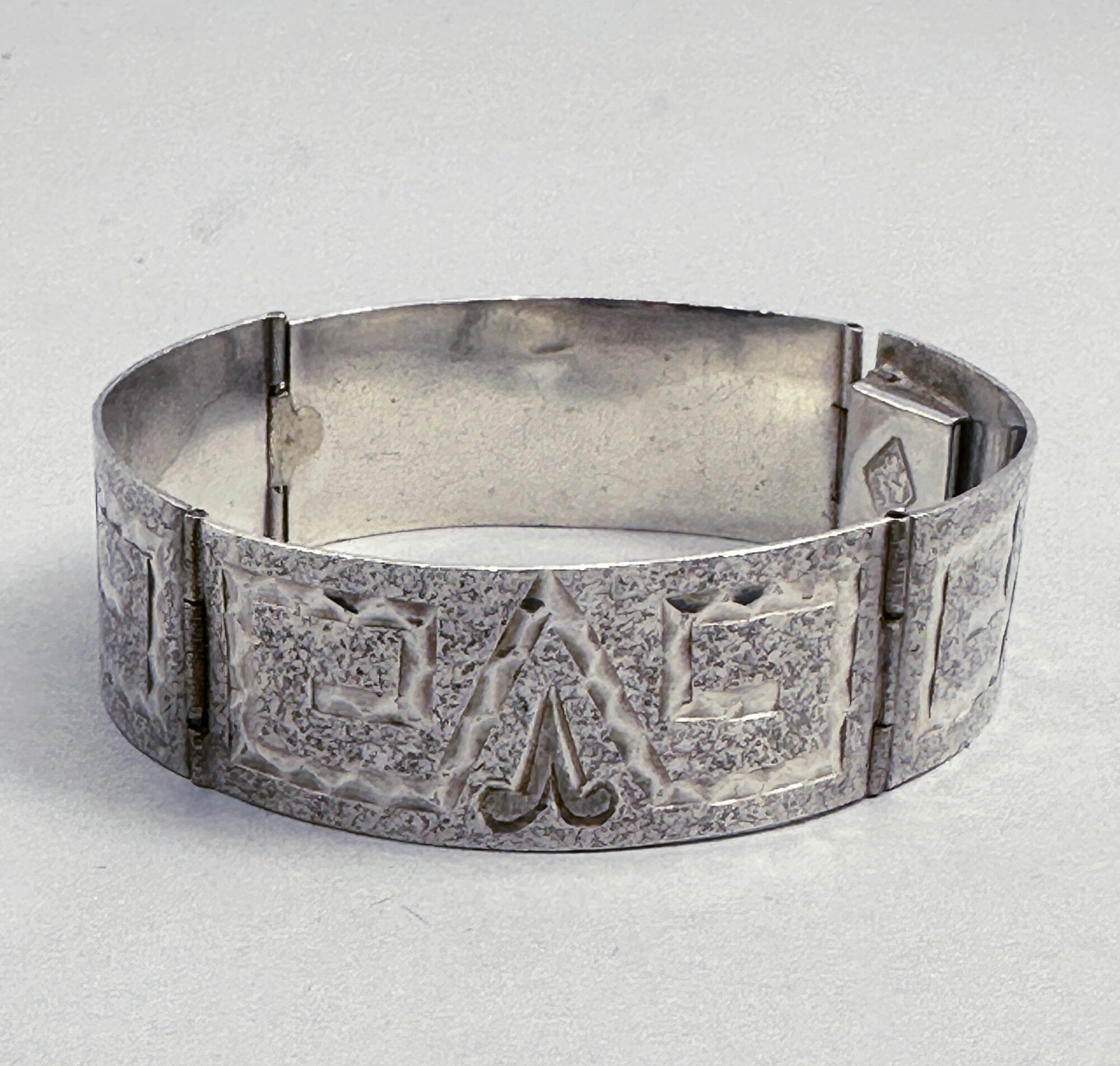
Mexican Silver Bracelet with Aztec Designs, Taxco, 1950s
Price: £65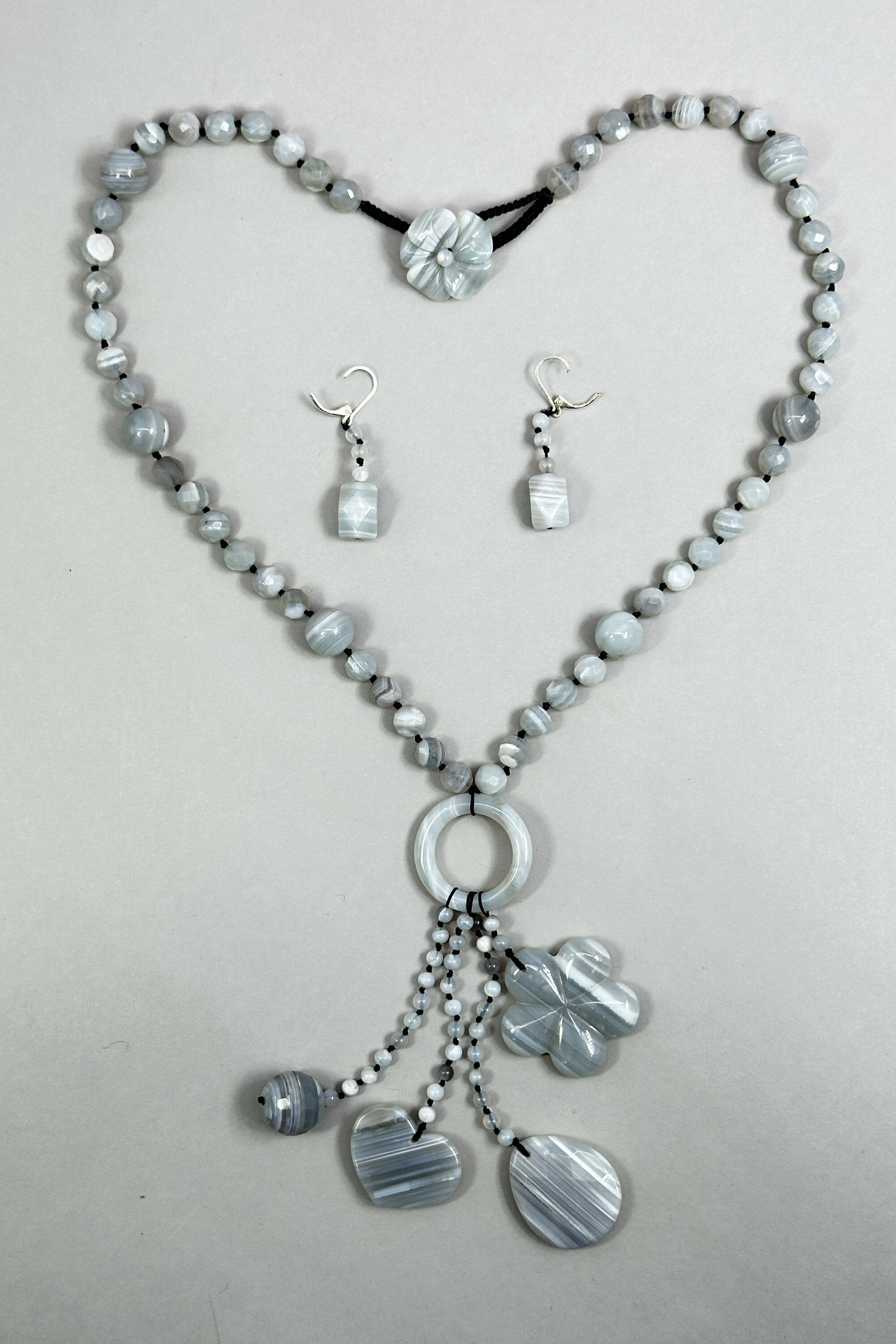
Chinese lace agate earrings and necklace suite
Price: £50
An Arts and Crafts small Brass serving Tray, English early twentieth century
Price: £95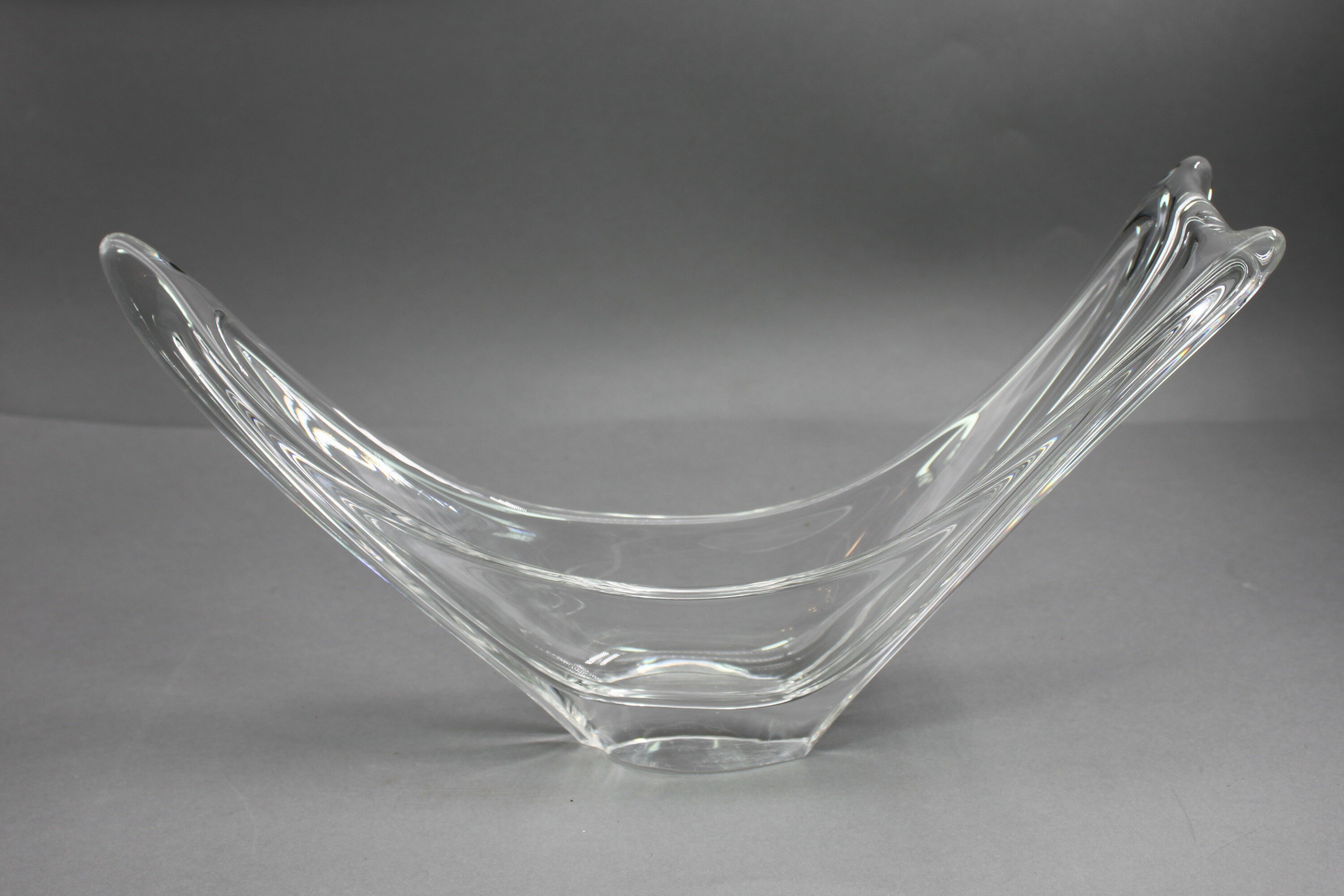
Daum Crystal Glass Swallowtail Bowl, signed Daum-France circa 1960
Price: £150Vases in this form were produced by the well known French maker Daum in the 1950s and the 1960s. The sizes and designs can vary with some examples measuring up to two feet and intended as table ornaments. This piece is rather smaller and perhaps more elegant. The crystal glass is of extremely high quality and reflects the light in a very attractive way. The weight is good and the glass itself is thickly blown and expertly formed, The flat base shows signs of bevelled edging at the exterior and one of the sides bears the typical etched Daum mark with 'Daum' and 'France' separated by a device comprising an upright line with two crosses.
The more petite size and the quality of the manufacture and design make this a most appealing example of Daum's work at its best. Dating can be assumed to be around 1960 if not slightly before. A desirable piece indeed for collectors of twentieth century art glass.
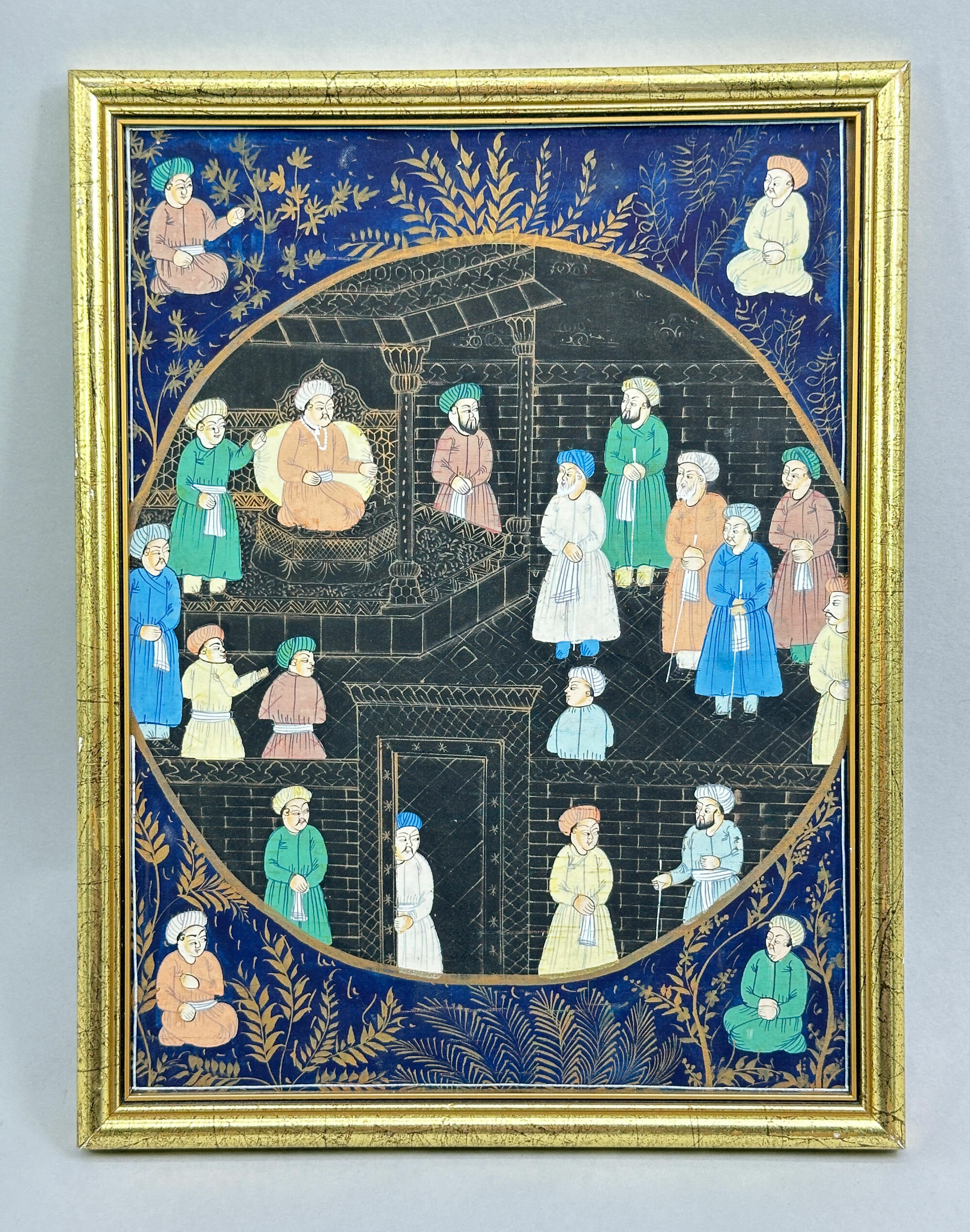
A Mughal style Gouache Painting depicting a Dignitary and Attendants, C20th
Price: £75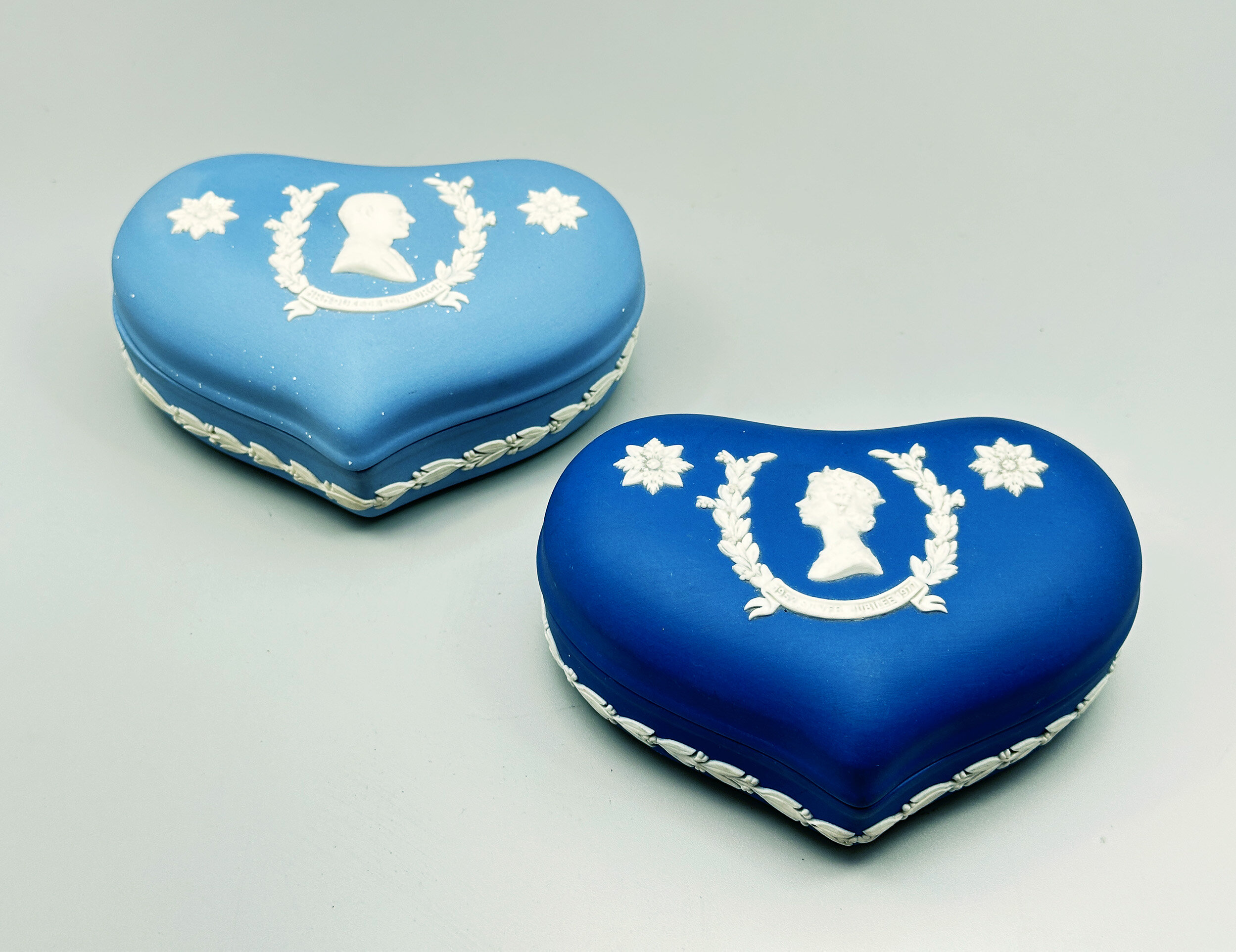
Wedgwood heart shape Boxes : Queen Elizabeth II and Prince Philip
Price: £25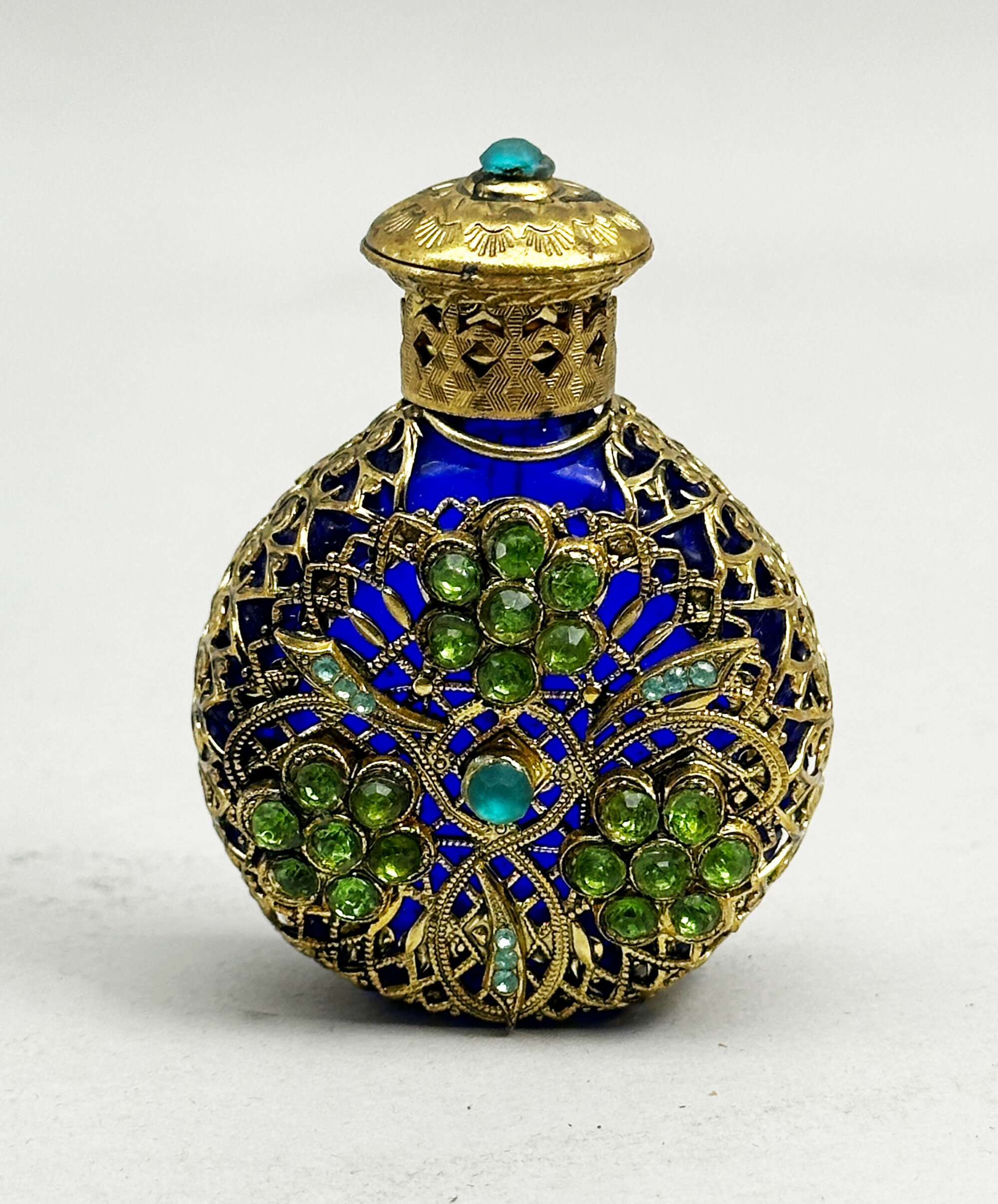
Czech rhinestone jewelled glass metal filigree Perfume Bottle and Stopper, C20th
Price: £45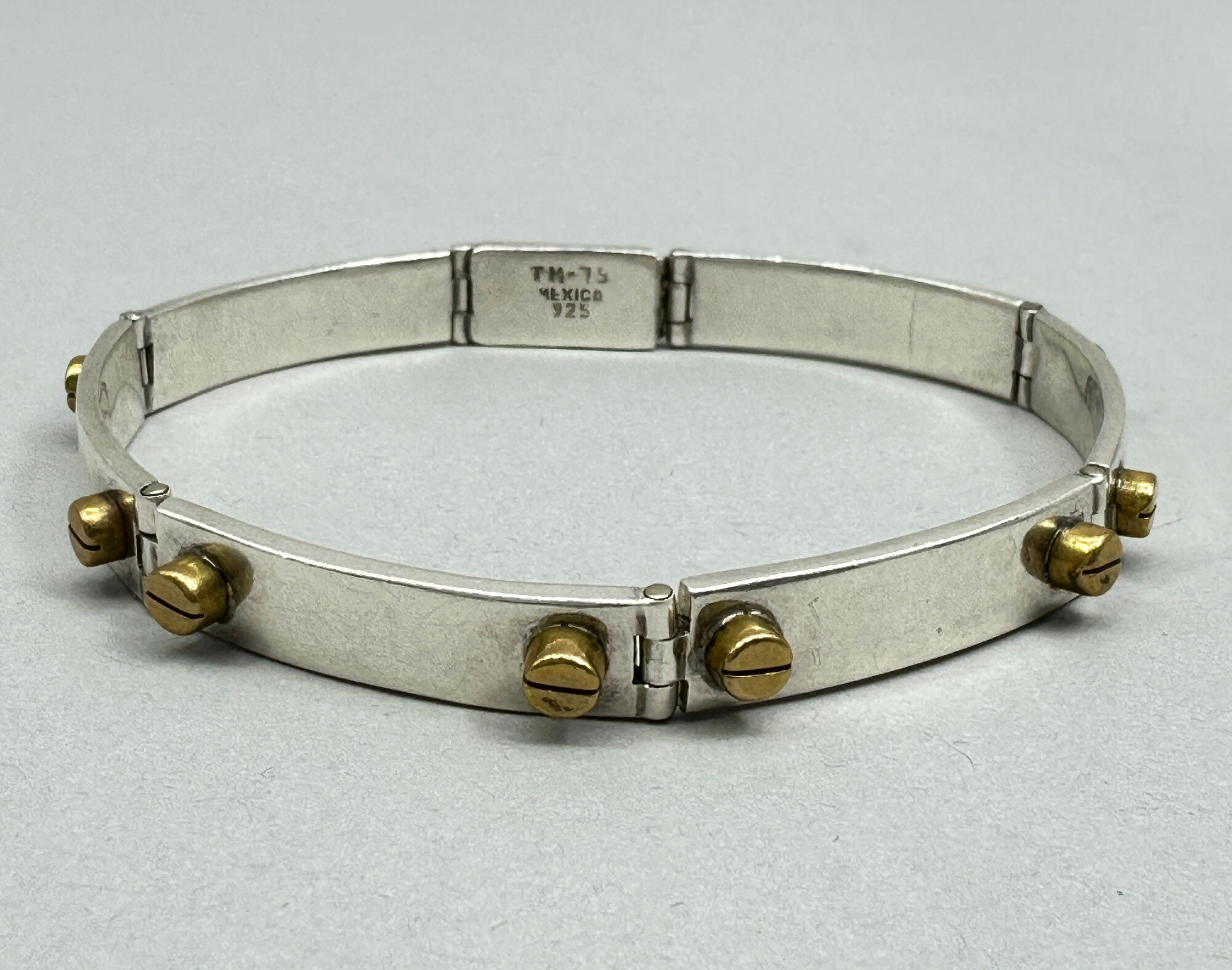
Taxco bracelet with rivet details c1980
Price: £85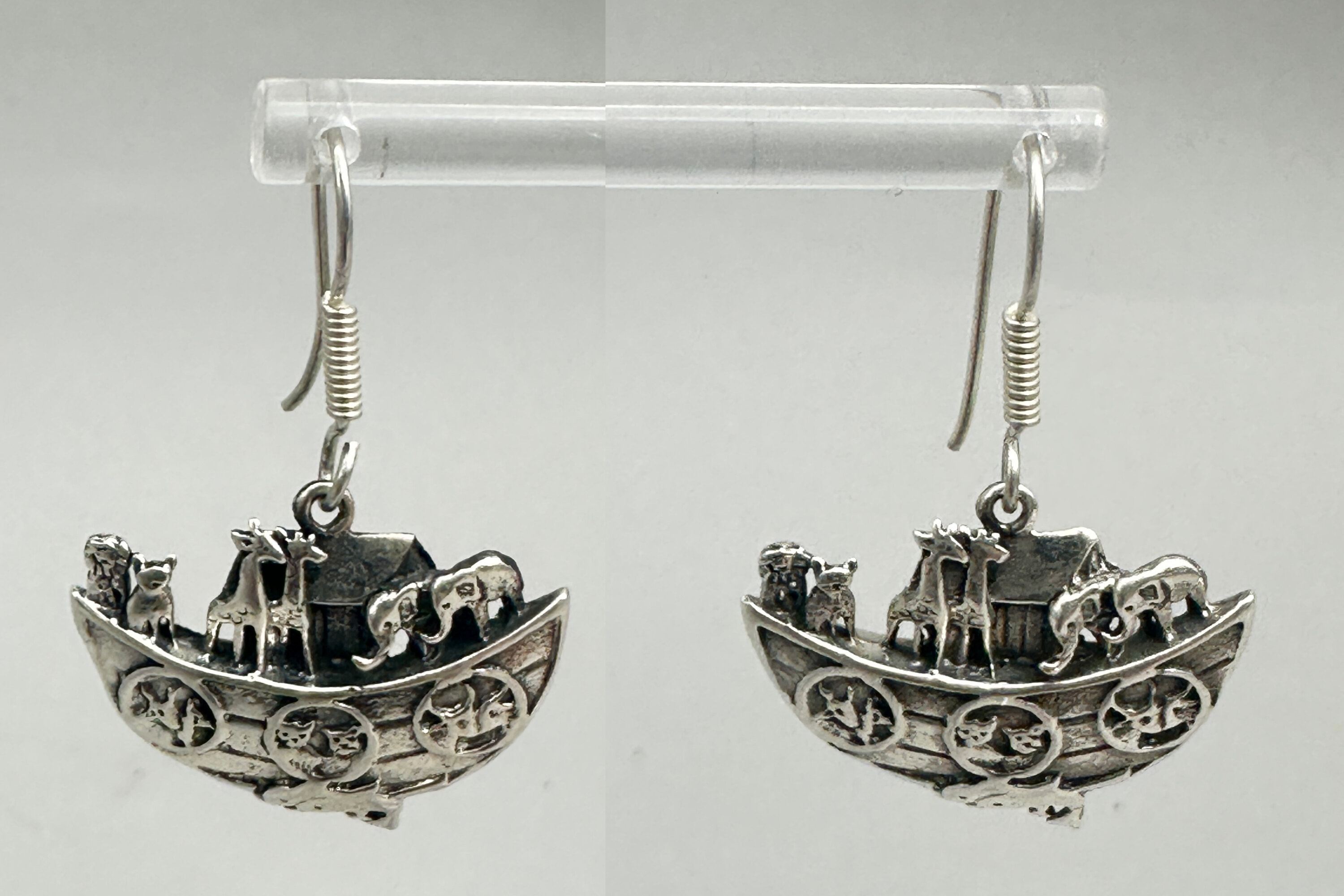
Taxco Noahs Ark Earrings c1980
Price: £45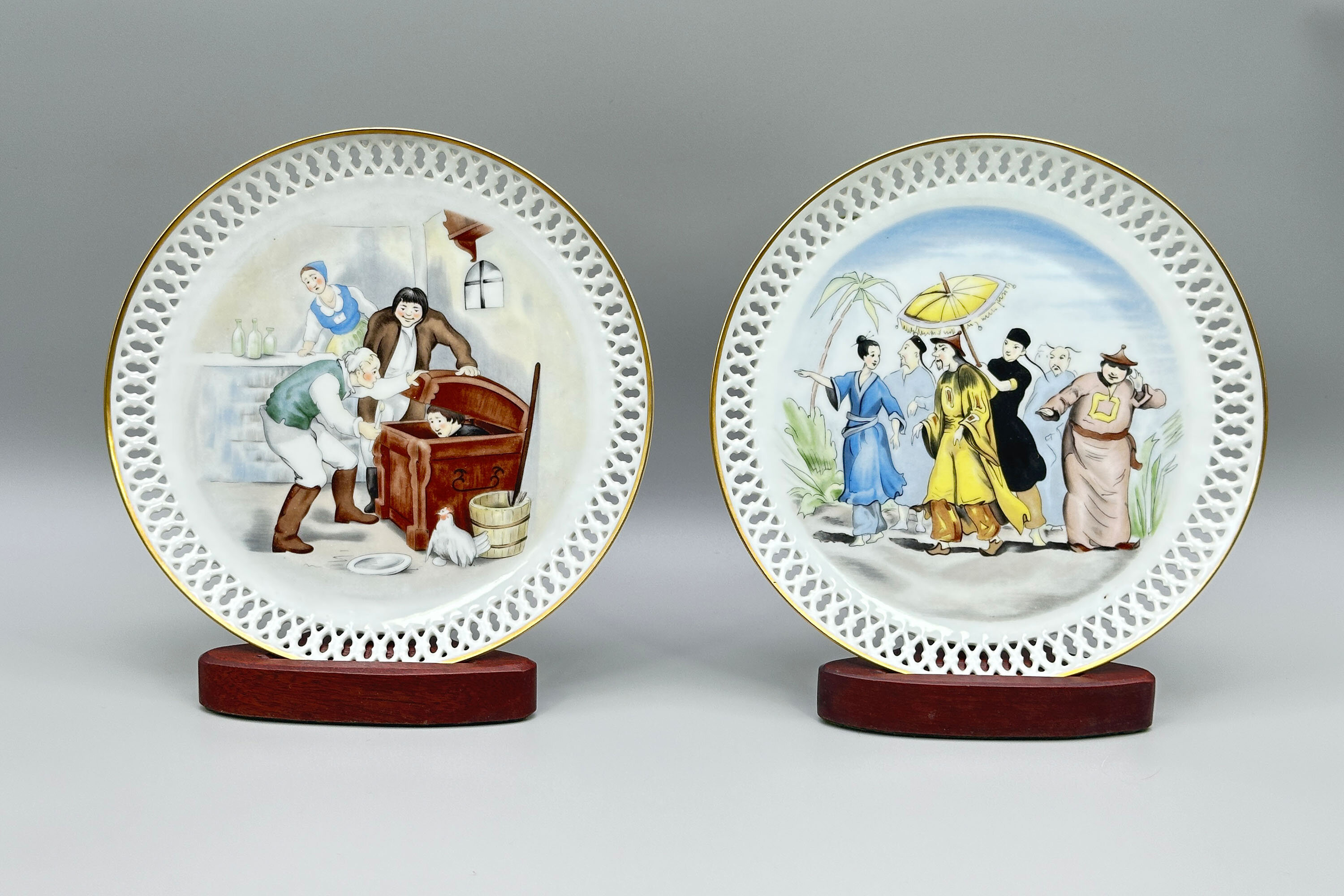
Two Bing & Grøndahl plates, scenes from Hans Christian Andersen, late C20th
Price: £45Bing & Grøndahl was established in 1853 by the sculptor Frederik Vilhelm Grøndahl and the merchant brothers Meyer Hermann Bing and Jacob Herman Bing. Their trademark, which can be seen on these two plates, was that of three towers, which was derived from the Coat of Arms of Copenhagen. Their designs proved popular and it is said that their dinnerware service in the ‘Seagull’ pattern could be found in one in ten Danish households in the 1950s. Eventually, in 1987 the company merged with its competitor, the Royal Porcelain Factory, under the name Royal Copenhagen, but some of the pieces produced thereafter still display the initials ‘B&G’ and the three tower symbol, as here. Originally sold with fitted boxes (not included here), these plates were probably produced in the early years after the merger and are sought after as collectors’ items today.
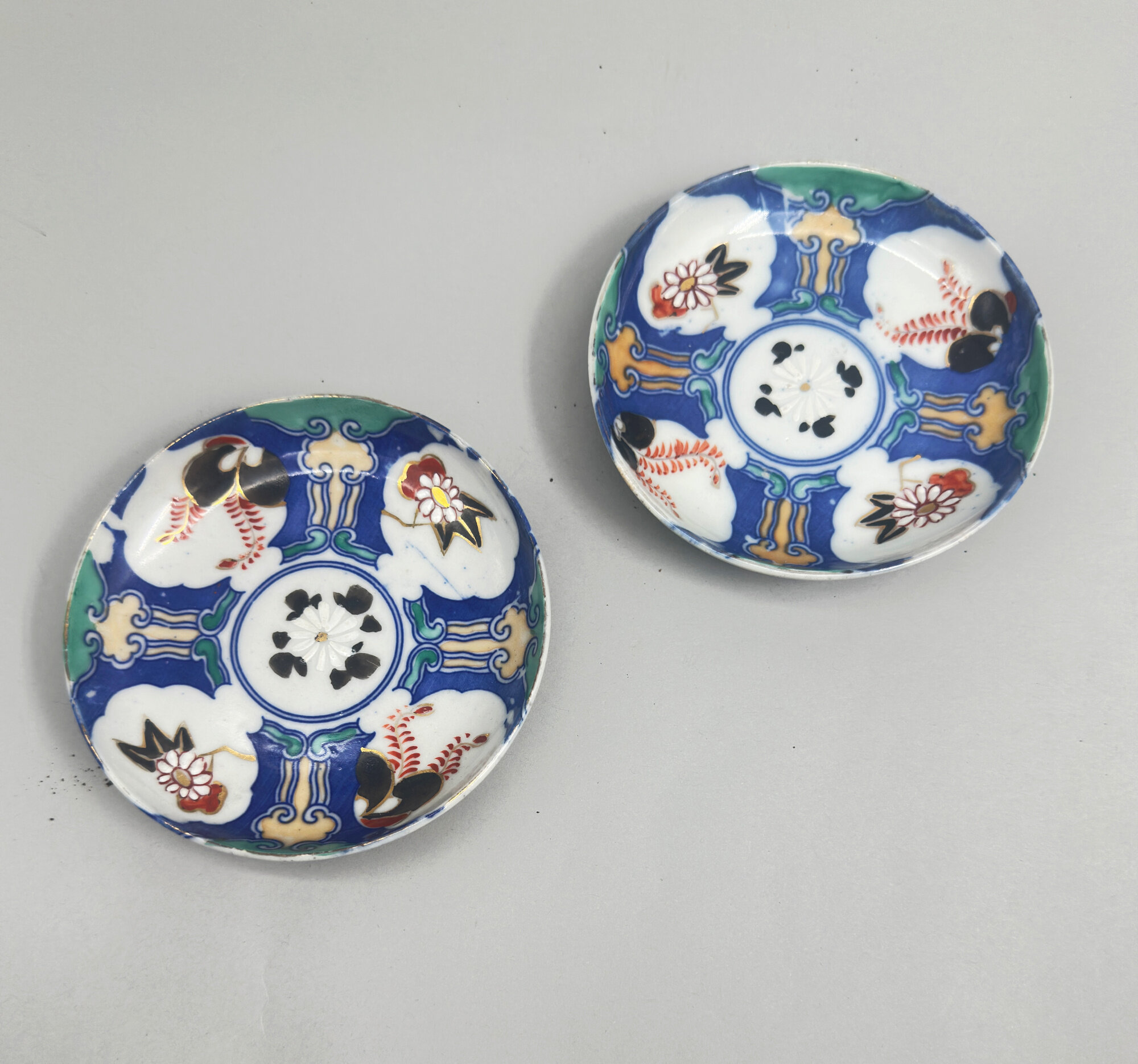
Pair of Japanese Arita small Dishes circa 1880
Price: £40The town of Arita in the former Hizen Province, northwestern Kyūshū island, was a major centre for the production of porcelains in Japan. Best known for blue and white pieces it also produced polychrome wares as well, including the familiar imari colourings. While similar to Imari, the wider palette of colours used here is usually termed ‘Arita’ and the decorative appeal of the style is clear. These bowls probably come from an original set of five and with slightly coarser decoration than usual were probably made for the domestic market. The paste of the foot implies a dating to the Meiji era (1868 - 1912) probably around 1880.

Two Chinese Fans, painting on silk, 1960s
Price: £15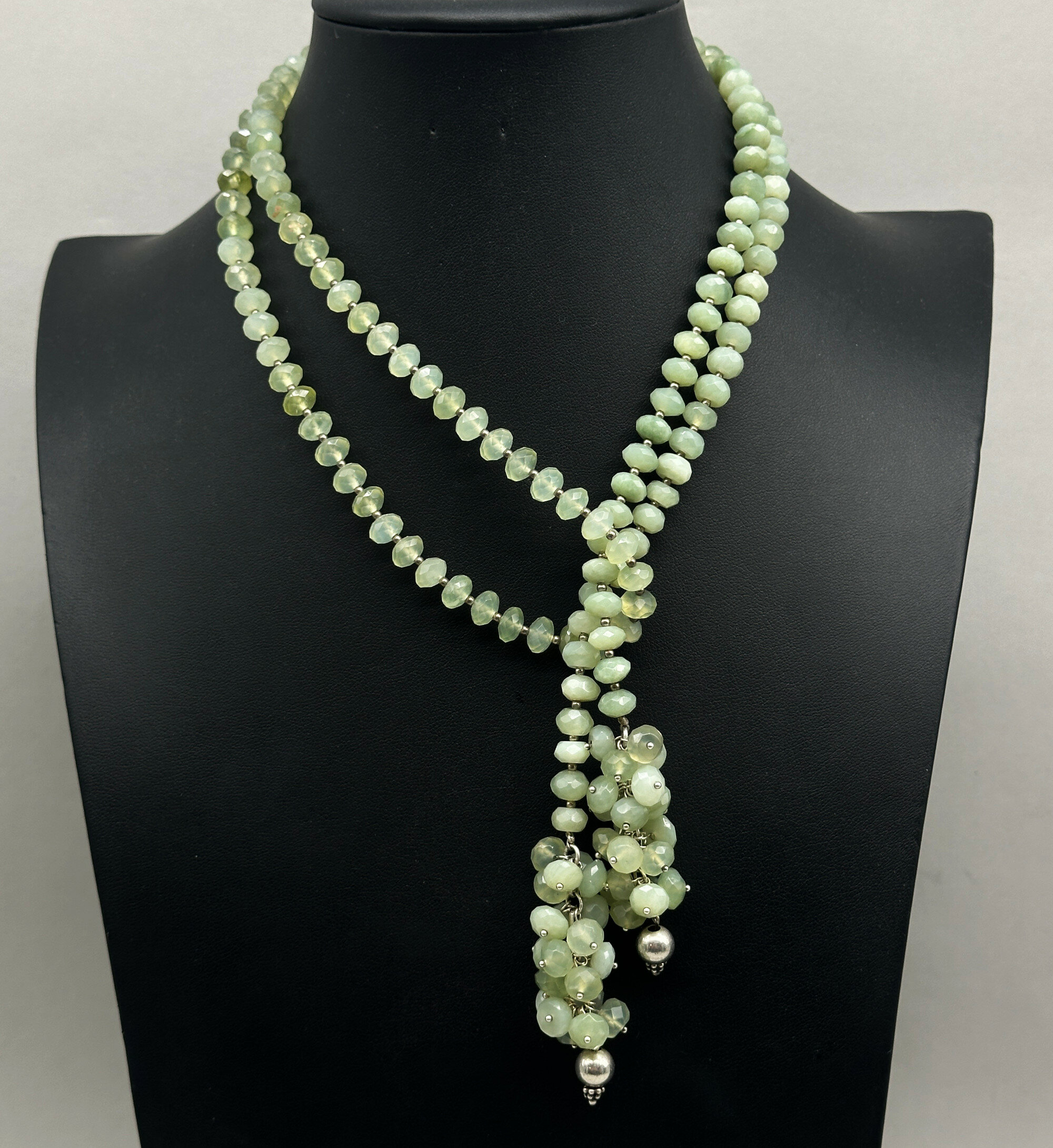
Burmese Jade sautoir Necklace, C20th
Price: £45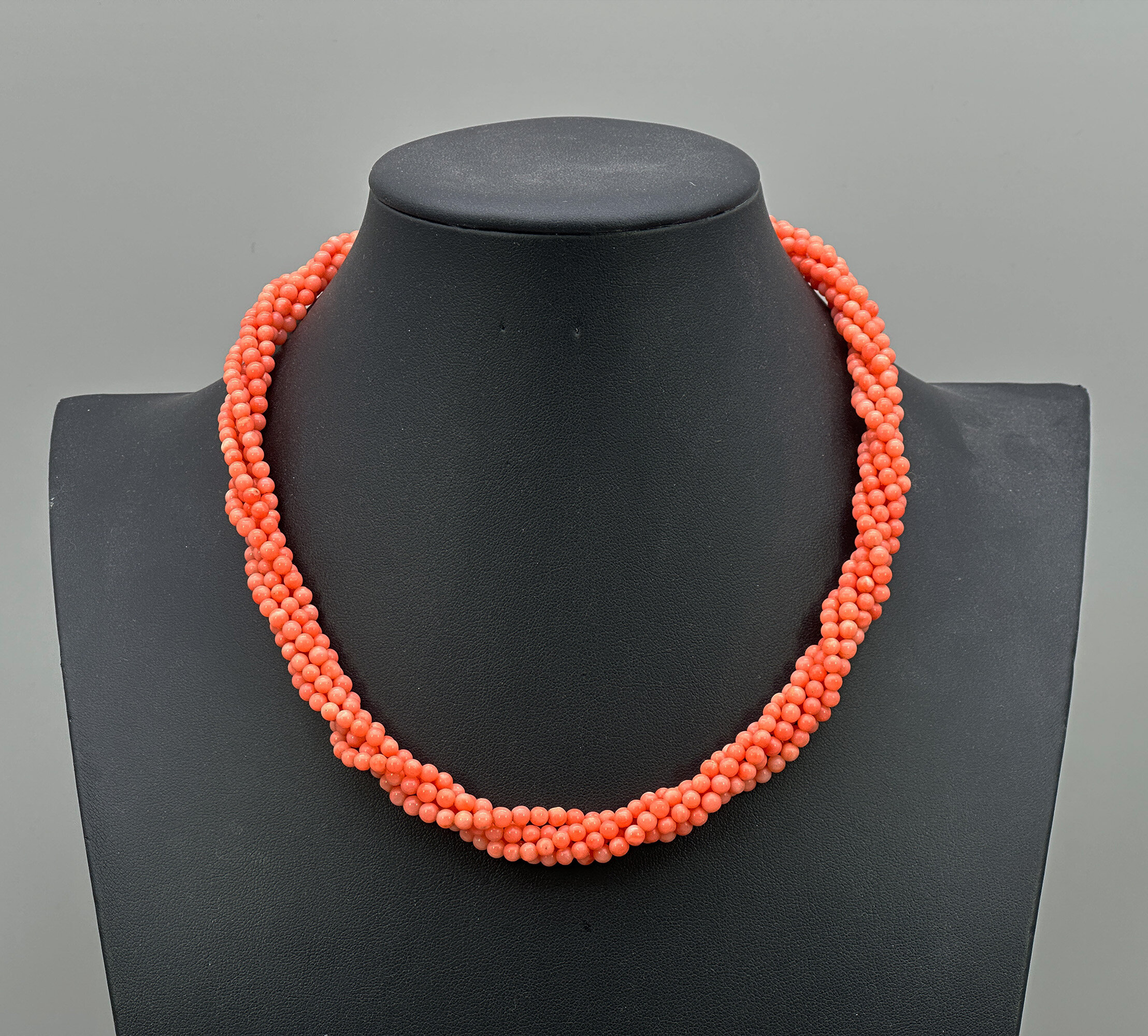
Angel skin coral twisted five strand necklace, c1970
Price: £125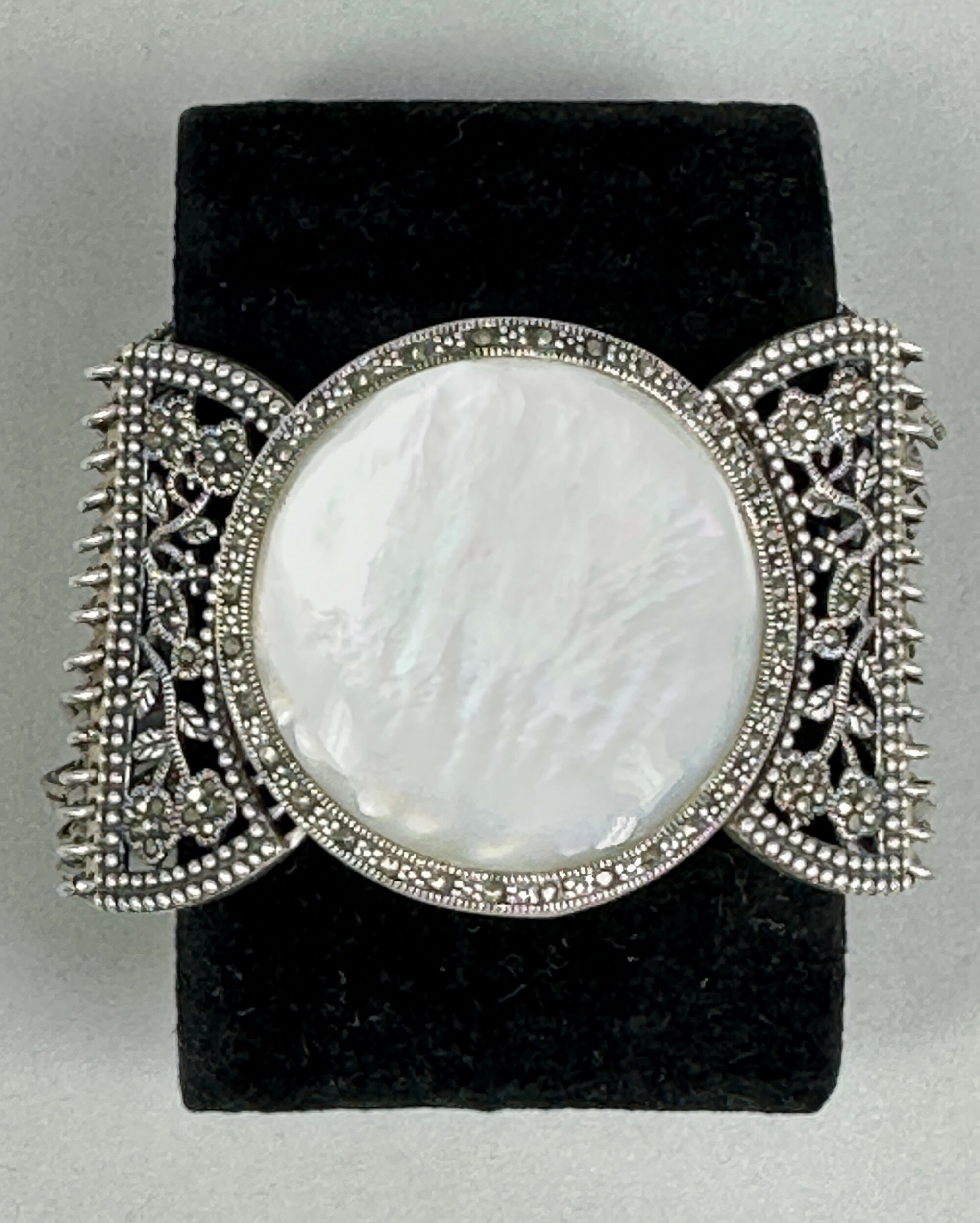
Victorian style Bracelet in Mother of Pearl and Silver, modern
Price: £95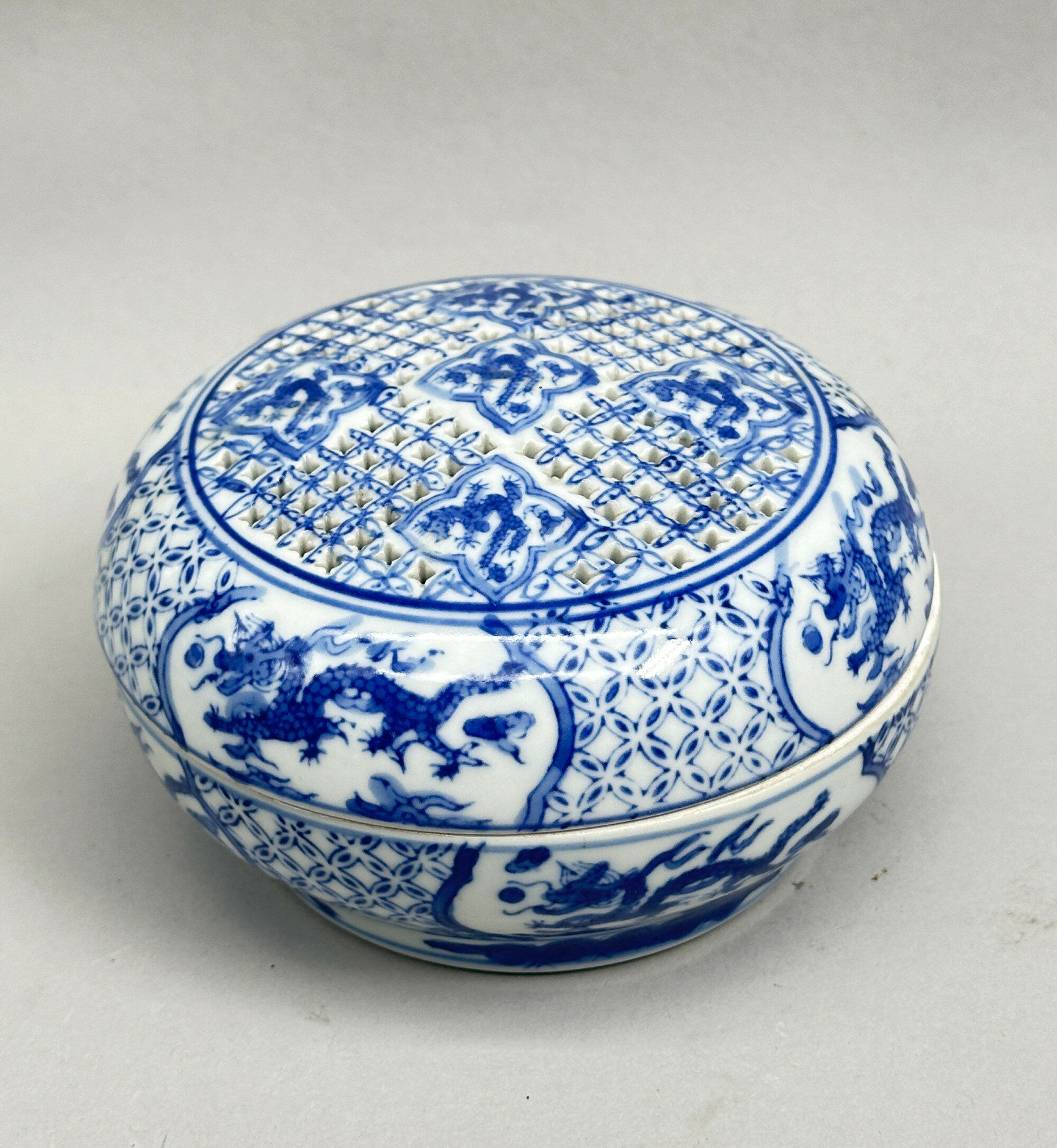
Chinese Blue and White Box and Cover with pierced lid, late C20th
Price: £25The Charles Sadek Import Company was founded in 1936 by the father and son Charles and Norman Sadek and began by importing decorative items from Japan later broadening their range to a wider variety of suppliers including China. These pieces were sold under the ‘Andrea by Sadek’ brand, named after Norman's daughter Andrea. The business continued to a third generation until it was taken over by Fitz & Floyd in 2015.
This box, then, is a typical example of their range of wares, good quality decorative items marketed at an affordable price. The quality of these boxes can vary and this piece seems to be an above average example.

Long strand of Chinese cloisonne beads c1950
Price: £45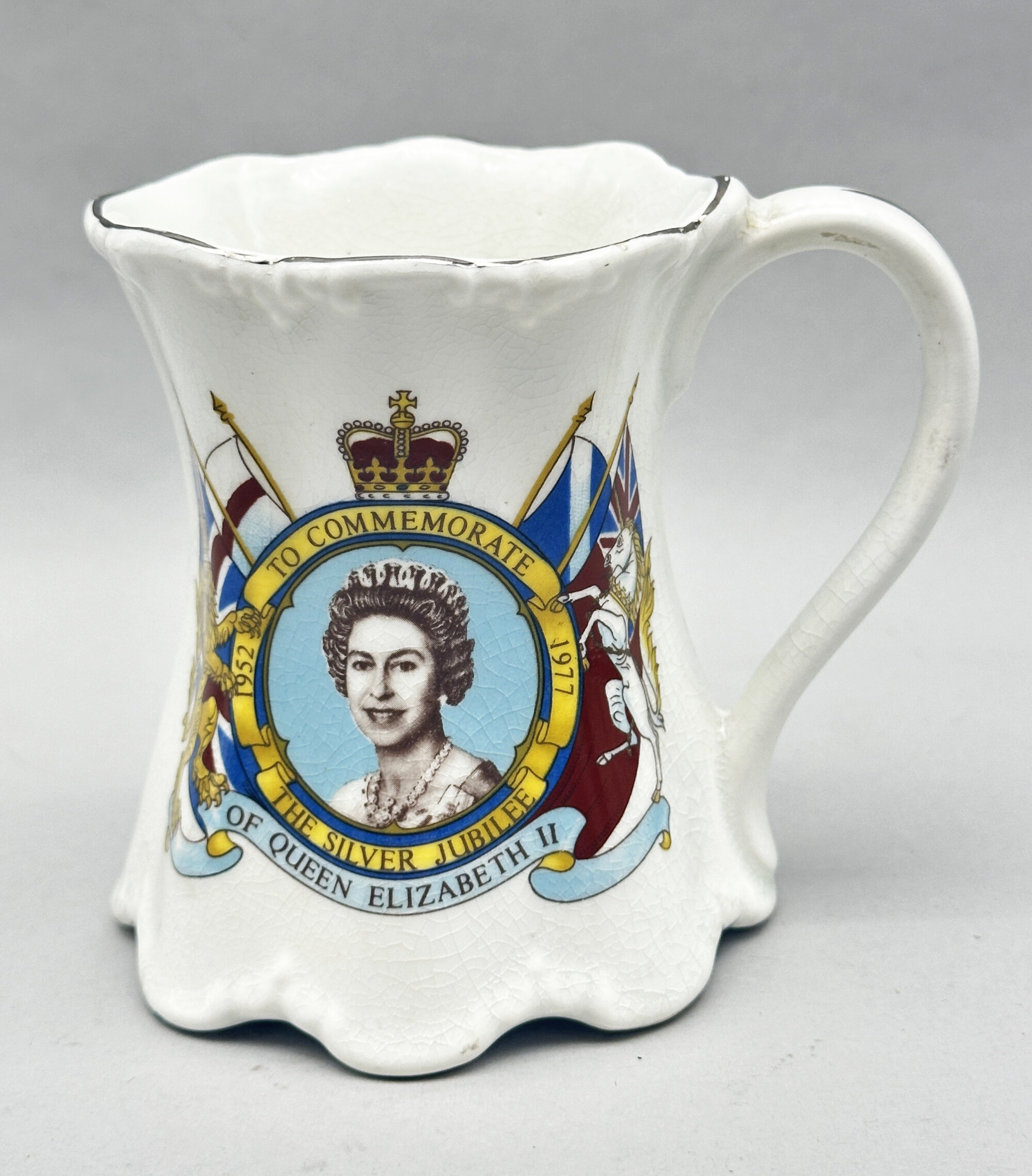
Queen Elizabeth II Silver Jubilee China Mug, 1977
Price: £10
Chinese Mandarin Pattern Saucer circa 1780
Price: £55This is a typical example of the ‘Mandarin’ pattern produced by the Chinese in the late eighteenth century for export to the West where it enjoyed great popularity. The name derives from the male court figures, mandarins, who form such an important component of the designs. The scenes are carefully composed with much charm and rendered in a wide variety of coloured enamels with much emphasis on deep pink (‘Famille Rose’) and iron red. A wide variety of wares were produced in the pattern including vases, bowls, dinner services and tea sets, as here, where there would have been a set of bowls and saucers along with matching serving items. The charm and quality of this piece speaks for itself and presents an excellent and collectible example of this opulent pattern from the eighteenth century.
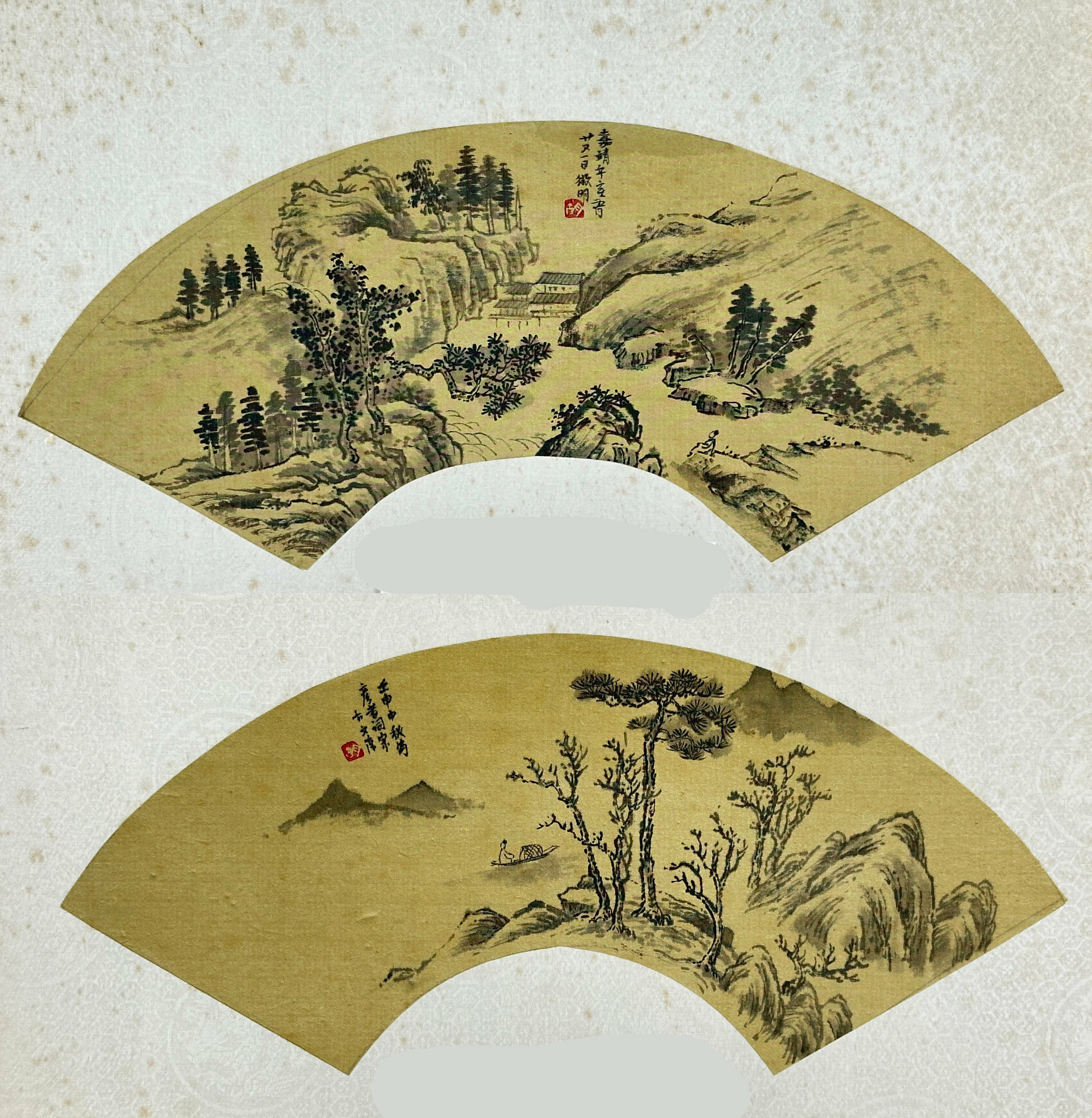
Two Chinese folding Fan Leaves with landscape scenes, now mounted, C20th
Price: £25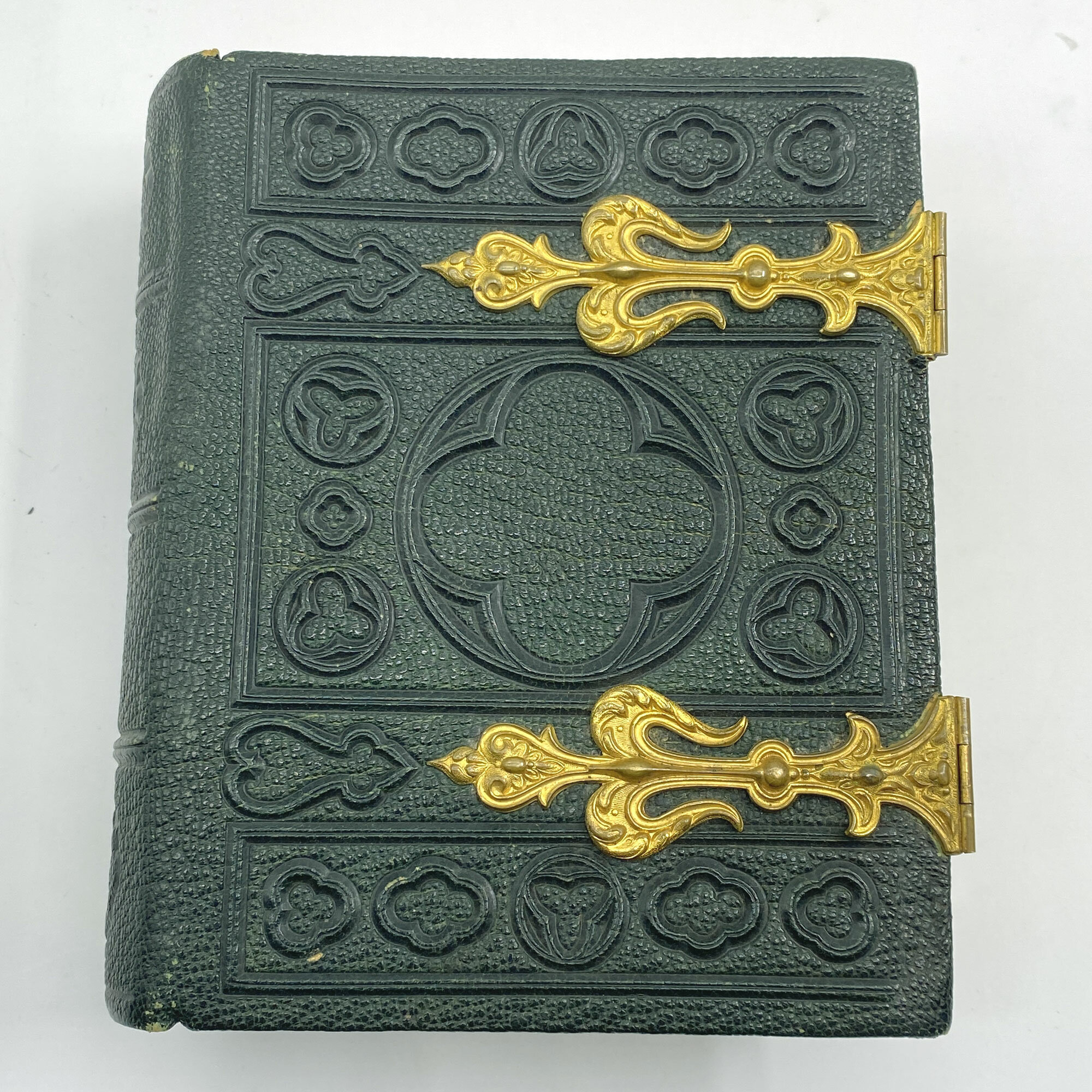
Victorian leather bound photo album made by Mechi and Bazin c.1870
Price: £110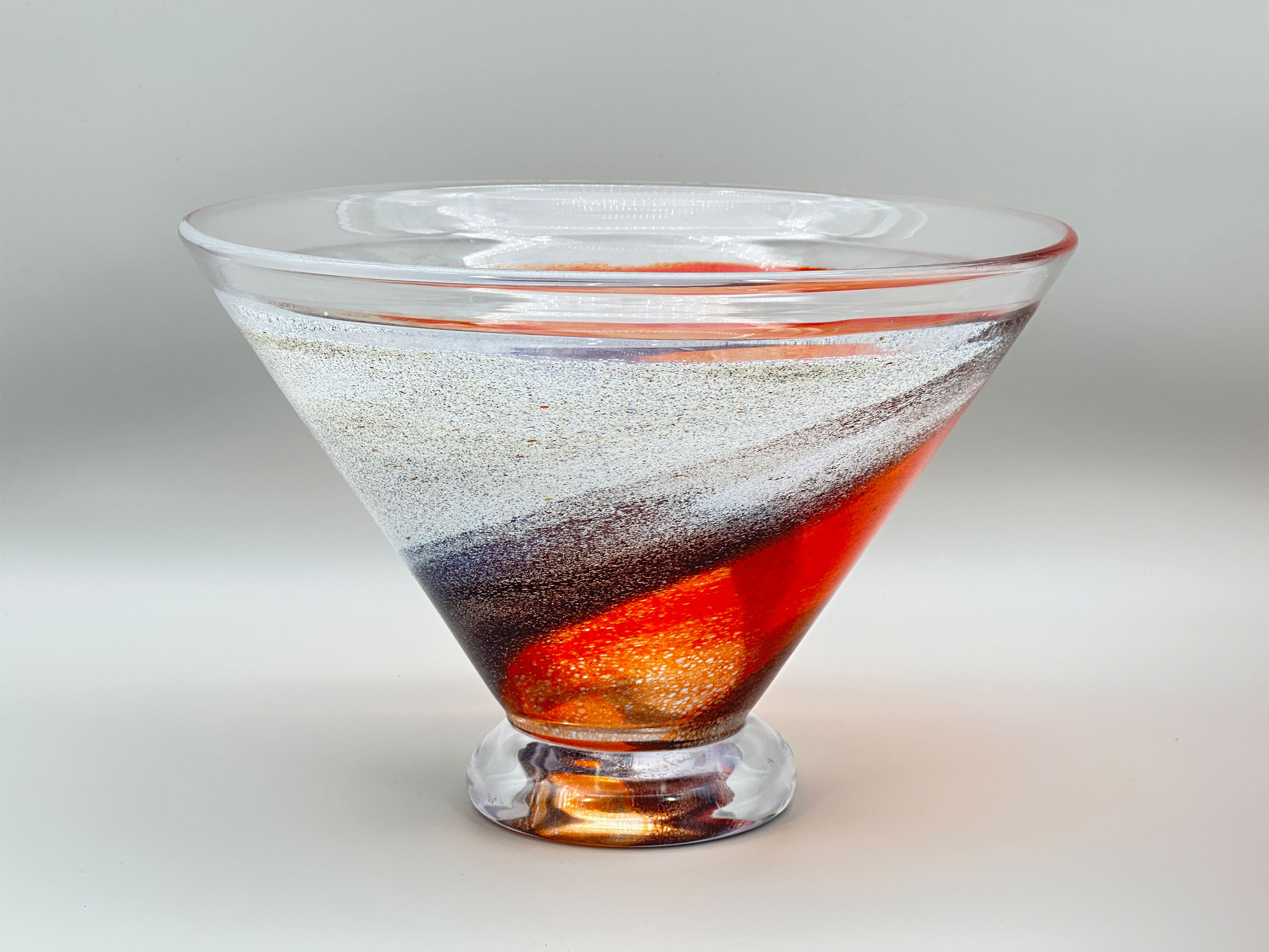
Twister glass Bowl, Kjell Engman for Kosta Boda, signed and with label, late C20th
Price: £180Kosta Boda, previously known as Kosta Glasbruk, is a Swedish glassmaking company founded by two foreign officers in Charles XII's army, Anders Koskull and Georg Bogislaus Staël von Holstein, in 1742.It is located in Kosta, Sweden. Early production consisted of window glass, chandeliers and drinking glasses. From the 1840s, the factory was at the forefront of new trends and technical developments, producing pressed glass, and in the 1880s setting up a new glass-cutting workshop. In 1903, the company merged with the Reijmyre glassworks but both retained their own names and Kosta went on to maintain its reputation as one of the leading Swedish manufacturers with a range of fine art glass and tableware by distinguished designers such as Vicke Lindstrand, artistic director from 1950-1973.
Kjell Engman (see image 11) has been a designer at Kosta Boda since 1948. Also a professional rock musician, his works are often held to display a dancing feel and joie de vivre derived from his musical background. On the Kosta Boda website he writes “In my view, the glass is the pen for writing my stories. I don’t want to depress my audience; rather, I want to offer them joy and fantasy. My art should make people smile; it should be something positive.” Perhaps something of his sense of fun can be seen in this bowl, one of the largest of the range produced by Kosta Boda. which incorporates colour with movement and is often termed ‘Twister’. These bowls seem not now to be available from the firm direct and probably date to the late twentieth century. This example is of exceptional size and in pristine condition, an imposing centrepiece for a modern interior.
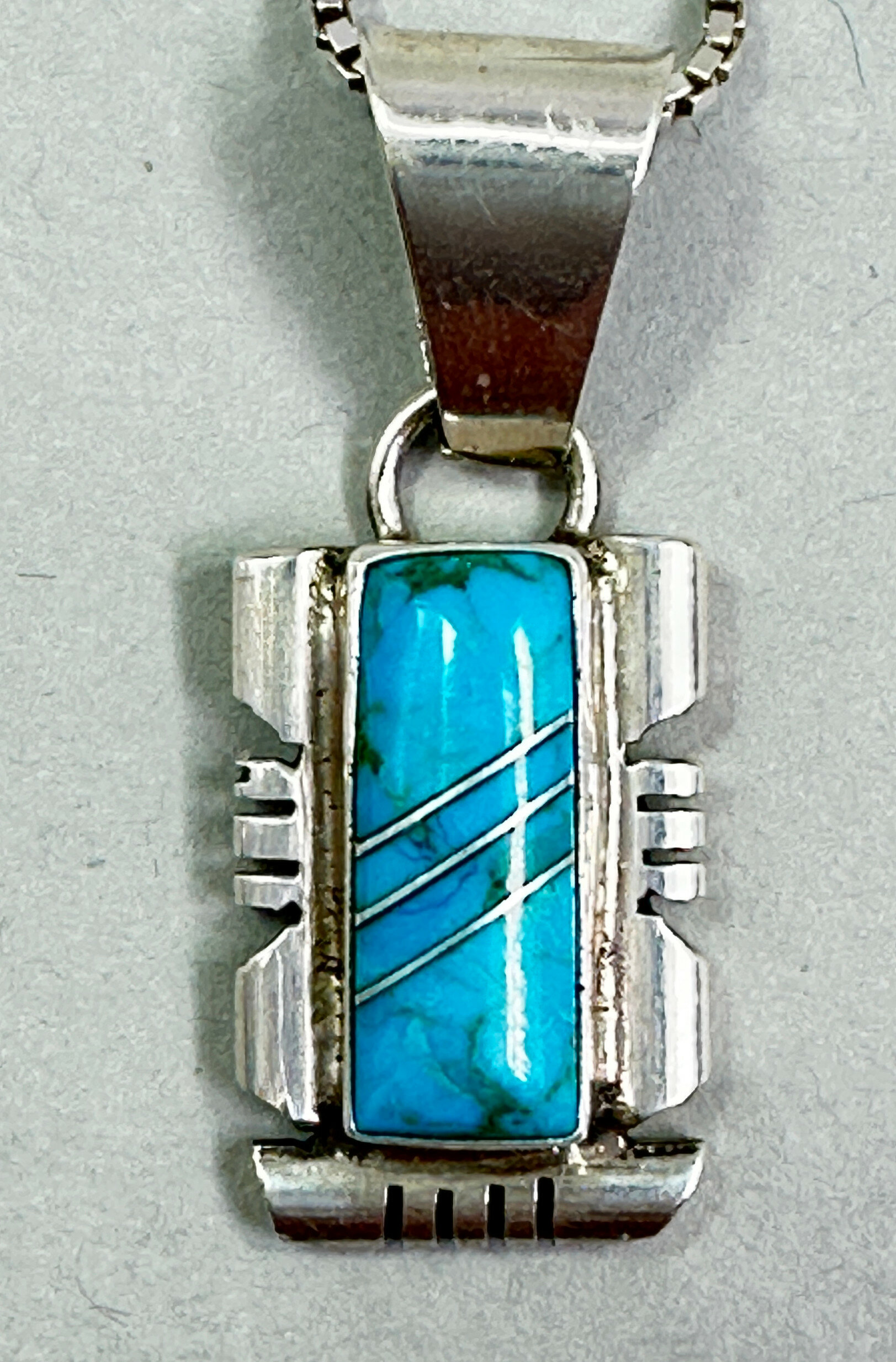
Zuni turquoise silver pendant Necklace, modern
Price: £35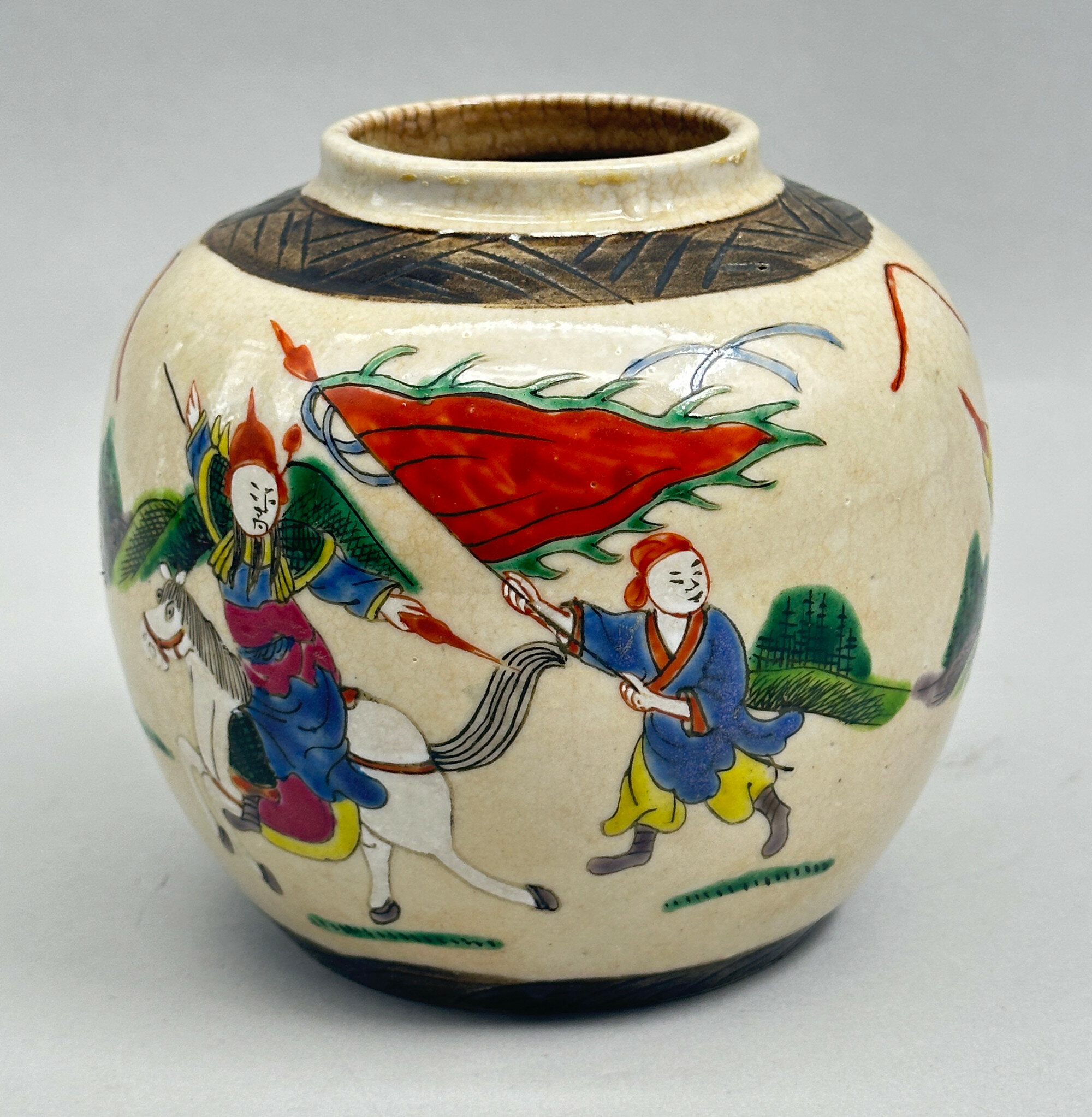
Chinese Crackleware Ginger Jar decorated with Warriors circa 1900
Price: £25'Crackleware' glazed pieces, usually with 'bronzed’ bands, were a staple output of the Chinese potteries from the mid nineteenth century onwards and were produced in a wide variety of mainly vase shape forms, both in polychrome and blue and white and intended as decorative pieces for the Victorian rooms of the West. As with other ceramic types, the quality deteriorated and this piece is typical of the late productions with a more modest level of craftsmanship but still retaining a naif charm. As with many ginger jars, this one lacks its original domed cover which would have been decorated to match.

Chinese style Vase and Cover decorated with ladies and courtiers in a garden scene, C20th
Price: £55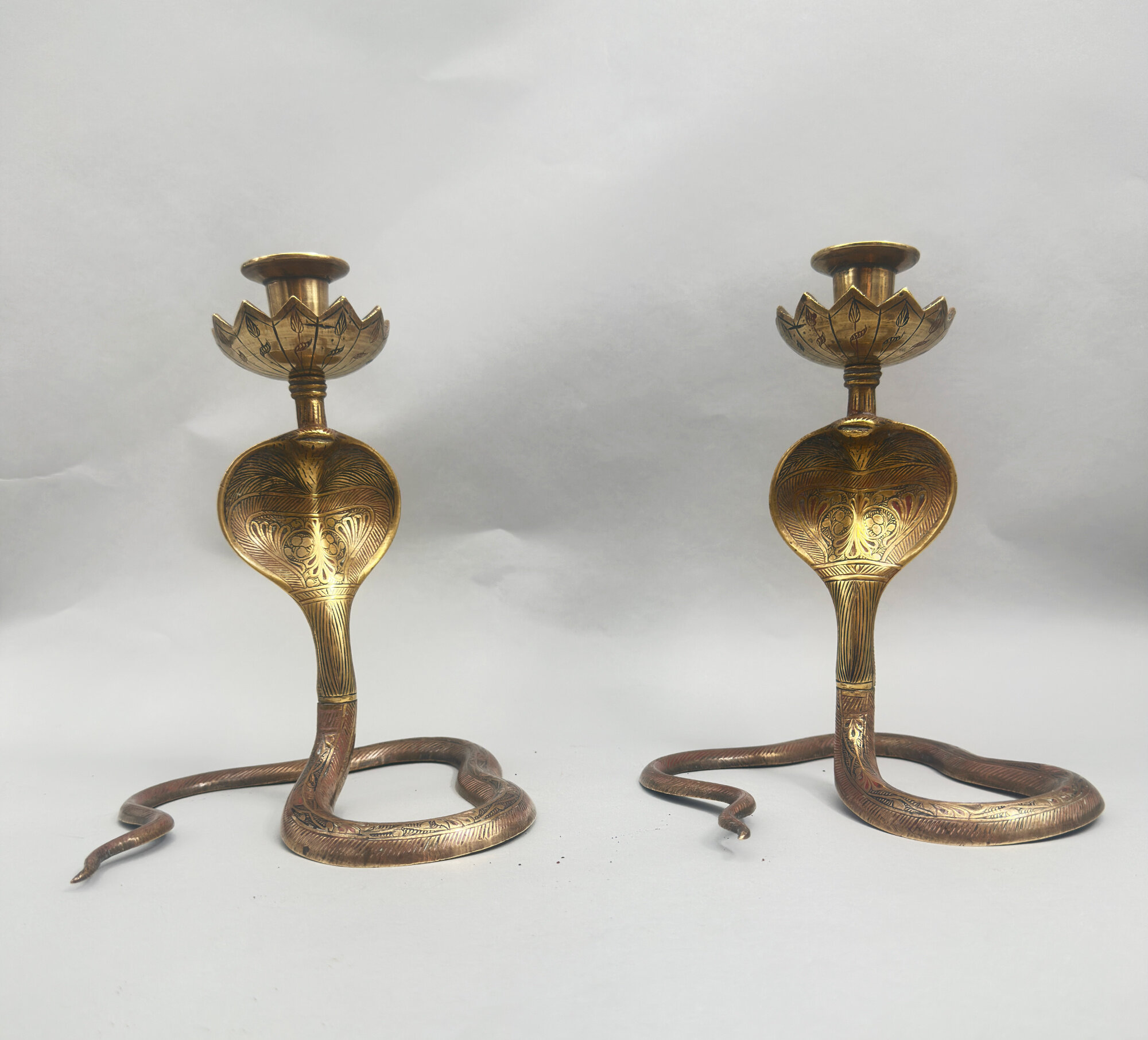
Pair of engraved and enamelled Brass Cobra Candlesticks, Indian c1900
Price: £180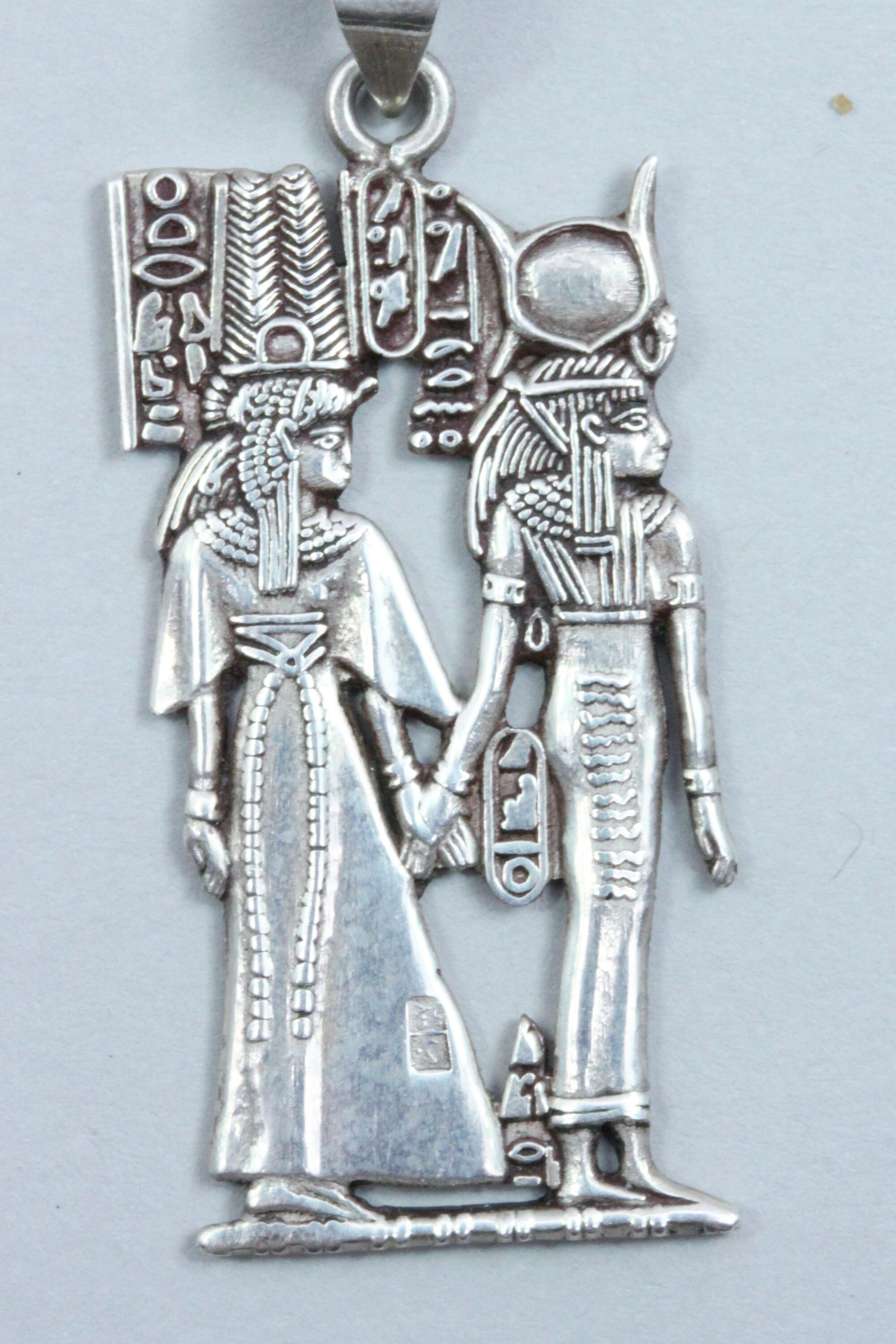
Silver Pendant, Tutankhamun and Ankhsenamun, Egyptian 1950s
Price: £35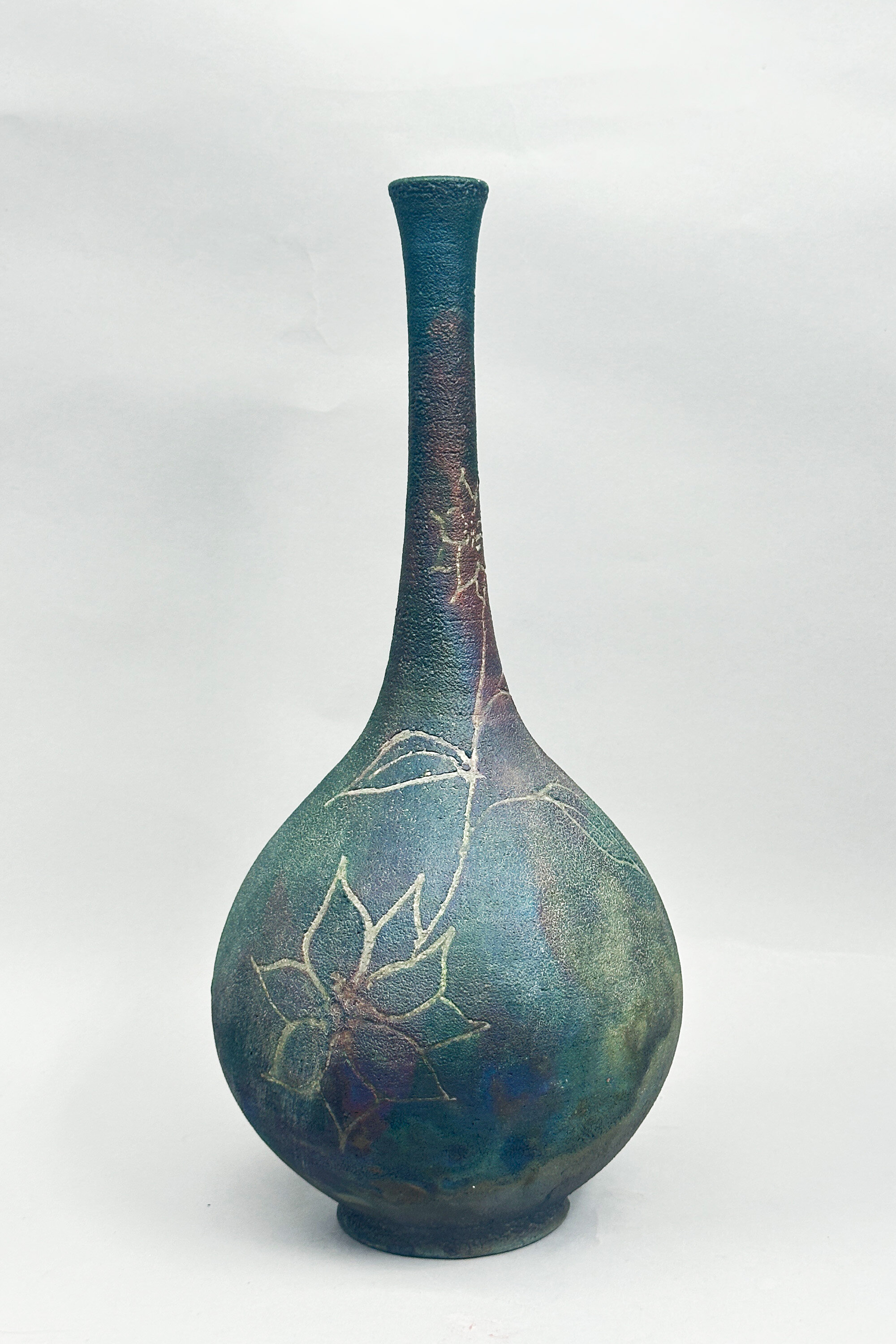
Studio Pottery Vase with incised lotus, signed C.A.C., C20th
Price: £45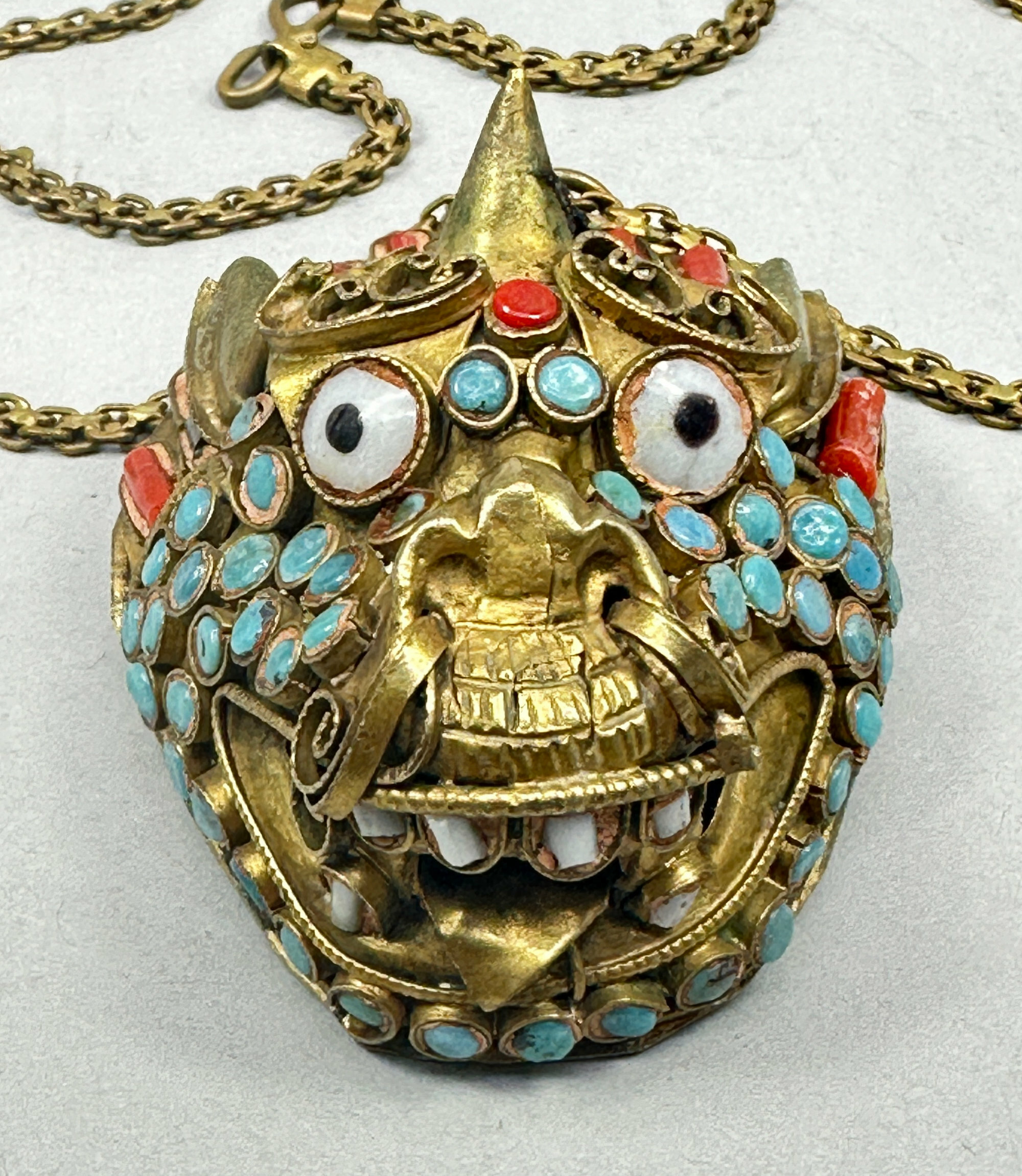
Art Deco Burmese dragon head Necklace, 1920s
Price: £75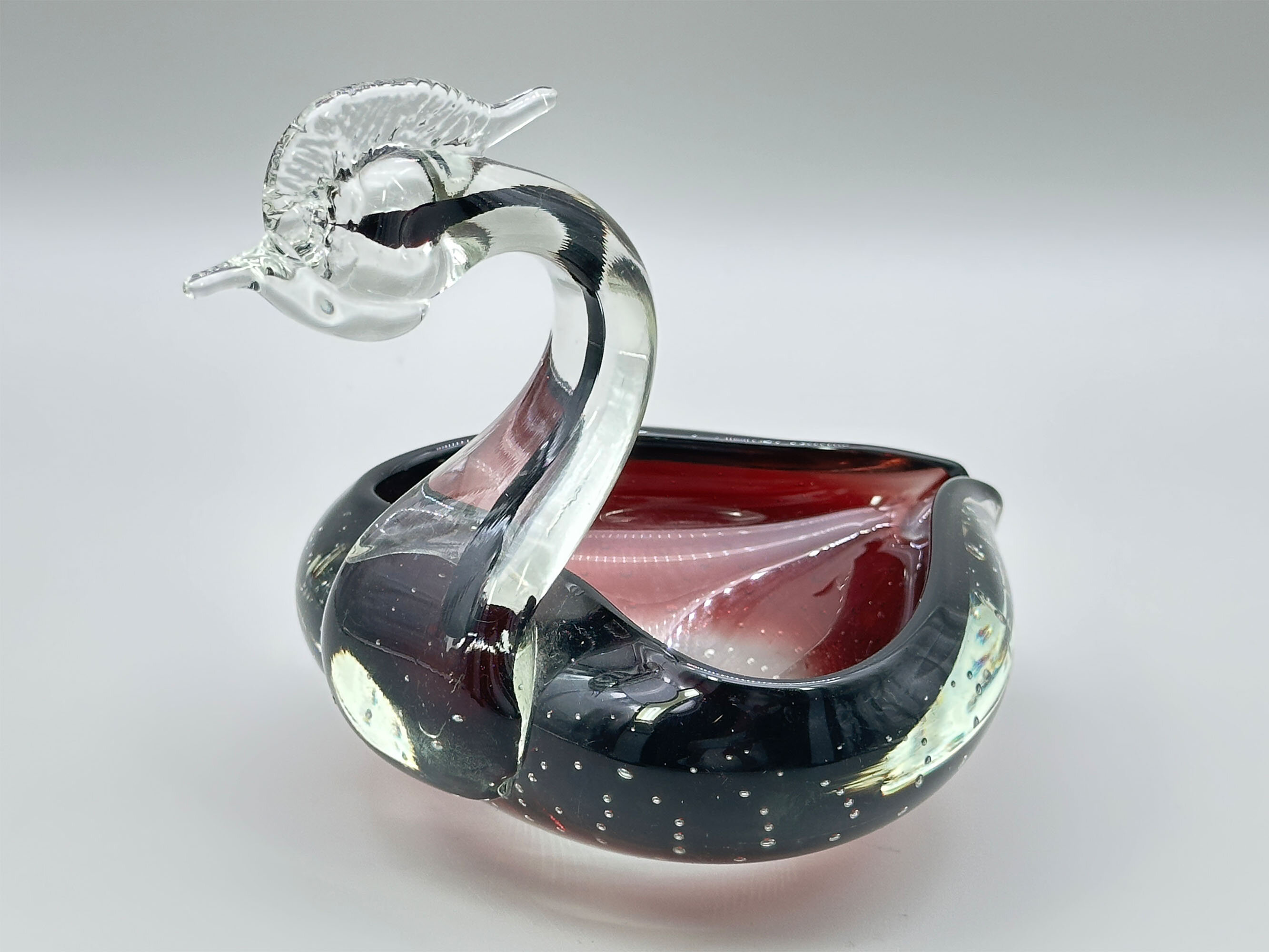
Murano bullicante glass swan dish, second half C20th
Price: £25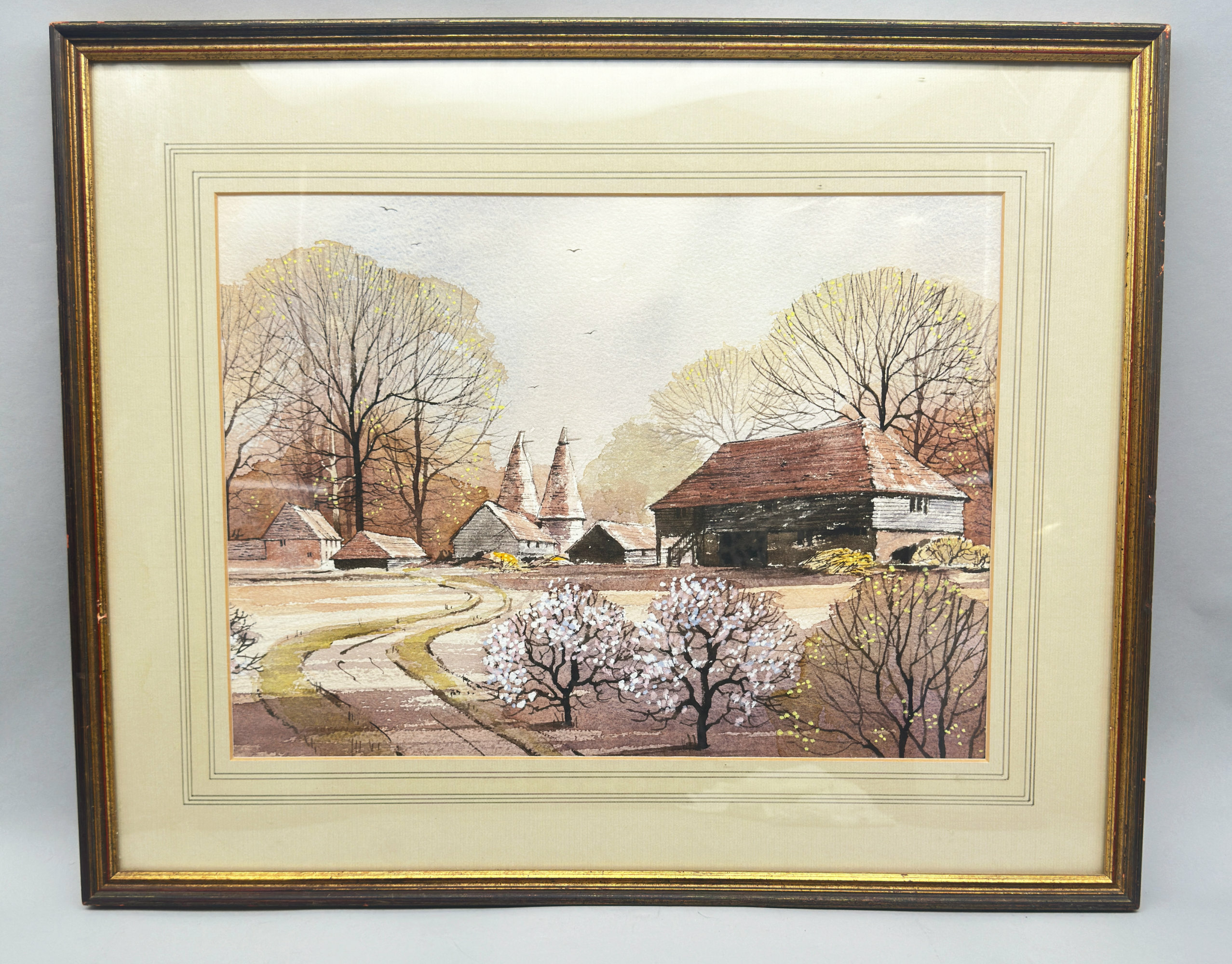
Watercolour by Elisabeth Castle, Kent Landscape Scene, framed, late C20th
Price: £45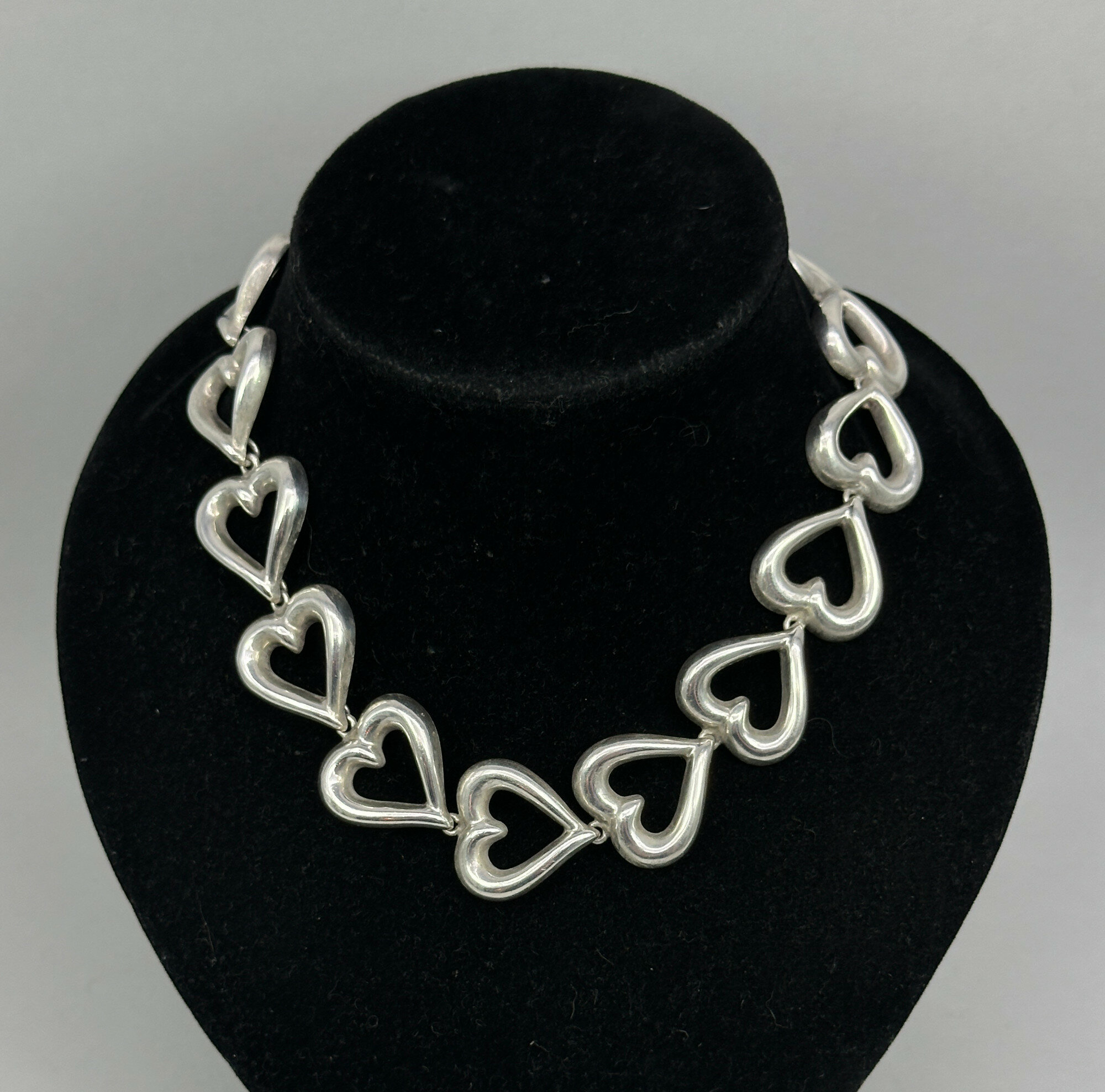
Heavy silver necklace with heart shaped links c1970
Price: £145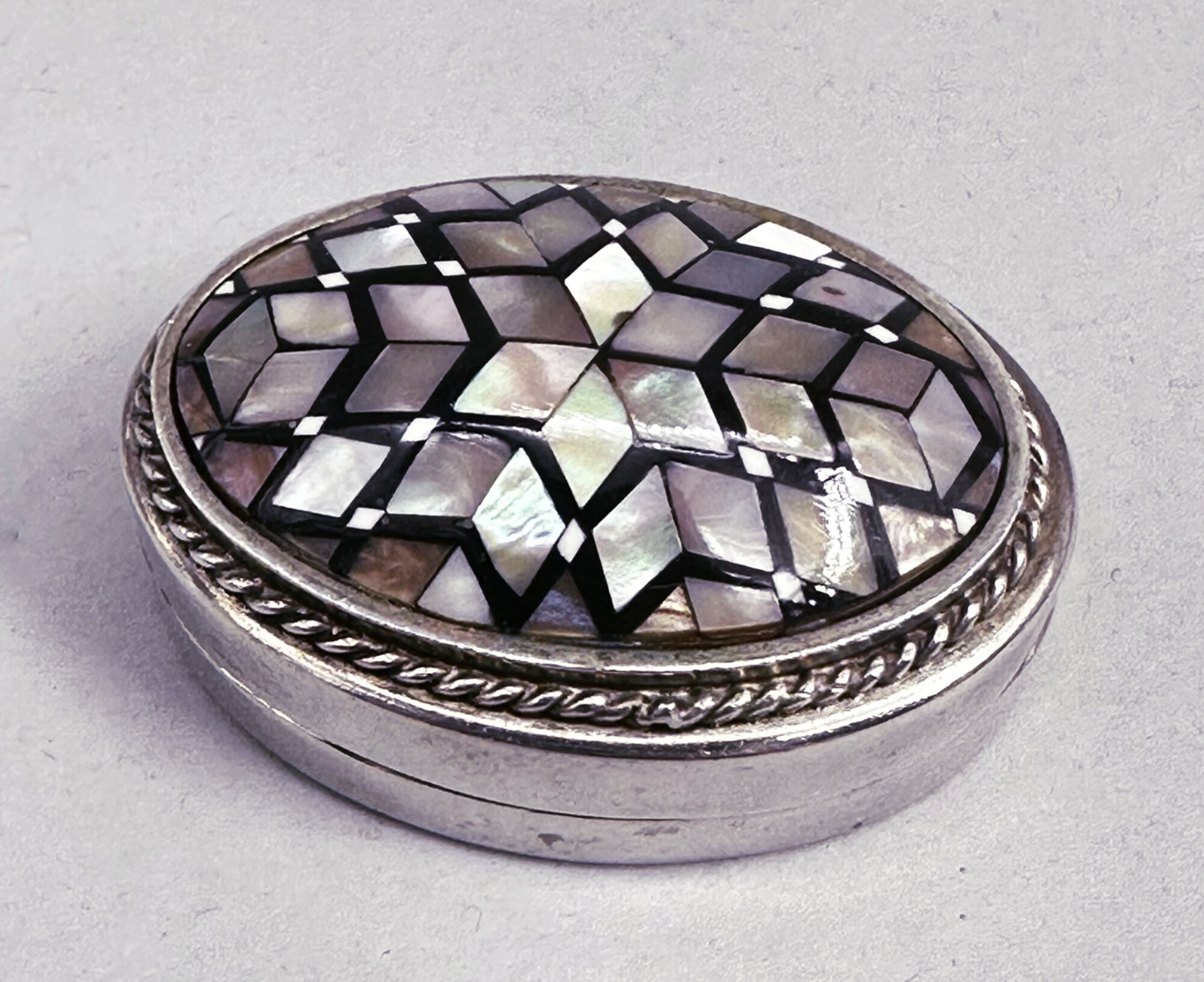
Egyptian Silver Pill Box with Mother of Pearl Inlay, marked, second half C20th
Price: £45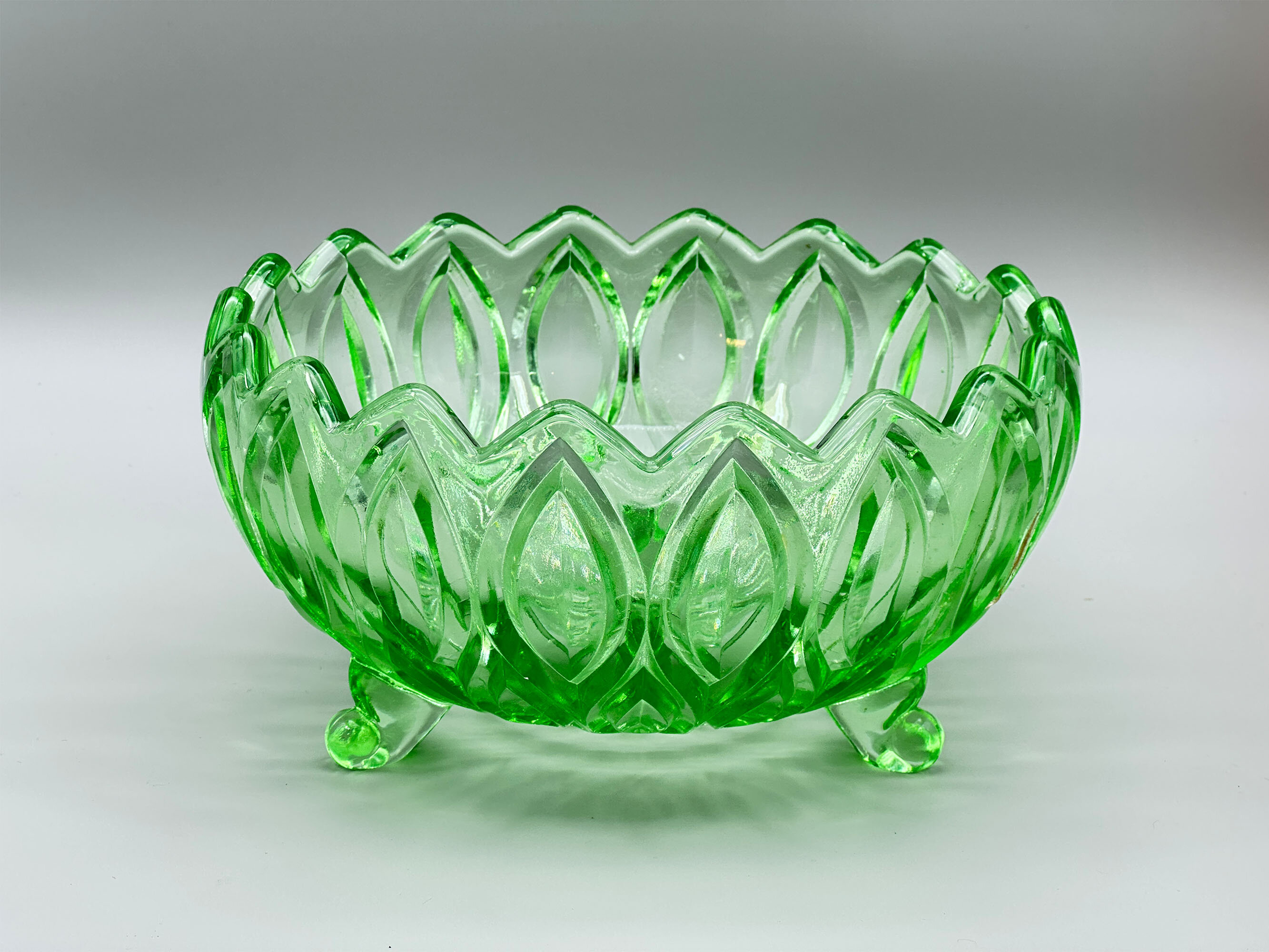
Art Deco green glass Orion Bowl by Lausitzer Glaswerke, Germany 1930s
Price: £45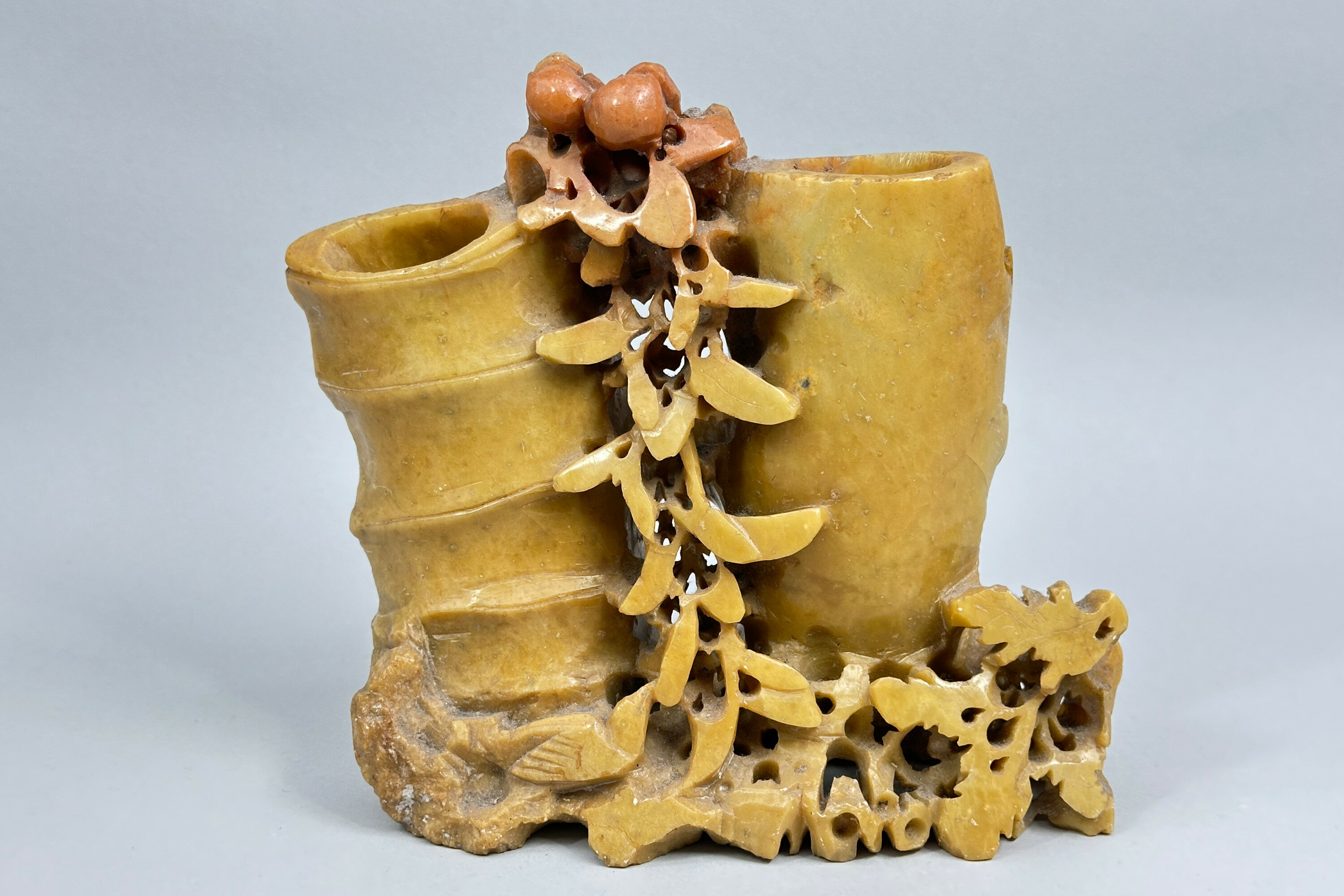
Chinese Soapstone Double Brushwasher, C20th
Price: £45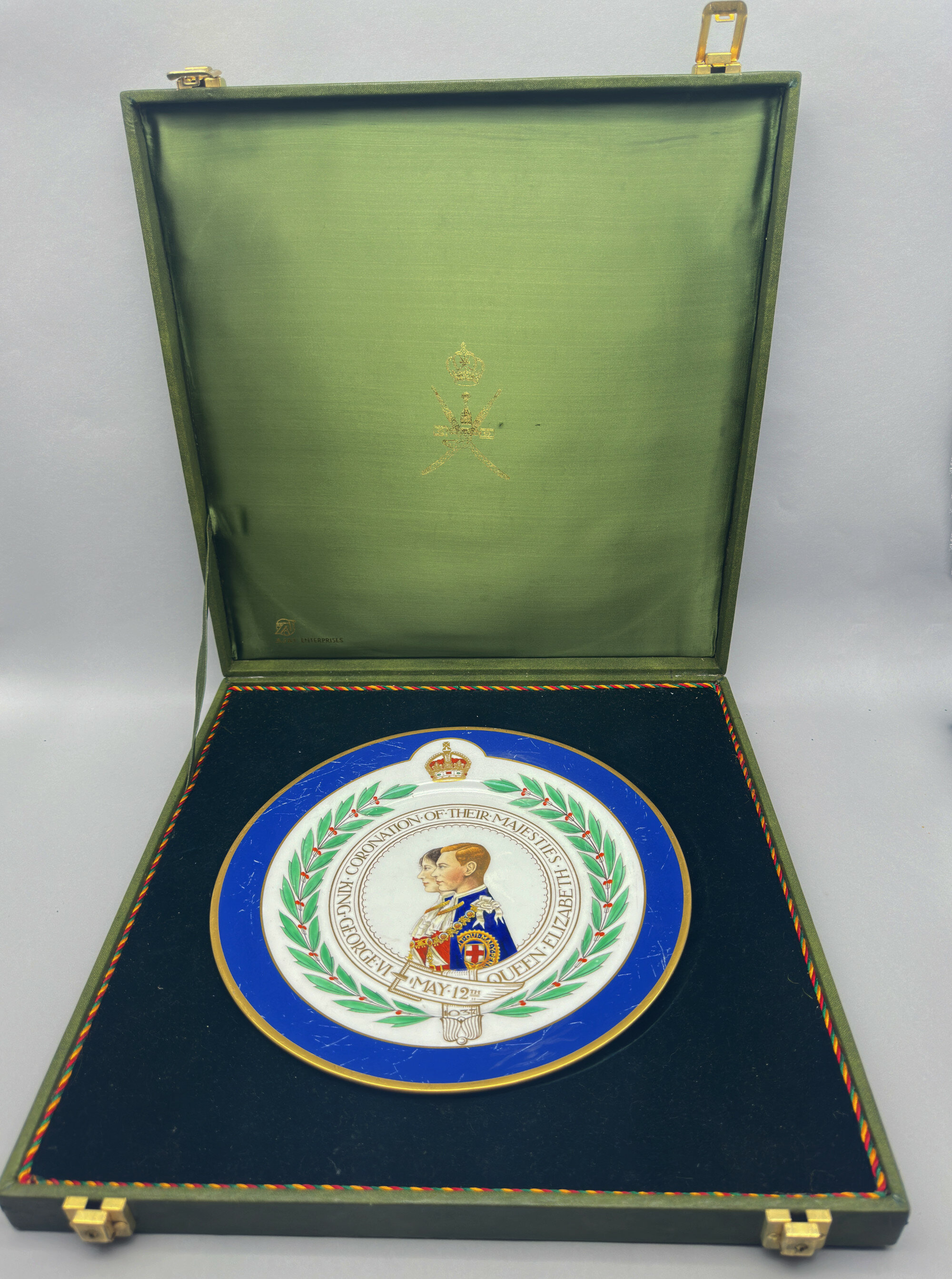
Mintons Coronation Plate, King George VI and Queen Elizabeth 1937, boxed
Price: £25
Art Nouveau comb with coral fish and pearls
Price: £45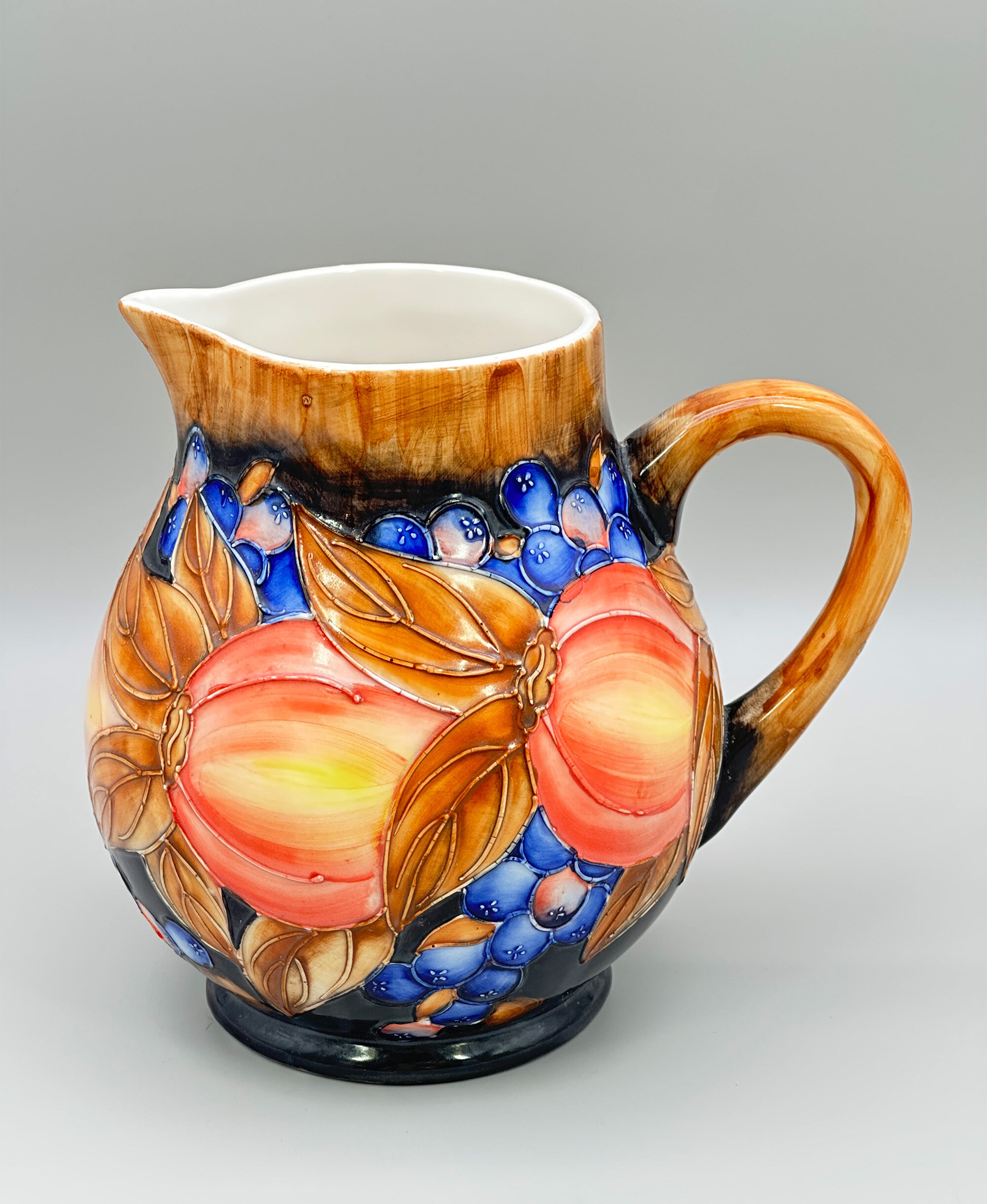
Old Tupton Ware jug with tubular floral design, Crown mark, early C21st
Price: £30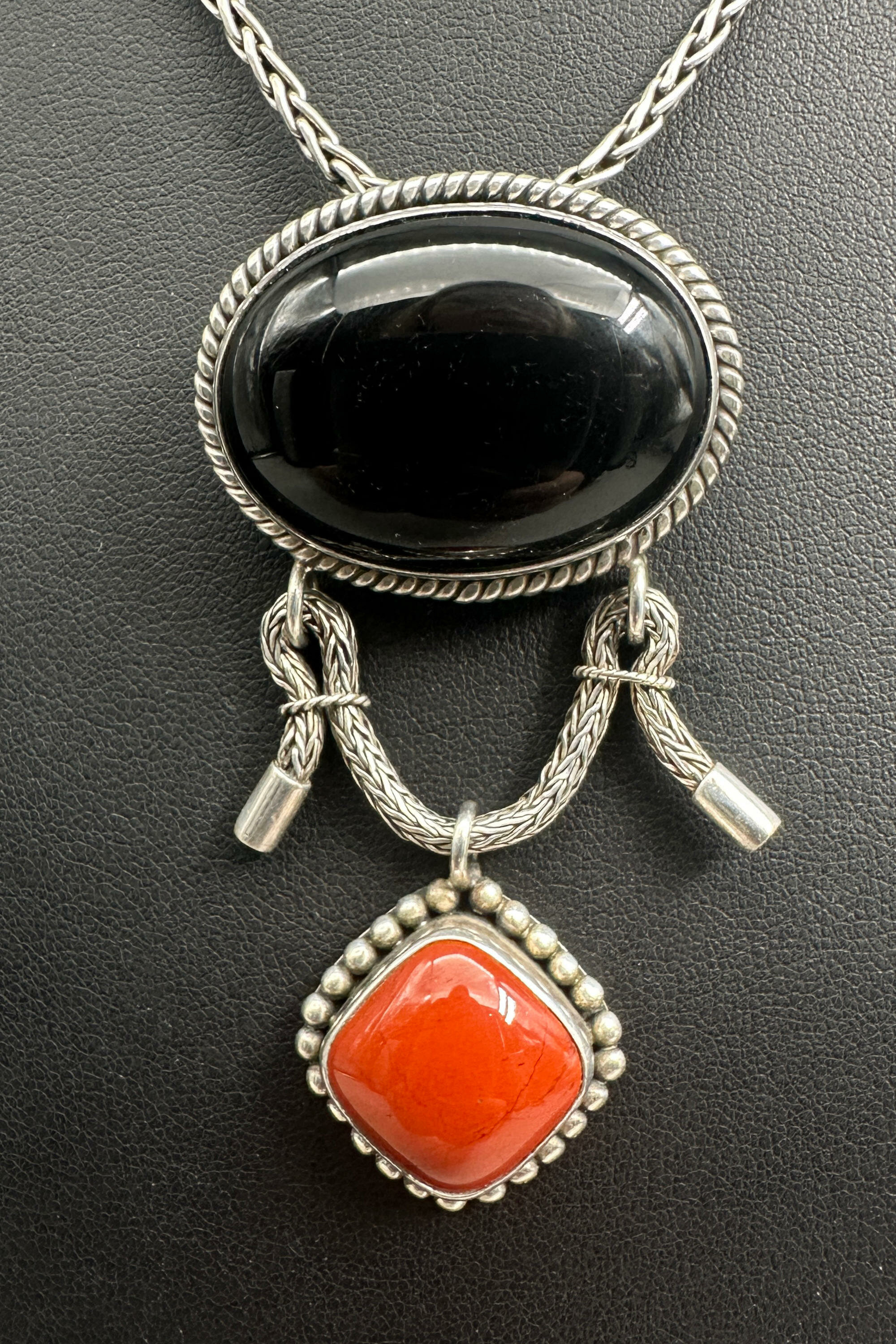
Indian silver onyx and carnelian pendant necklace/brooch, 2006
Price: £125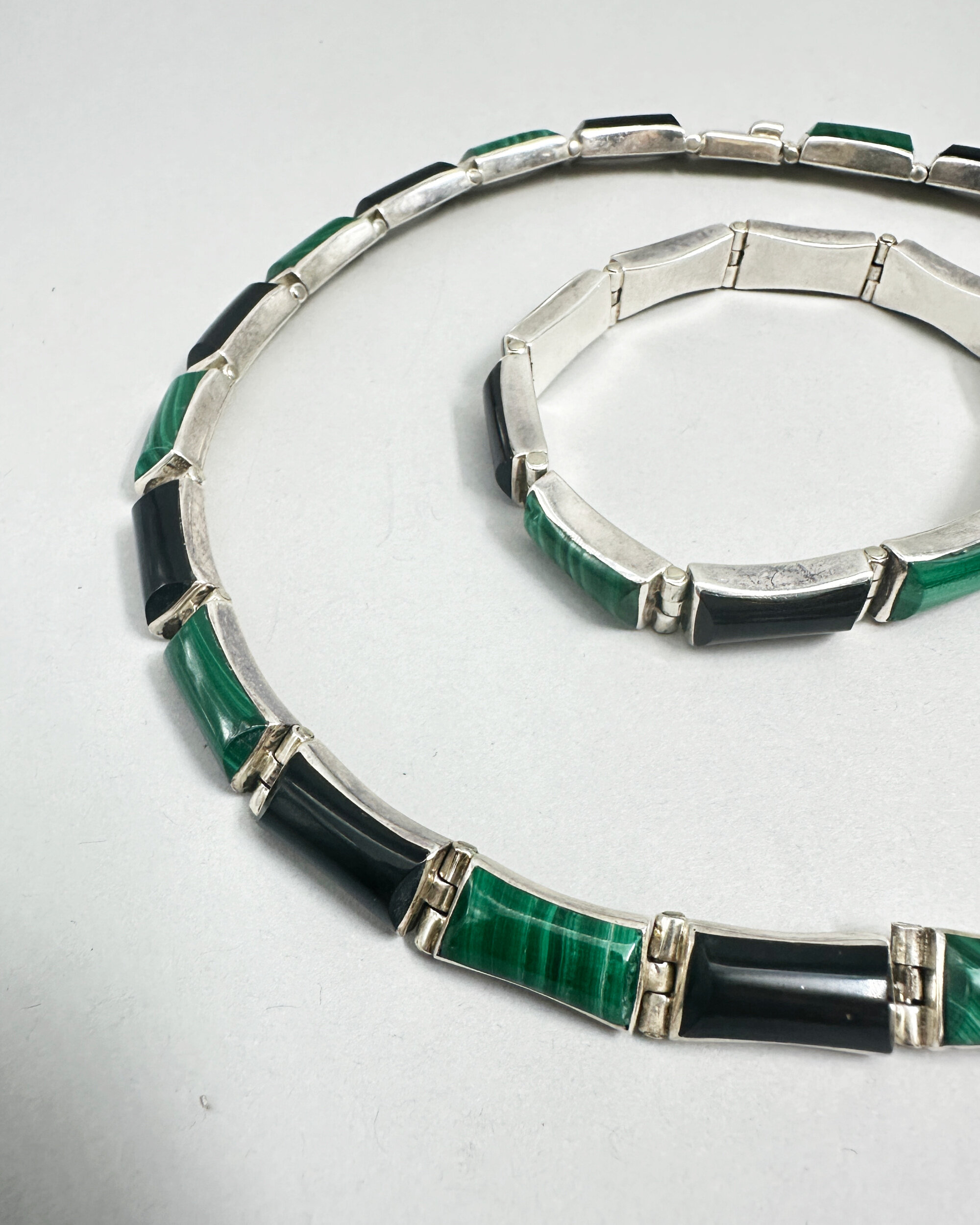
Taxco suite of necklace and earrings, malachite and onyx stations, 1990s
Price: £250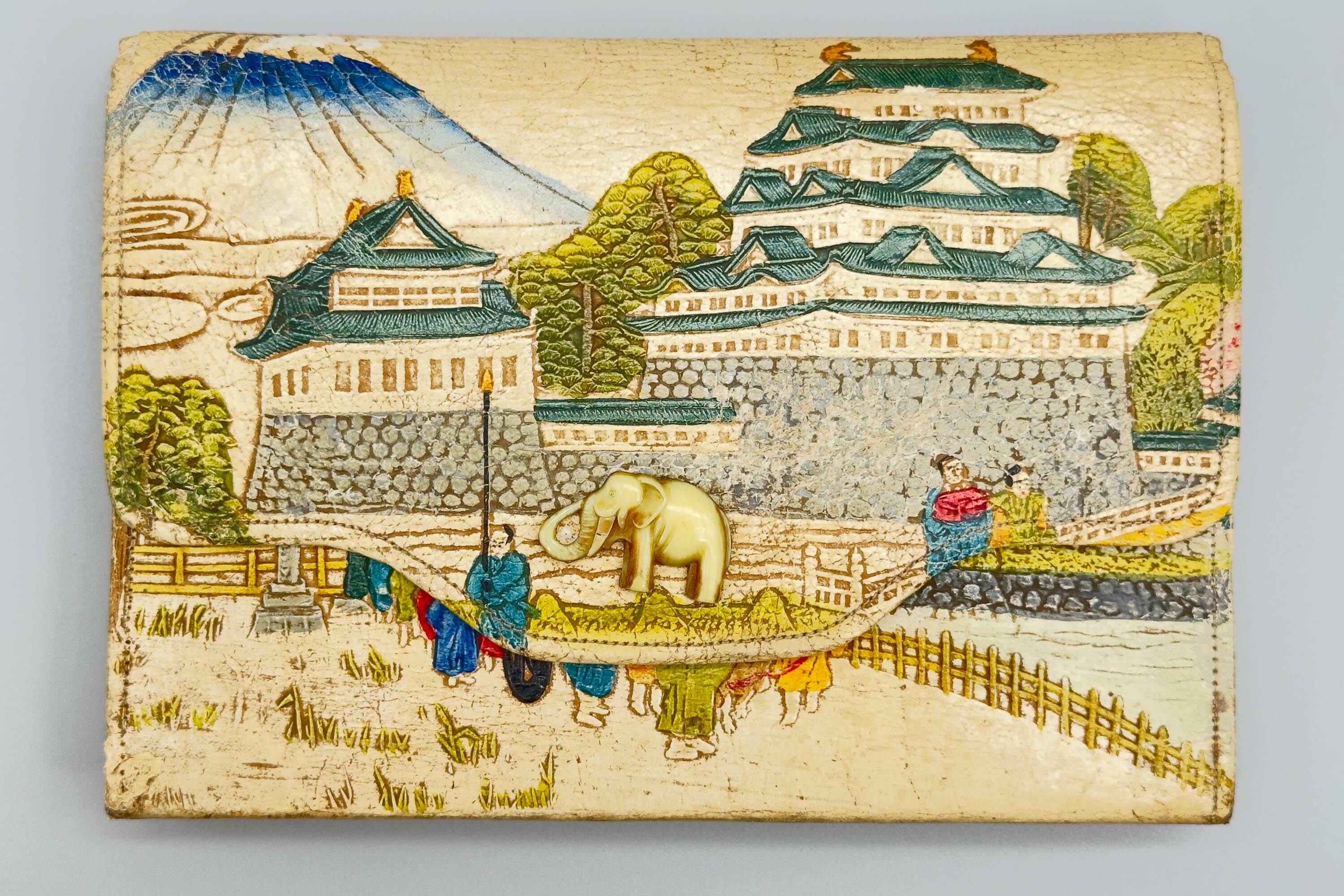
Japanese tooled and painted leather Clutch Bag, 1930s
Price: £45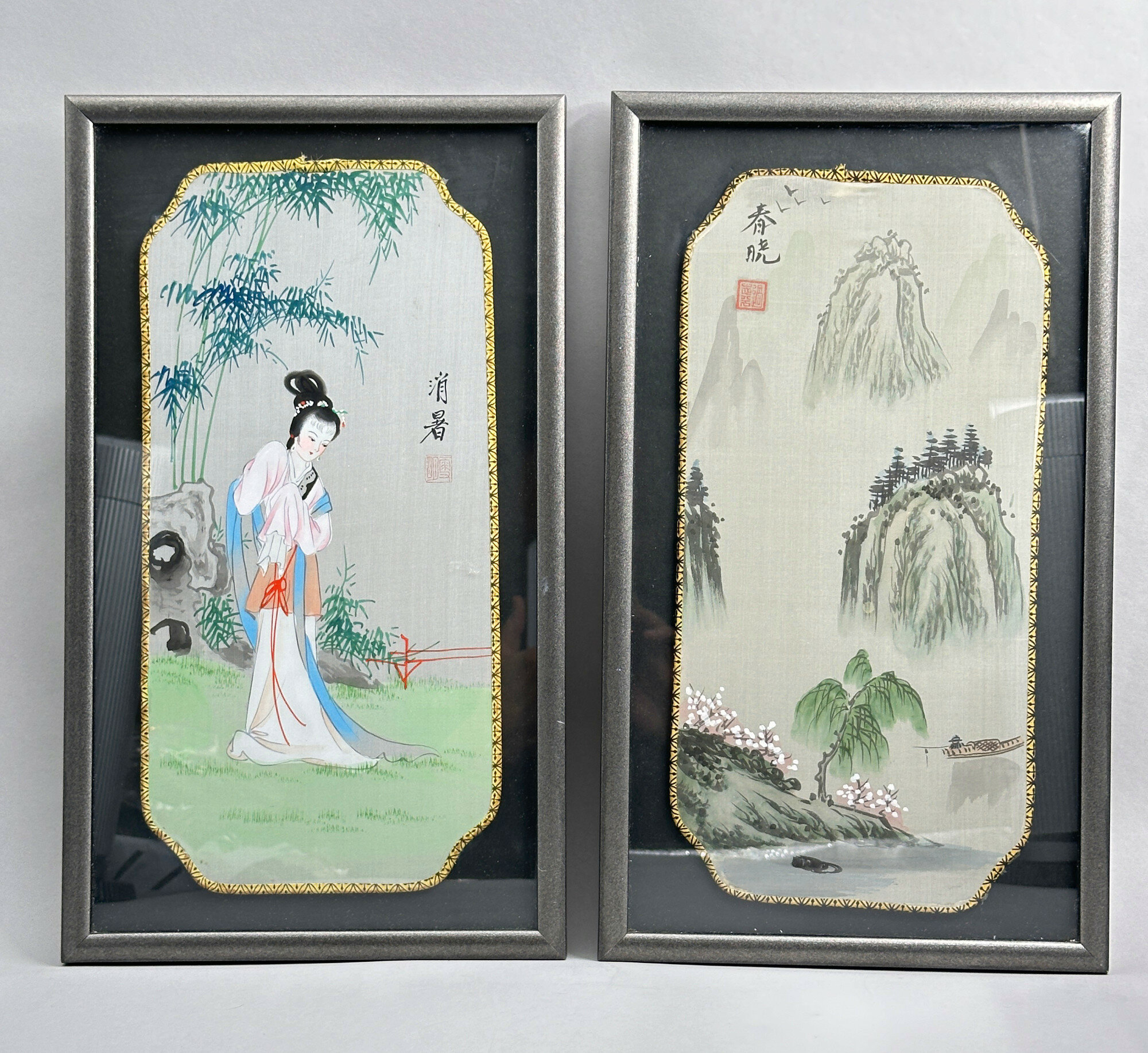
Pair of Chinese Paintings on Silk, framed, C20th
Price: £45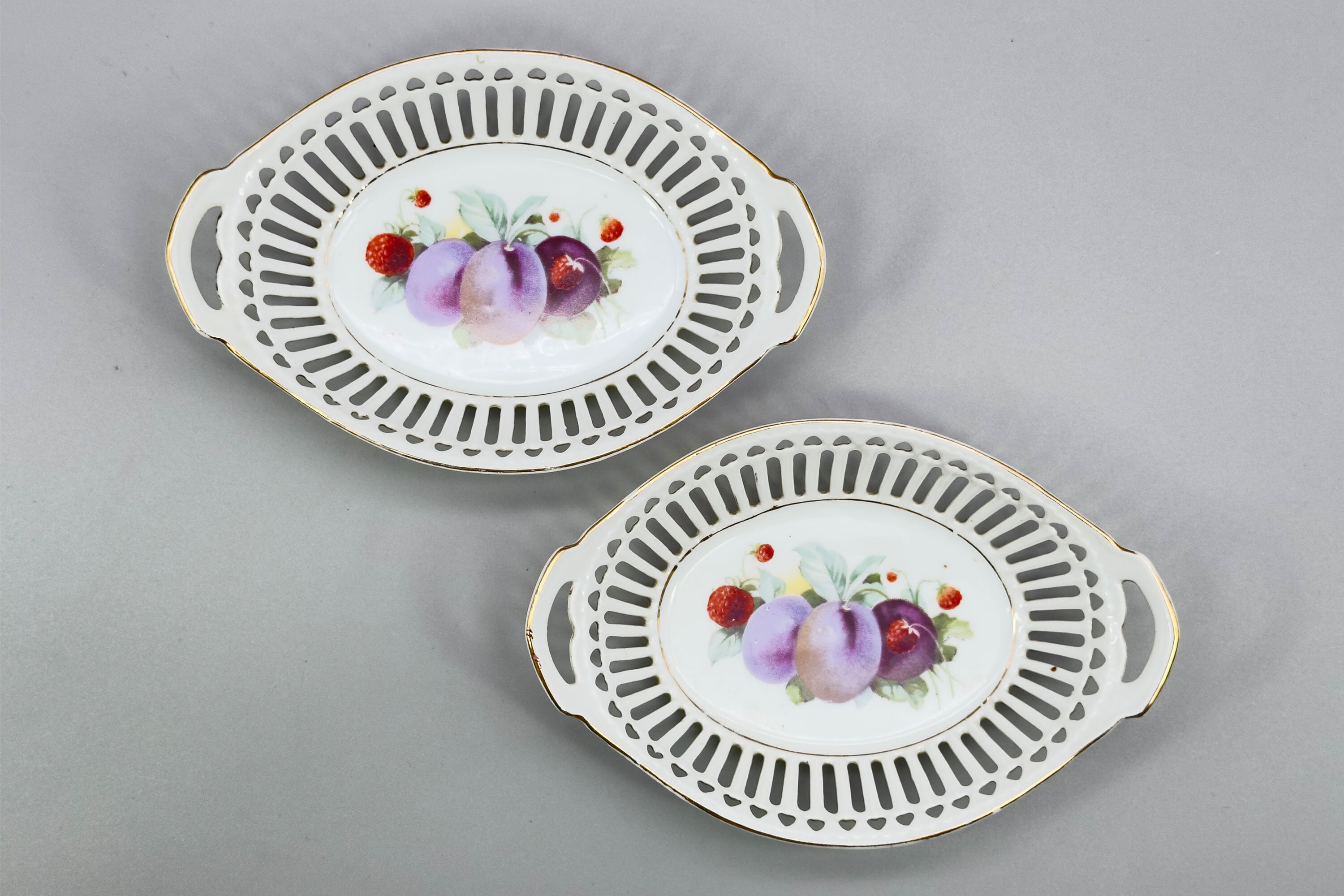
Pair of continental style openwork border Dishes, probably Chinese C20th
Price: £20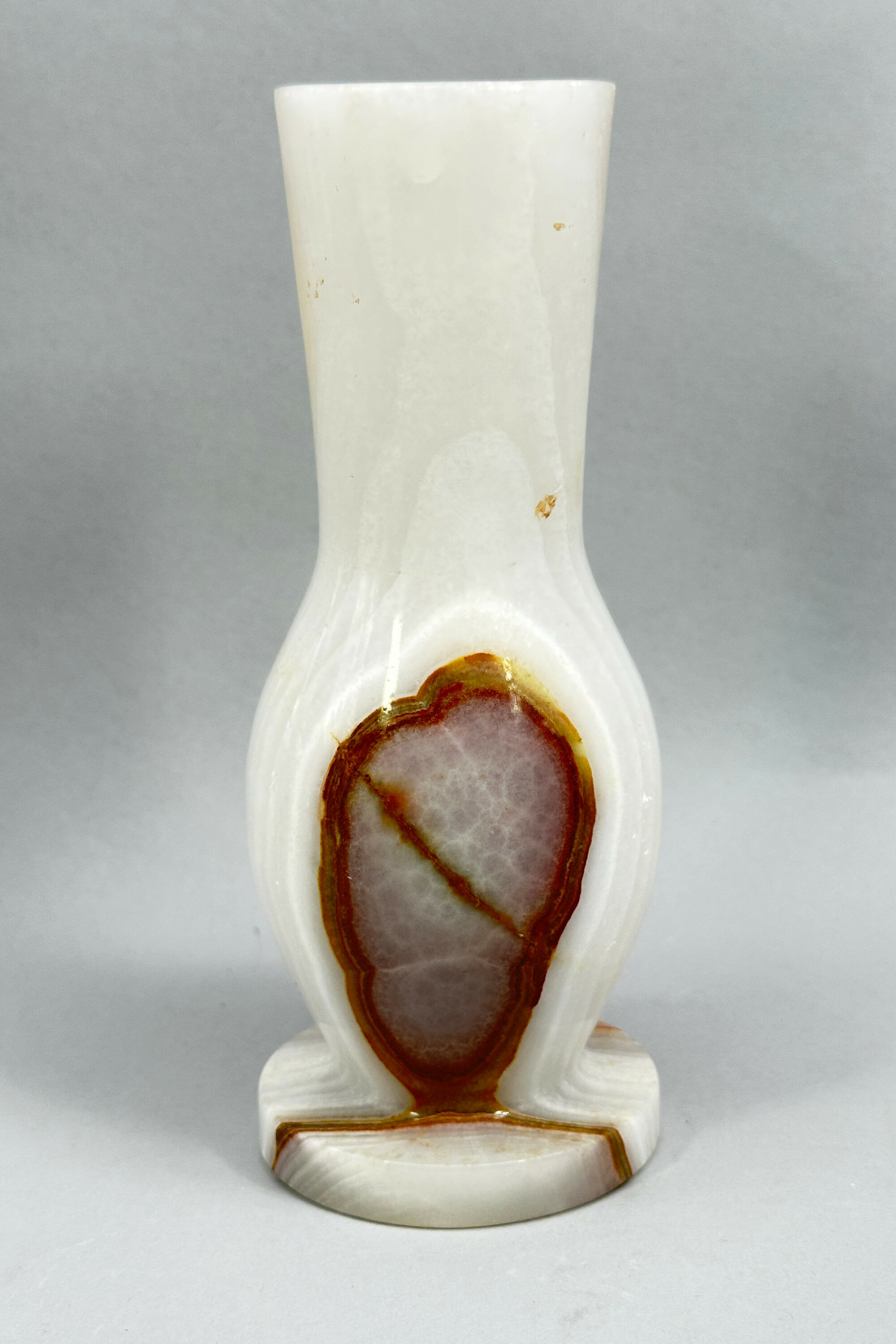
Pedestal footed Onyx Vase, mid to late C20th
Price: £25
Long Murano Glass Necklace 1970s
Price: £55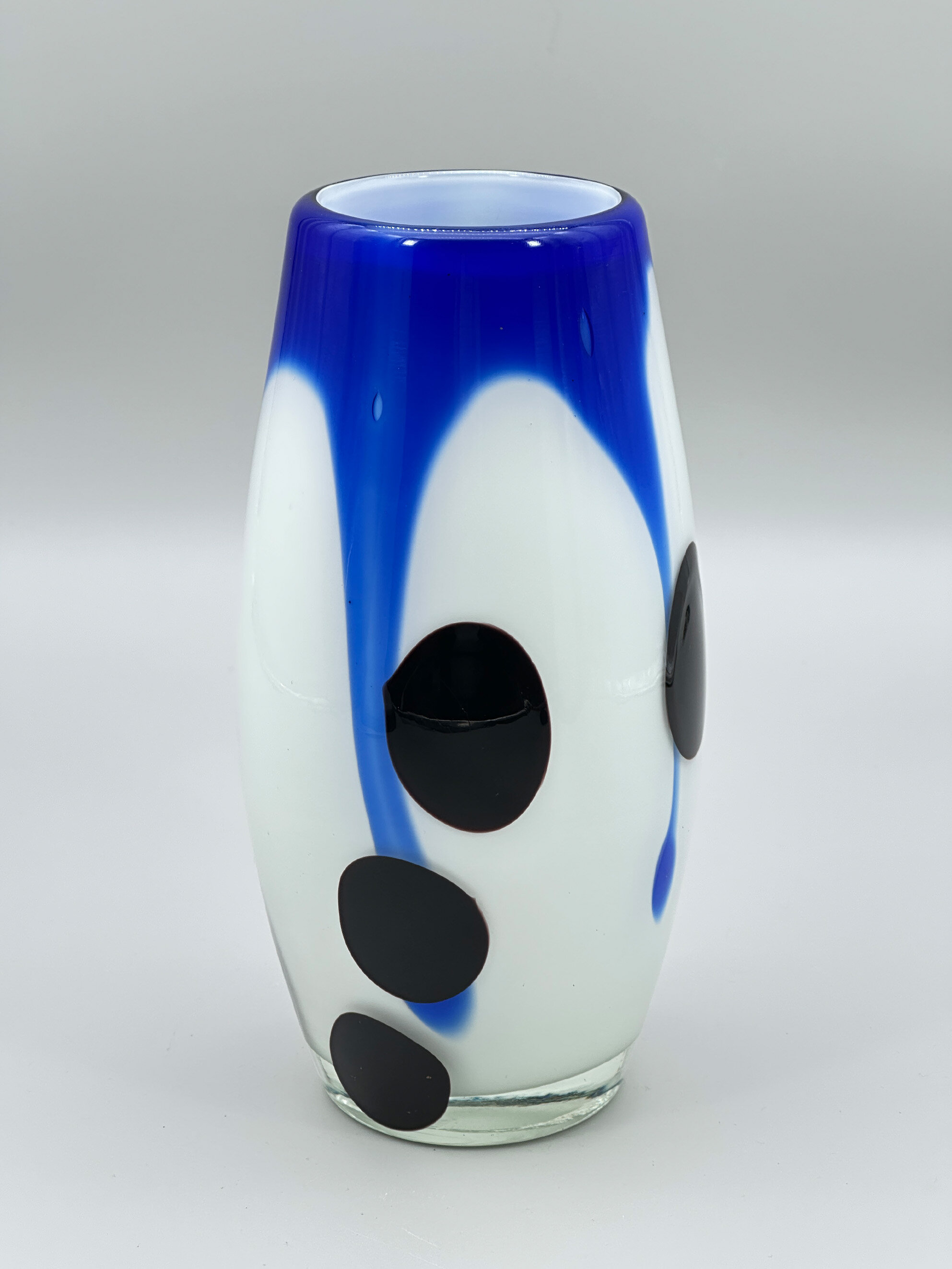
Art Glass Vase probably designed by Joanna Jellinek for IKEA, Swedish early C21st
Price: £35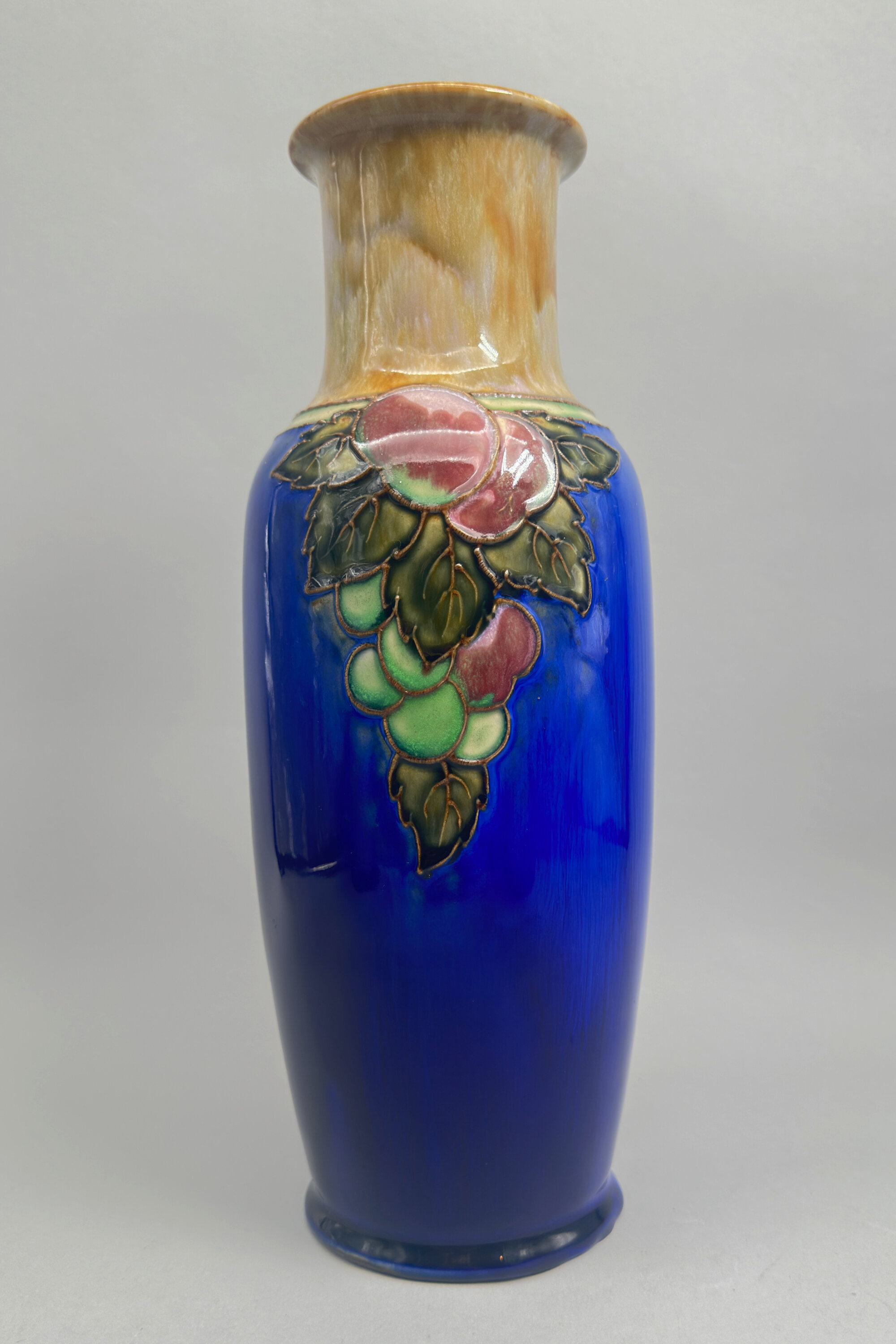
Doulton Vase with raised grape and peach decoration, 1920s
Price: £110The mark for Doulton is one of the standard impressed 'Royal Doulton England' marks where the lettering forms part of a circle combined with three thick lines and the centre is filled with four interlocking 'D's. The addition of a lion but not with the usual accompanying crown allows a fairly precise dating to between 1923 and 1927, although the pattern number beginning with ‘X’, which appears on other pieces with similar decoration but a different shape, is supposedly found on pieces made for couple of years thereafter. Either way, the mid to late 1920s dating fits with both the form and the decoration which have a distinctly Art Deco feel. The mark ‘P’ is for the decorator Lizzie Padbury but the scratched mark cannot be identified. Presumably the second set of numbers indicate the shape.
Royal Doulton produced many pieces reflecting the Art Deco style and other similar vases can be found on this site. They are an elegant reinterpretation producing pieces of great decorative appeal.
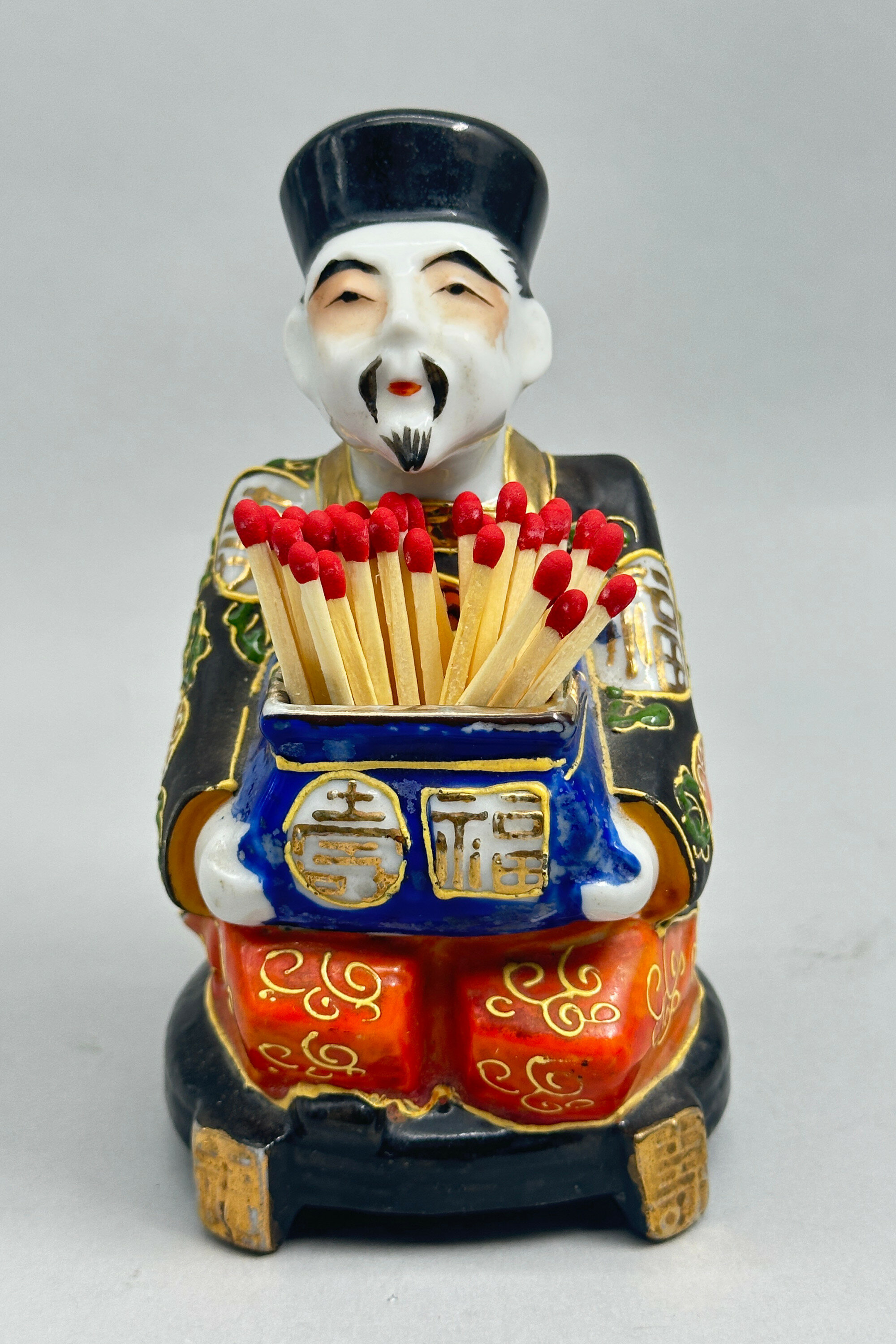
Japanese satsuma style match stick holder c1940
Price: £45
Outstanding Suede Lanvin Clutch in original box 1950s
Price: £250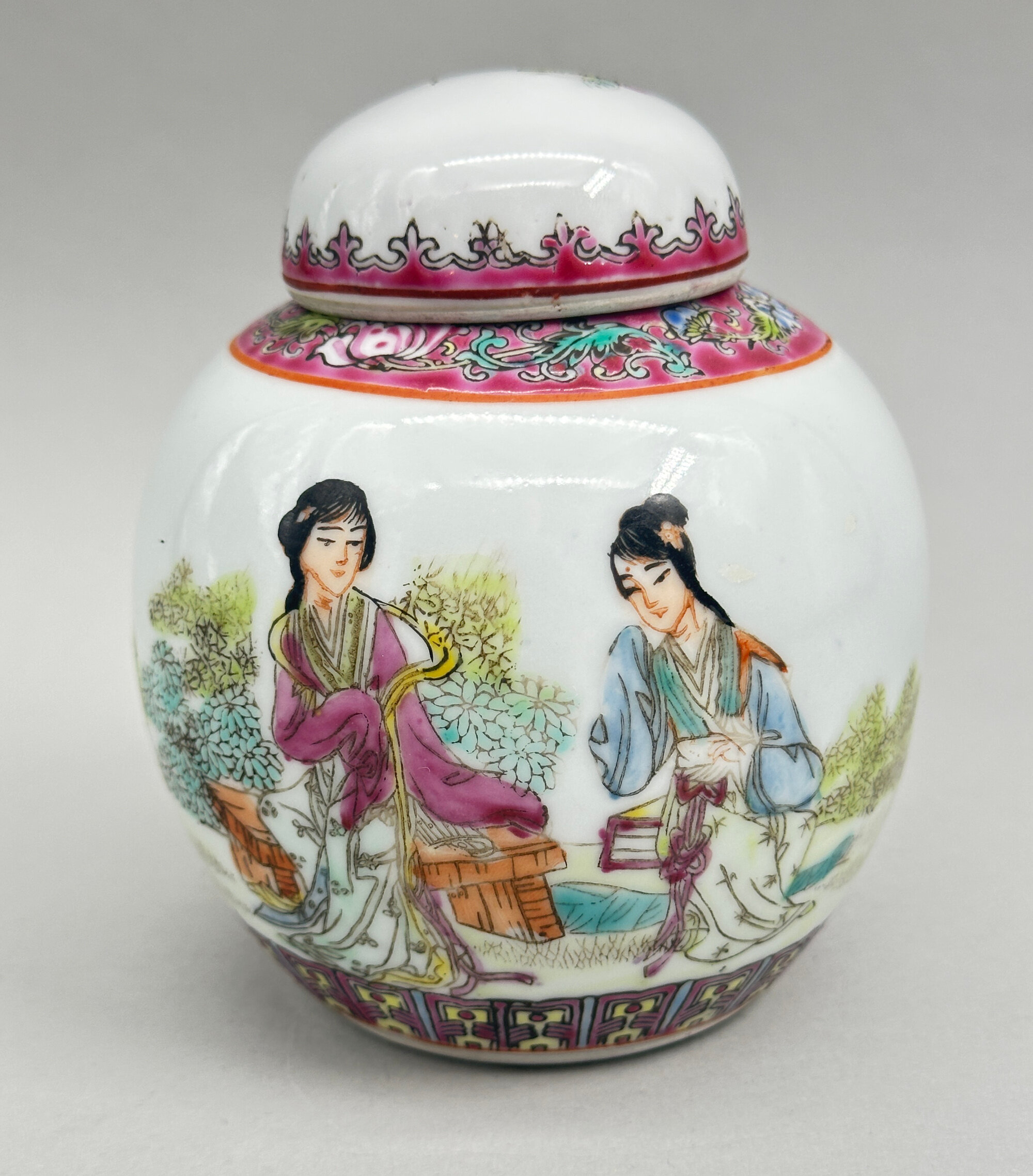
Chinese Republican Style small Famille Rose Ginger Jar and Cover, late c20th
Price: £20
Unique 40 strand micro coral bead necklace, India 1910
Price: £150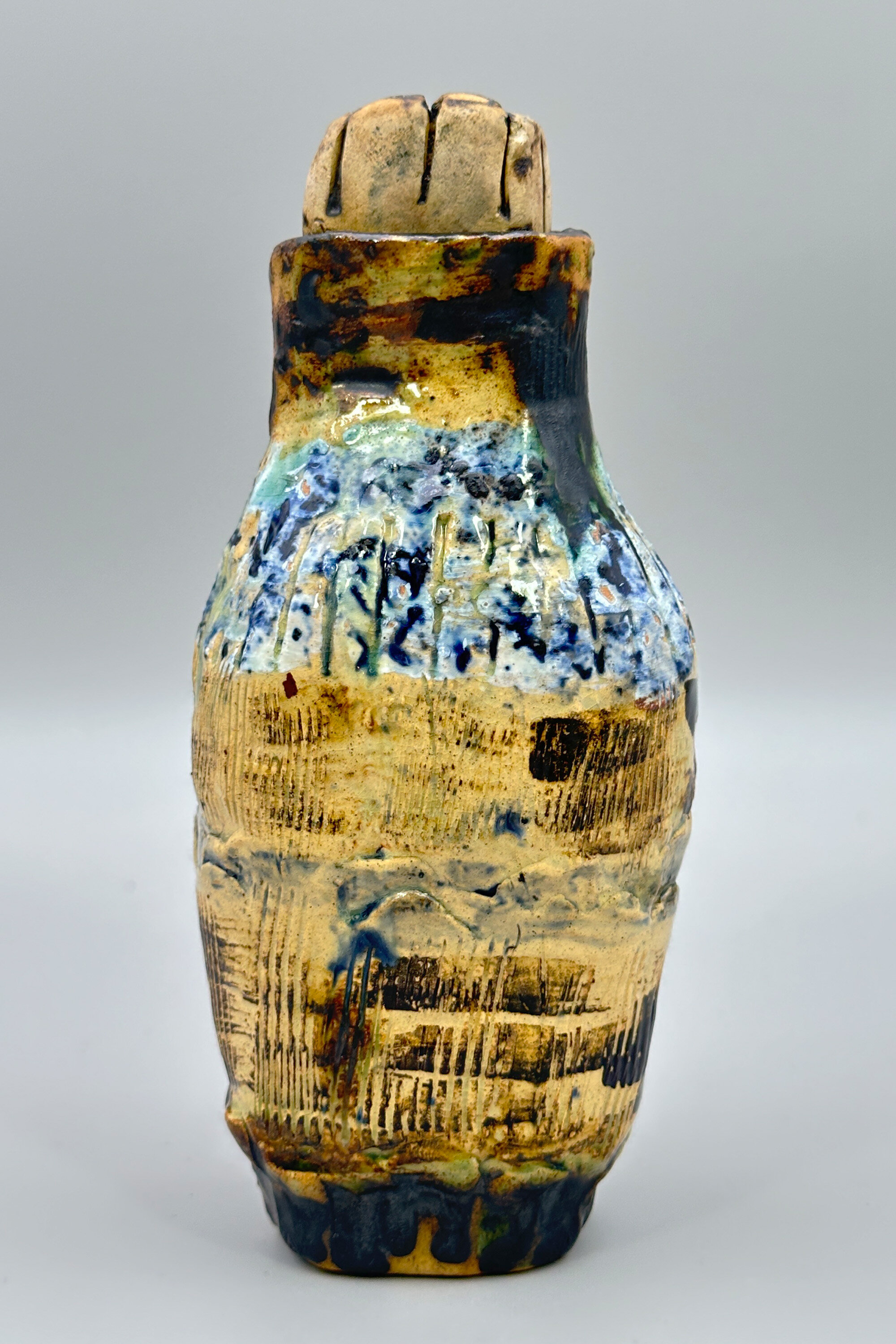
Primitive studio pottery Flask and Cover, signed, possibly Allison Weightman, C20th
Price: £45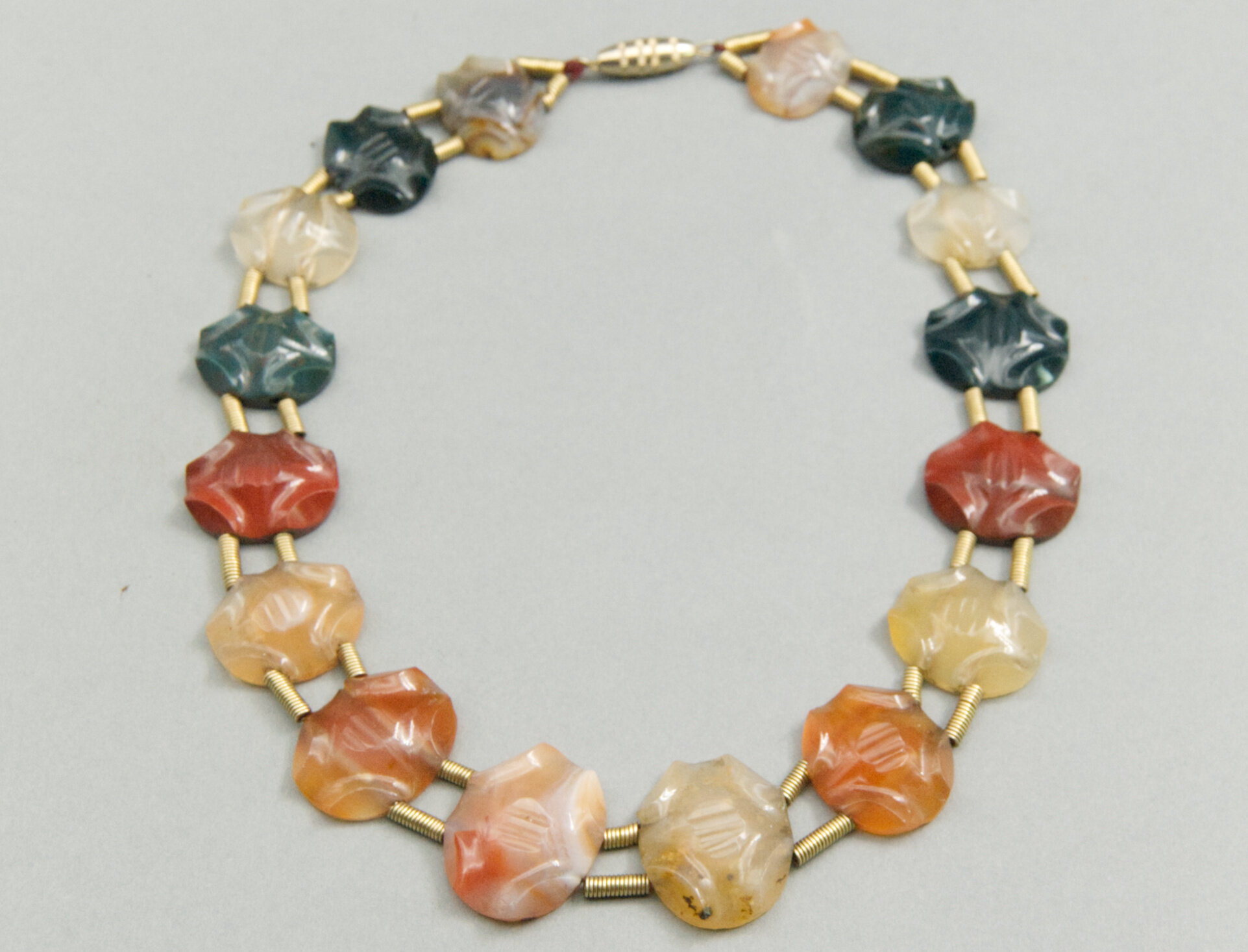
Art Deco Scottish agate necklace, 1920s
Price: £125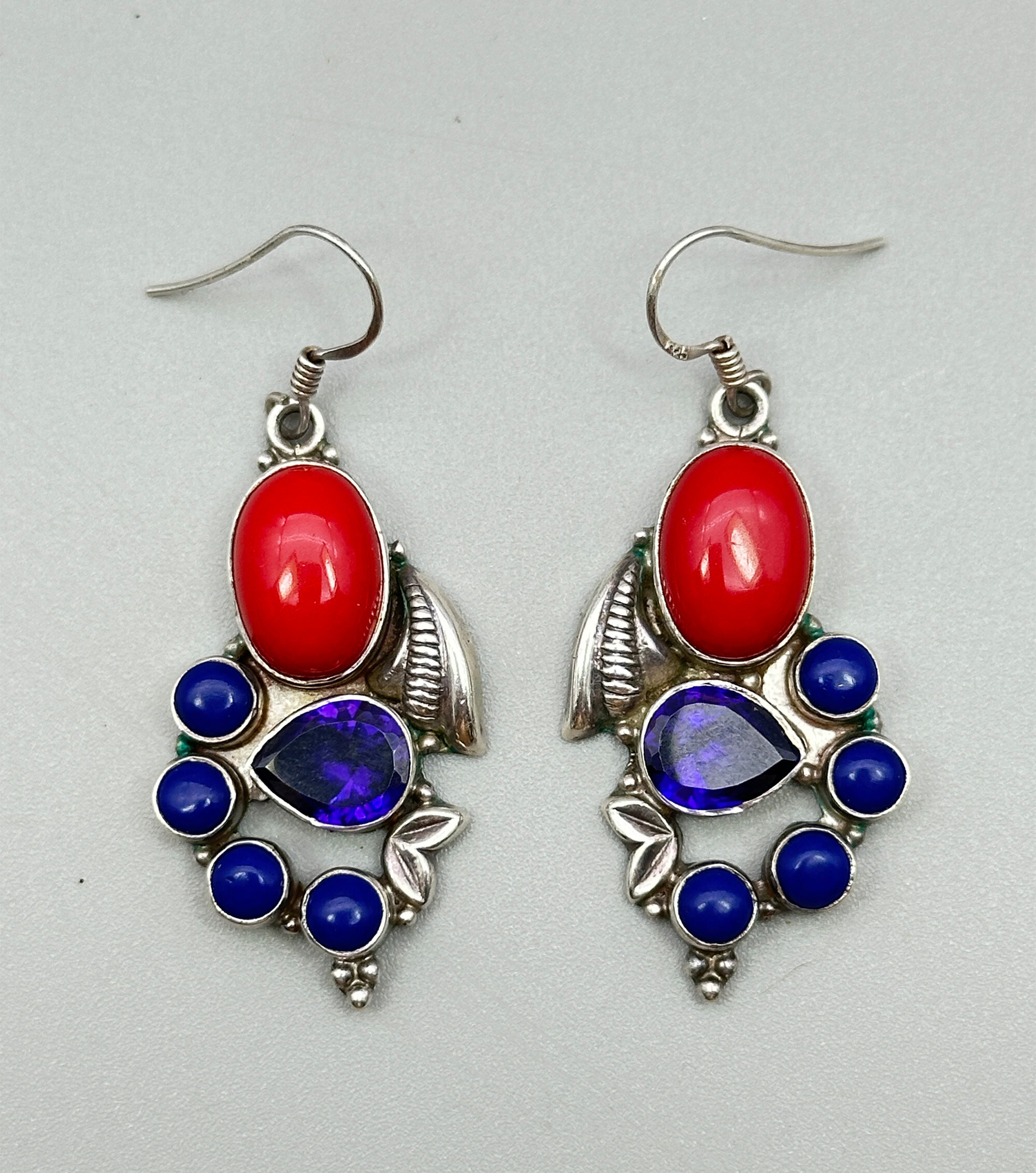
Coral, amethyst and lapis earrings c1990
Price: £65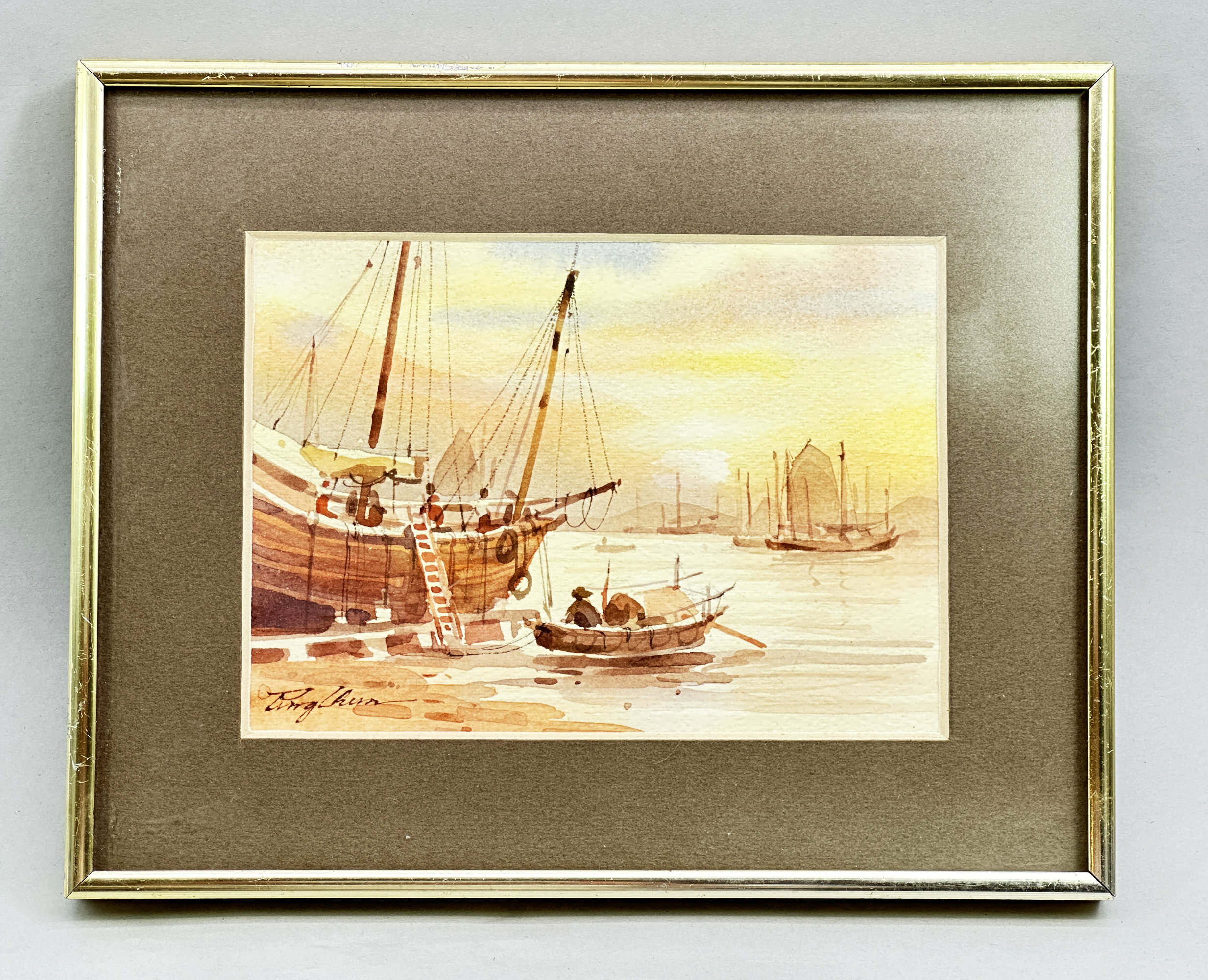
Framed Watercolour, Harbour or Beachside Scene, signed, C20th
Price: £25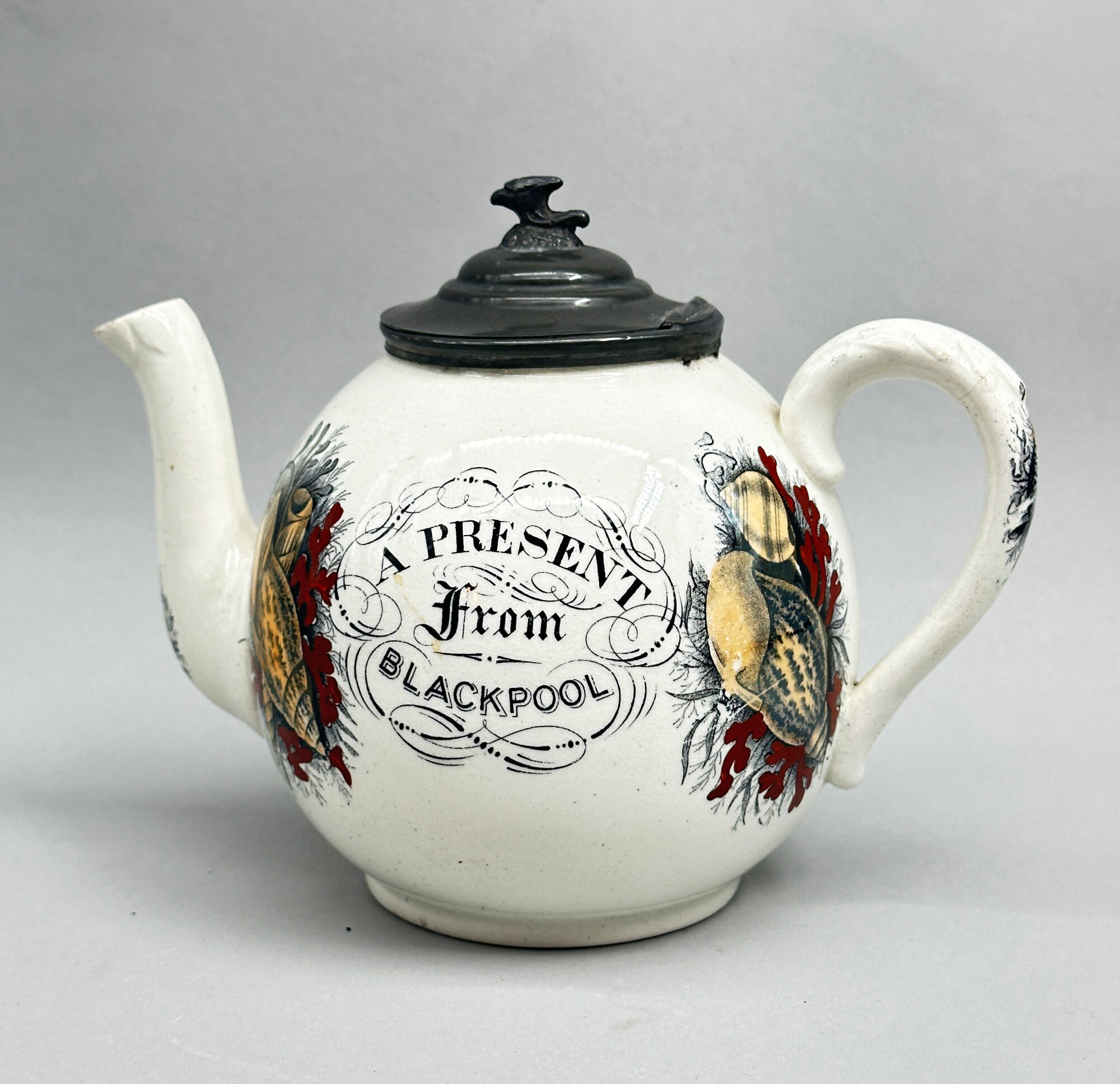
Blackpool souvenir teapot c1920
Price: £35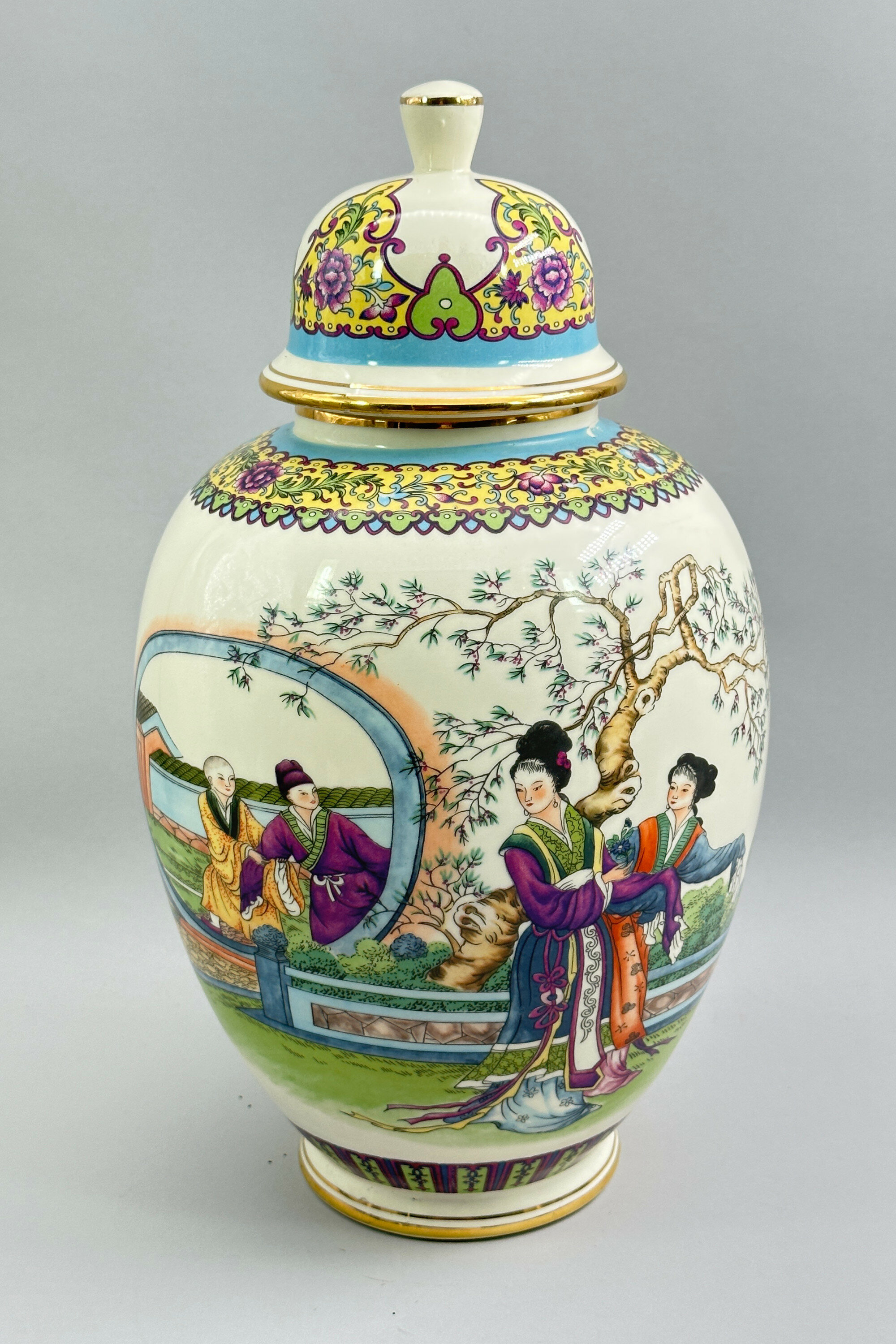
Chinese style Vase and Cover decorated with ladies and courtiers in a garden scene, C20th
Price: £55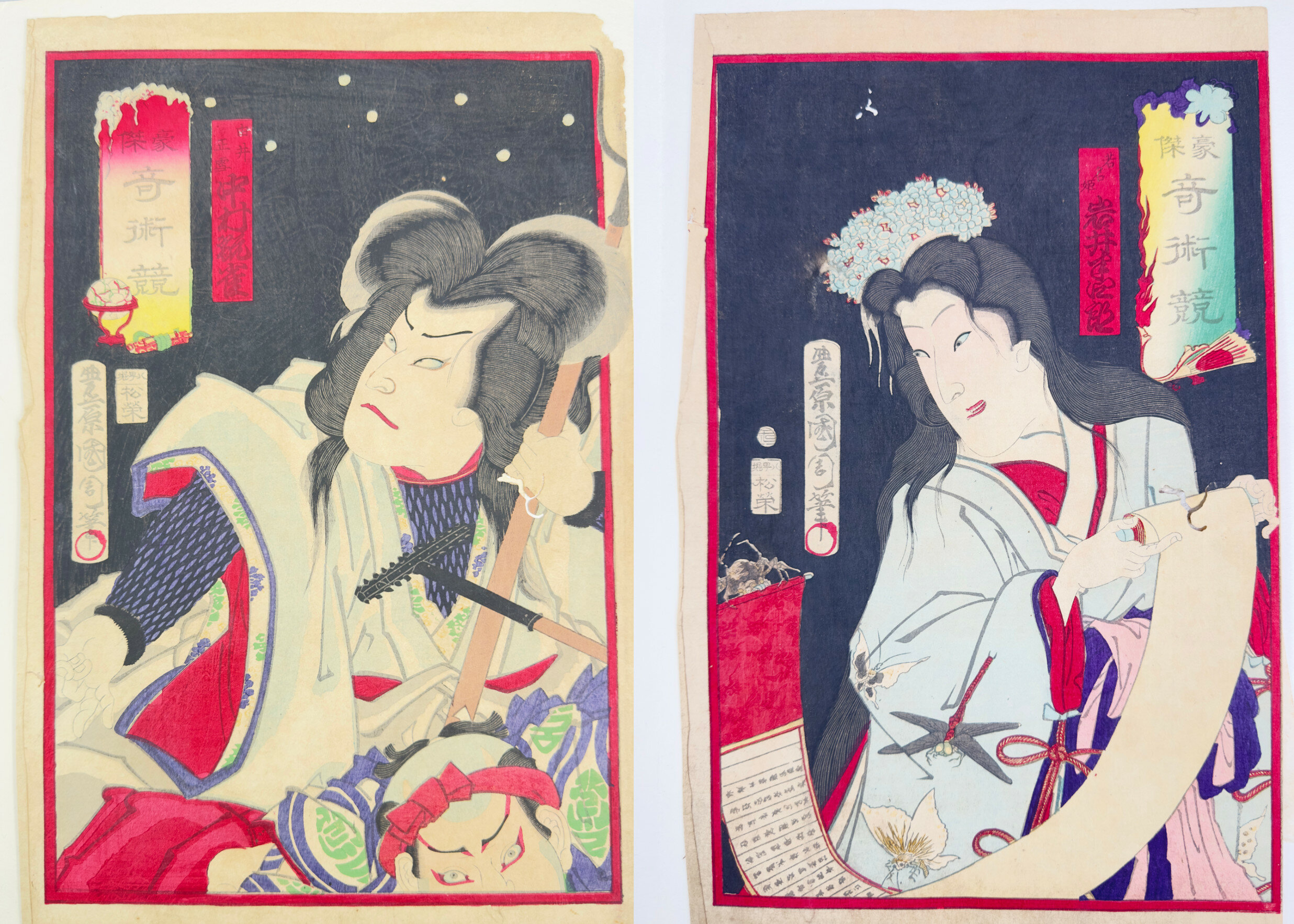
Two Japanese Woodblock Prints by Toyohara Kunichika, second half C19th
Price: £75Toyohara Kunichika achieved great fame and distinction a Japanese print artist. Born in 1835 he studied under Toyohara Chikanobu and then Utagawa Kunisada (also known as Utagawa Toyokuni III) eventually using a combination of both his teacher’s names to create his own professional one. At first he worked within Kunisada’s studio and when his teacher died in 1865 was asked to design two memorial portraits of him. The beginning of the Meiji era (1868-1912) saw Kunichika issuing his own prints, often in themed series and he became known in particular for his portrayals of kabuki actors, indeed he regarded the theatre as almost his second home. A contemporary once wrote ‘"Print designing, theatre and drinking were his life and for him that was enough.’ He achieved great fame and was rated as one of the masters of woodblock printing. Contemporary observers noted Kunichika's skilful use of colour in his actor prints, but he was also criticized for some of his choices for unlike most artists of the period, he made use of strong reds and dark purples rather than the softer colours used previously, exploiting the recent import of new dyes from Germany. Red, for the Japanese, meant progress and enlightenment so there was probably hidden meaning here. Eventually Kunichika’s lifestyle took its toll and he died in poor health, aged 65. It had been a Japanese custom for people of high cultural standing to write a poem before death. Kunichika's own, inscribed on his grave, reads ‘Since I am tired of painting portraits of people of this world, I will paint portraits of the King of hell and the devils.’ For many years his prints fell out of favour but interest has now revived and Kunichika is regarded as one of the eminently collectible Japanese artists in the field and these two prints are an excellent example of his work.
Each print is accompanied by a printed text on fine paper which presumably describes the character represented. The second of them is accompanied by two sheets one of which has become attached in one small place to the print itself but could probably fairly easily be detached by a restorer. In general there are some typical signs of age with minor losses (illustrated), tears and folding but the colours remain bright and fresh.

Two mounted Wedgwood blue jasperware Cameo Brooches, C19th, C20th
Price: £10PLEASE NOTE THAT THERE IS FREE UK SHIPPING ON THIS ITEM. For international buyers the shipping cost will be reduced by the UK shipping cost, so don't worry if you are outside the UK, you still receive this benefit!
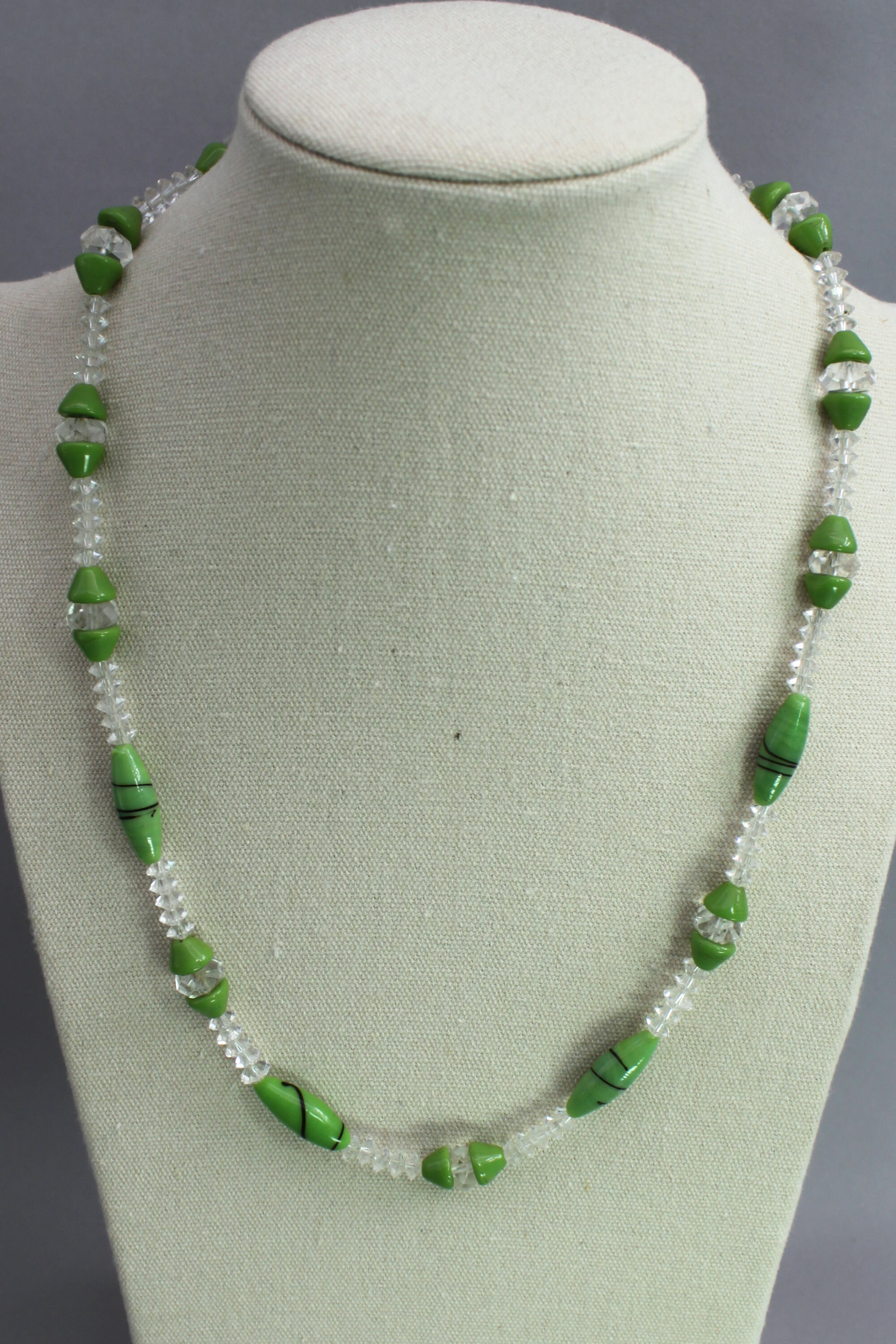
Art Deco glass bead necklace
Price: £20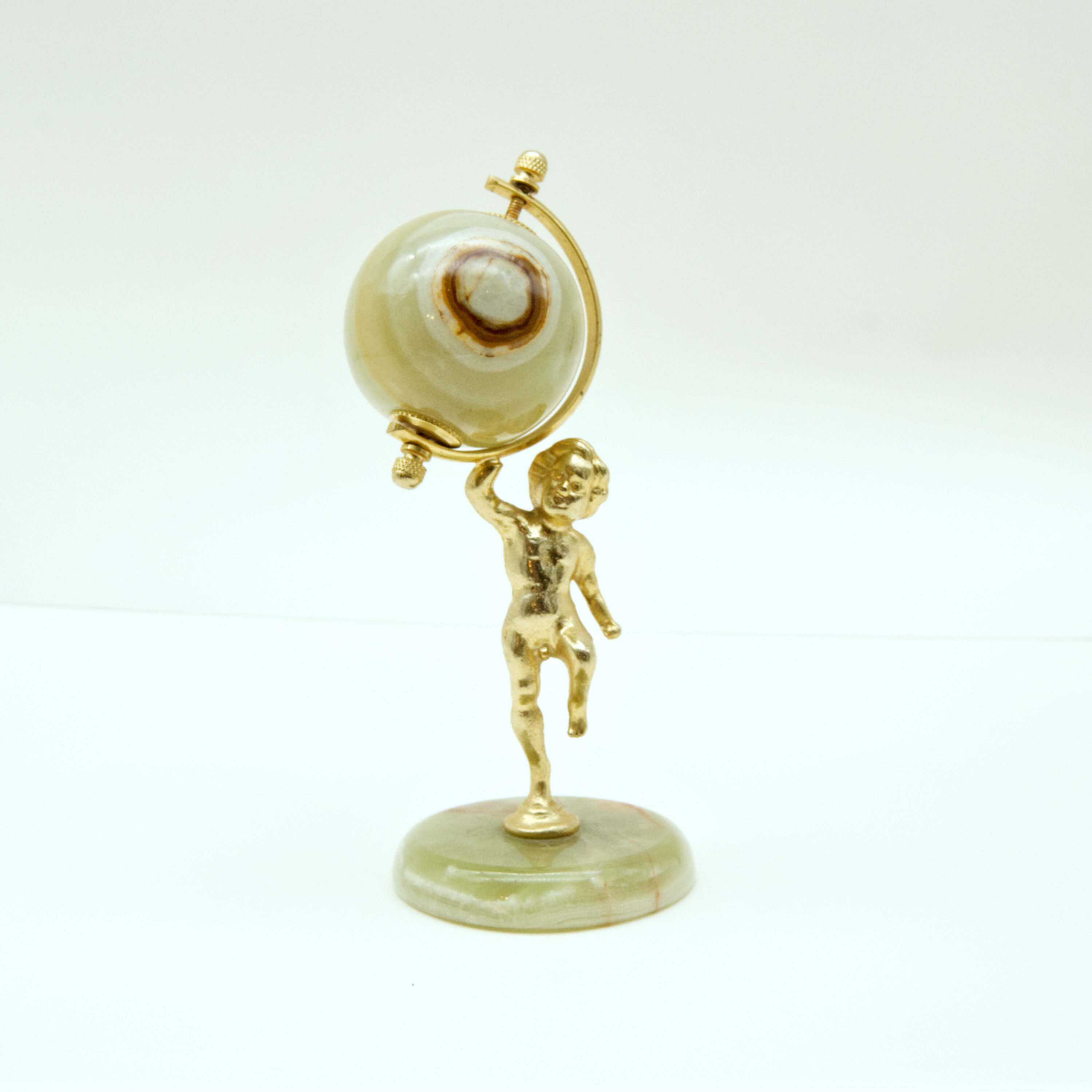
A gilt metal and onyx figure of a Cherub holding a Globe 1960s
Price: £45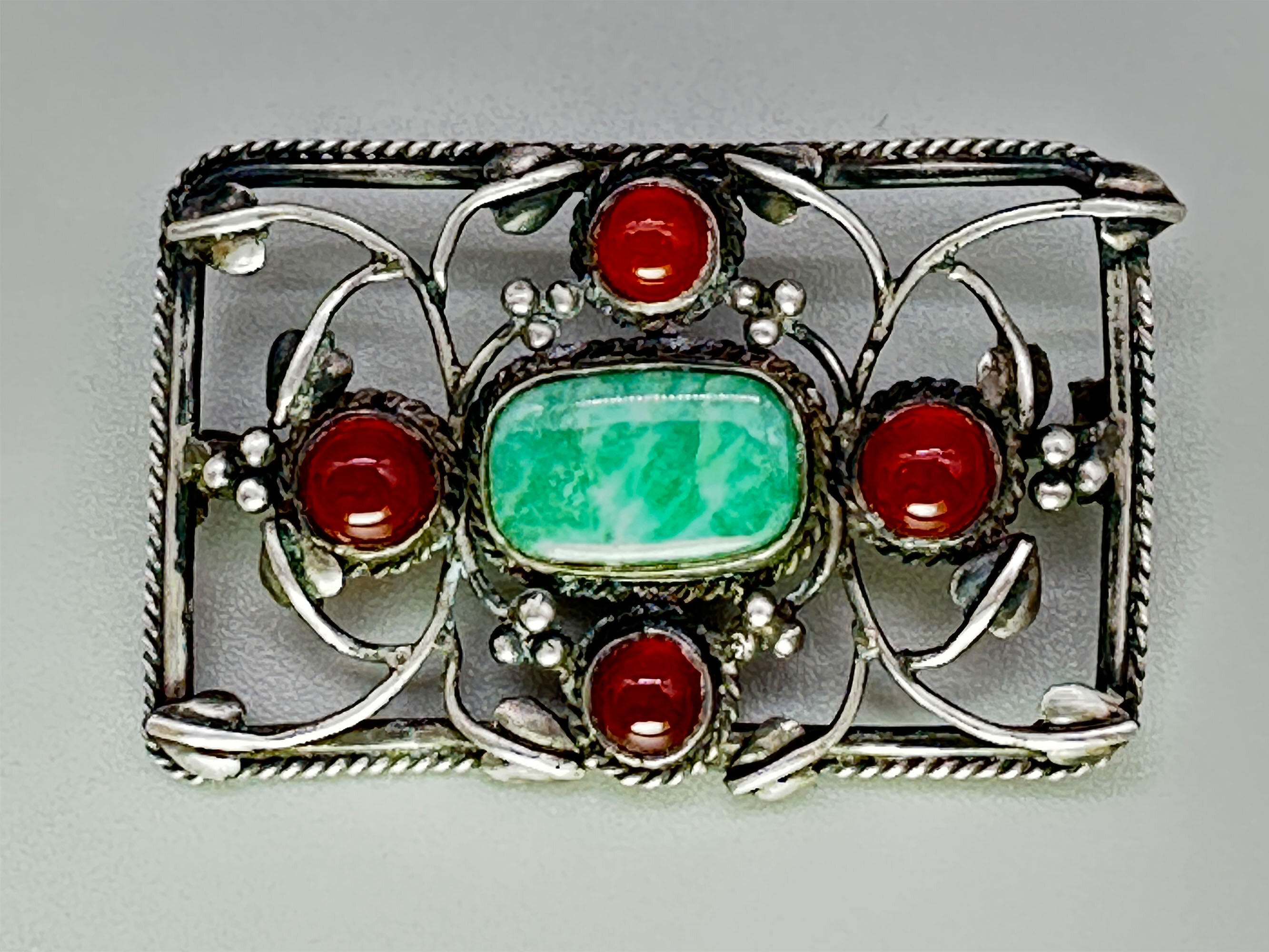
Arts and Crafts brooch with carnelian and aventurine c1910
Price: £95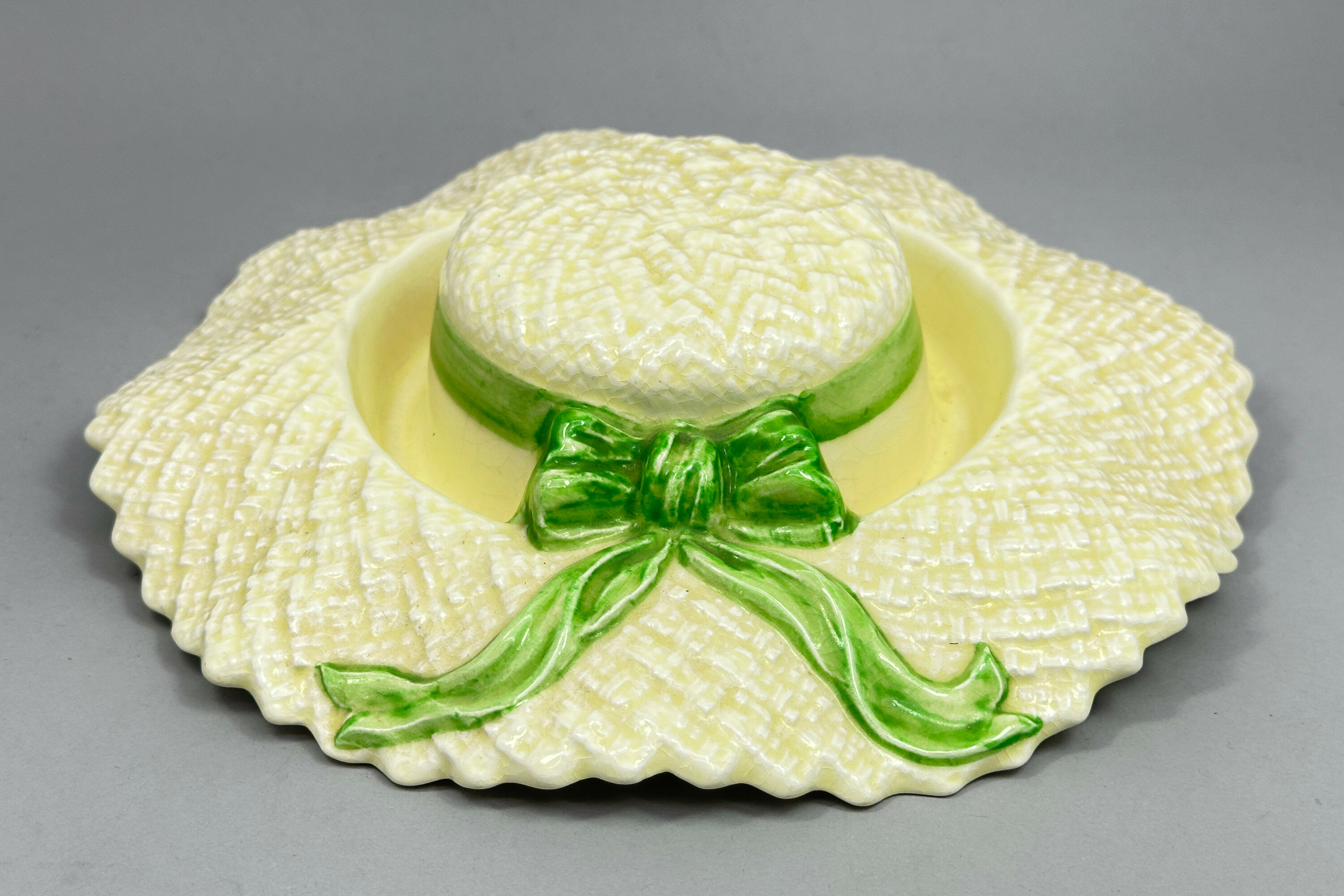
Novelty Bonnet Posy Vase, 1940s/1950s
Price: £25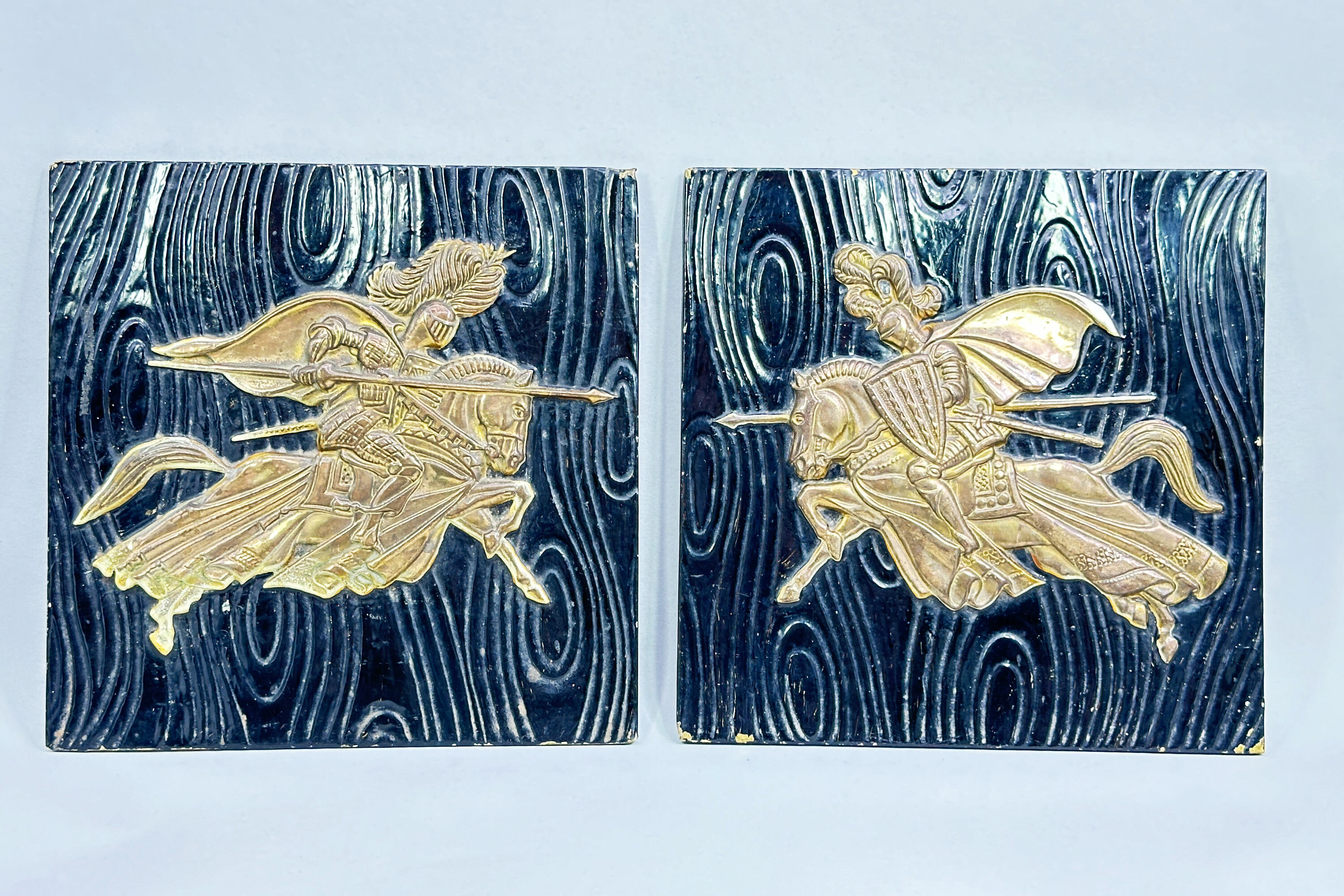
Pair of Brass Wall Plaques of Jousting Knights, Peerage Brass, mid C20th
Price: £45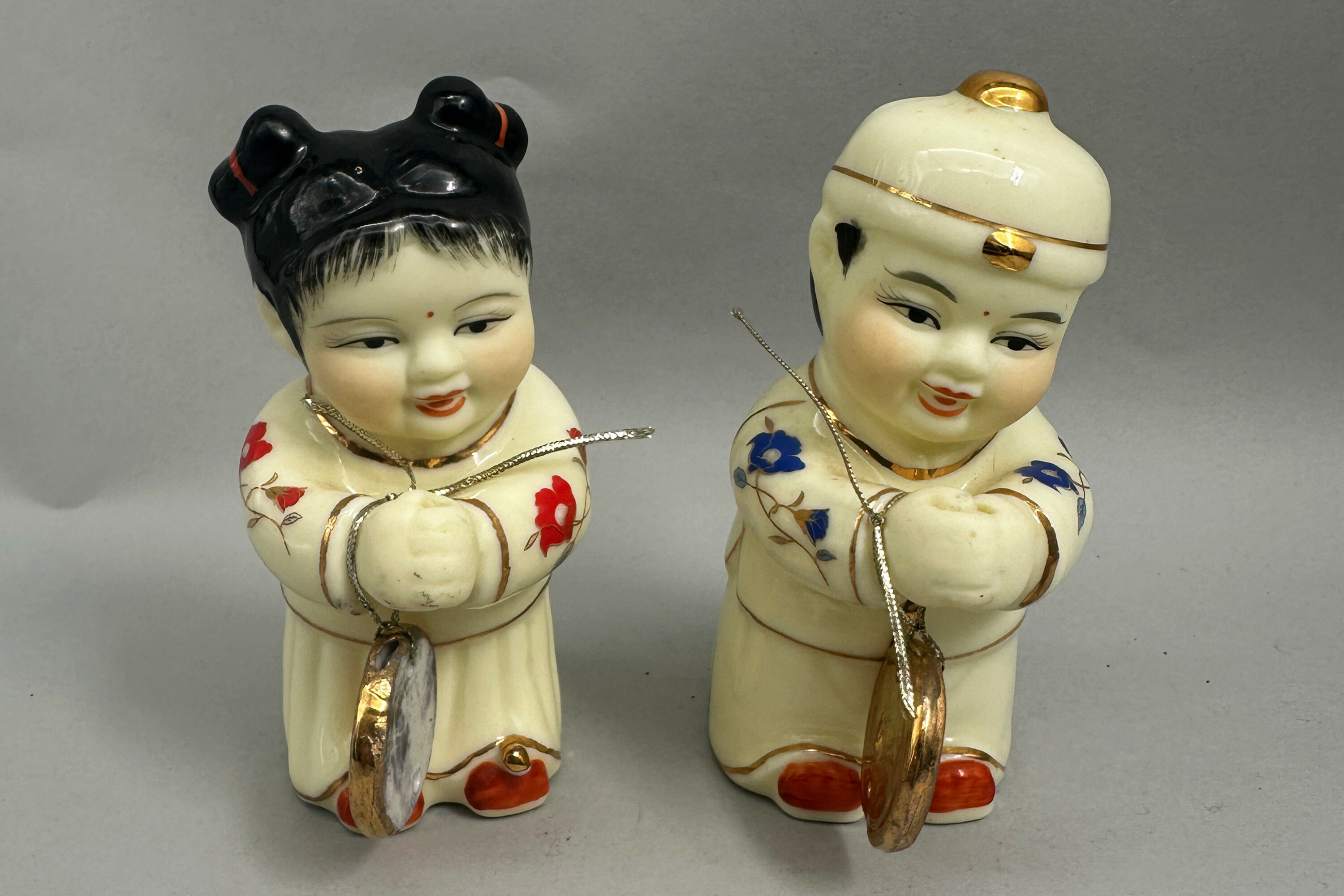
Decorative pair of Chinese ceramic figures of children, Yunu and Jintong , late C20th
Price: £45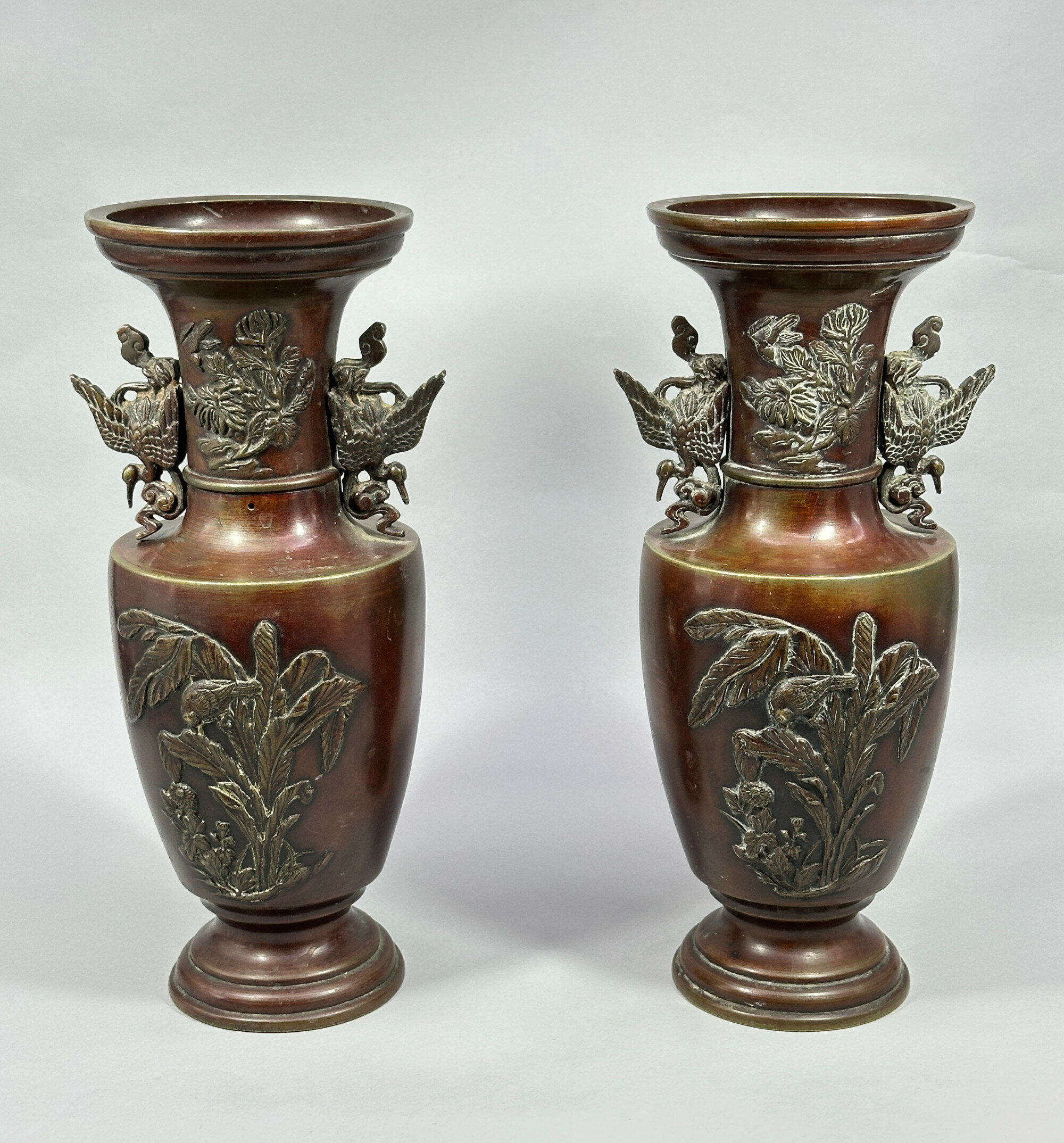
Pair of fine quality Japanese Bronze Vases decorated birds, circa 1880
Price: £220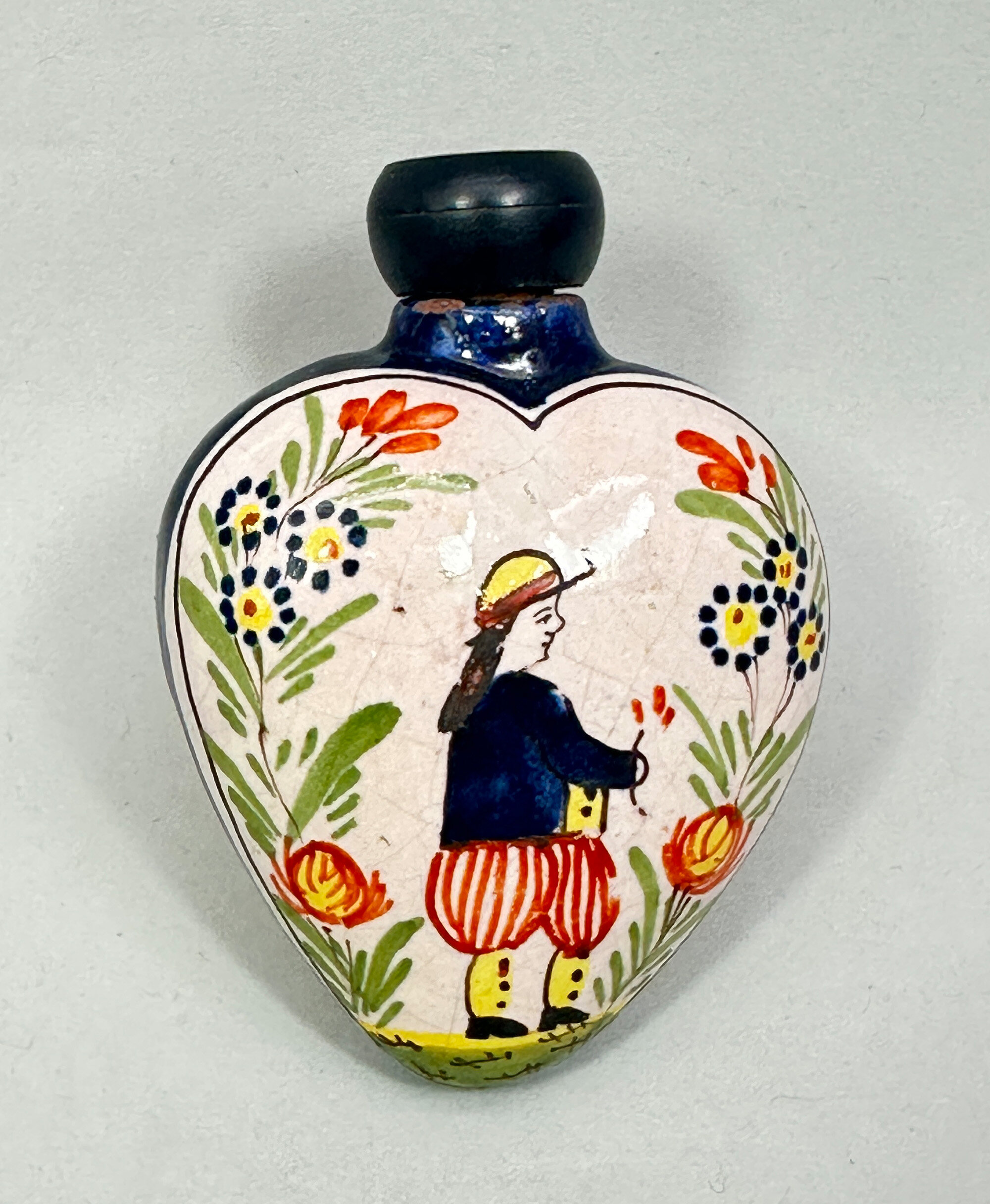
Faience Perfume Bottle and Stopper, Quimper France, C20th
Price: £75This bottle has the Breton gentleman on its front face and a fleur de lis to the reverse. The stylised lily, known as fleur de lis, became a symbol of the French royal family and France in general. It occurs, for example, on the Canadian flag but was also regularly used as a decorative motif by the Quimper potteries. These bottles can date to as early as the beginning of the twentieth century but a later time of production is probably a safer assumption here, perhaps to the 1950s. Few of these bottles survive with their fitted stoppers and the traces of cork to the top interior suggest that this stopper has been in place for some time and probably since the date of manufacture.
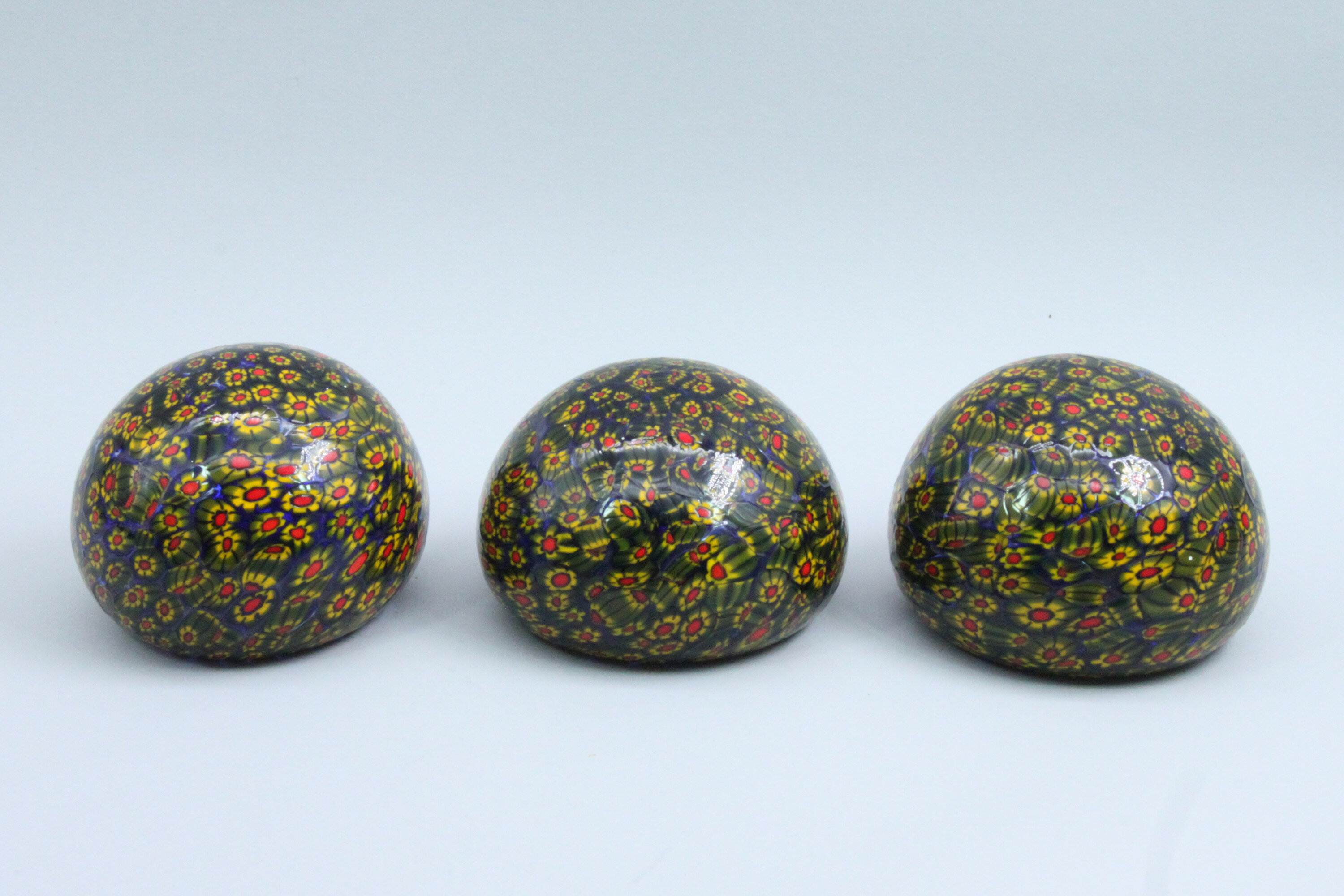
A set of three Millefiori Glass Paperweights, possibly Italian Murano, late C20th
Price: £75This set is sold with matching contemporary illuminated stands which enhance the decorative effect considerably and provide a modest light display installation for the home (see illustrations 5 and 6).
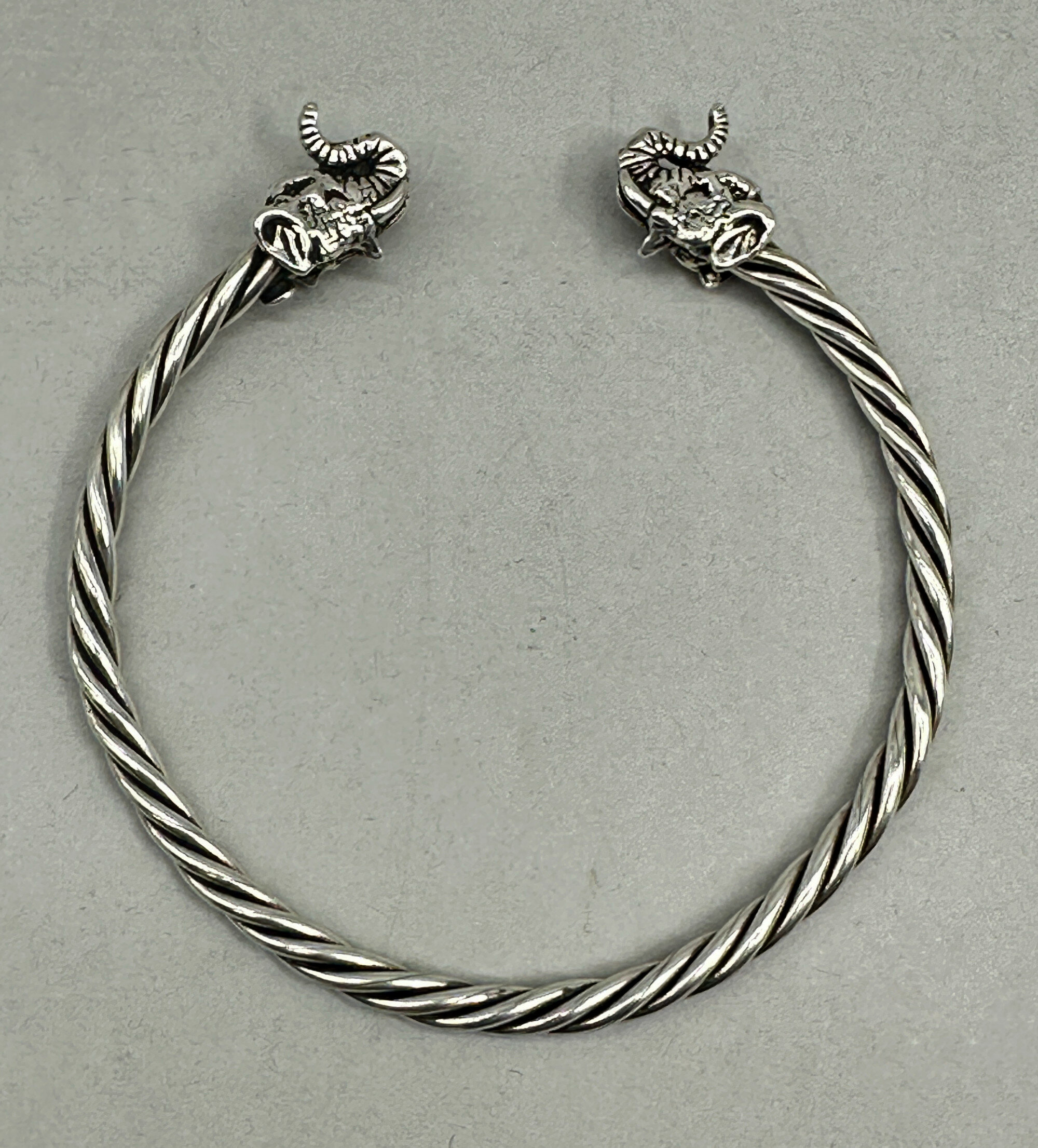
Balinese Silver Bangle with Elephant Heads, 1980s
Price: £45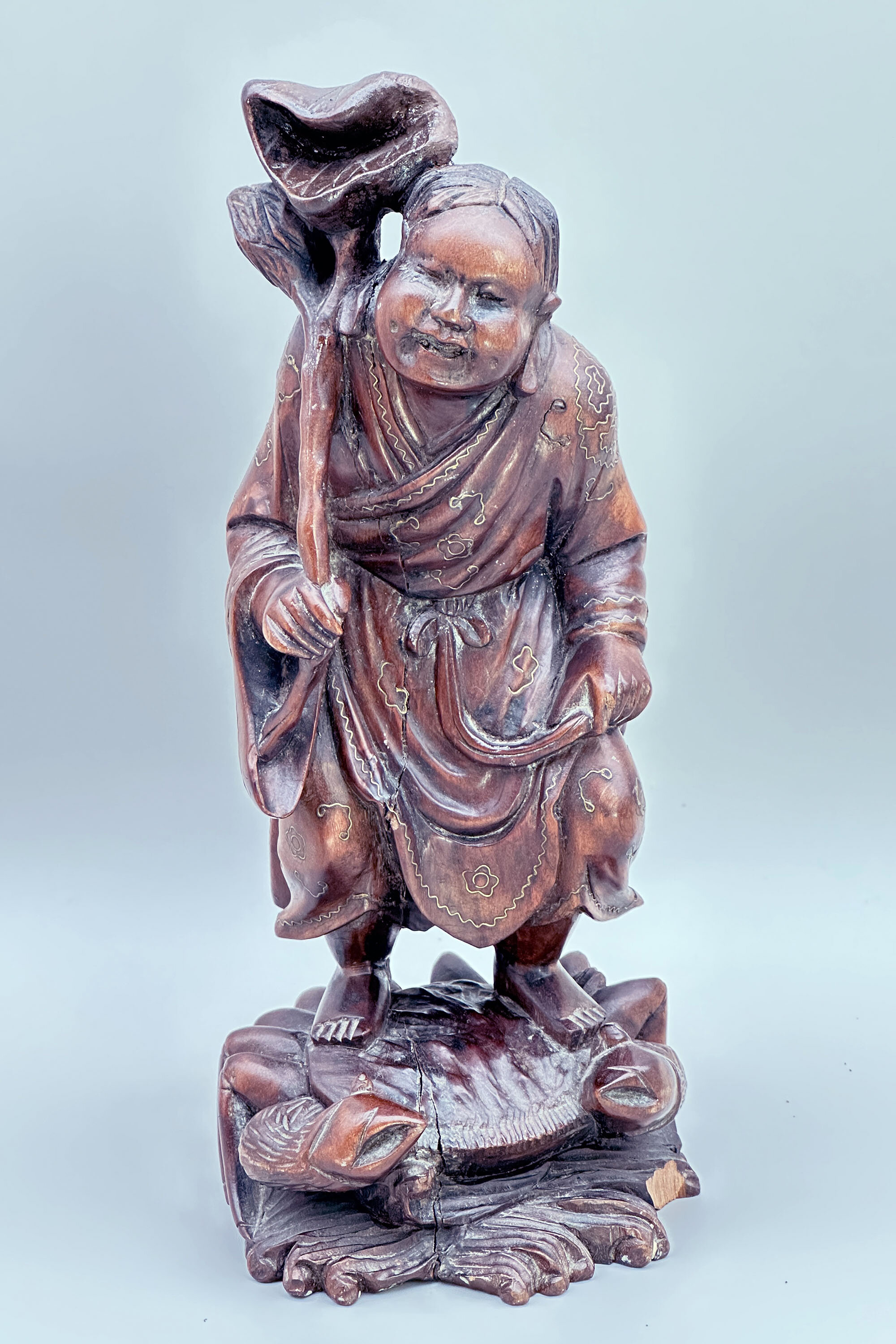
Chinese boxwood carved figure with silver inlay of Li Tieguai circa 1900
Price: £55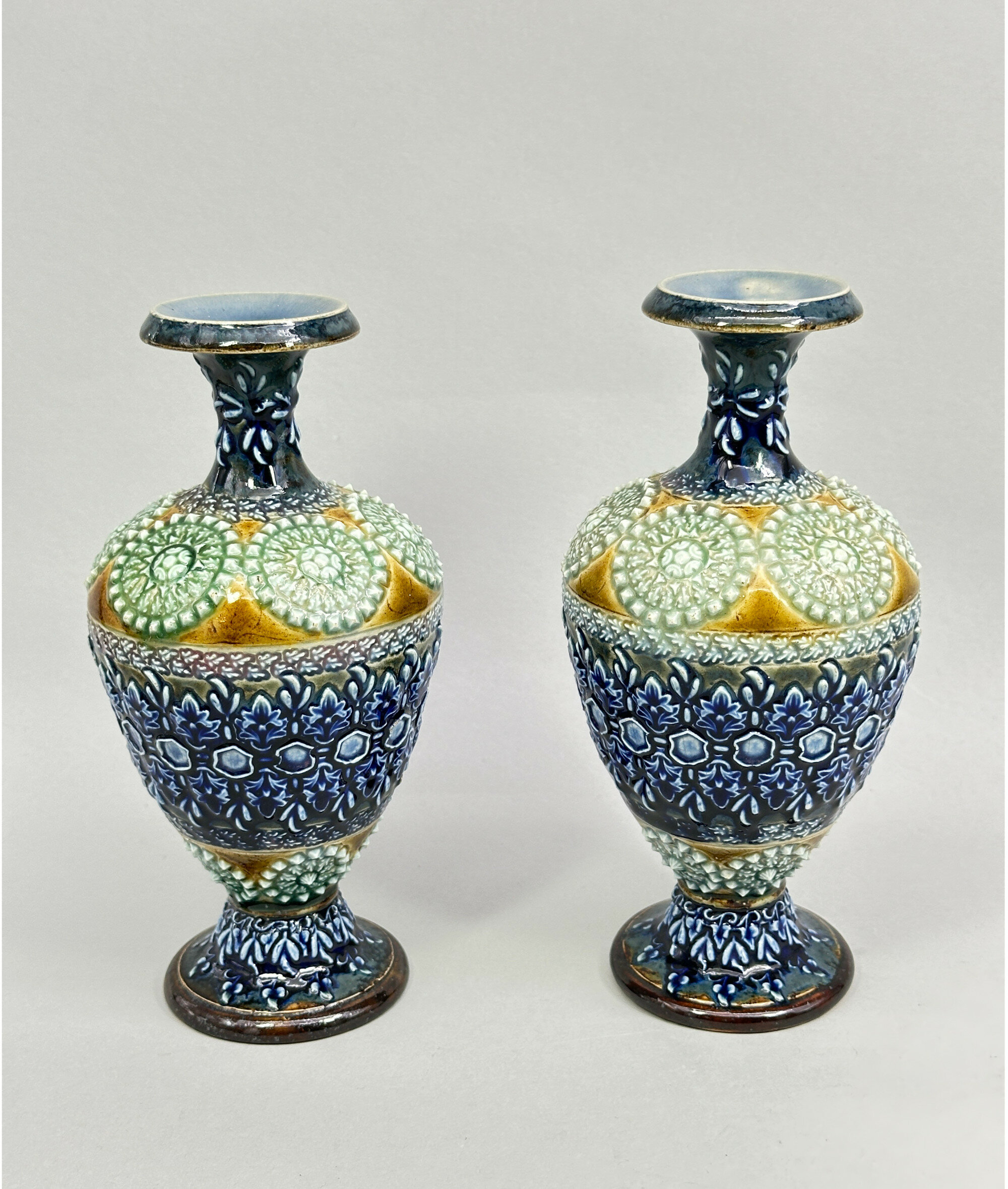
Pair of Doulton Lambeth Vases, signed and dated 1882
Price: £150The Doulton factory began production in 1815, first at Vauxhall and later moving to Lambeth. In 1882 it opened an additional factory at Burslem, Stoke on Trent in the centre of the English pottery. Known at first mainly for utilitarian works it began to develop decorative wares more extensively in the 1860s and soon gained a reputation for its distinctive designs. As the factory mark indicates, these pieces were made at the Lambeth factory and the absence of ‘England’ below it indicates that it dates to before 1891. The Lambeth ware pieces were often marked with the date of manufacture, here 1882 which is fully consistent with a design inspired by Eastern influence. The artist’s mark, ‘B’ with a tail, which appears on both pieces, is for Alice L Burlton, whose signature can be seen on other pieces of a similar date with similar raised decoration. The other three markings ‘B’ and ‘OO’ presumably indicate the pattern number.
In general, Doulton designs were often both striking an experimental and this pair of vases is an example of their work at its best, a striking form combined with skilful decoration making them true collector’s items.
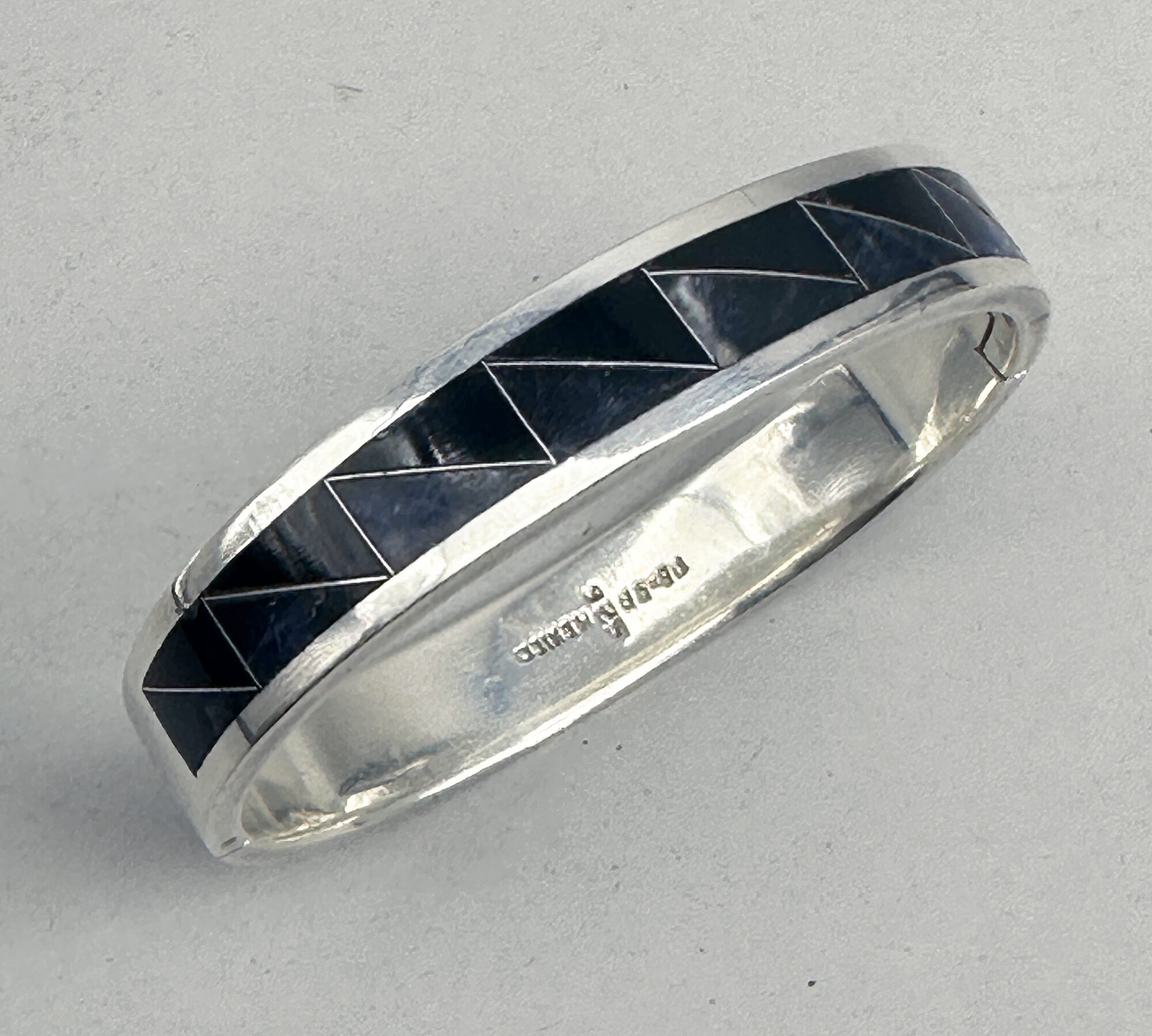
Taxco silver bangle with onyx and sodalite mosaic decoration, 1990s
Price: £75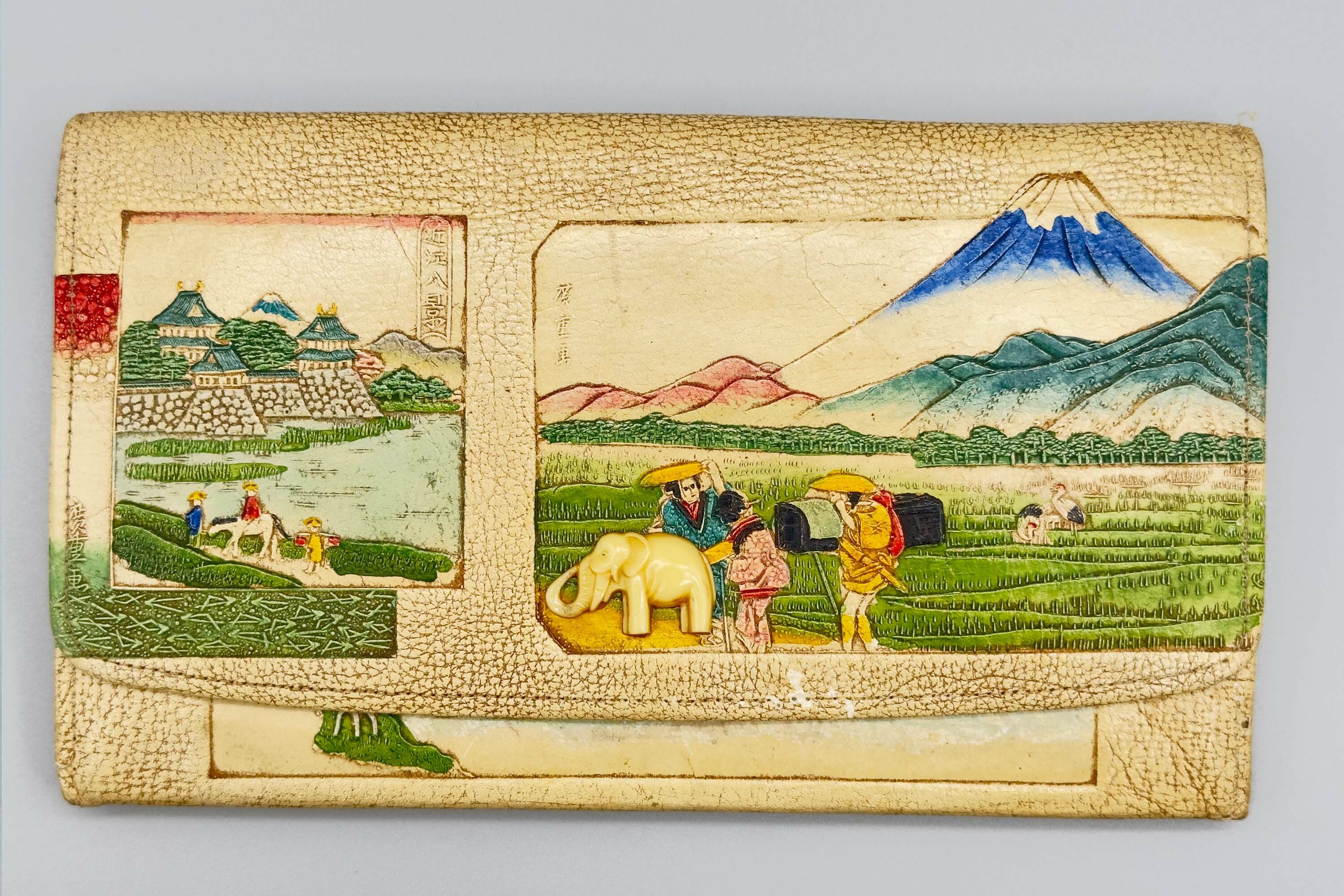
Japanese tooled and painted Leather Clutch Bag, 1930s
Price: £85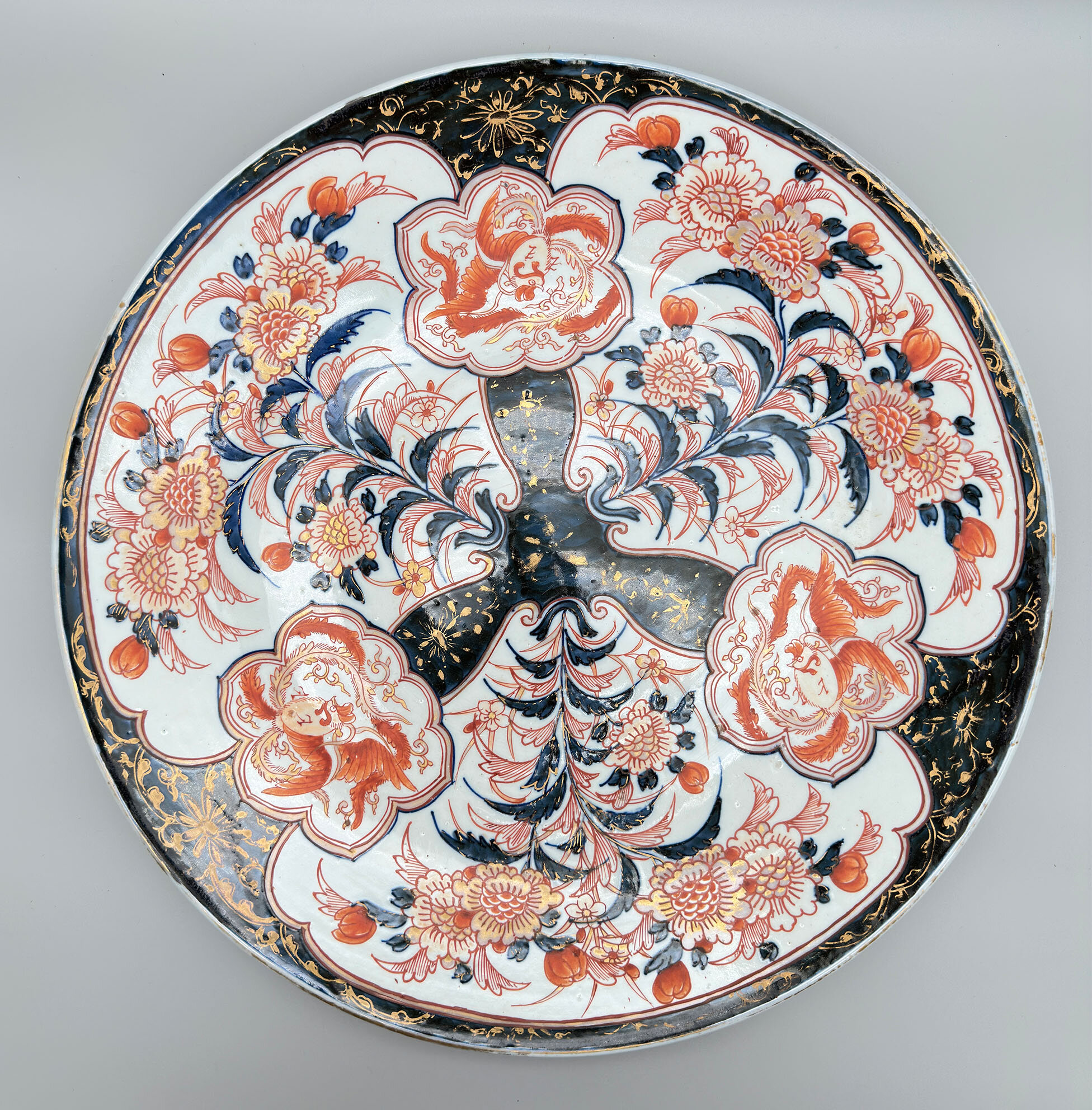
Japanese Imari Charger, Meiji Period (1868-1912) c1870
Price: £450………………………………………………………………………………….....................................................................................………
Trade with Japan in the seventeenth century was predominantly directed by the Dutch merchants who had a trading station at Nagasaki. It was their requirements which dictated what the potteries at Arita should make and by the 1660s they were demanding ‘red wares’, the Japanese term for pieces in the colourings of underglaze blue, red and gold, sometimes with additional colours as well. Once made, these porcelains were sent to the port of Imari from where they began their journey to the West and from which they were to take their name. They proved to be immediately popular on their arrival in Holland and the auctions of the cargoes as they arrived were extremely successful. This led to a plentiful supply of chargers, bowls and vases (many with covers and some forming part of a five piece garniture) which were to decorate the royal and aristocratic homes not only of Holland itself but throughout Europe and particularly in Great Britain, where they can be seen today.
While the forms were relatively plain, the decoration was lavish, employing panels with floral or animal elements on a densely covered ground, often with swirling designs. Two typical examples are illustrated in images (9) and (10), both dating from the late seventeenth or early eighteenth century. The popularity of the style naturally led to it being copied and the Chinese started to produce it from the late Kangxi period (1662-1722) onwards, occasionally following the originals closely but soon producing their own adaptations which were often slightly more restrained and refined. By the beginning of the nineteenth century, Imari exports from Japan and China had lapsed but their place was soon taken by pieces from the European and British manufacturers. In England both Spode and Mason’s Ironstone, amongst others, produced their own version of ‘Imari’, even attempting vases in the colourings as well as flatware. Eventually Japan re-entered the market and from 1860s onwards the West was again supplied in quantity with their Imari wares, although by the end of the century some of these were of rather poor quality.
But at their best, the Japanese workshops in the nineteenth century could well match the work of their predecessors and this charger is a prime example. The form is almost that of a very shallow bowl with the sides evenly curving upwards (see image 4) and an unglazed footrim to the reverse. The nineteenth century decorators often created their own designs, but the decoration here follows the originals very closely indeed, even in the colouring of the underglaze blue which has an almost blackish tinge which is also seen in the two earlier examples illustrated. There are three large fan shape panels with flowering peony and three smaller ones with lotus leaf borders and ‘ho ho’ birds, all on a blue ground with stylised gilt floral decoration. One can almost see a wheel here and the design nearly seems to be in motion which was, again, a feature of earlier pieces. The reverse has just three sprays of peony which allows one to see the quality of the glaze.This, combined with the paste of the foot and the general quality of the decoration all point to a mid nineteenth century dating, probably circa 1870 after trade with Japan resumed as a result of the Meiji restoration.
Japanese Imari wares deservedly retain their popularity today and this charger would be an elegant addition to a contemporary interior or even indeed to a stately home itself.
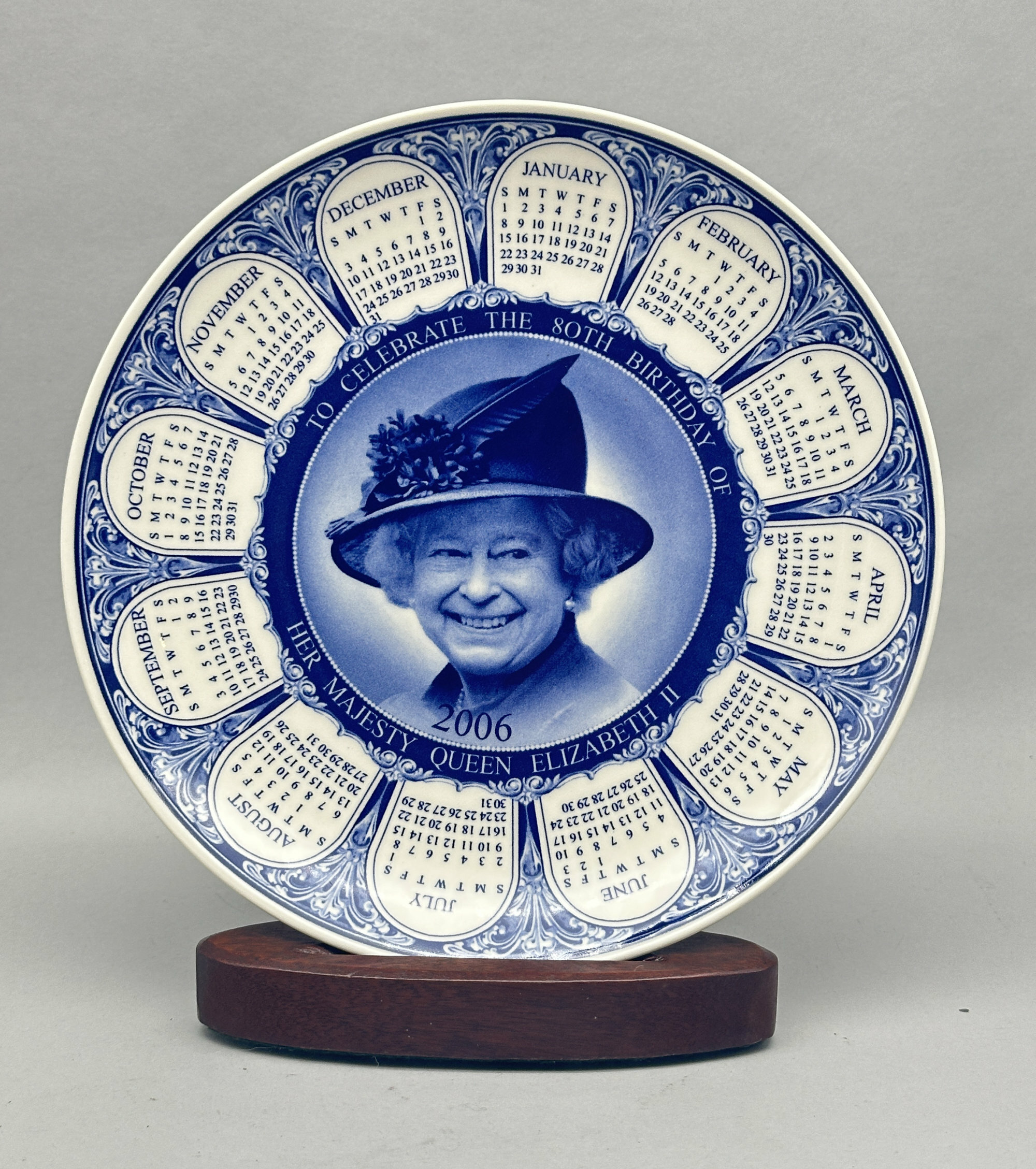
Wedgwood Calendar Plate, 80th Birthday of Queen Elizabeth II, 2006
Price: £10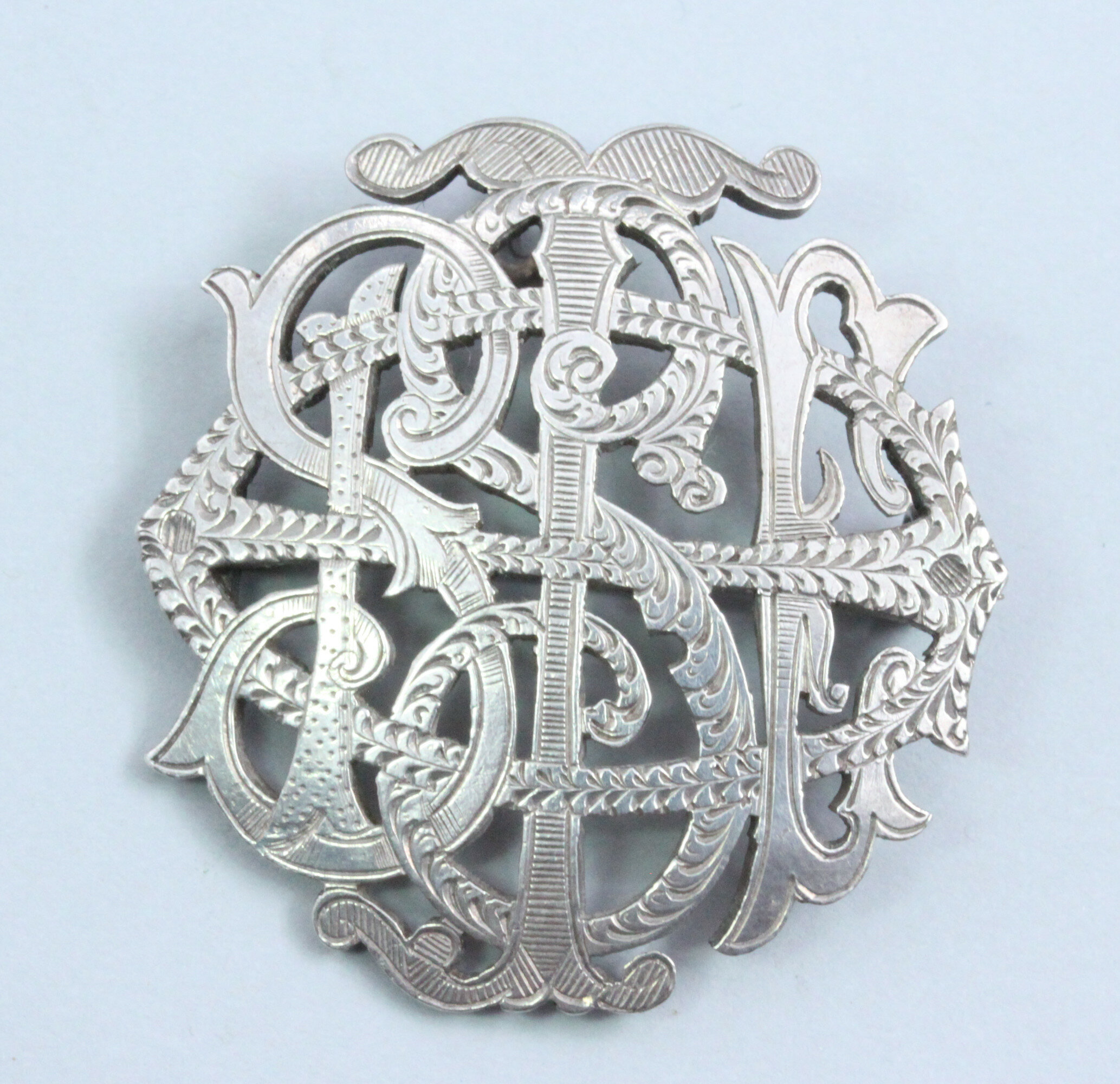
Silver Monogram Celtic Style Brooch Hallmarked 1878/1879
Price: £45An advert for Edwin Umfreville appeared in 'The Bazaar, The Exchange and Mart - 19th April 1879' where one of his pieces is described. "Like all the “ E. U." jewellery that we have seen, the workmanship is first-class, and the design most tasteful."

Very unusual banded carnelian panel bracelet
Price: £45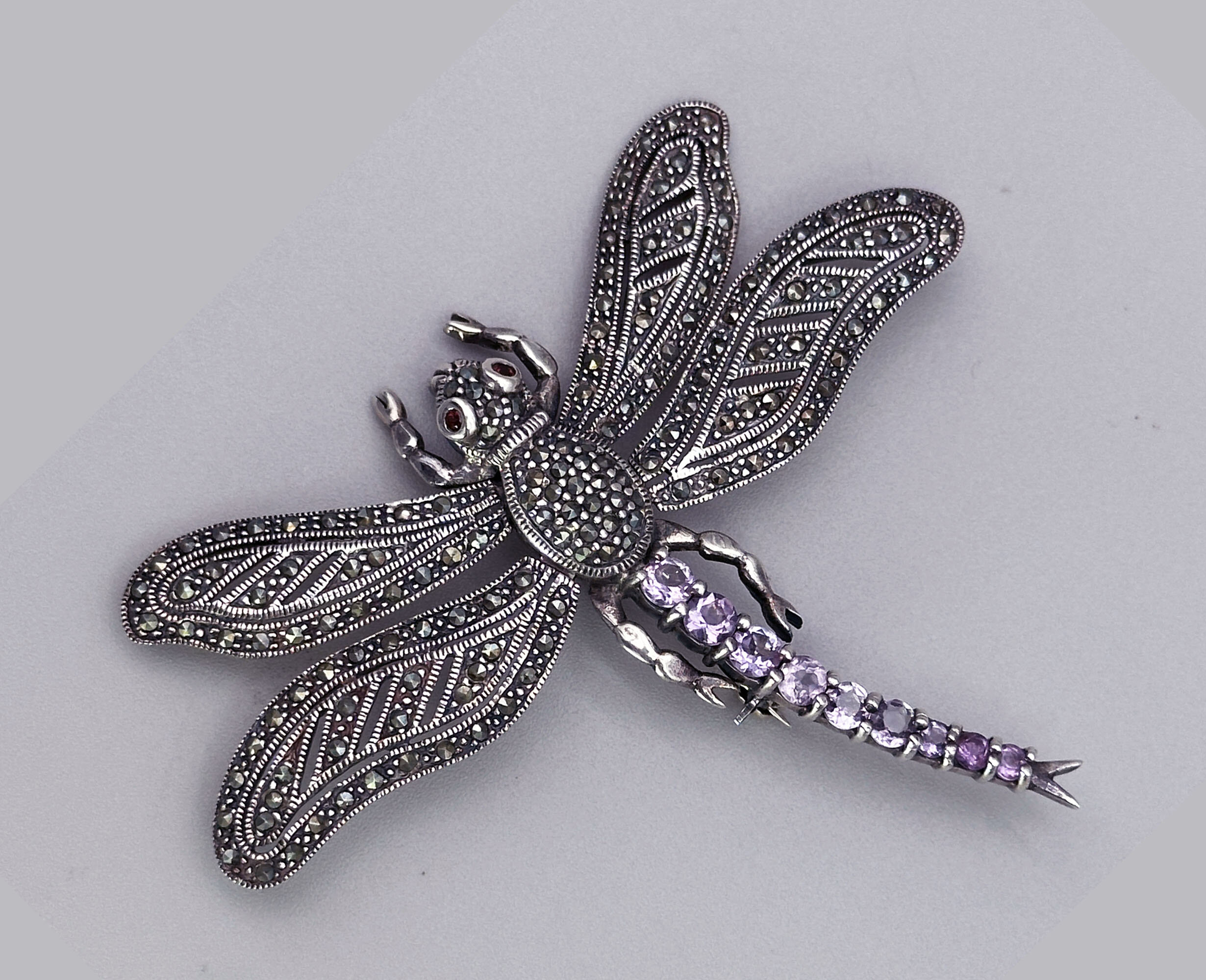
Art Nouveau style dragonfly brooch with articulated wings, c1950
Price: £145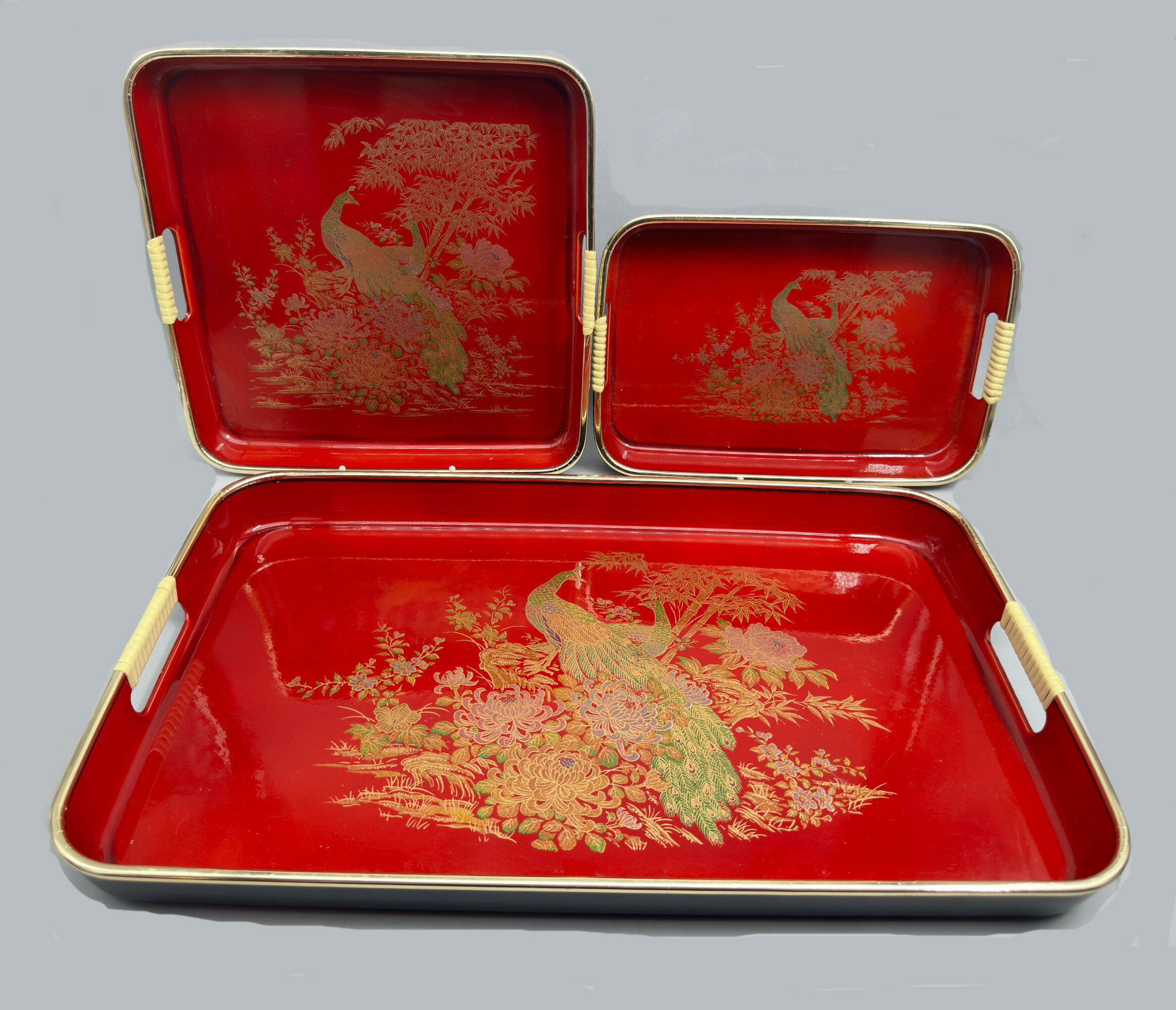
Set of Three Japanese Lacquer Nesting Trays, mid to late C20th
Price: £45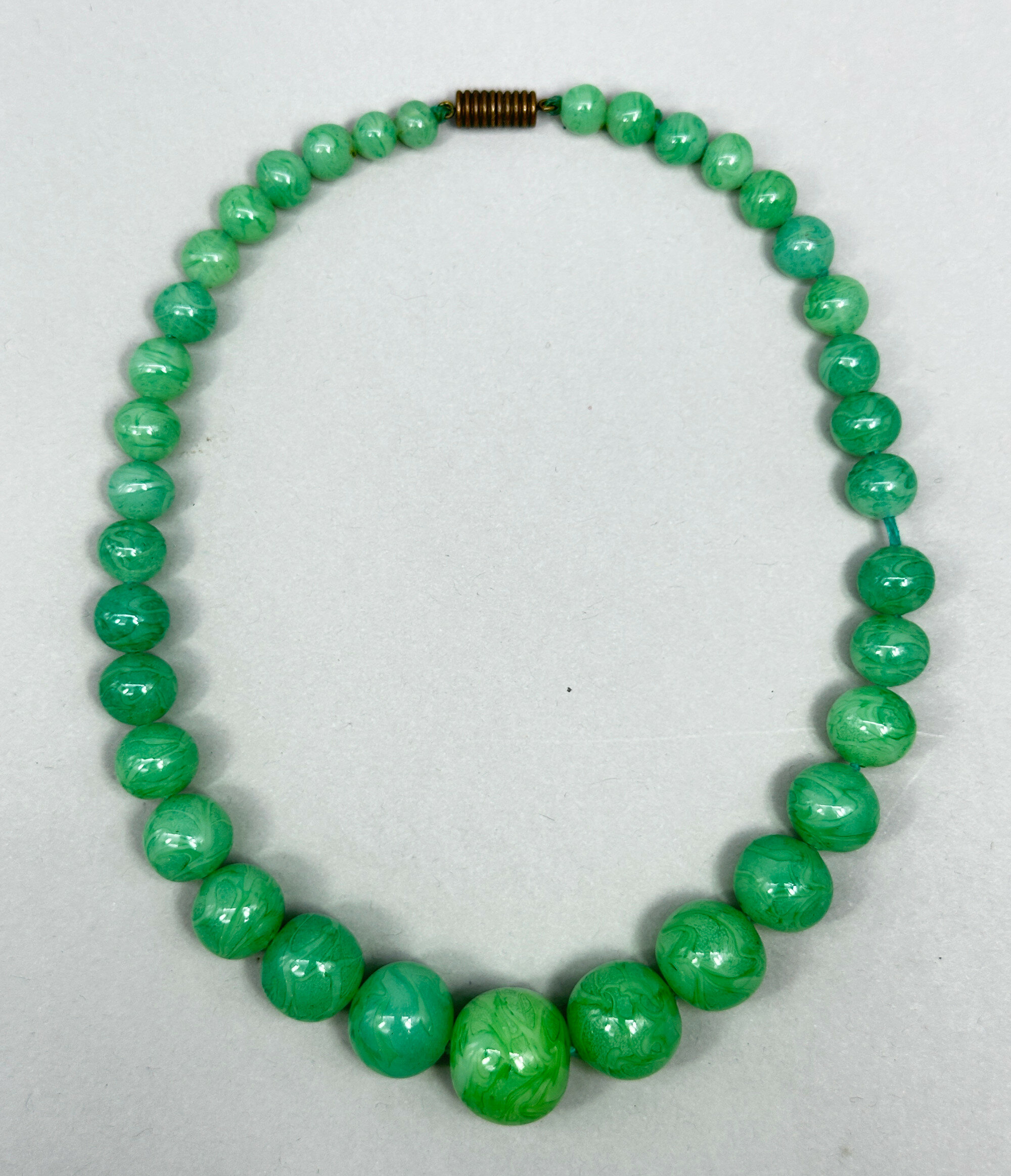
Strand of large Peking glass beads c1920
Price: £25
Large graduated necklace of nut carving beads, 1930s
Price: £25
Pair of Japanese Arita Shallow Bowls circa 1880
Price: £75The town of Arita in the former Hizen Province, northwestern Kyūshū island, was a major centre for the production of porcelains in Japan. Best known for blue and white pieces it also produced polychrome wares as well, including the familiar imari colourings. While similar to Imari, the wider palette of colours used here is usually termed ‘Arita’ and the decorative appeal of the style is clear. These bowls probably come from an original set of five and their quality is much above average. Dating is to the Meiji era (1868 - 1912) probably around 1880.
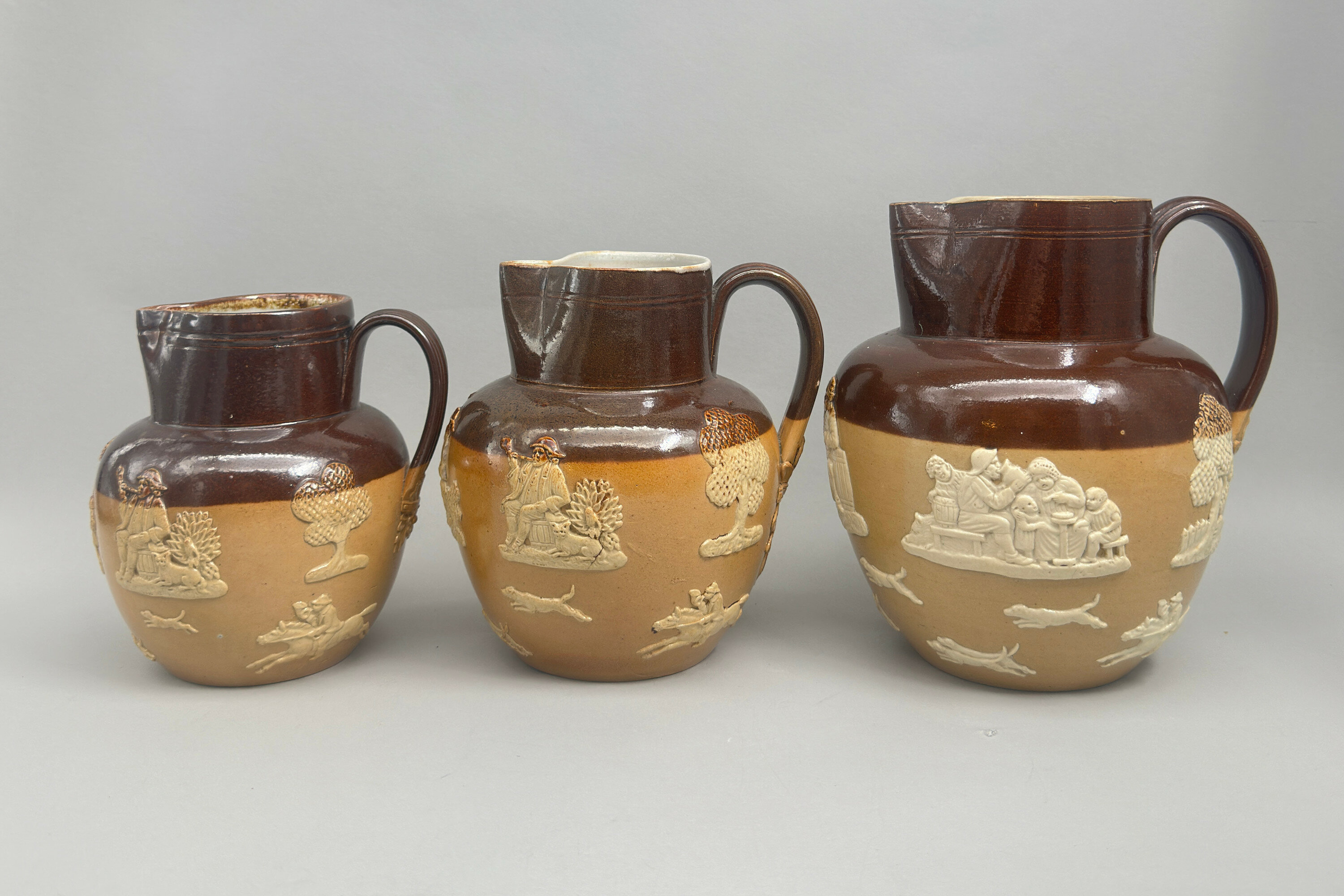
Graduated set of three Royal Doulton Harvest Pattern Jugs, early C20th
Price: £150While this model, often called the ‘harvest pattern’, is found quite often, it is very unusual to see a graduated set of three, all matching. The form of the mark, where the lion does not sit above a crown, was used between 1922 and 1927 which gives us the dating here. The largest jug carries the letter ‘a’ which was a decorator’s mark and stands for Louisa Ayling. Perhaps she worked on all three, but this must remain a guess although the quality of the work on all three is quite consistent producing a highly decorative and attractive ensemble.
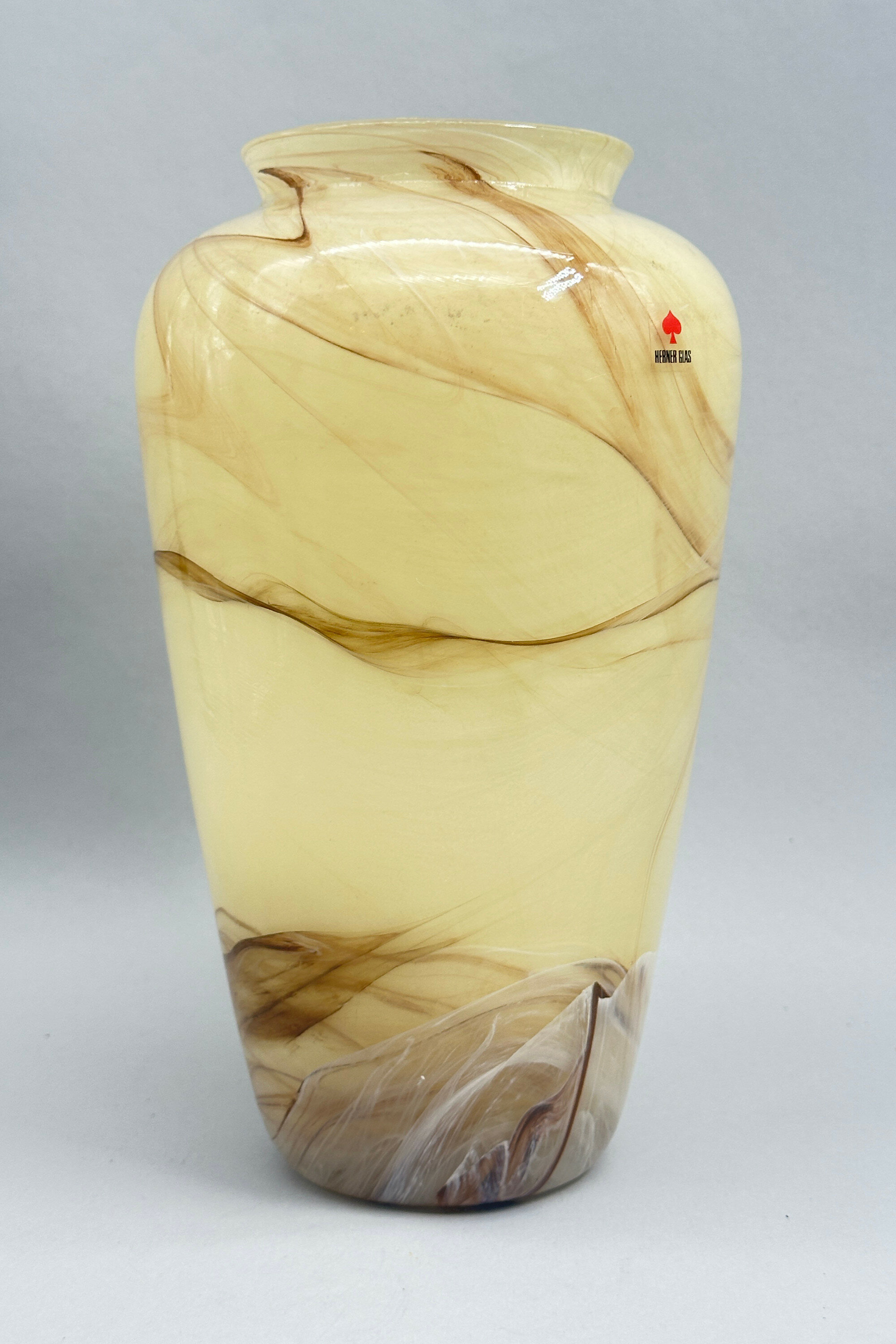
Tall glass swirl design Vase, Herner Glas Germany, late C20th
Price: £35
Victorian Grand Tour Wedding Cake glass necklace
Price: £125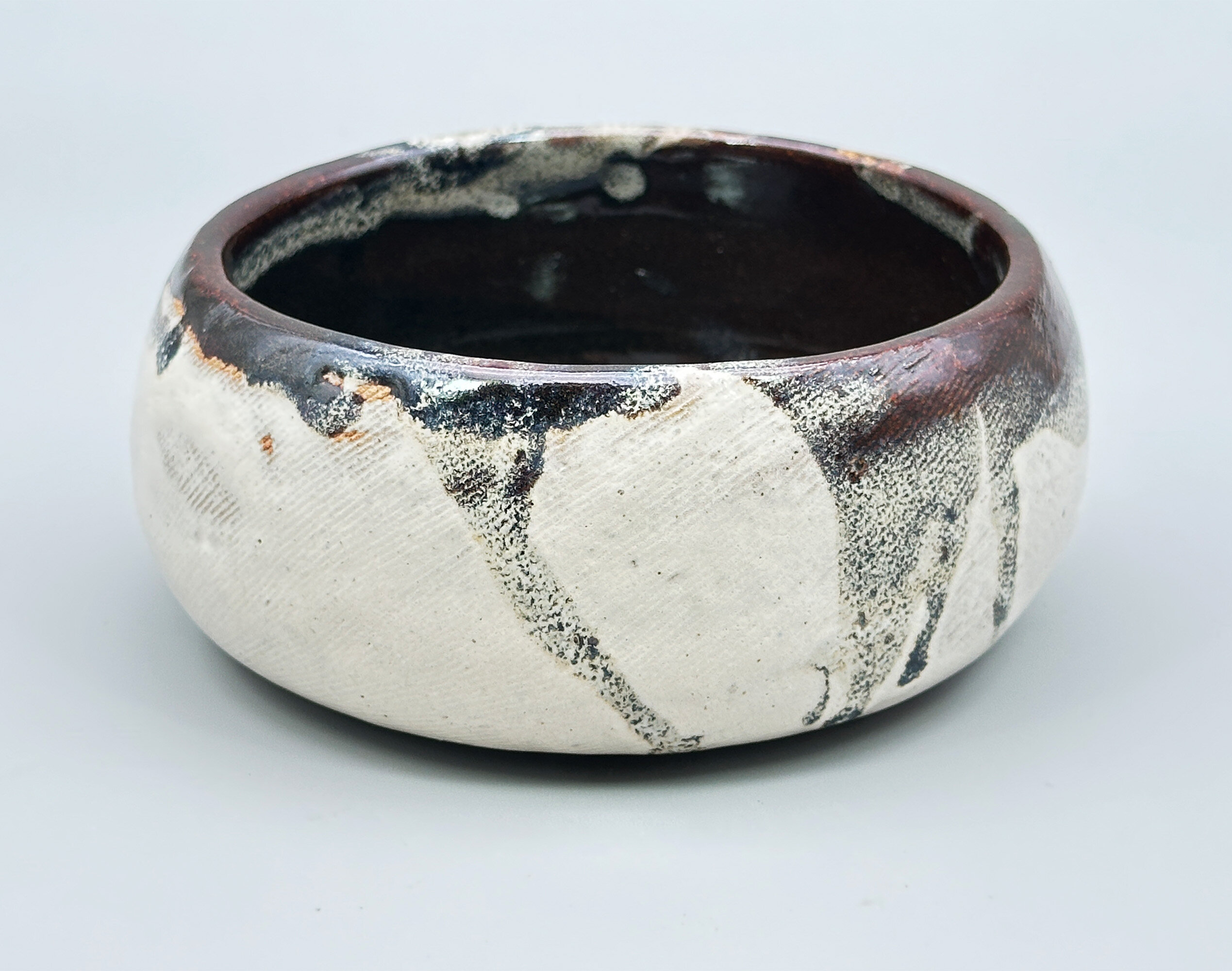
Studio Pottery Bowl with Yukishino style glaze, signed M Lazenbury, C20th
Price: £35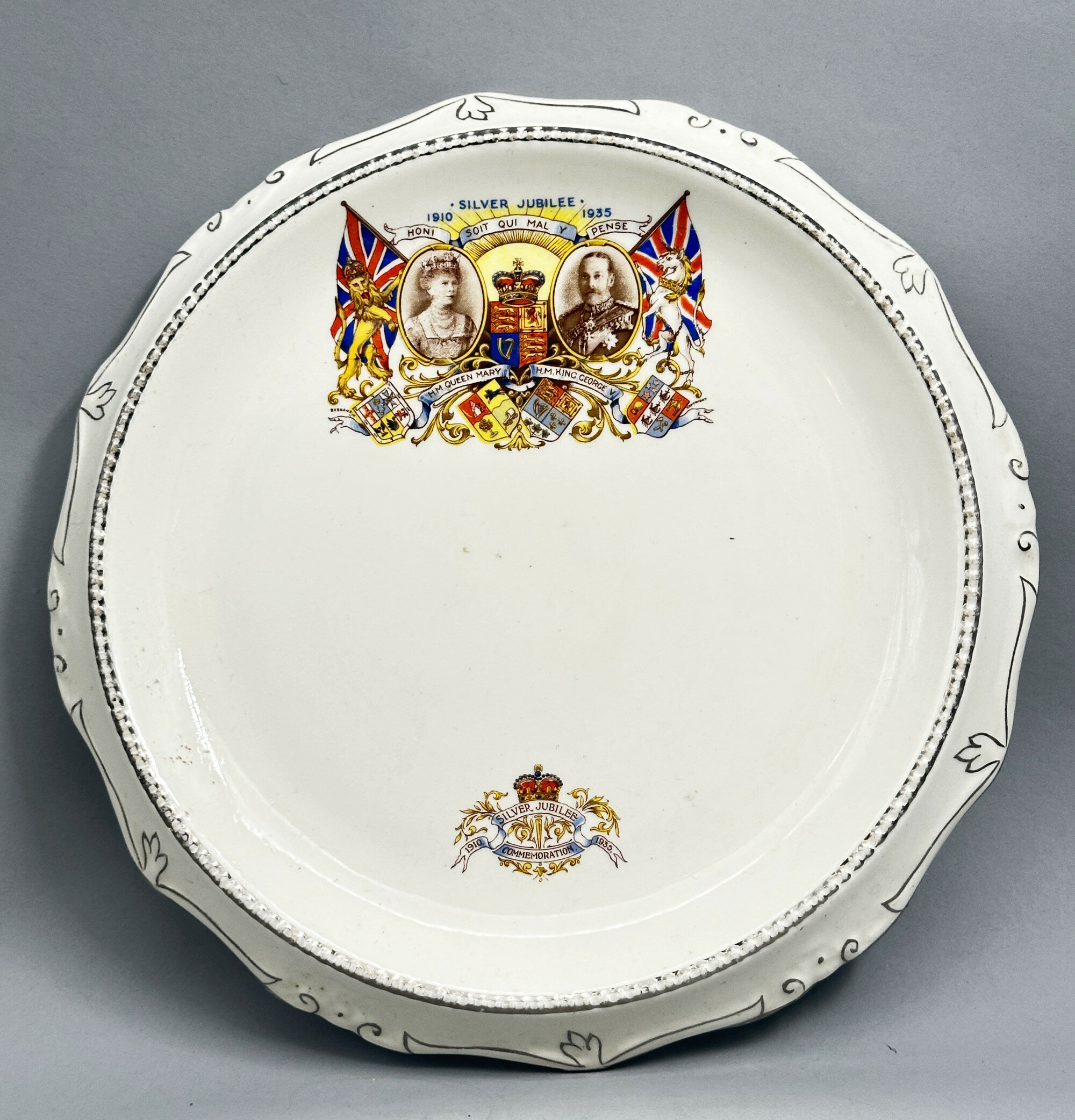
Commemorative Ware Silver Jubilee Plate, James Kent Ltd, England, 1935
Price: £35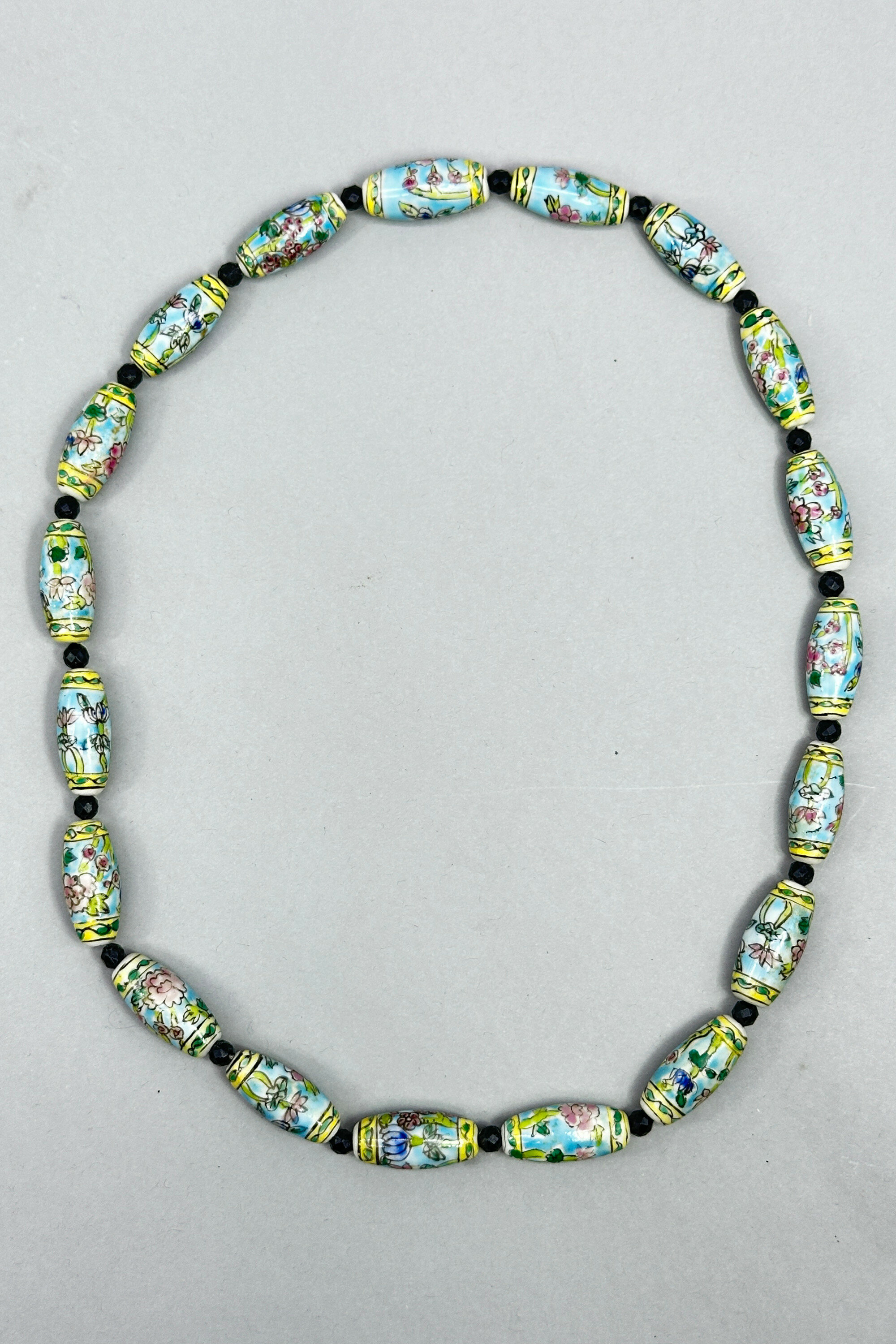
Strand of Chinese ceramic beads c1950
Price: £25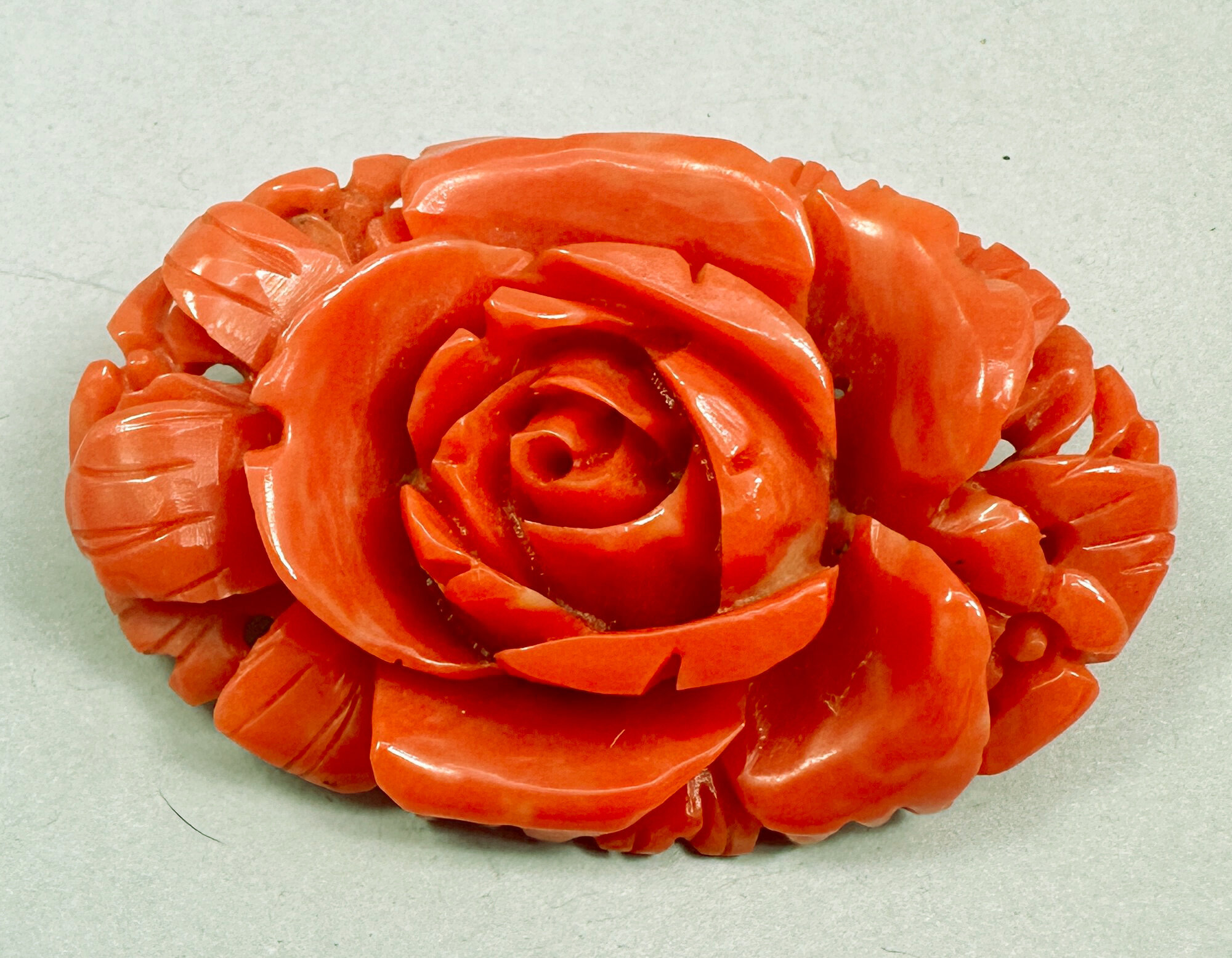
Large faux coral Bakelite brooch, British c1940
Price: £45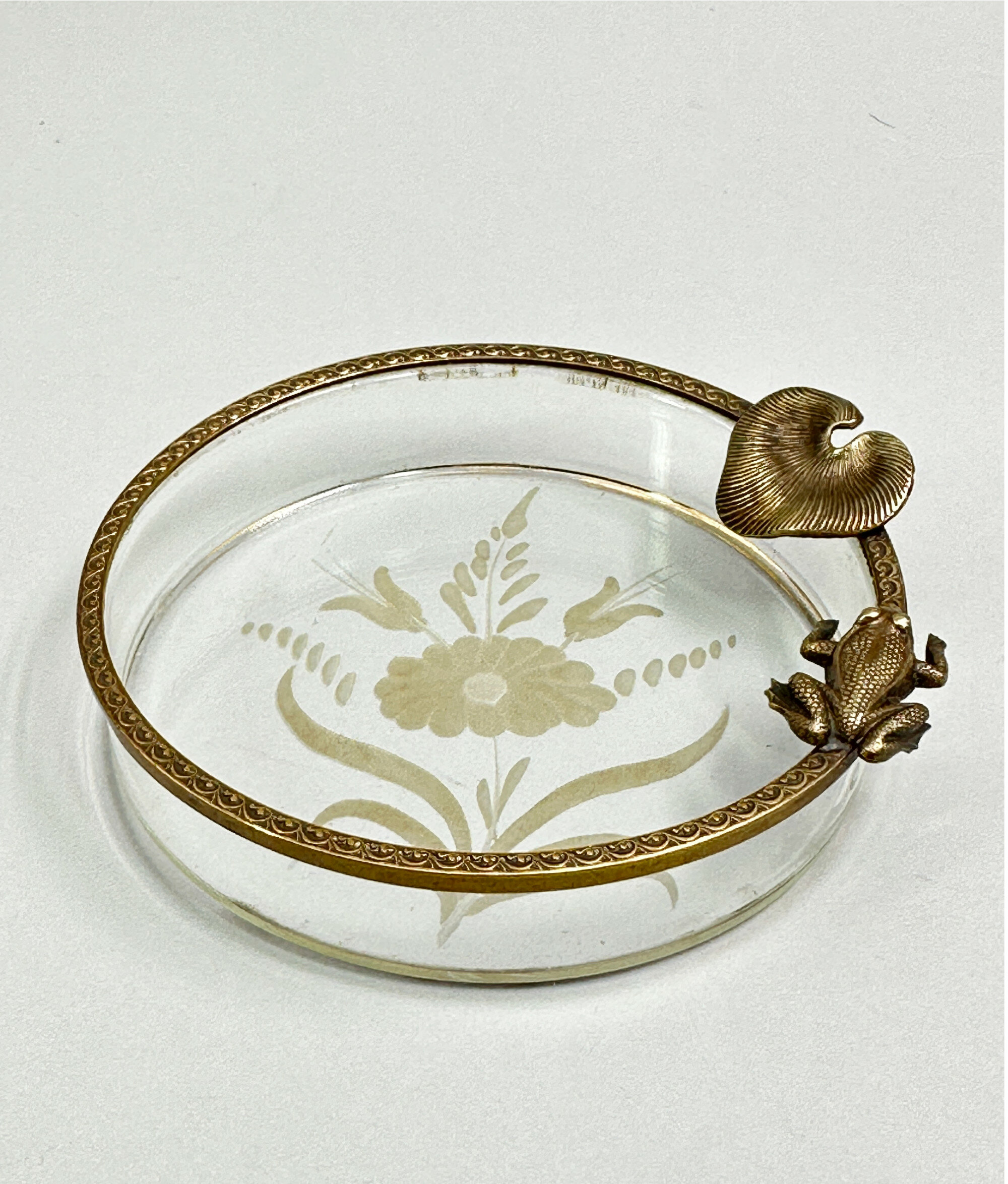
Fine Quality engraved French Glass Dish with naturalistic Ormolu Mounts, early C20th
Price: £25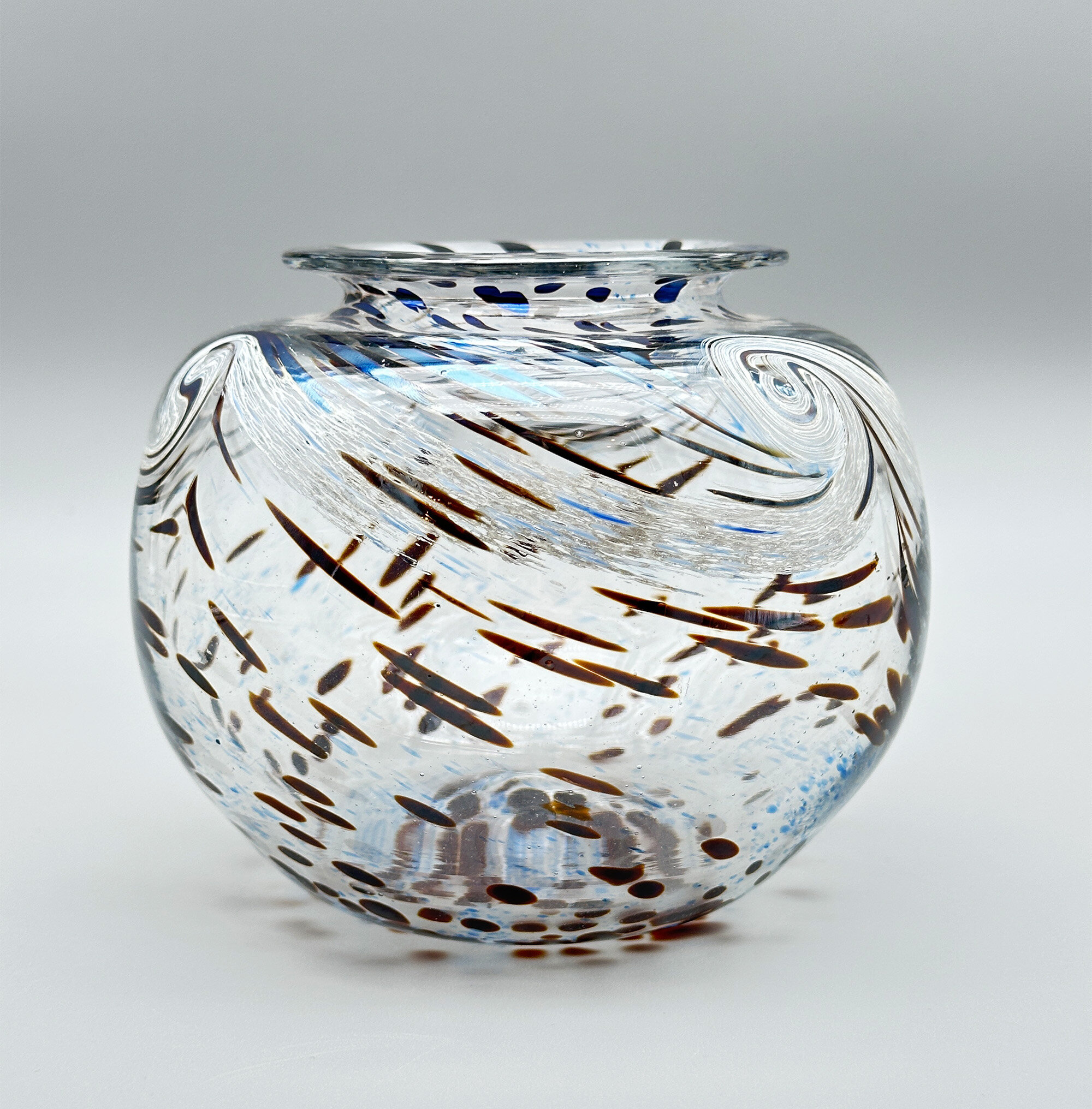
Globular art glass Vase with trailing swirls, signed and dated 1994
Price: £45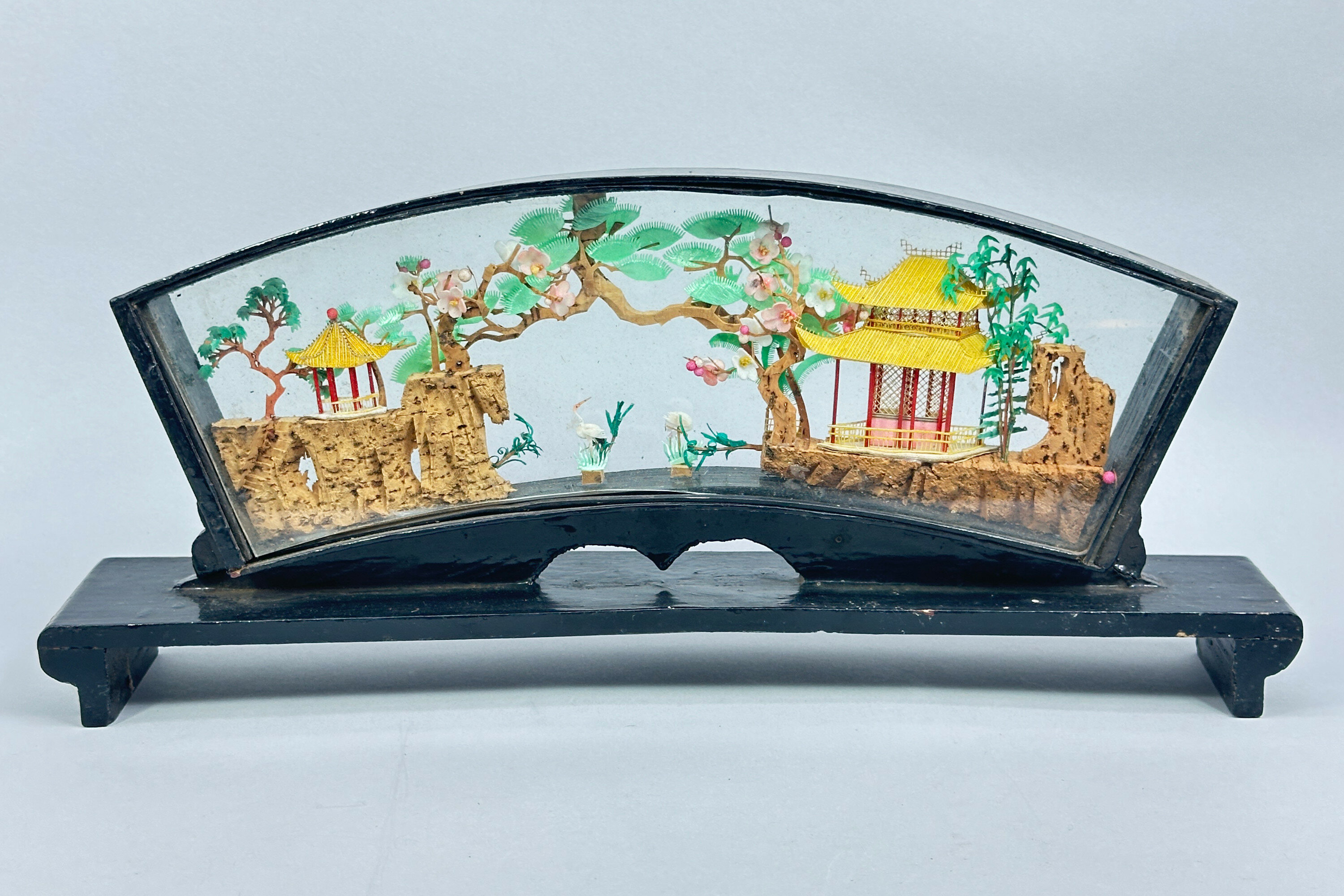
Chinese Cork Diorama in a Glazed Wood Frame, C20th
Price: £25Chinese cork carving, also known as cork sculpture, is a traditional Chinese art form depicting intricate landscapes with pavilions and animals. The cork (from cork bark of trees) is cut, carved, coloured and glued together into pictures after which it is wood-framed, usually painted in black lacquer, with clear glass protection. The tradition seems to have begun in the early twentieth century when the Chinese wood carving artist Wu Qiqi from Xiyuan village in Fuzhou was inspired by a wood carving picture that brought back from Germany to create something in imitation using locally cork for the main elements with rice paper plant to form the animals. The sculptures proved popular and many were exported. This piece is an excellent example with a particularly attractive frame and probably dates to before the Second World War.

Three Chinese Canton Enamel Dishes, Nineteenth Century
Price: £45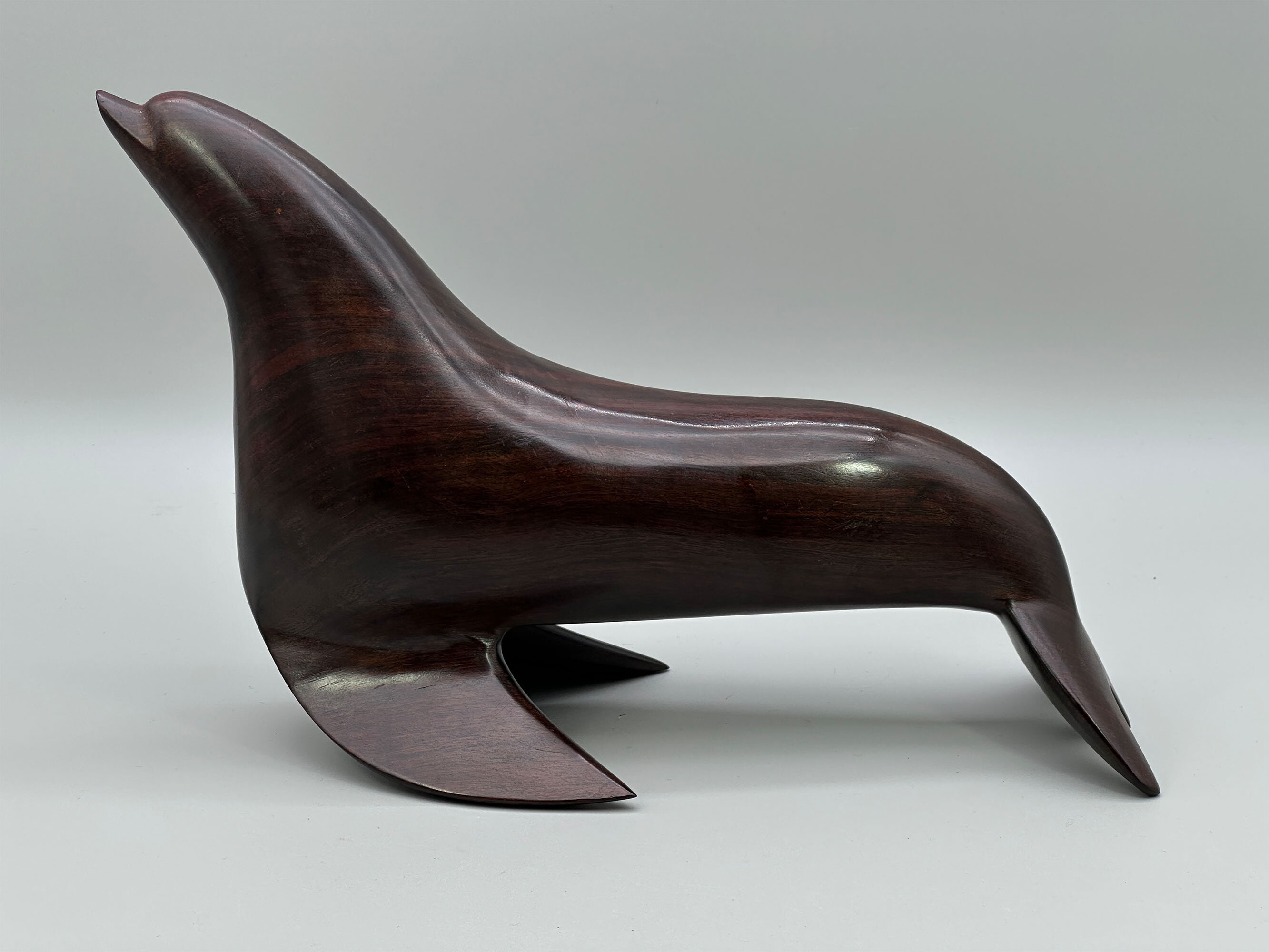
Ironwood (palo fierro) carving of a seal, Mexico, second half C20th
Price: £55Carving was originally done by the Seri people, a nomadic tribe of no more than 500 who live in Mexico and then by town and city dwellers from Sonora and Baja California, who embarked on the trade after the figures became commercially popular. Seri carvings were essentially hand made whereas the mass produced pieces were created with the use of power tools.
The forms are derived from wildlife and are often abstract in style. While it may owe some elements to the use of machine tools, this carving is a fine example of the ‘ironwood’ style with its sleek lines imaginatively representing its subject. The modelling is expressive and well complemented by the patina and finish of the wood. From the above, dating is clearly to the second half of the twentieth century and perhaps more to its later years if this is an example of the ‘commercial’ pieces produced at that time.